Okay, let's dim the lights, maybe adjust the tracking just a little, and pop in a tape that feels like pure, unfiltered Italian summer distilled onto magnetic ribbon. We're talking about 1983's Time for Loving, though many of us who dug a little deeper back in the rental days might know it by its evocative original title, Sapore di Mare (Taste of the Sea). Forget the explosions and high-octane chases for a moment; this is a different kind of 80s gold – a sun-drenched, bittersweet comedy dripping with nostalgia, not just for its 1964 setting, but for the very era it was made in.
### That Endless Summer Feeling, 80s Style
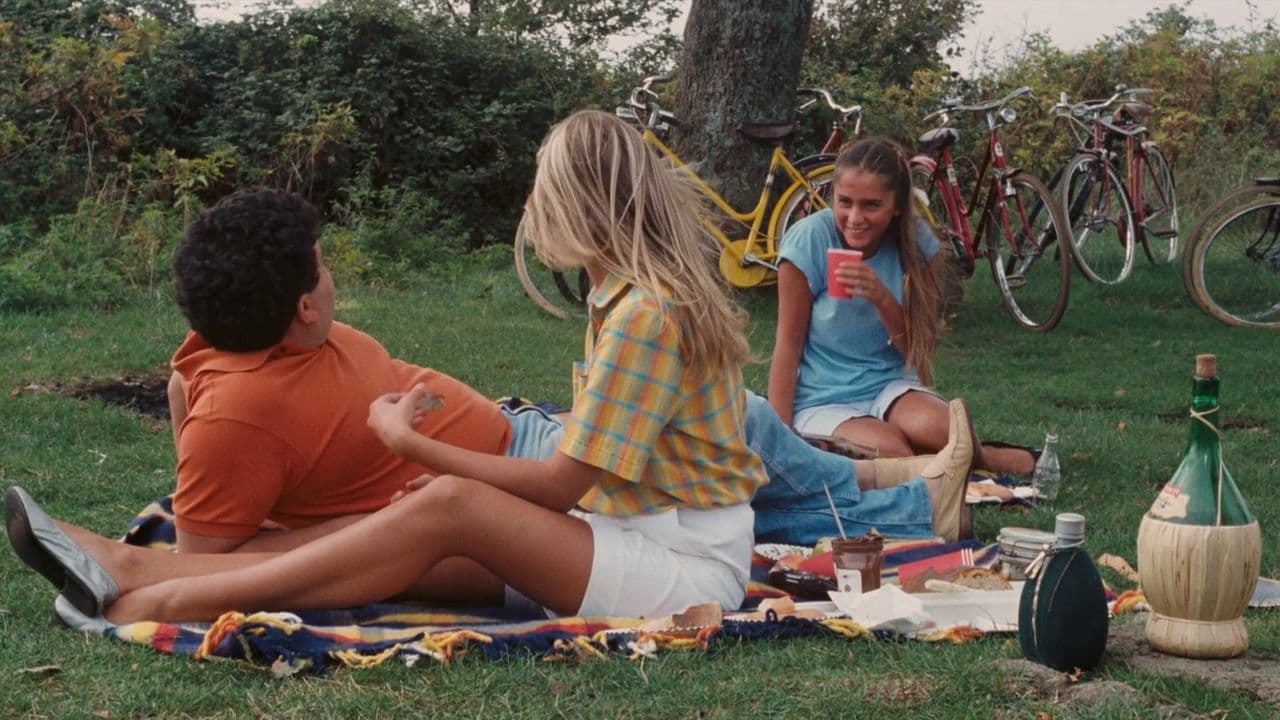
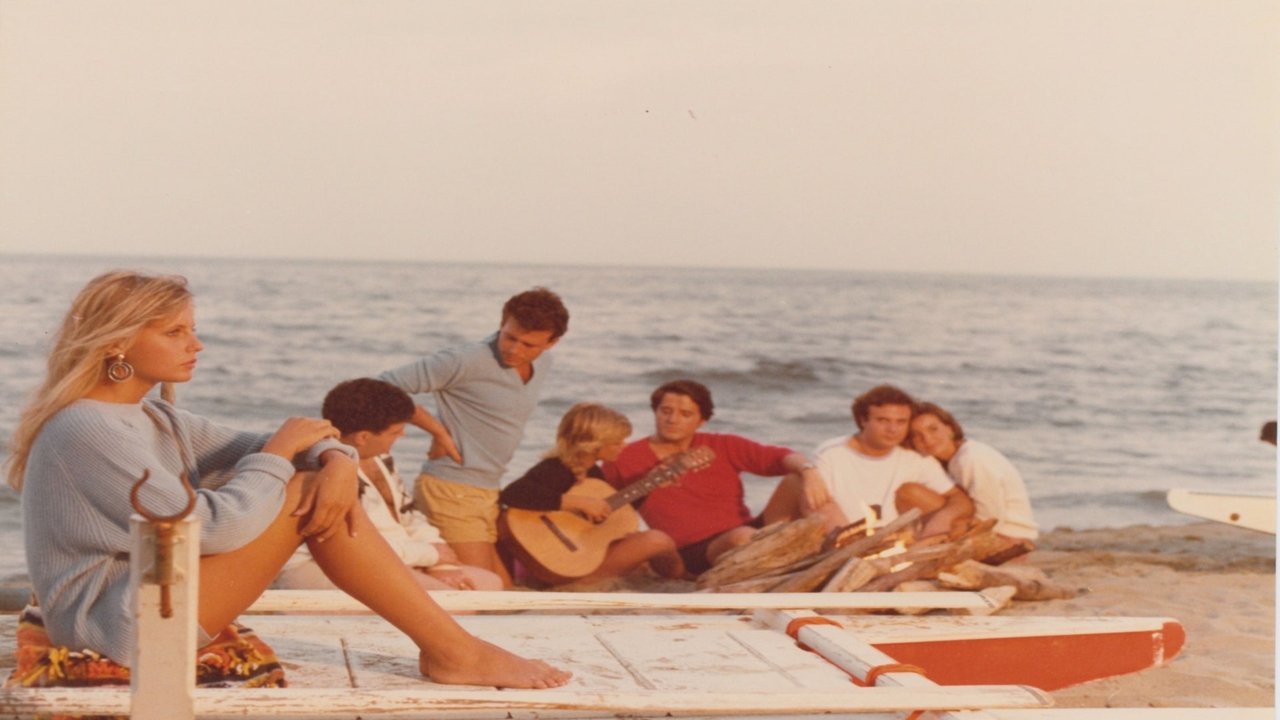
Directed by Carlo Vanzina and co-written with his brother Enrico Vanzina – a duo synonymous with popular Italian comedy throughout the 80s and 90s – Time for Loving transports us to the legendary Forte dei Marmi beach resort during the summer of 1964. It follows the interwoven stories of a group of vacationing teenagers navigating the treacherous waters of first loves, fleeting friendships, beach parties, and jukebox romances. It's a snapshot of youthful energy, set against the backdrop of Italy's economic boom years, all captured through a distinctly early-80s lens. You can almost smell the mix of saltwater, Coppertone, and teenage angst.
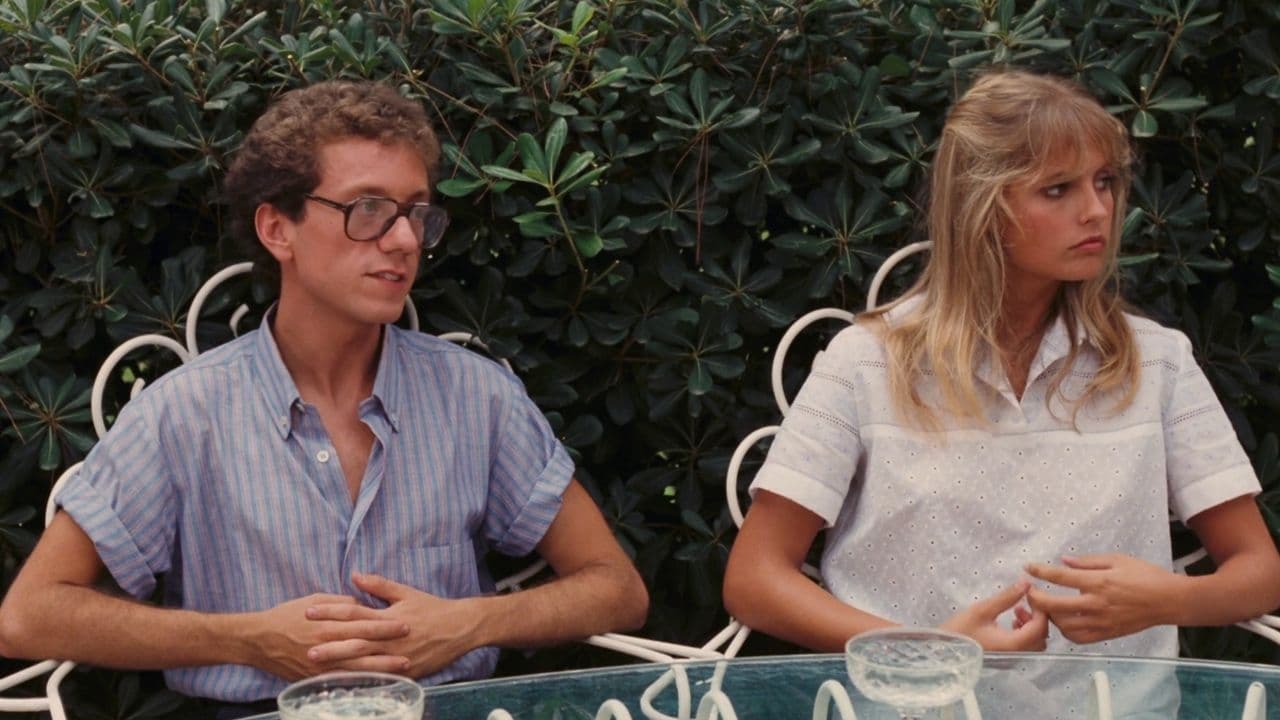
The ensemble cast is key here, featuring faces that became absolute staples of Italian cinema thanks, in large part, to this film's massive success back home. Jerry Calà brings his trademark manic energy as the perpetually girl-crazy Luca, while a young Christian De Sica (son of the legendary Vittorio De Sica, and a future comedy icon himself) plays the slightly more earnest Paolo. We also get memorable turns from Marina Suma, Angelo Cannavacciuolo, and a radiant Isabella Ferrari in one of her early, star-making roles as the sought-after Selvaggia. Their interactions capture that universal blend of bravado, insecurity, and hormone-fueled drama that defines teenage summers everywhere.
### More Than Just a Beach Flick
What makes Time for Loving endure, especially for those with a fondness for Italian pop culture of the era, is its incredible authenticity filtered through rosy nostalgia. The Vanzina brothers weren't just making a period piece; they were tapping into a shared cultural memory. The soundtrack, packed wall-to-wall with iconic Italian pop hits from the 60s (think Edoardo Vianello, Gianni Morandi, Rita Pavone), isn't just background music; it is the movie's heartbeat. It fuels the dance scenes, underscores the romantic yearnings, and instantly transports viewers – particularly Italian ones who grew up with these songs. Finding this on VHS, perhaps with slightly dodgy subtitles under the "Time for Loving" banner, felt like discovering a secret window into another culture's beloved summer memories.
Let's talk Retro Fun Facts: Sapore di Mare wasn't just a movie in Italy; it was a phenomenon. Released in early 1983, it became a box office smash, grossing huge numbers (reportedly over 10 billion Lire, a staggering amount back then) and defining the summer for a generation. Its success cemented the "Vacanze" (Holiday) subgenre of comedies and launched its young cast into stardom. Filming actually took place in Forte dei Marmi, the very location depicted, adding another layer of authenticity. The film's popularity even led to a sequel, Sapore di Mare 2 - Un Anno Dopo (Taste of the Sea 2 - One Year Later), released later the same year! This wasn't just some forgotten oddity; it was a cultural touchstone.
### 60s Vibes, 80s Sensibilities
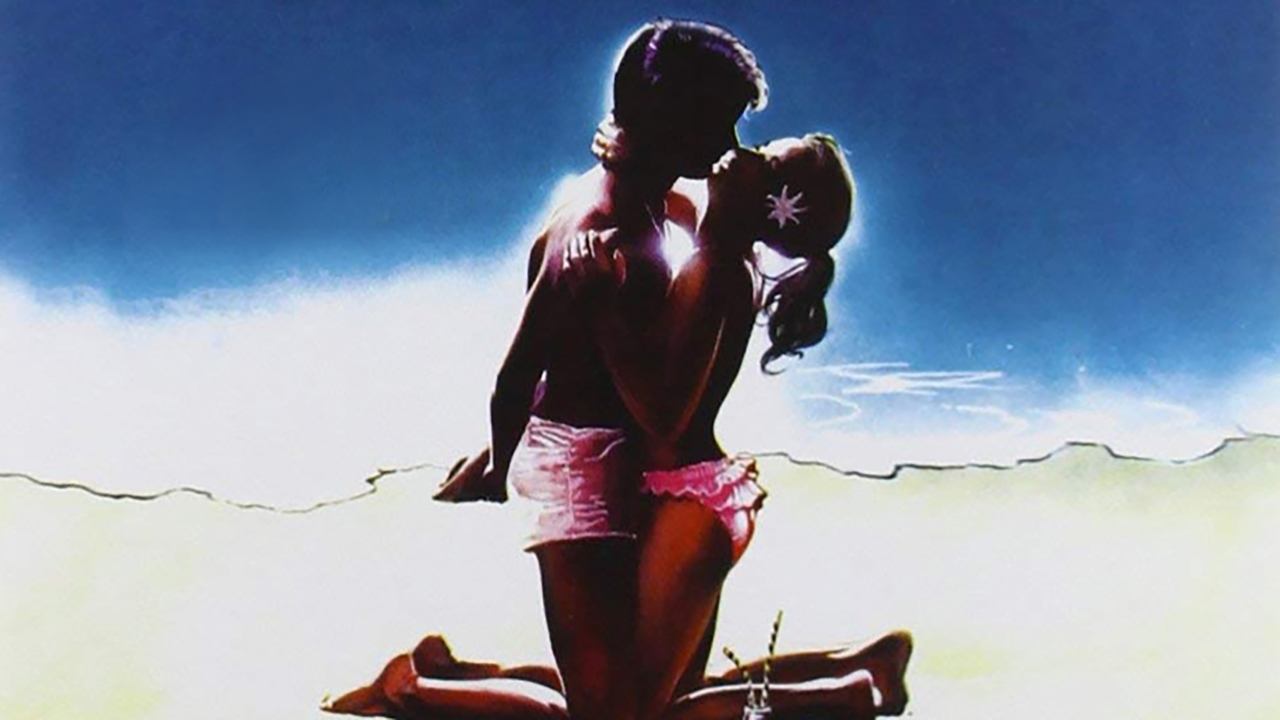
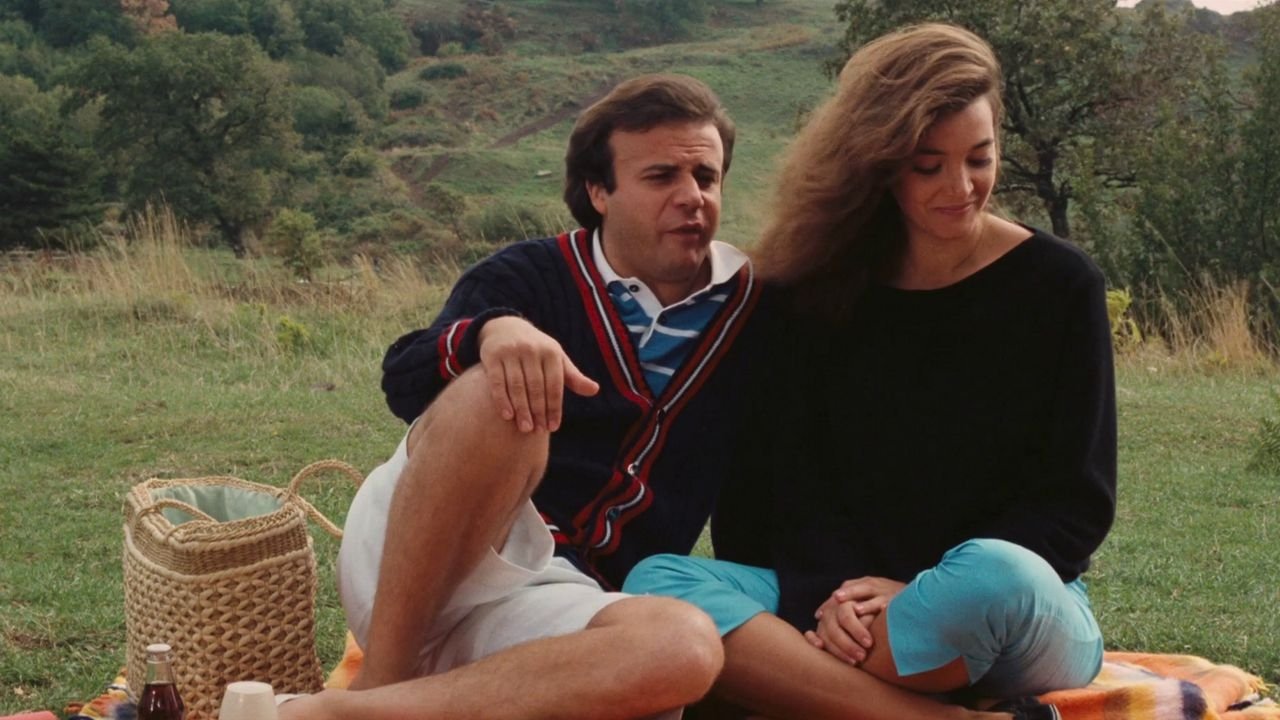
Watching it now, you see the 80s peeking through. The pacing has that slightly frantic comedic energy typical of Italian comedies from the period, and while the setting is '64, the hairstyles and fashion sometimes feel like a delightful 80s interpretation of the 60s. But that's part of the charm, isn't it? It’s not a meticulously accurate historical document; it's a feeling, an atmosphere captured with affection and humour. The jokes land with varying degrees of success today – some are timeless observations about youth, others feel distinctly of their time – but the overall spirit remains infectious. It captures the innocence and optimism of the era it portrays, alongside the melancholy undertone that summer romances are, by their nature, fleeting.
The film cleverly uses a framing device, with some characters meeting again years later, adding a layer of poignant reflection on how time changes people and perspectives. It acknowledges that the golden glow of memory often smooths over the rough edges of reality. This resonates strongly with the VHS collector's spirit – we're looking back at these films, remembering the joy they brought us, even if we see the occasional flicker or hear the tape whir. I remember finding this tape tucked away in the 'Foreign Comedy' section of a local video store, drawn in by the promise of summer fun, and being utterly charmed by its energy and sincerity, even if some cultural nuances likely flew over my head at the time.
---
Overall Rating: 7.5/10
Justification: Time for Loving (or Sapore di Mare) isn't aiming for profound drama or groundbreaking filmmaking. It's a highly effective, incredibly charming, and culturally significant (especially in Italy) dose of nostalgic summer comedy. Its strength lies in its infectious energy, fantastic period soundtrack, appealing young cast who became stars, and its heartfelt evocation of youthful romance and the bittersweet passage of time. While some humor might feel dated, and its international recognition under the "Time for Loving" title is limited, its core appeal as a feel-good retro trip remains strong. It perfectly captures a specific time and place through an affectionate 80s lens, making it a delightful find for fans of European comedies and pure, concentrated nostalgia.
Final Take: Like finding a faded postcard from a perfect summer holiday, Time for Loving might look a little worn around the edges on VHS, but its sun-kissed charm and killer soundtrack still hit that sweet spot where nostalgia meets genuine cinematic warmth. Bellissimo!