Okay, fellow tape travelers, dim the lights, maybe crack open a dusty Peroni you found at the back of the fridge, and let’s slide a tape into the VCR that might not have been on every corner store shelf back in the day, but oh boy, if you found it, you were in for a uniquely Italian slice of comedic chaos. I’m talking about Fantozzi alla riscossa (1990), or as we might roughly translate it, Fantozzi to the Rescue. Finding this one felt like unearthing a secret handshake into the world of glorious, cringe-inducing European slapstick.
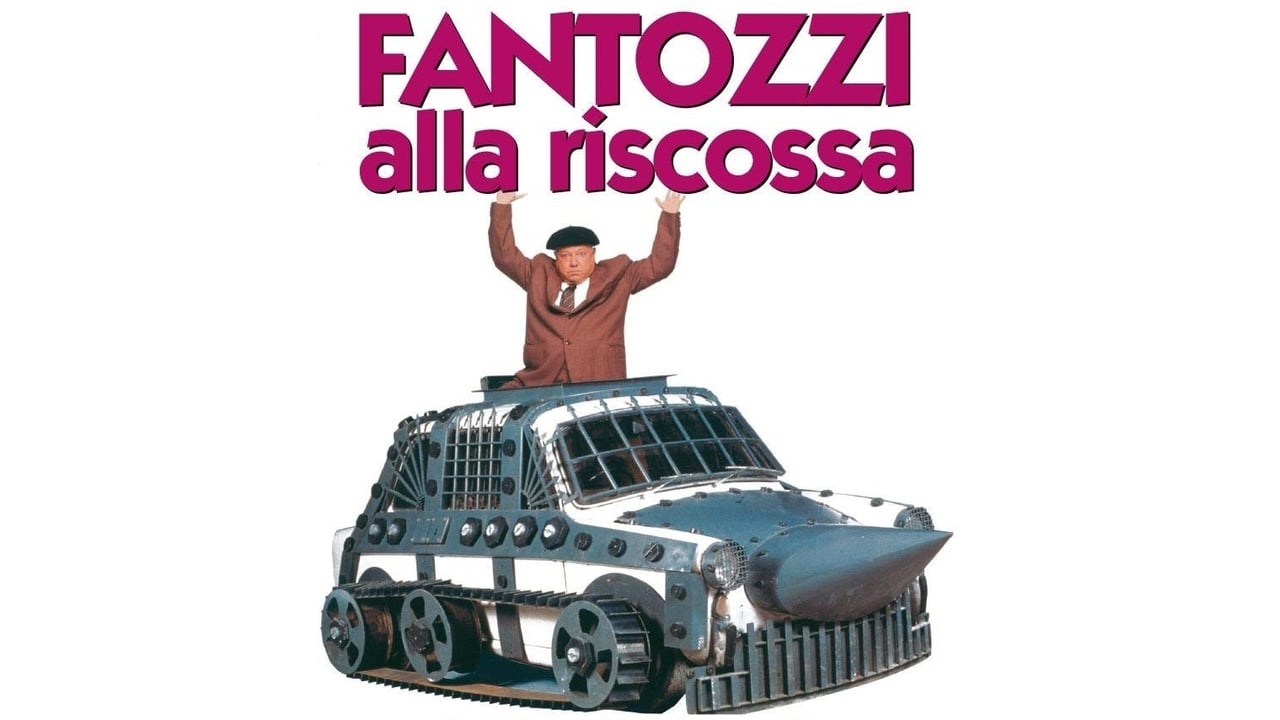
For the uninitiated, Ugo Fantozzi isn't just a character; he's practically a national institution in Italy. Conceived by the brilliant Paolo Villaggio (who also embodies him with tragicomic perfection), Fantozzi is the ultimate underdog, the perpetually C-minus employee drowning in a sea of bureaucratic incompetence, social humiliation, and spectacularly bad luck. Villaggio, drawing from his own experiences in the corporate world, created a figure so relatable in his suffering that he became a mirror for the everyday struggles of millions. Forget superheroes; Fantozzi is the anti-hero we often felt like.
The Seventh Time's the Charm... or Calamity?
Fantozzi alla riscossa marked the seventh cinematic outing for our beloved ragioniere (accountant), and while some series might be showing their age by this point, the Fantozzi formula, under the reliable direction of Neri Parenti (a maestro of Italian comedy who knew this world inside out), still had plenty of painful laughs left in the tank. Here, Fantozzi finds himself accidentally thrust into the role of a union representative – a position ripe for exploitation by his superiors and destined for disastrous outcomes. Add jury duty where he potentially holds the fate of his own dreaded "Mega-Director" in his hands, and you have the setup for classic Fantozzi farce.
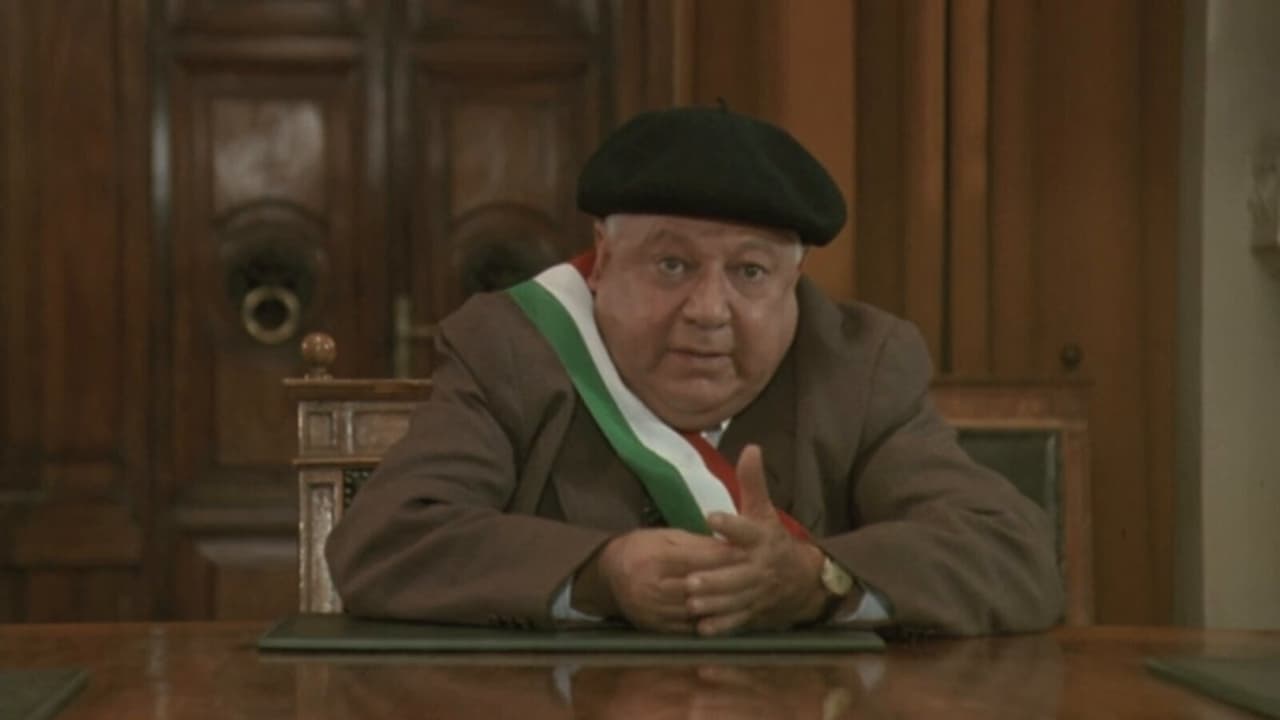
The plot, as always, is less a driving narrative and more a framework upon which to hang a series of increasingly absurd and physically punishing comedic set pieces. Remember the sheer sound design of these films? The way every slap, fall, or collision was amplified into a Wile E. Coyote-esque symphony of disaster? That’s the Fantozzi sonic signature, and it’s on full display here. It wasn't CGI finesse; it was expertly timed physical comedy and Foley work designed to make you wince and chuckle simultaneously. It had a raw, almost Vaudeville energy perfectly suited to the slightly degraded look of a well-loved VHS tape.
The Unsinkable Crew
You can't talk Fantozzi without the essential supporting players. Milena Vukotic as Pina, Fantozzi’s long-suffering but devoted wife, provides the fragile heart amidst the chaos. Her quiet resignation and occasional moments of bewildered support ground Fantozzi's spiraling misfortunes. And then there's the legendary Gigi Reder as Filini, Fantozzi’s equally hapless colleague and frequent partner-in-calamity. Their shared adventures, often involving disastrous company outings or ill-fated attempts at social climbing, are pure gold. Reder and Villaggio had an inimitable chemistry forged over decades. It's worth noting Villaggio first brought Fantozzi to life in his own books before the character made the leap to screen in 1975, becoming an unexpected cinematic phenomenon.
Comedy That Bruises
The action here isn’t about car chases (though Fantozzi’s tiny Autobianchi Bianchina usually met a sorry end somewhere), but about comedic impact. Villaggio’s physical commitment is astonishing. He throws himself into situations with a kamikaze gusto – enduring electrocutions, falls, humiliations large and small, all portrayed with that iconic hangdog expression. It’s a type of comedy that feels almost dangerous by today’s standards, relying on pure performance and timing rather than digital trickery. The satire, too, remains sharp, skewering Italian workplace culture, the absurdity of bureaucracy, and the eternal quest for status, even if some specifics might feel particularly rooted in late 80s/early 90s Italy. Remember Fantozzi's hilariously mangled attempts at using the formal "Lei" and the subjunctive mood ("vadi," "facci") when addressing superiors? It was a linguistic joke that perfectly encapsulated his crushing subservience.
This wasn't a film that troubled the Academy Awards, and critical reception for the later Fantozzi entries was often mixed, seen by some as formulaic. But for audiences, especially in Italy, Fantozzi remained a beloved fixture. Finding a copy on VHS outside Italy often meant navigating the 'World Cinema' aisle, a treasure trove for the curious renter. It represented a specific flavor of comedy – broad, sometimes crude, yet underpinned by a genuine pathos.
VHS Heaven Rating: 7/10
Why a 7? Fantozzi alla riscossa isn't perhaps the absolute peak of the series (the earlier films directed by Luciano Salce arguably hold that title), and some gags might feel familiar if you've seen other entries. However, Paolo Villaggio is still magnetic as Fantozzi, the core chemistry with Vukotic and Reder remains wonderful, and Neri Parenti delivers reliably painful laughs. It delivers exactly what fans expect: glorious, unadulterated Fantozzi suffering. The film perfectly captures the specific brand of Italian slapstick satire that made the character legendary, and its slightly rough-around-the-edges production feels right at home on a fuzzy CRT screen.
Final Take: For a dose of pure, unadulterated 90s Italian comic misery, delivered with painful pratfalls and surprisingly sharp satire, Fantozzi alla riscossa is a worthy spin. It’s a potent reminder that sometimes, the most enduring heroes are the ones who fail spectacularly, get back up, and dust off their little beret for the next inevitable disaster – perfectly preserved suffering on magnetic tape.