Okay, VHS Heaven crew, let's rewind to 1997. Picture this: You’ve just popped the tape in, the tracking might be a little fuzzy, but the familiar glow of the CRT fills the room. Tonight’s feature? A comedy that managed to be both mainstream hilarious and surprisingly boundary-pushing for its time: In & Out. This wasn't your typical slapstick fare; it had wit, warmth, and one heck of a high-concept premise dropped right into idyllic small-town America.
Oscar Night Fallout
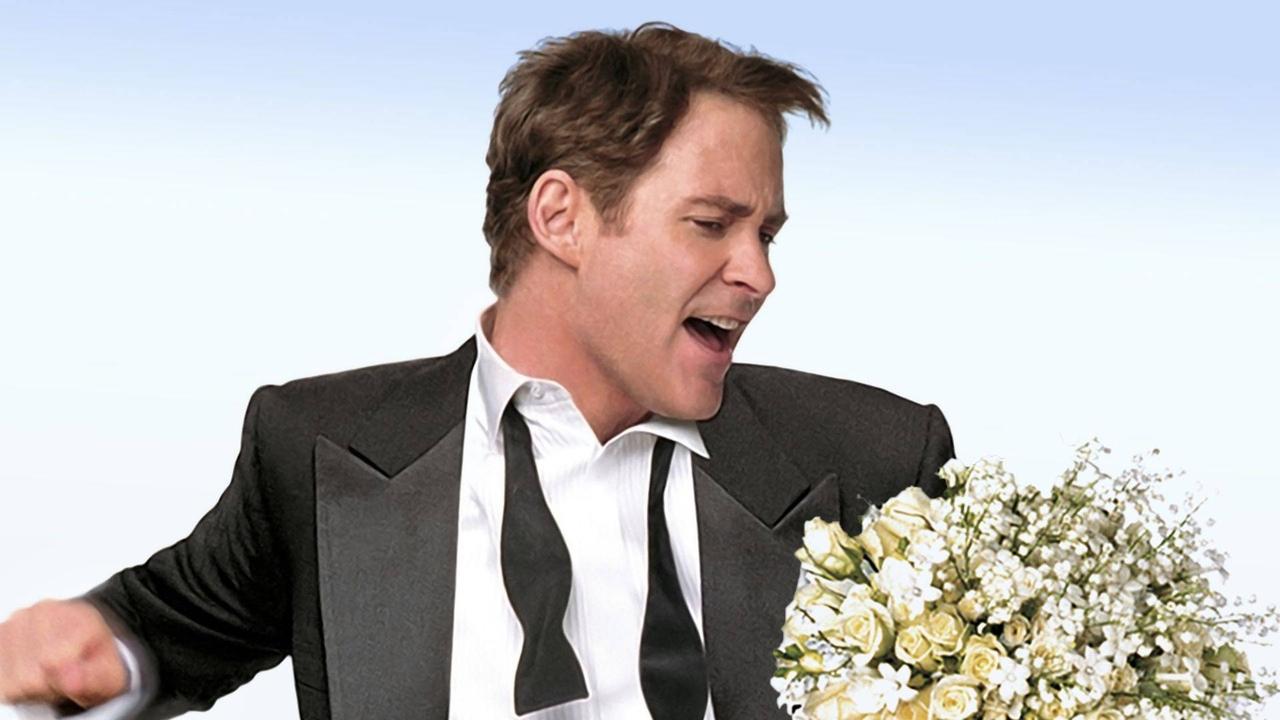
The whole thing kicks off with a bang – or rather, an acceptance speech. Cameron Drake (Matt Dillon, playing the perfect airhead movie star), wins Best Actor and, in a moment of teary gratitude, thanks his former high school English teacher, Howard Brackett... adding, "and he's gay!" The only problem? Howard (Kevin Kline, in a performance that’s pure comedic gold) is days away from marrying his long-time fiancée Emily (Joan Cusack), and nobody in Greenleaf, Indiana – least of all Howard himself – knew about this supposed orientation. What follows is a media circus descending on the town and Howard grappling with a sudden, very public identity crisis. It’s a premise so sharp, you wonder why nobody thought of it sooner. Fun fact: writer Paul Rudnick actually got the idea after Tom Hanks, accepting his Oscar for Philadelphia (1993), thanked his own high school drama teacher Rawley Farnsworth and a former classmate John Gilkerson, mentioning both were gay. Rudnick thought, what if Hanks had outed his teacher unintentionally? Instant comedy gold.
Masterclass in Comedic Performance
Let's be honest, the reason In & Out still resonates is the incredible cast firing on all cylinders. Kevin Kline is simply magnificent. His Howard Brackett is a man wound tighter than a grandfather clock spring, and watching him unravel – or perhaps, reveal – is a masterclass in physical comedy and nuanced reaction. Remember that scene with the "Macho Man" instructional tape? Kline contorts himself with such dedicated absurdity, trying to expunge any hint of non-masculine behavior, it’s impossible not to laugh while simultaneously feeling for the guy. It’s a performance that requires impeccable timing and vulnerability, and Kline delivers perfectly.
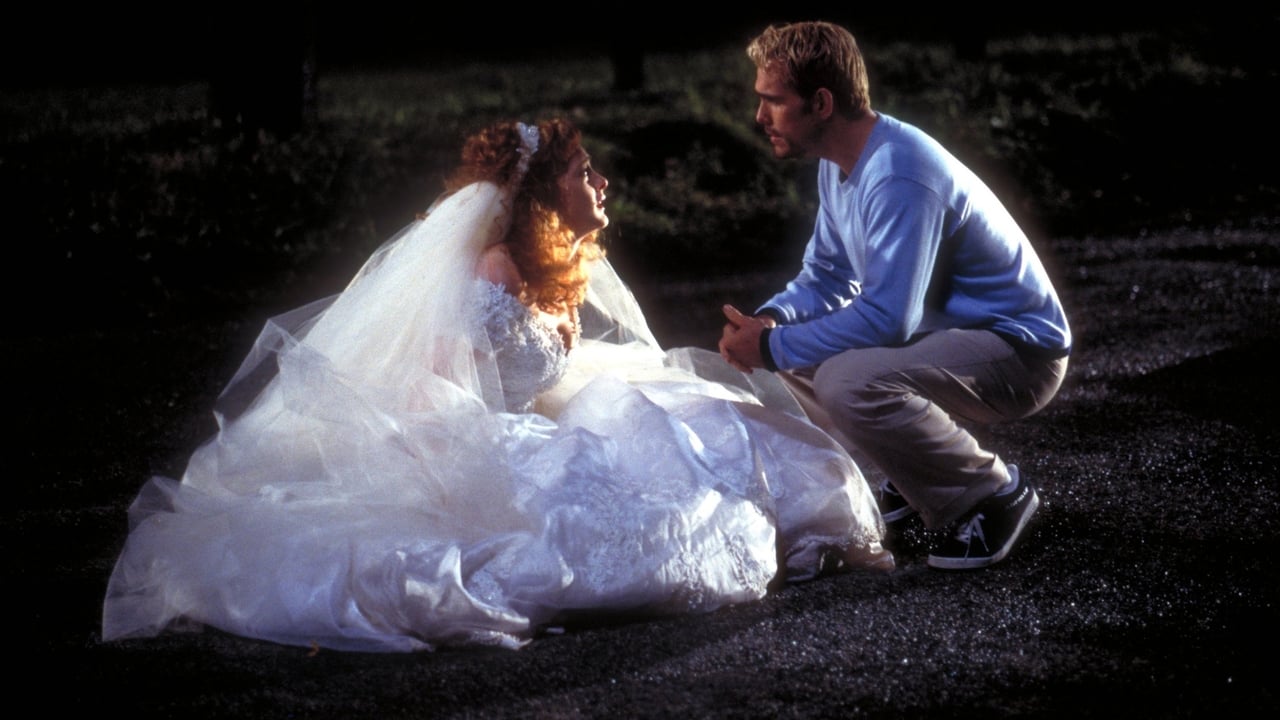
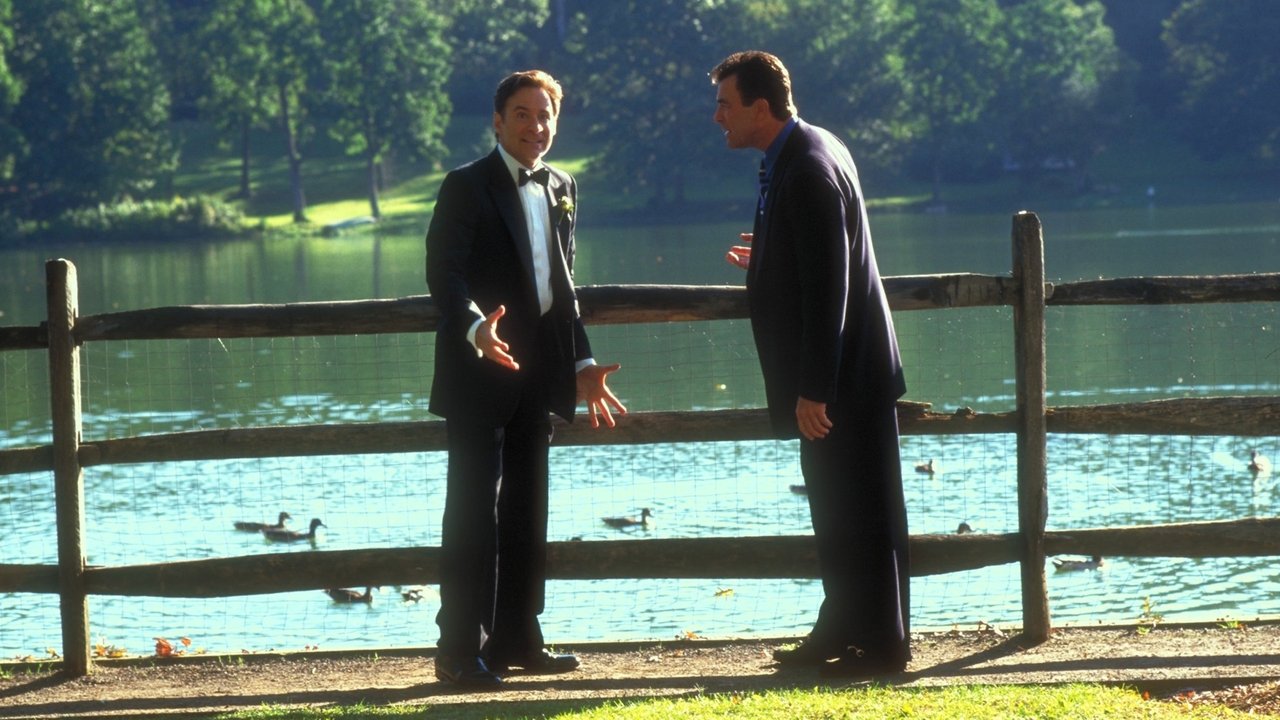
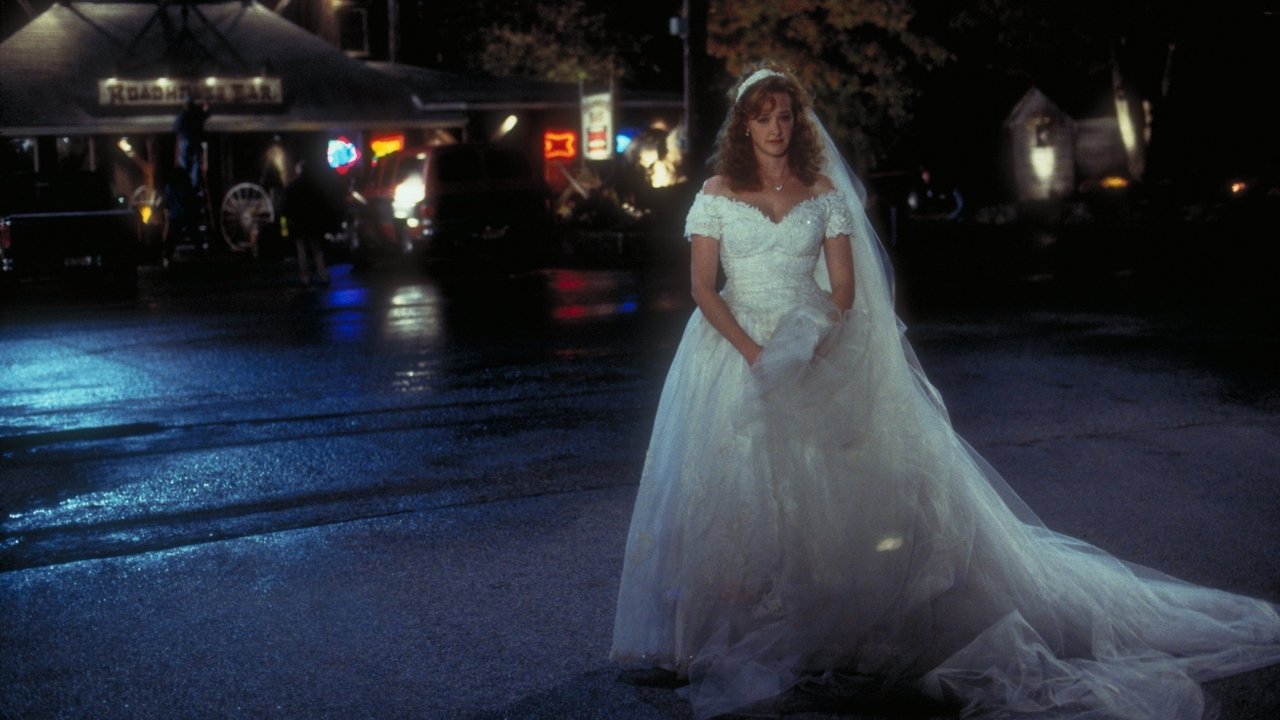
And then there's Joan Cusack. Oh, Joan. Nominated for an Oscar for Best Supporting Actress for this role, and deservedly so. Her Emily is not just the jilted fiancée; she’s a whirlwind of frantic energy, desperate hope, and ultimately, righteous fury delivered with impeccable comedic timing. Her epic meltdown at the bar ("Is everybody gay?!") is an all-timer, a moment of pure, unadulterated comedic brilliance that somehow feels both hysterically over-the-top and completely earned. It's the kind of supporting turn that elevates the entire film. We also get pitch-perfect work from Matt Dillon as the well-meaning but clueless actor who started it all, and a surprisingly effective, suave performance from Tom Selleck as Peter Malloy, the openly gay entertainment reporter who challenges Howard’s worldview.
Oz's Deft Touch
Behind the camera, we have Frank Oz, a director who knows a thing or two about bringing unique characters to life (this is the man who helped give us the Muppets, directed Little Shop of Horrors (1986), and the brilliant Dirty Rotten Scoundrels (1988)). Oz guides the film with a light but assured hand, never letting the comedy become mean-spirited. He balances the laughs with genuine heart, allowing the film to explore themes of identity, acceptance, and community without getting preachy. The script by Paul Rudnick is packed with sharp one-liners and observations about stereotypes, both gay and straight, playing with expectations in clever ways. Some of the humor might feel a bit dated now, a product of its mid-90s perspective on LGBTQ+ issues, but its fundamental message of tolerance and being true to oneself remains remarkably effective. Filmed largely in picturesque small towns across New York State doubling for Indiana, the setting itself becomes a character – the idyllic backdrop against which this very modern chaos unfolds.
Small Town, Big Heart, Big Laughs
In & Out wasn’t just critically well-received; it was a genuine box office success story. Made for around $35 million, it pulled in over $240 million worldwide – pretty impressive for a comedy centered around a premise that might have seemed risky to studio execs back then. It proved audiences were ready to laugh with a story like this, not at it. It navigated the complexities of coming out, prejudice, and self-discovery within the familiar framework of a feel-good Hollywood comedy. It found that sweet spot: accessible enough for a broad audience, smart enough to feel fresh, and featuring performances that were simply undeniable. Seeing that brightly colored VHS box on the shelf at Blockbuster promised a good time, and the film absolutely delivered.
Overall Rating: 8/10
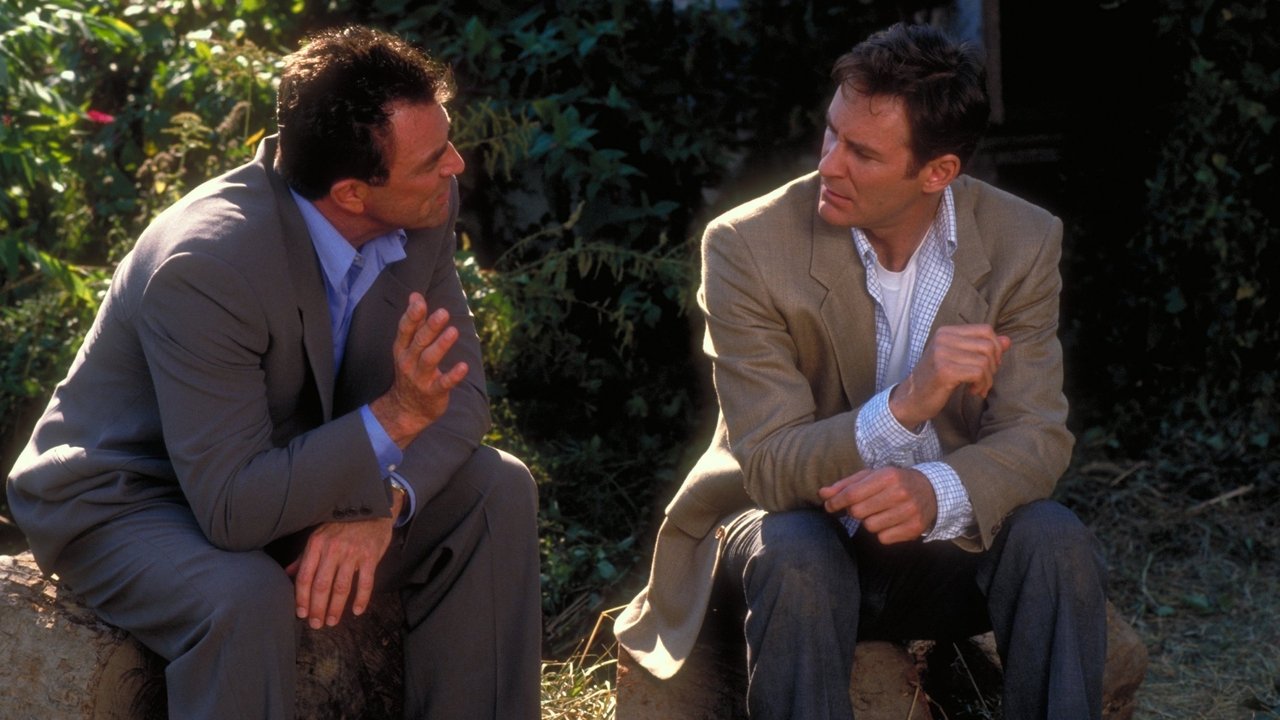
Justification: In & Out earns its high marks thanks to stellar, career-highlight performances (especially from Kline and Cusack), Rudnick's witty and intelligent script, and Oz's skillful direction that balances laugh-out-loud comedy with genuine warmth. While some elements inevitably feel rooted in the 90s, its core message and comedic brilliance largely endure. It navigated tricky subject matter for a mainstream comedy of its time with surprising grace and humor.
Final Take: A shining example of 90s studio comedy done right – smart, funny, brilliantly acted, and with more heart than you might expect. It’s a tape worth rewinding for the sheer joy of watching Kevin Kline dance (badly) to disco and Joan Cusack steal every scene she’s in.