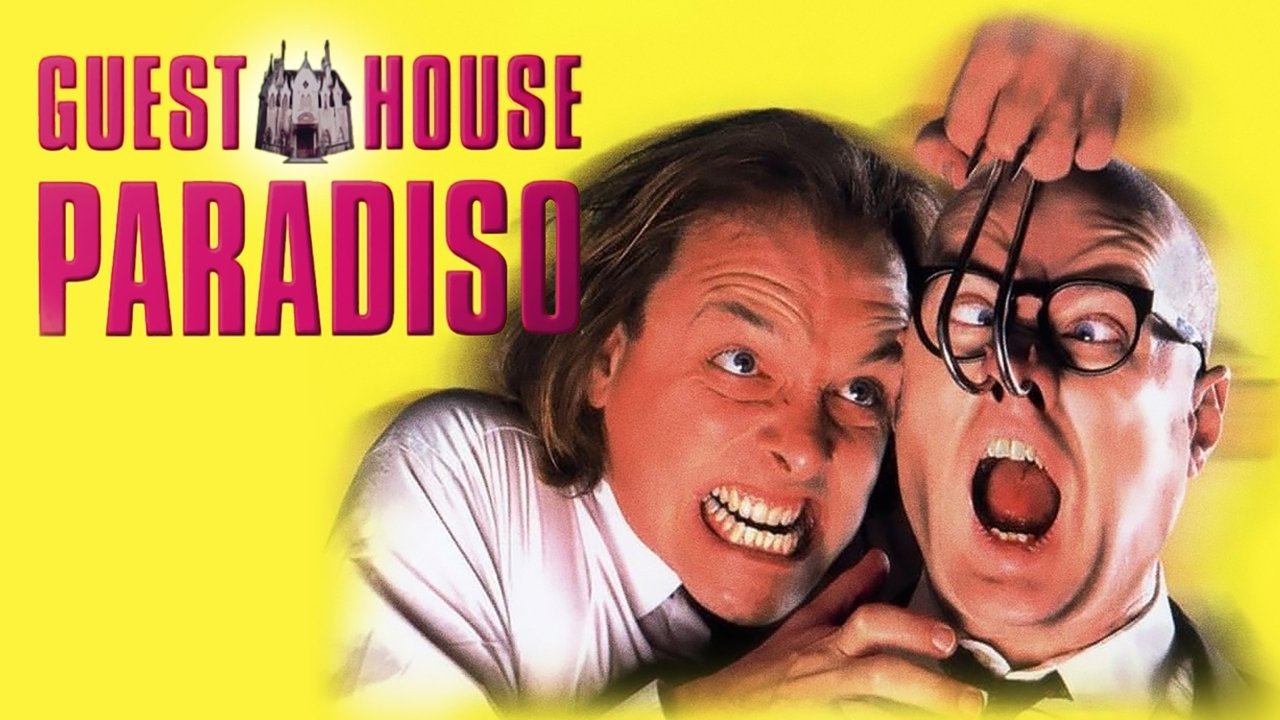
Alright, settle in, rewind that mental tape, and let's talk about a film that practically radiates the sticky miasma of stale beer, questionable stains, and pure, unadulterated chaos. I'm talking about Guest House Paradiso (1999), the cinematic outing that fans of a certain anarchic British sitcom had been craving, even if the critics were sharpening their knives before the opening credits rolled. Finding this on the shelf back in the day felt like unearthing a slightly dangerous, probably bootlegged treasure – the promise of Rik Mayall and Ade Edmondson unleashed on the big screen.
The Cheapest Hotel in Britain (And Probably the Deadliest)
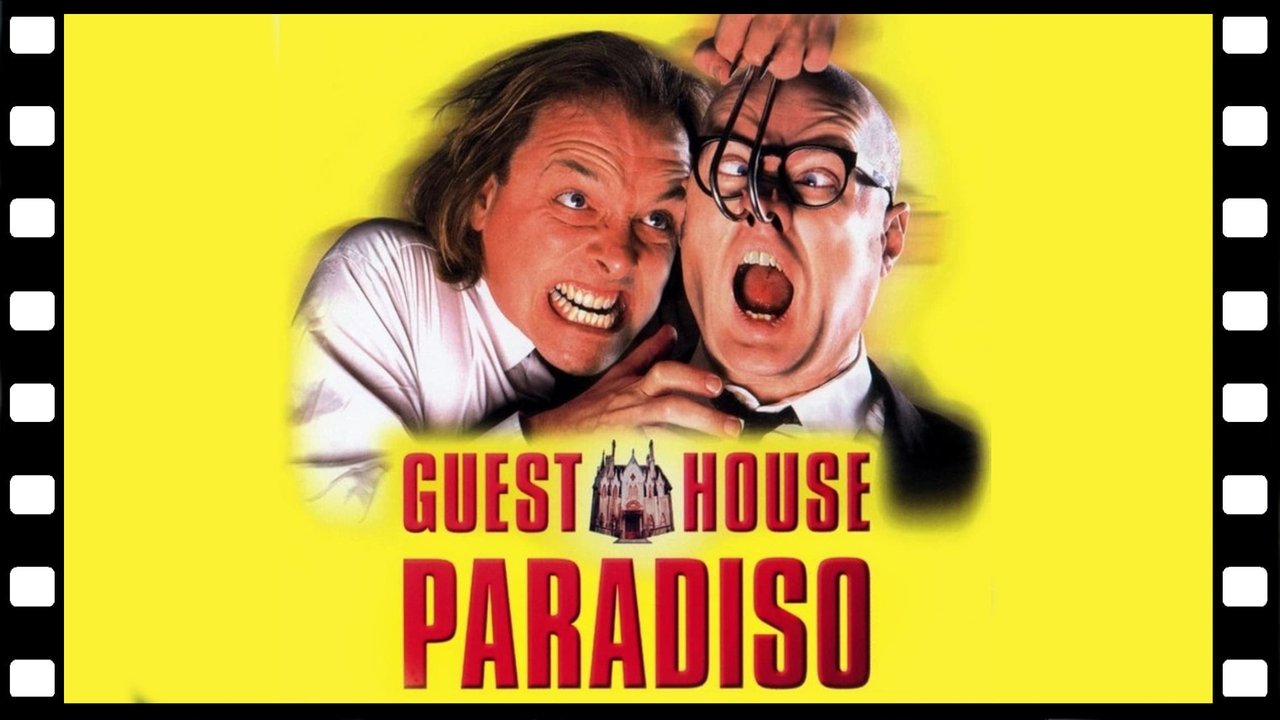
If you somehow missed the glorious, violent, and utterly puerile BBC sitcom Bottom, Guest House Paradiso serves as its unofficial, feature-length encore. Mayall stars as Richard Twat (yes, really – though often pronounced "Thwaite" with a hopeful lisp), the lecherous, conniving, utterly inept manager of the titular establishment, perched precariously beside a nuclear power plant. Edmondson, who also directed this descent into madness, reprises his role as the perpetually abused, violently unpredictable dogsbody, Eddie Elizabeth Ndingombaba (ditto). Their dynamic, honed over years of stage shows and the TV series, is the black, beating heart of this film: a whirlwind of pathetic desperation, simmering resentment, and sudden, shocking violence.
The plot, such as it is, involves the arrival of a dysfunctional Italian family, including the glamorous Gina Carbonara (Hélène Mahieu) and her suspiciously suave fiancé Gino Bolognese (a surprisingly game Vincent Cassel, looking slightly bemused to be caught in this hurricane of British filth). There's also the matter of radioactive fish causing… projectile vomiting of a truly spectacular, pre-CGI kind. Honestly, though, the plot is just a flimsy coat rack on which Mayall and Edmondson hang a relentless barrage of their signature slapstick.
Controlled Chaos, Practical Pain
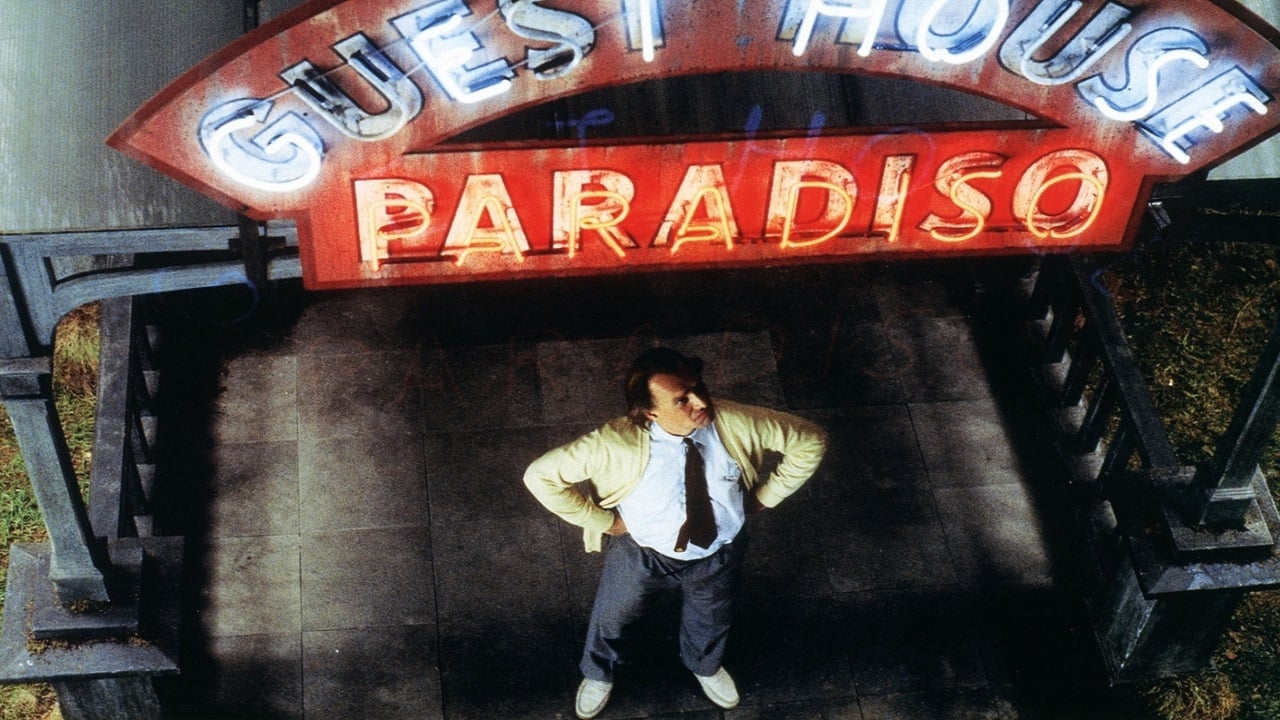
And let's talk about that slapstick. In an era already leaning towards smoother digital effects, Guest House Paradiso felt gloriously, dangerously physical. This wasn't carefully choreographed, stunt-doubled action; it was Mayall and Edmondson, masters of their destructive craft, hurling themselves (and various objects) around with alarming commitment. Remember how real those frying pan blows looked in Bottom? They’re dialed up here. The sheer velocity and impact of the physical gags feel raw, landing with a wince-inducing thud that modern, sanitised comedy often lacks. Ade Edmondson, pulling double duty as director, clearly understood that the key wasn't finesse, but impact. He lets the camera linger just long enough to capture the messy reality of it all.
It’s fascinating that this film even got made. Funded partly by FilmFour Productions, it felt like a gamble – translating such inherently grubby, small-screen anarchy into cinema. While it reportedly cost around £3 million, it didn't exactly set the box office alight (£1.4 million UK gross) and was largely savaged by critics who, perhaps understandably, found the relentless vulgarity and lack of character development beyond Richie and Eddie tiresome. But for fans? It was often exactly what they wanted. It was Bottom, but bigger, louder, and somehow, even filthier. Edmondson apparently fought hard to keep the spirit intact, pushing the boundaries of taste with gleeful abandon.
More Than Just Slaps and Farts?
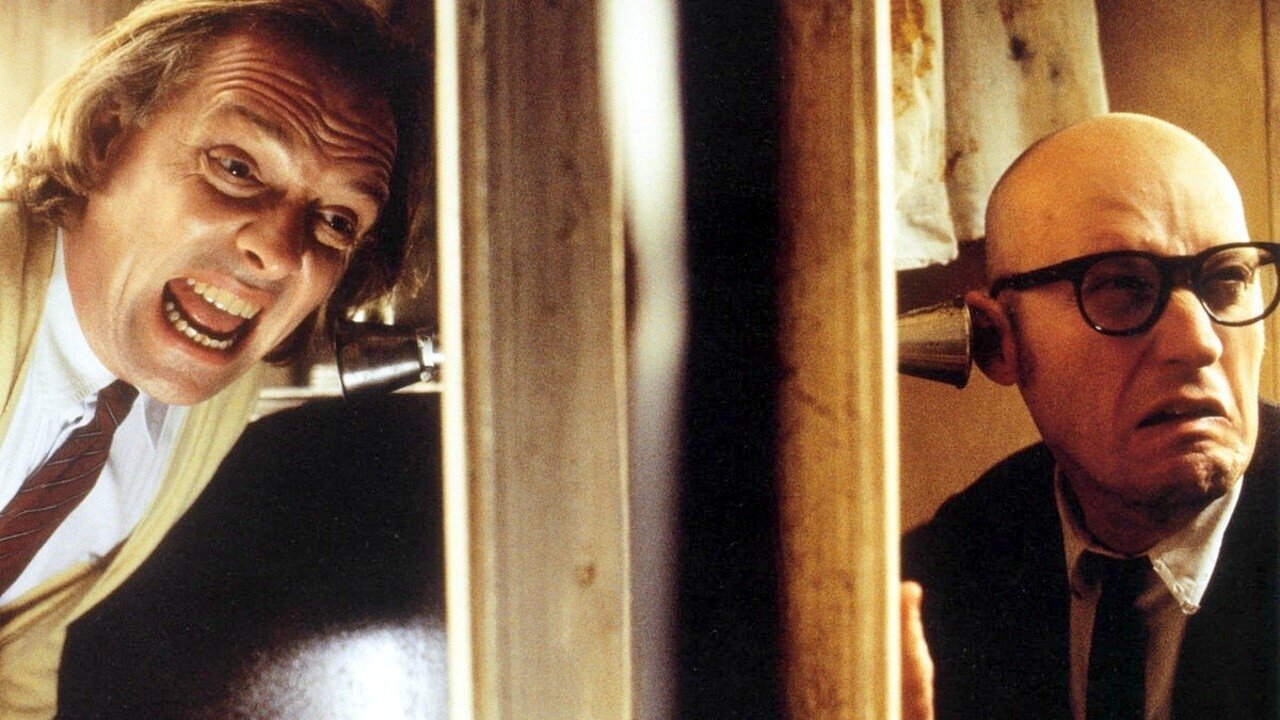
Okay, maybe not much more. This isn't subtle filmmaking. The jokes revolve around bodily fluids, inadequacy, casual cruelty, and Richie's monumentally pathetic attempts at seduction. The production design perfectly captures the essence of Britain's worst seaside B&B – peeling wallpaper, questionable stains, a general air of decay that feels entirely authentic. The supporting cast, including Bill Nighy in a small role and the wonderful Fenella Fielding as a gloriously eccentric long-term resident, do their best to keep up with the central duo's manic energy.
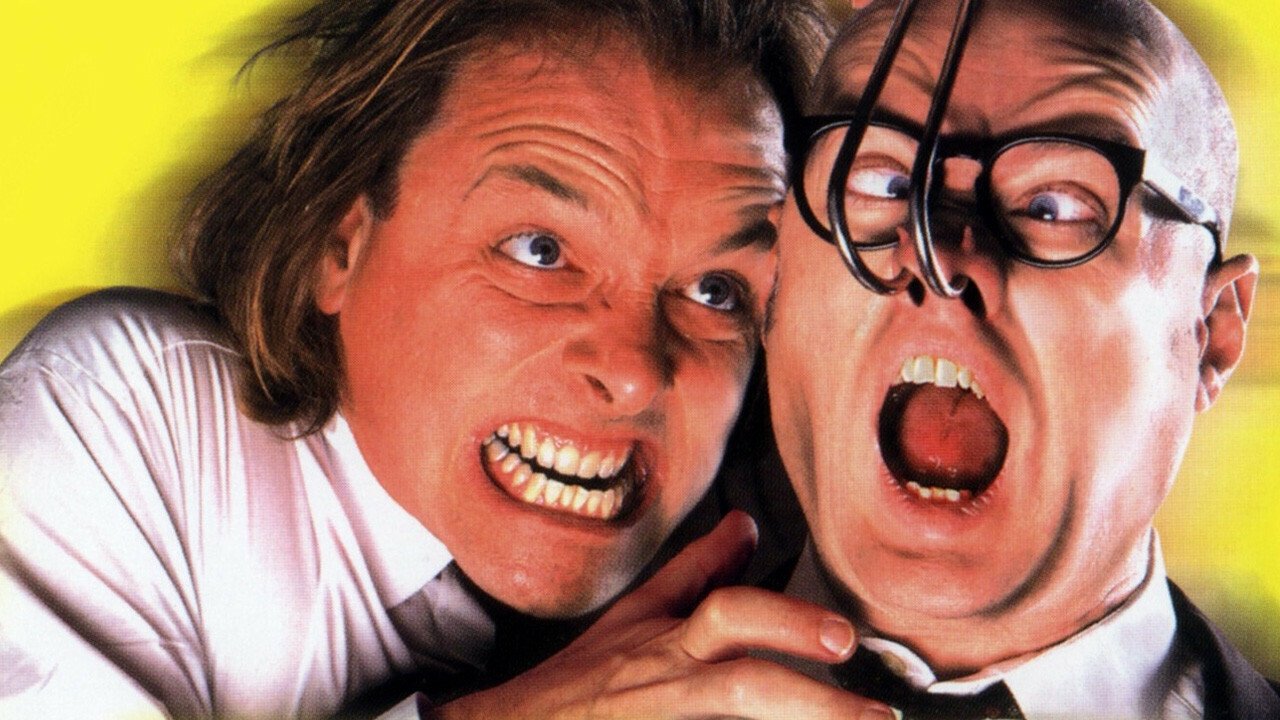
But the undeniable core is Mayall and Edmondson. Their chemistry is legendary, a perfect storm of pathetic scheming and explosive violence. They understand these characters – these grotesque, barely human losers – implicitly. Watching them interact is like witnessing a particularly nasty Punch and Judy show performed by virtuosos of pain. Mayall's facial contortions alone are worth the price of admission (or rental fee, back in the day). Edmondson, often the silent reactor, builds pressure until he inevitably explodes in a geyser of chaotic rage. It’s performance art, albeit performance art involving hitting someone with a frying pan.
The Verdict
Guest House Paradiso is not a film for the faint of heart, the easily offended, or those seeking narrative sophistication. It’s crude, it’s loud, it’s often deeply unpleasant, and its humour relies heavily on a tolerance for the grotesque. I distinctly remember renting the VHS, the slightly grainy picture somehow enhancing the grime, feeling like I was watching something illicit, something wonderfully wrong. It bombed with critics, didn't make a fortune, and arguably showed the limitations of stretching the Bottom formula to feature length without the sharp writing of the original series' co-creator, the late, great Mark Evans.
Yet… for fans of Rik Mayall and Ade Edmondson’s unique brand of comedic terrorism, it remains a strangely beloved artifact. It’s a testament to their fearless commitment to physical comedy, a final, feature-length blast of the chaos they perfected. The practical gags, the sheer unrestrained energy – it feels like something from another era, before comedy got quite so polished.
Rating: 6/10 – A score heavily weighted towards fans of the source material and those who appreciate truly committed, go-for-broke physical comedy. If you loathed Bottom, subtract at least 3 points. It achieves exactly what it sets out to do – be a big-screen Bottom episode – warts, vomit, and all.
Final Thought: In a world of slick CGI, there’s something perversely satisfying about watching two comedic masters genuinely smack each other around a grotty hotel set – pure, practical anarchy preserved on videotape. Smashing.