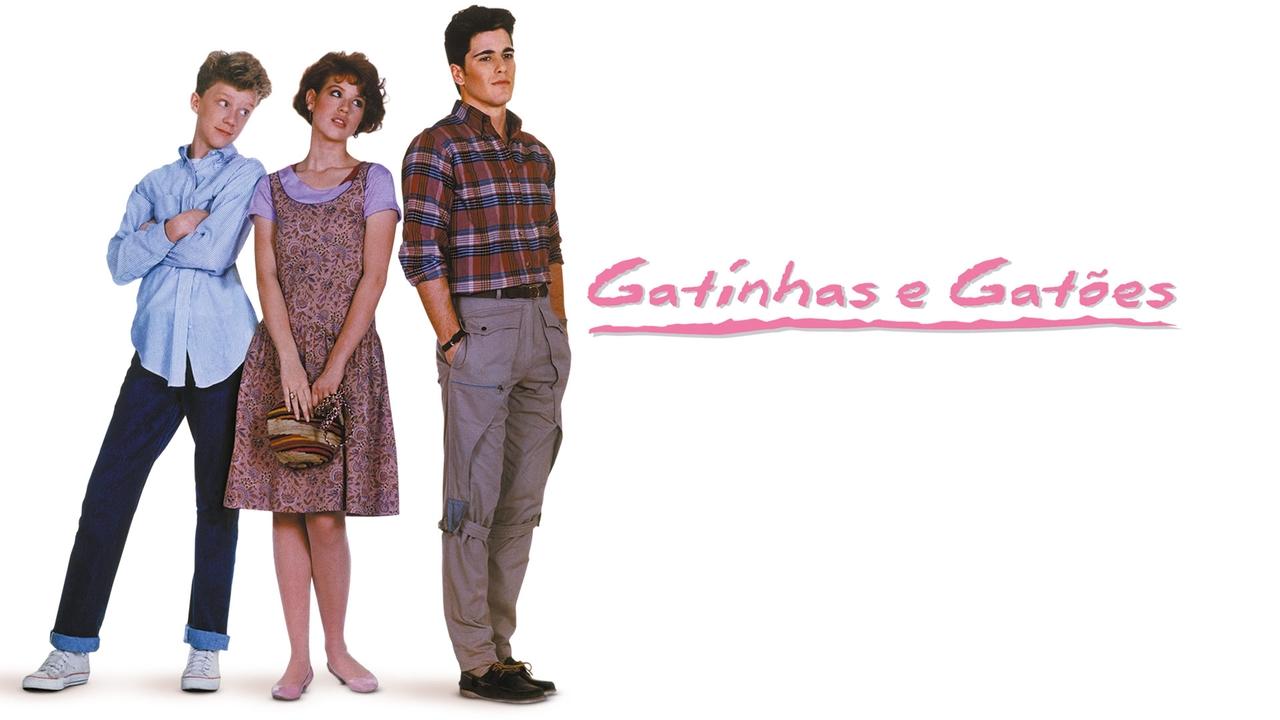
Okay, rewind that tape! Let's talk about a film that, for many of us hitting play on our VCRs in the mid-80s, felt like a revelation wrapped in hairspray and teenage angst: Sixteen Candles (1984). Few cinematic moments capture the exquisite agony of adolescent humiliation quite like Samantha Baker realizing her entire family has somehow forgotten her sixteenth birthday. It’s a premise so perfectly, painfully relatable that it instantly anchors you in her world, a world meticulously crafted by the decade’s reigning king of teen cinema, John Hughes.
### More Than Just a Birthday Wish
This wasn't just another teen movie; it felt like John Hughes had somehow tapped directly into the suburban high school hive mind. Fresh off writing hits like Mr. Mom (1983) and National Lampoon's Vacation (1983), Hughes made his directorial debut here, establishing the heartfelt, funny, and sometimes surprisingly poignant tone that would define his legacy through films like The Breakfast Club (1985) and Ferris Bueller's Day Off (1986). Sixteen Candles lays the groundwork: the social strata of high school, the yearning for acceptance, the awkwardness of burgeoning romance, and the feeling that adults just don’t get it.
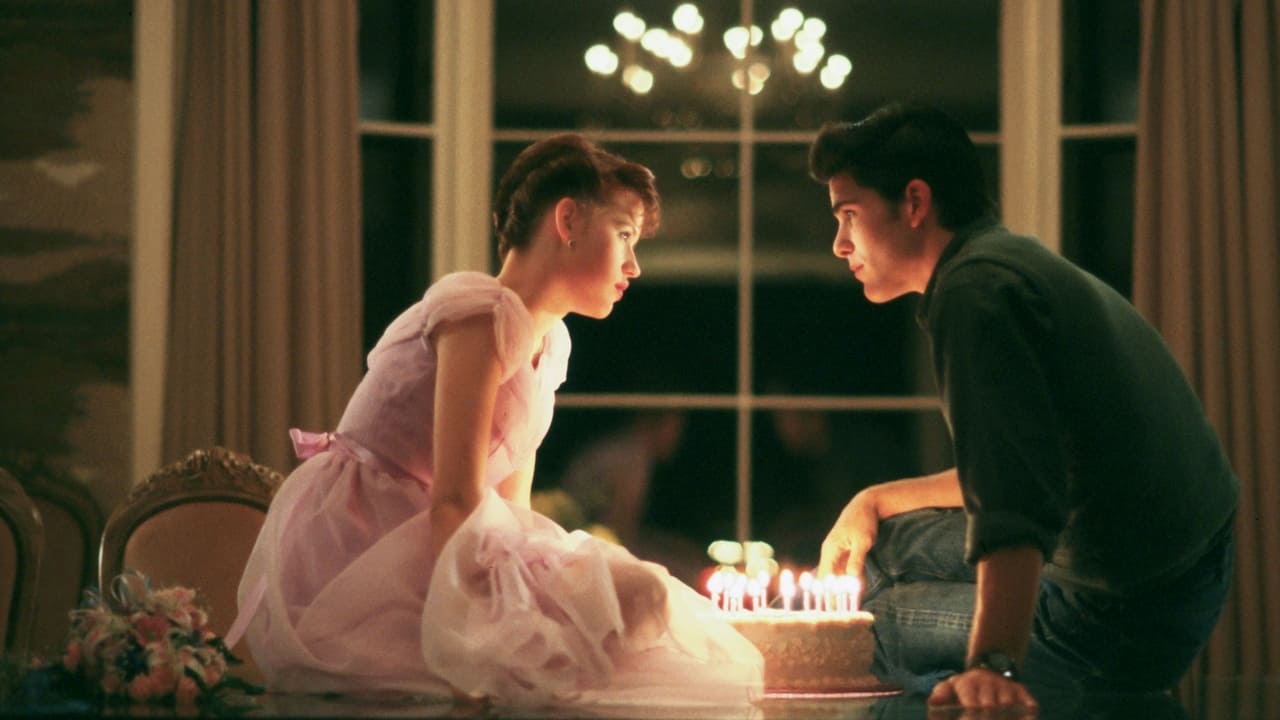
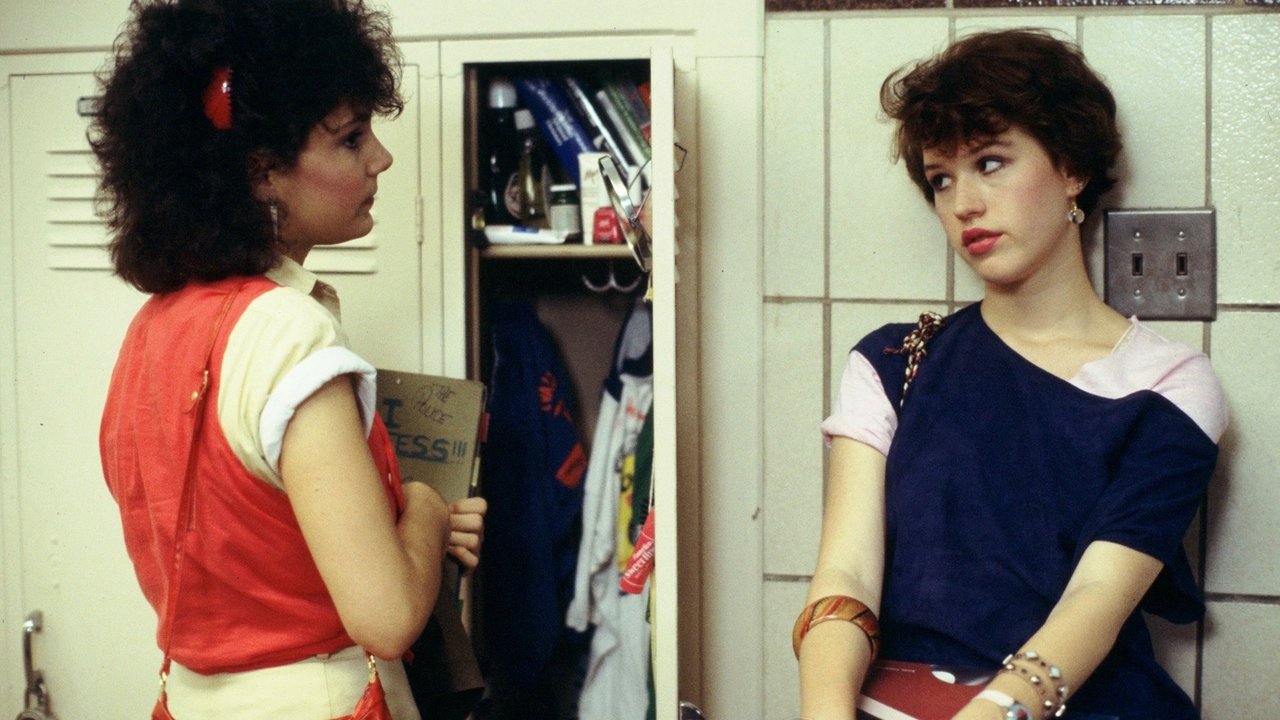
Hughes reportedly hammered out the script in a single weekend, fueled by a stack of headshots – one of which belonged to a certain Molly Ringwald. He essentially wrote the part of Sam for her, recognizing the spark that made her the perfect avatar for sympathetic teen insecurity. And Ringwald delivers perfectly; her Sam is vulnerable, witty, and prone to mortification, making her crush on the seemingly unattainable senior Jake Ryan (Michael Schoeffling) feel achingly real. I remember watching her navigate the day's disasters – the grandparents moving into her room, the disastrous school dance, the unwanted attentions of "The Geek" – and feeling every single cringe right along with her.
### Geeks, Jocks, and Dongers
Speaking of "The Geek," Anthony Michael Hall, another Hughes muse discovered during Vacation, absolutely owns the role of Farmer Ted. He’s not just a caricature; there’s a surprising confidence and hustle beneath the braces and awkwardness. His interactions with his equally nerdy friends (including John Cusack in an early role – blink and you might miss him as Bryce!) provide some of the film's biggest laughs. It's a fun piece of trivia that Hughes specifically created Ted for Hall, solidifying a partnership that would continue into The Breakfast Club.
And then there's Jake Ryan. Michael Schoeffling embodied the kind of sensitive dreamboat that felt both aspirational and, somehow, believable within Hughes' world. His quiet dissatisfaction with his popular girlfriend Caroline (Haviland Morris, pitch-perfect as the entitled prom queen) makes his burgeoning interest in Sam compelling. It’s a shame Schoeffling largely left acting behind in the early 90s to pursue furniture making – he had a quiet charisma that worked wonders here. Finding actors who could play these archetypes with sincerity was key to Hughes' success.

Of course, we have to talk about Long Duk Dong (Gedde Watanabe). Look, let's be honest: viewed through a modern lens, the character is a broad, uncomfortable ethnic stereotype fueled by gongs and broken English ("What's happenin', hot stuff?"). It’s easily the film's most dated and problematic element. Back in '84, crammed onto a couch watching a slightly fuzzy rental copy, it probably registered more as goofy slapstick. Watanabe actually auditioned for Bruce Lee roles before this and brought a physical comedy element, but there's no denying it plays differently now. It’s a stark reminder of how much comedic sensibilities (thankfully) have evolved.
### Capturing the 80s Vibe
Beyond the characters, Sixteen Candles feels like the 80s. The fashion (so much pastel!), the hair (so much volume!), the music – that soundtrack was killer, wasn't it? From The Stray Cats to Thompson Twins to The Vapors' "Turning Japanese," the songs perfectly underscore the mood, from party energy to melancholic yearning. Hughes had a real knack for using pop music to amplify emotion.
Filmed primarily in Skokie and Highland Park, Illinois – Hughes' preferred suburban backdrop – the movie has an authentic sense of place. The high school hallways, the chaotic house party (apparently inspired by a real party producer Michelle Manning attended), the late-night talks in oddly decorated bedrooms… it all felt recognizable. Even the slightly heightened reality, like Ted driving Jake's dad's Rolls Royce ("Can I borrow the car keys?"), fit the film's specific blend of wish-fulfillment and relatable angst. Remember the floppy disk confession scene? Classic 80s tech meets timeless teenage drama!
The film was made for a modest $6.5 million and became a solid hit, grossing nearly $24 million and cementing Hughes' reputation. While not universally lauded by critics initially (some found it slight), audiences connected immediately, particularly teenagers who finally saw something reflecting their own experiences, albeit through a comedic, often idealized lens. It wasn't trying for gritty realism; it was aiming for emotional truth wrapped in humor, and largely succeeding. There were even scenes cut to maintain the PG rating and tone, like a potentially darker gym class hazing sequence, showing Hughes was carefully calibrating the experience.
Rating: 8/10
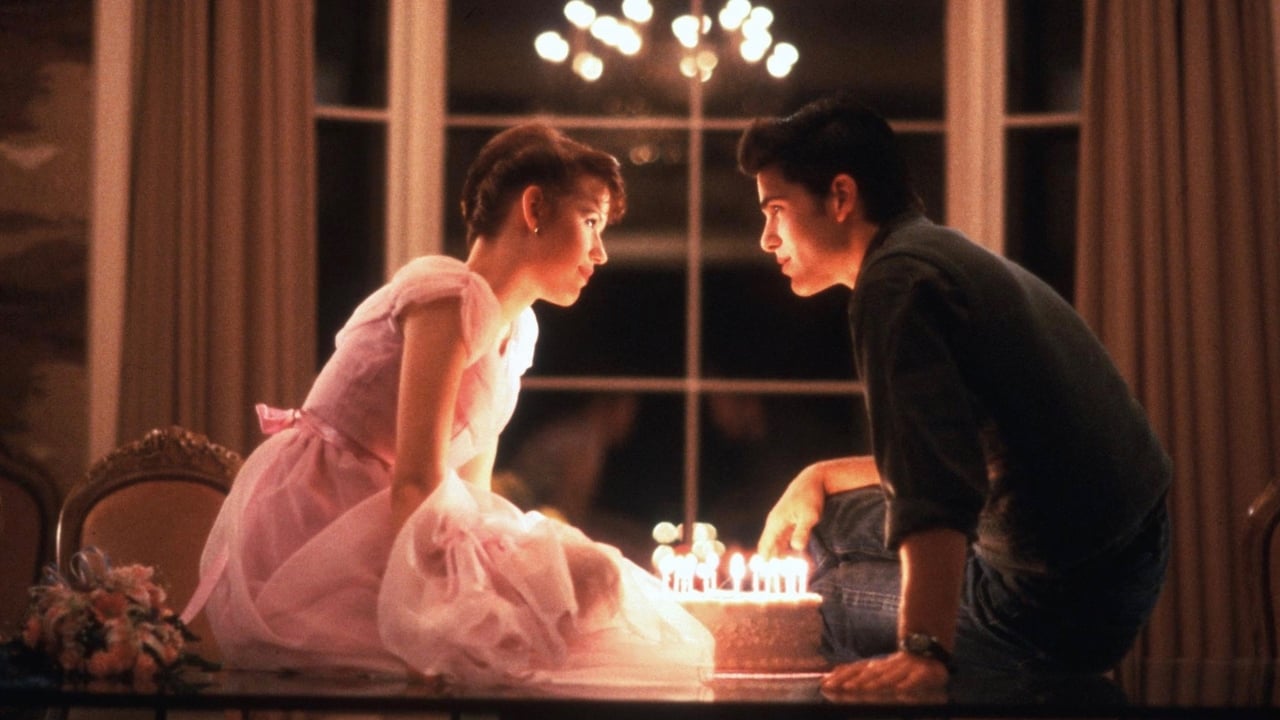
Why an 8? Sixteen Candles is undeniably a product of its time, complete with regrettable stereotypes and moments that haven't aged gracefully. However, its core charm, Molly Ringwald's luminous performance, Anthony Michael Hall's breakout role, and John Hughes' uncanny ability to tap into the anxieties and dreams of adolescence make it an enduring classic of the genre. It perfectly captured a specific moment in time and teen filmmaking, launching Hughes' directorial career and resonating with audiences for decades. The heart of the film – the desire to be seen, understood, and maybe, just maybe, end up with the person you pine for under the glow of birthday candles – remains timeless.
Final Thought: For all its 80s trappings and occasional problematic bits, Sixteen Candles is like finding a beloved mixtape in the attic – the sound might be a little worn, some tracks might make you wince, but hitting play still brings back a flood of genuine, heartfelt nostalgia. It’s a birthday wish frozen in time, flickering warmly on the CRT screen of our memories.