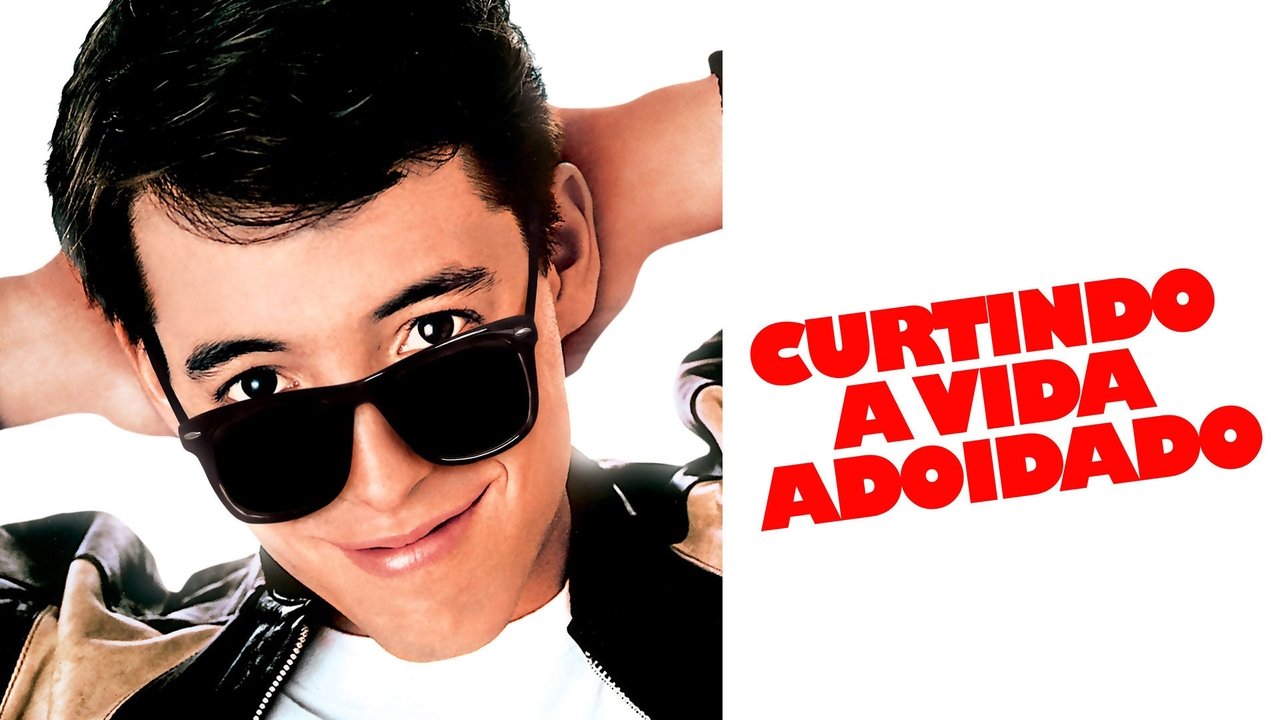
Alright, settle in, grab your preferred beverage – maybe something you used to sneak from the fridge back in the day – because we're sliding a tape into the VCR that’s practically synonymous with 80s wish fulfillment. We’re talking about John Hughes’s ode to playing hooky, the inimitable Ferris Bueller’s Day Off (1986). Forget waiting for the weekend; Ferris taught a generation that Wednesday could be epic if you just had the nerve, the charm, and maybe a miraculously understanding best friend with access to his dad’s prized sports car. This wasn't just a movie; popping this tape in felt like getting away with something yourself.
### Life Moves Pretty Fast...
The premise is deceptively simple: Ferris Bueller (Matthew Broderick, radiating effortless cool that seemed almost superhuman back then), decides that a beautiful spring day is too precious to waste in school. Faking illness with theatrical flair, he ropes in his genuinely neurotic best friend, Cameron Frye (Alan Ruck), and his lovely girlfriend, Sloane Peterson (Mia Sara), for an epic adventure through downtown Chicago. It’s a setup that John Hughes, reportedly fueled by inspiration and maybe a deadline, hammered out in under a week – a testament to how clearly he saw this world and these characters. You can almost feel that rapid energy pulsing through the film itself.
Broderick is Ferris. It's impossible to imagine anyone else pulling off that blend of smooth-talking confidence, fourth-wall-breaking charm, and genuine affection for his friends. It’s a star-making turn that defined cool for countless kids glued to their CRTs. But let’s be honest, the movie’s heart beats just as strongly within Alan Ruck’s Cameron. Playing a character perpetually on the verge of a breakdown, Ruck (who, fun fact, was actually 29 at the time!) delivers a performance layered with anxiety, repressed anger, and eventual, cathartic release. His journey is arguably the film’s emotional core. And Mia Sara brings a sophisticated warmth to Sloane, never just the "girlfriend" but an essential part of the trio's dynamic.

### A Grand Day Out in Chicago
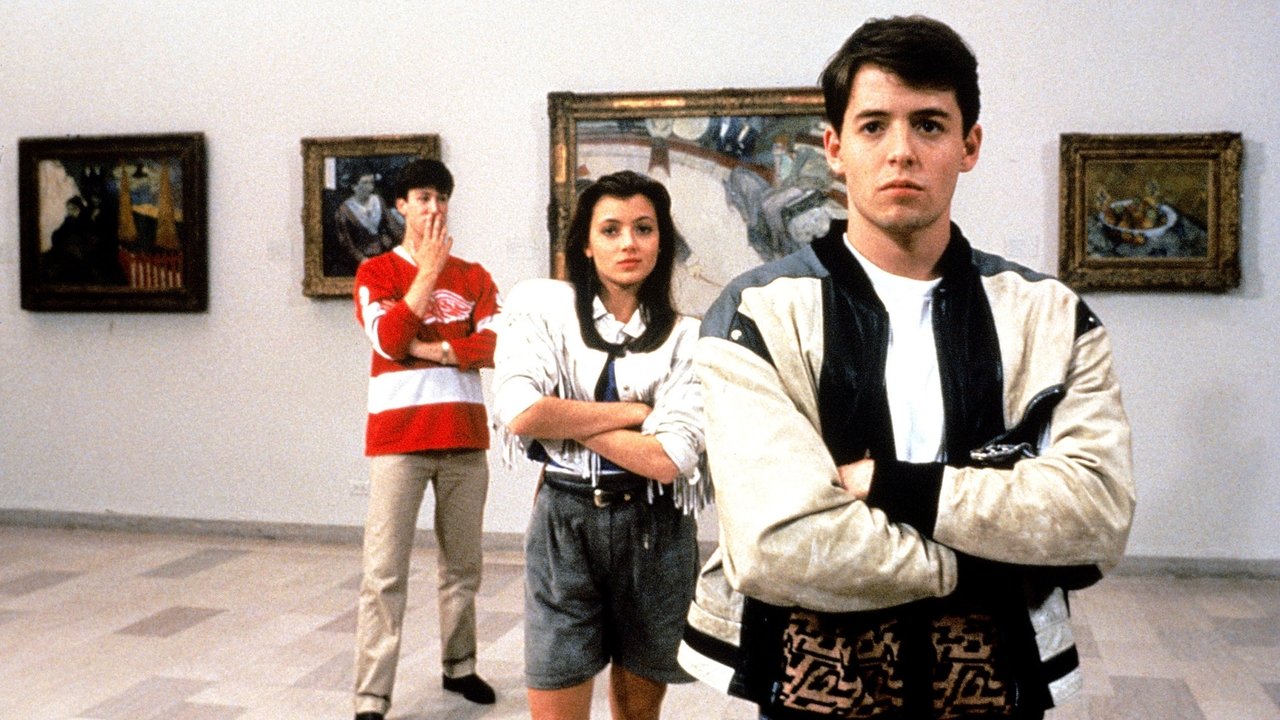
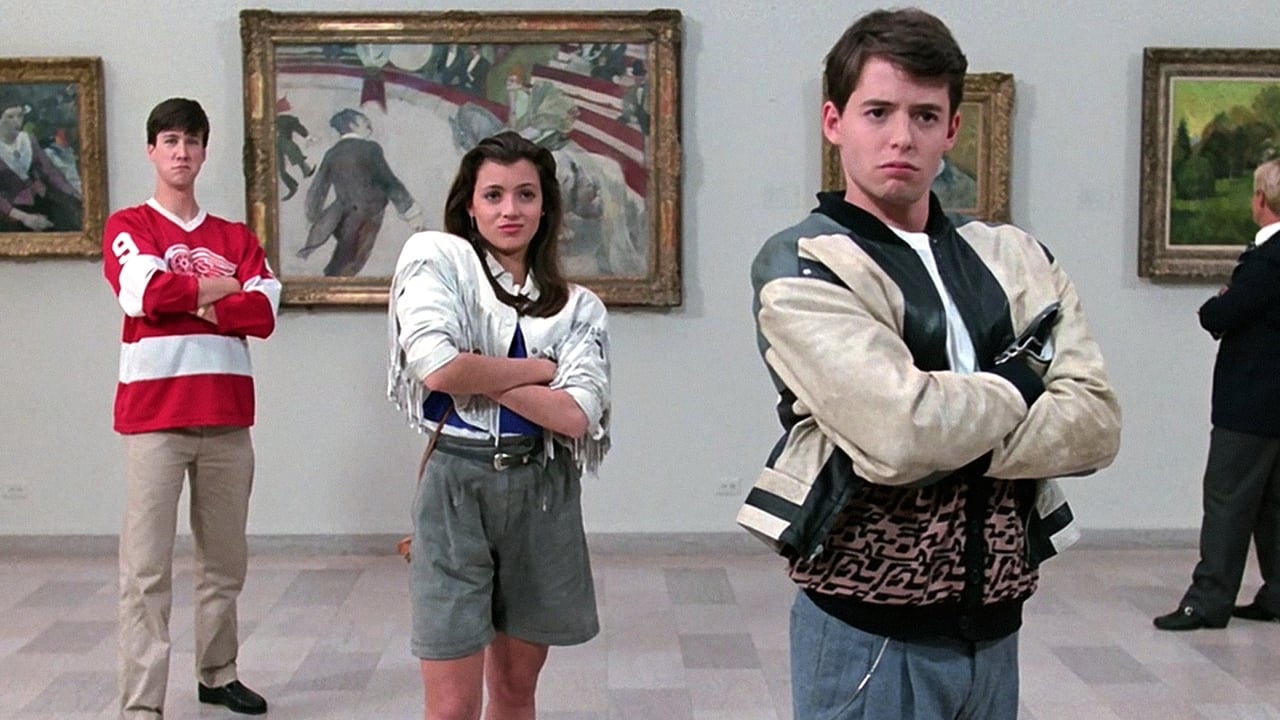
What follows is less a tightly plotted narrative and more a glorious series of vignettes celebrating freedom. Hughes uses Chicago not just as a backdrop, but as a vibrant playground. Remember the sheer joy of that sequence at the Art Institute of Chicago? Scored perfectly, it managed to feel both sophisticated and deeply personal, especially focusing on Cameron’s quiet contemplation of Seurat's pointillist masterpiece. Then there's the raucous energy of the Wrigley Field scene, capturing the simple pleasure of catching a Cubs game on a whim.
And who could forget the parade? Ferris hijacking the Von Steuben Day Parade float to lip-sync Wayne Newton's "Danke Schoen" and The Beatles' "Twist and Shout" is pure, unadulterated cinematic joy. Apparently, much of the crowd's enthusiastic reaction during the "Twist and Shout" sequence was genuine – they filmed during the actual parade, capturing spontaneous energy that CGI crowds just can't replicate. It felt real, even in its glorious absurdity.
Of course, you can't talk about their day without mentioning the car. That gleaming red 1961 Ferrari 250 GT California Spyder... well, mostly. For the driving scenes and especially that infamous, gut-wrenching reverse-into-the-ravine moment (a scene that probably made every dad watching clutch his chest), the production primarily used meticulously crafted replicas, specifically Modena GT Spyder Californias. Still, it represented the ultimate symbol of forbidden, grown-up luxury – the perfect vehicle for their illicit escape.
### The Long Arm of the Dean (and Sister)
While Ferris and friends live it up, the B-plot provides much of the film’s slapstick comedy. Principal Ed Rooney (Jeffrey Jones), convinced Bueller is pulling a fast one, embarks on a dogged, increasingly humiliating quest to catch him in the act. Jones plays Rooney with pitch-perfect officiousness and simmering rage, his encounters with mud, dogs, and unexpected karate kicks becoming legendary. Add in Ferris’s envious and suspicious sister, Jeanie (Jennifer Grey, just before Dirty Dancing), and you have a multi-pronged attack on Ferris’s perfect day. Jeanie’s journey, including her memorable police station encounter with a zen delinquent played brilliantly by Charlie Sheen (who reportedly stayed awake for two days straight to achieve the desired strung-out look), adds another layer of comedic chaos.
### More Than Just a Laugh
Beneath the witty dialogue, iconic moments, and general revelry, John Hughes masterfully weaves in themes that resonated deeply, especially for teens navigating the pressures of the 80s. Ferris’s mantra, "Life moves pretty fast. If you don't stop and look around once in a while, you could miss it," became a generational touchstone. The film champions seizing the day, but it’s also a surprisingly tender look at friendship and the importance of facing your fears, particularly through Cameron’s arc. It understood adolescent yearning better than almost any film of its time, capturing that specific feeling of being on the cusp of adulthood, wanting both freedom and connection. Hughes, who also gave us classics like The Breakfast Club (1985) and Planes, Trains and Automobiles (1987), had an unparalleled gift for making teenage experiences feel universal and important.
Watching Ferris Bueller on VHS was practically a rite of passage. I distinctly remember rewinding the parade scene over and over, the slightly fuzzy tracking lines somehow adding to the magic. The film’s bright, optimistic look felt perfect on a CRT screen, a splash of sunny rebellion against homework and chores. It grossed over $70 million on a budget under $6 million, proving audiences were absolutely ready to skip school with Ferris. Its popularity hasn't waned; it remains a beloved classic, endlessly quotable and instantly recognizable.

Rating: 9/10
This isn't just nostalgia talking; Ferris Bueller's Day Off holds up remarkably well. The pacing is sharp, the performances are iconic, and the central message about embracing life retains its power. While Rooney’s antics border on cartoonish, they’re executed with such comedic commitment that they become part of the film’s unique charm. It perfectly balances sharp wit with genuine heart, all filtered through Hughes' masterful understanding of the teenage spirit.
Final Thought: Even if the tech Ferris uses seems ancient now (that synthesizer!), the core fantasy – ditching obligation for one perfect, unforgettable day with your best friends – feels as vital and appealing as ever. Save Ferris? Nah, Ferris saves us, even decades later.