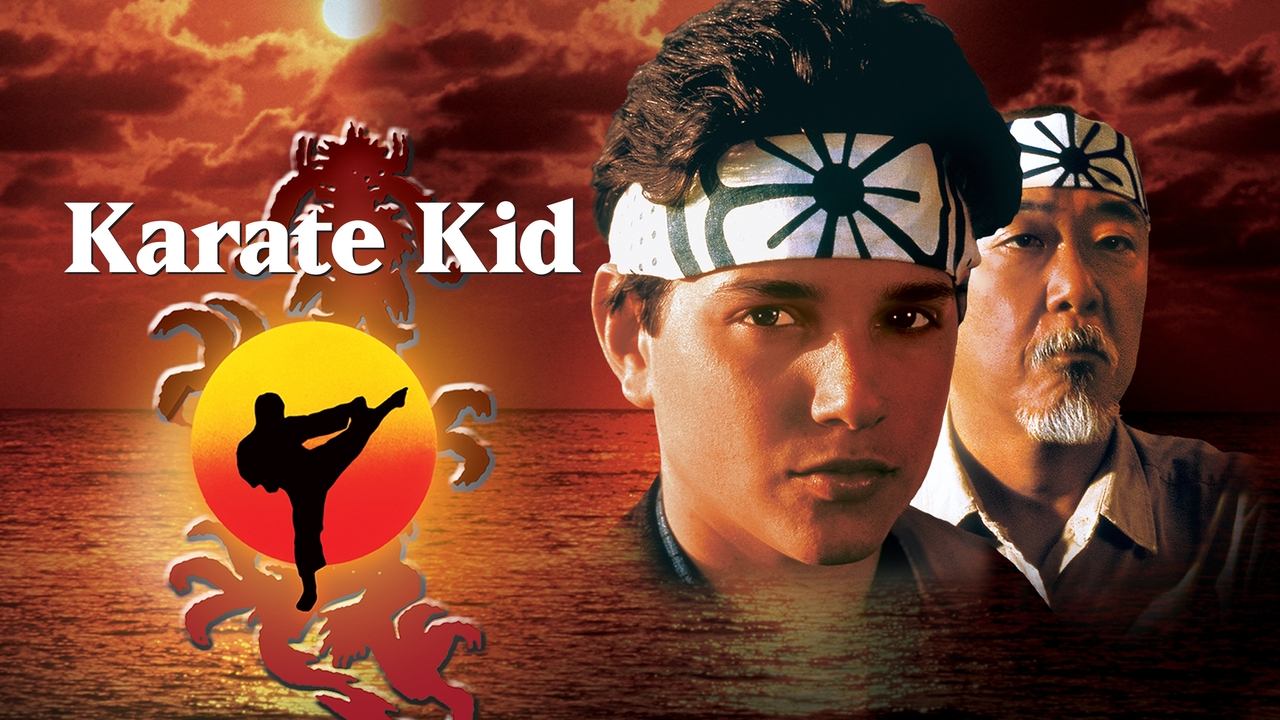
It arrives like a faded photograph, doesn't it? That image of Daniel LaRusso, the new kid from Jersey, struggling to find his footing under the California sun, facing down bullies who seem impossibly tough. But then comes Mr. Miyagi, the unassuming maintenance man with secrets deeper than his bonsai trees. 1984's The Karate Kid wasn't just another teen movie; it was a phenomenon, a story that tapped into something universal about finding inner strength, mentorship, and yes, learning how to sand the floor just so. Popping this tape into the VCR back in the day felt like unlocking a manual for navigating the perils of adolescence, all wrapped up in thrilling karate showdowns and genuine heart.
From Reseda Roots to All Valley Glory
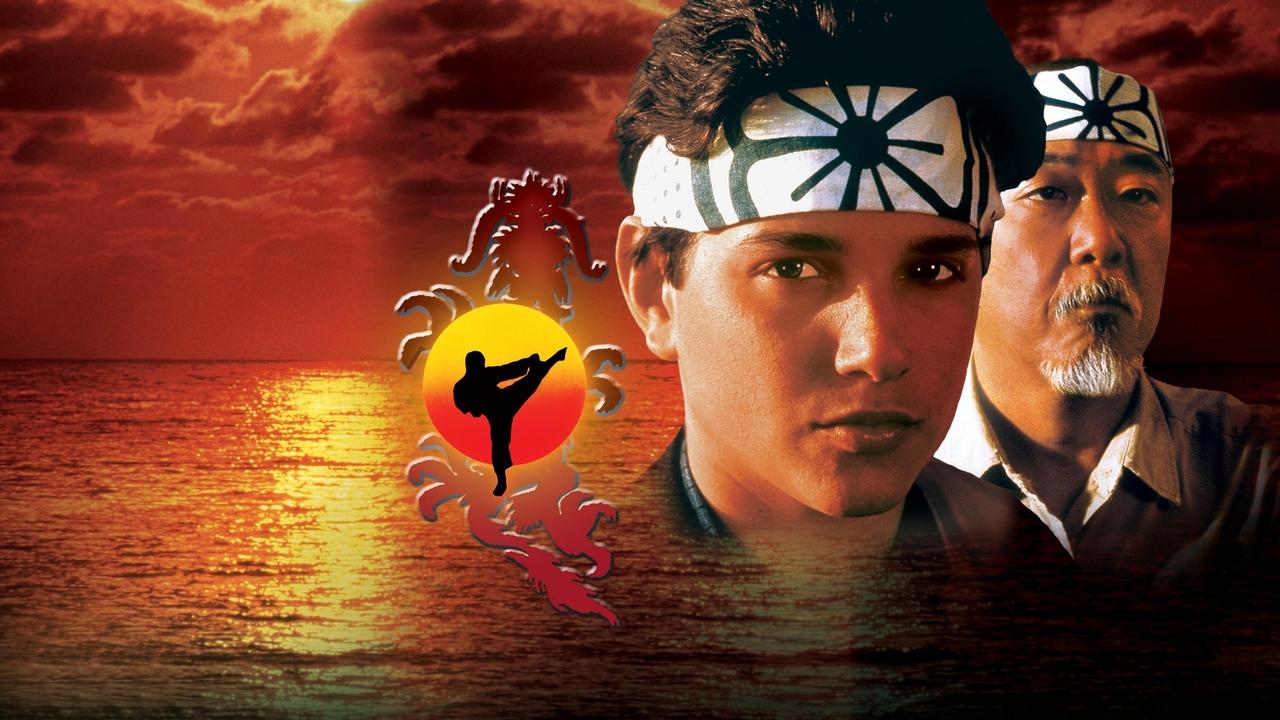
Directed by John G. Avildsen, who already knew a thing or two about crafting iconic underdog stories after giving us Rocky (1976), The Karate Kid follows Daniel (Ralph Macchio) as he moves with his mother from Newark to Reseda, California. He quickly falls for Ali Mills (Elisabeth Shue, in one of her earliest charming roles), but this puts him squarely in the sights of her aggressive ex-boyfriend, Johnny Lawrence (William Zabka), and his brutal Cobra Kai karate gang. Enter Kesuke Miyagi (Pat Morita), the Okinawan immigrant handyman at Daniel's apartment complex, who intervenes and reluctantly agrees to train Daniel, not just for self-defense, but for life.
The genius of the script, penned by Robert Mark Kamen, lies in its simplicity and relatability. Kamen actually drew inspiration from his own life; after being beaten up by bullies at 17 following the 1964 New York World's Fair, he began studying karate. The story feels authentic because, at its core, it is. It captures that awkwardness of being the outsider, the sting of young love, and the desperate need for guidance. We see Daniel’s frustration, his impatience, but also his growing determination. Macchio, though actually 22 when filming, perfectly embodied that teenage vulnerability and burgeoning confidence.
Finding Balance: More Than Just Kicks
Of course, the heart and soul of the film is the relationship between Daniel and Mr. Miyagi. Pat Morita’s performance is legendary, earning him an Academy Award nomination for Best Supporting Actor – a remarkable achievement, especially considering the initial skepticism surrounding his casting. Producers apparently first eyed the legendary Toshiro Mifune (of Seven Samurai fame) for the role, and worried that Morita, best known as Arnold from TV's Happy Days, wouldn't be taken seriously. Thankfully, they saw his potential, and Morita delivered a portrayal filled with quiet dignity, gentle humor, and profound wisdom. His Miyagi isn't just a karate master; he's a philosopher, a surrogate father, and a patient teacher whose lessons extend far beyond the dojo.
Who among us didn't quote "Wax on, wax off"? Or "Paint the fence"? Or "Sand the floor"? These weren't just chores; they were meticulously designed drills, teaching muscle memory and discipline disguised as manual labor. It was a brilliant narrative device that felt revelatory watching it unfold. Remember that moment Daniel realizes he has been learning karate all along? Pure movie magic. It spoke volumes about patience, trust, and looking beyond the surface – lessons that resonated deeply, whether you were facing bullies or just trying to figure things out.
Retro Fun Facts: The Dojo Details
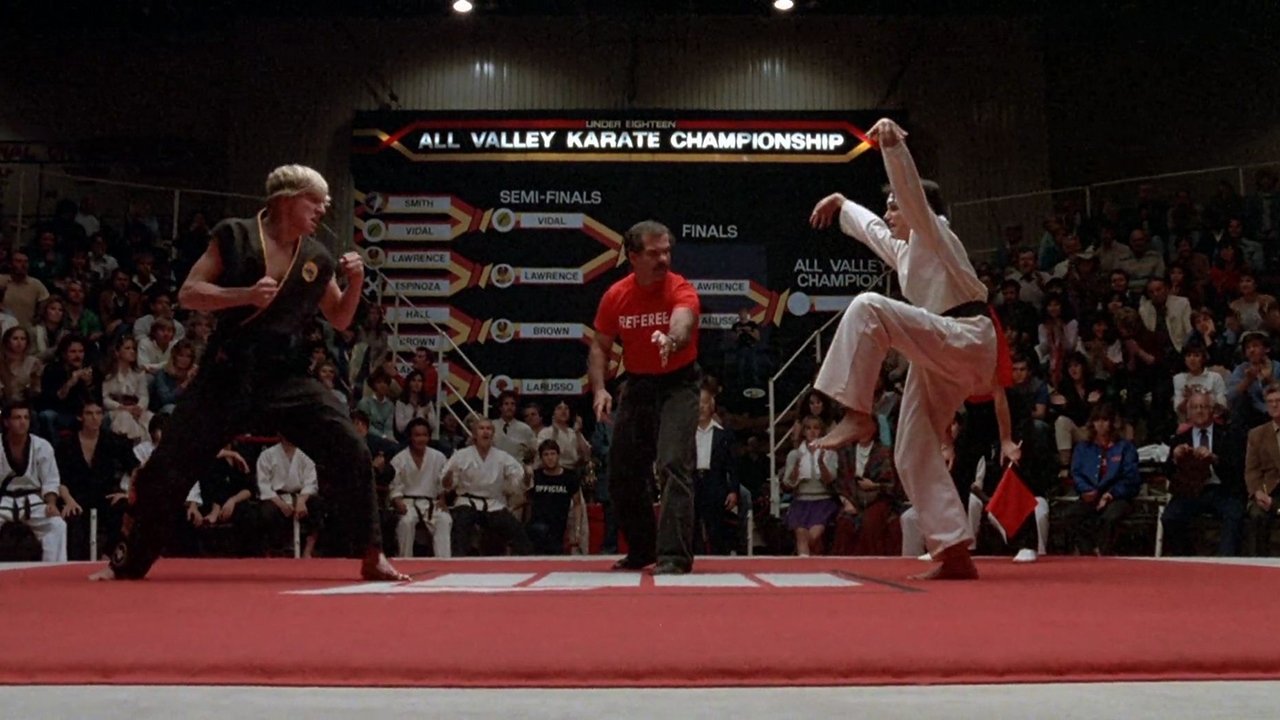
The production itself has some fascinating tidbits. The film was shot on a relatively modest budget of around $8 million but became a box office smash, pulling in over $130 million worldwide – that's roughly equivalent to earning nearly $400 million today on a $24 million budget! A huge return that cemented its status as a cultural touchstone. The memorable fight scenes, including the climactic All Valley Karate Championship, were choreographed by Pat E. Johnson, a genuine Tang Soo Do black belt who also played the head referee in the tournament. His expertise lent an authenticity to the action that elevated it beyond typical movie fights. And that unforgettable crane kick? Macchio reportedly worked hard to perfect the iconic pose, a technique Miyagi describes as being taught only to those whose spirit is strong.
The Enduring Legacy of Miyagi-Do
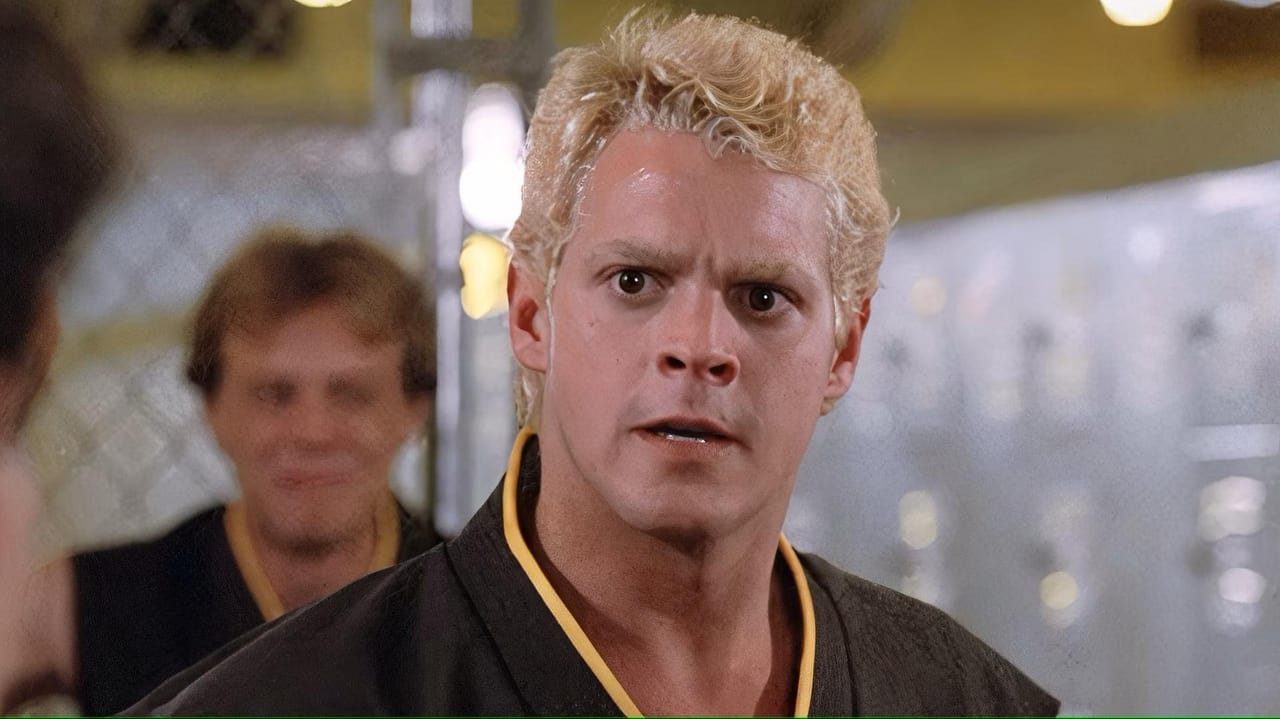
Beyond the training montages (set perfectly to Bill Conti's soaring score and iconic tracks like Joe Esposito's "You're the Best"), The Karate Kid delivered a compelling narrative about opposing philosophies. Cobra Kai's "Strike First, Strike Hard, No Mercy" creed, ruthlessly instilled by John Kreese (Martin Kove), stood in stark contrast to Miyagi's emphasis on balance, honor, and karate for defense only. This clash provided the dramatic tension that culminated in that unforgettable final match.
The film's success spawned sequels (The Karate Kid Part II (1986), The Karate Kid Part III (1989), and The Next Karate Kid (1994)), a 2010 remake, and the wildly popular streaming series Cobra Kai, which brilliantly revisits these characters decades later, proving the enduring power of the original story. The Karate Kid wasn't just a hit; it embedded itself into pop culture, influencing countless other films and inspiring generations. It captured a specific moment in time, yet its themes remain timeless.
VHS Heaven Rating: 9/10
The Karate Kid is more than just a "kick-punch" movie; it's a heartfelt story about mentorship, perseverance, and finding balance in a world that often feels off-kilter. Ralph Macchio gives Daniel-san an earnestness that makes you root for him instantly, while Pat Morita’s portrayal of Mr. Miyagi is simply iconic, a masterclass in understated performance. Sure, some elements feel distinctly 80s (the fashion! the montages!), but that's part of its charm. The core message, the emotional journey, and that triumphant final crane kick remain incredibly powerful. It earns a solid 9 for its masterful blend of heart, action, and enduring wisdom that defined a generation.
It’s one of those films that, even now, makes you feel like maybe, just maybe, you too could catch a fly with chopsticks if you just found the right teacher. Wax on, indeed.