Alright, fellow tapeheads, let’s rewind to a time when the Muscles from Brussels was rapidly ascending, the synth scores pulsed with raw energy, and revenge plots were beautifully, brutally simple. Slide that worn cassette into the VCR, maybe adjust the tracking just a hair, because tonight we’re revisiting a bona fide Cannon Group classic (distributed by them, produced elsewhere, but oh, does it have that feel): 1989’s Kickboxer.
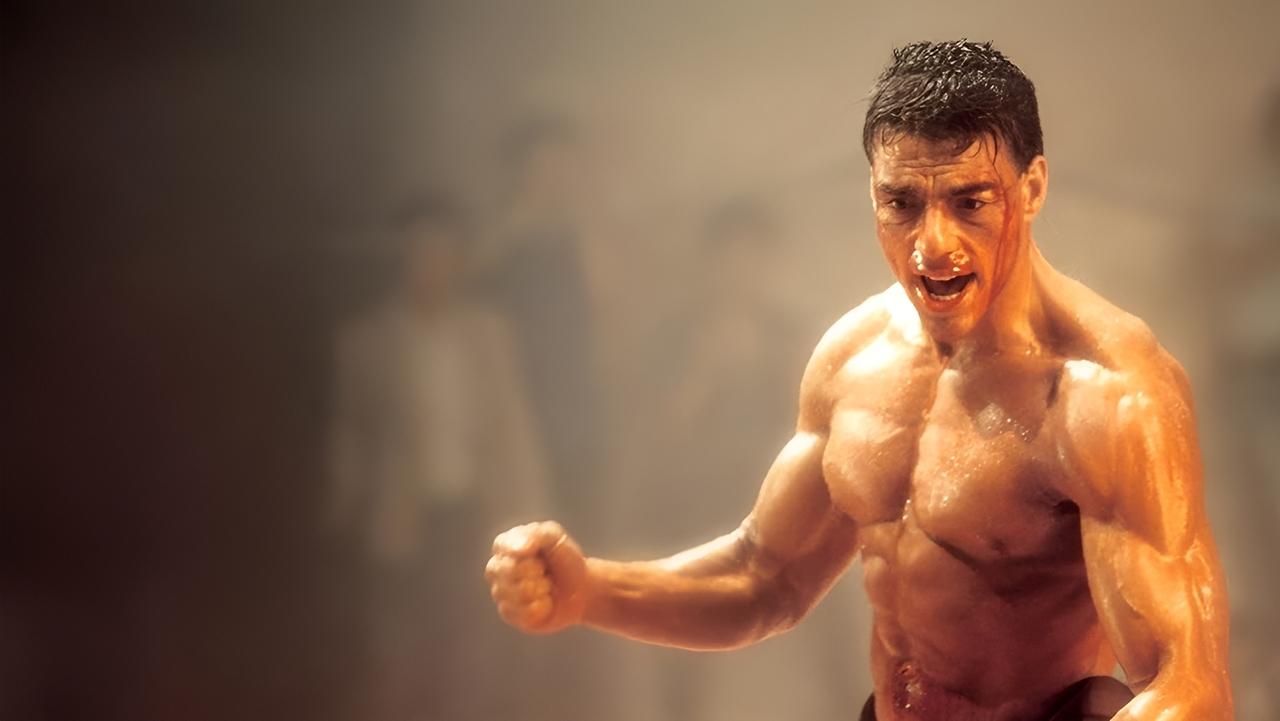
Forget intricate plotting or nuanced character studies. This film slams its premise down like a roundhouse kick to the chest: American kickboxing champ Eric Sloane (Dennis Alexio, a real-life World Light Heavyweight kickboxing champ, adding a nice touch of authenticity) gets paralyzed in the ring by the utterly terrifying and seemingly unstoppable Thai champion, Tong Po (Michel Qissi, Van Damme's childhood friend who was initially uncredited but became infamous for the role). Enter Eric’s younger brother, Kurt Sloane, played by the man himself, Jean-Claude Van Damme, who vows vengeance. It’s a setup as old as time, but executed with a particular brand of late-80s sincerity and spectacular violence that lodged it firmly in the VHS hall of fame.
### From Cornerman to Contender
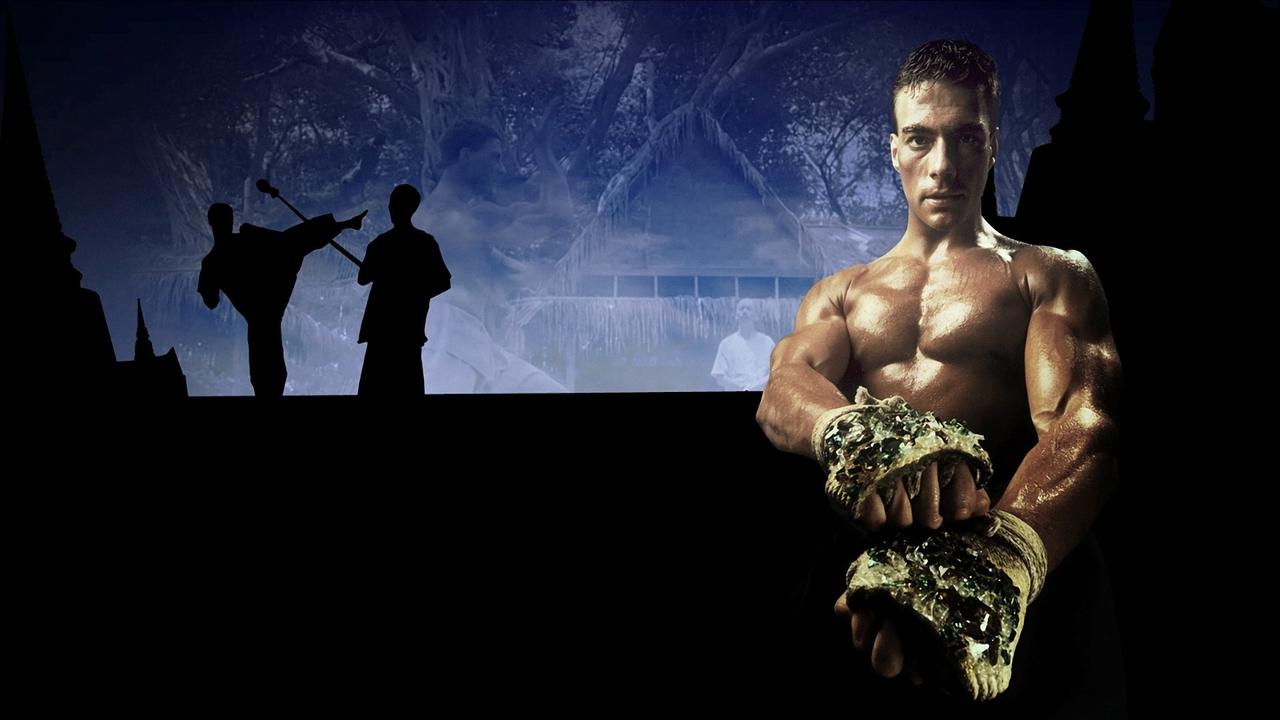
What makes Kickboxer endure isn't just the fighting, though we’ll get to that. It’s the journey. Kurt arrives in Thailand, arrogant and naive, thinking his karate background is enough. He quickly learns the brutal reality of Muay Thai, the "Art of Eight Limbs." This leads him to the reluctant, wise, and frequently drunk master, Xian Chow, played perfectly by Dennis Chan. Their training sequences are the stuff of legend. Remember Kurt kicking down that palm tree? Or enduring Xian dropping coconuts on his abs? It’s pure, unadulterated 80s training montage gold, set against the gorgeous backdrop of Thailand – a location that adds immense production value to what was, let's be honest, not a mega-budget picture. Reportedly filmed for around $1.5 million, Kickboxer became a surprise hit, grossing over $50 million worldwide, cementing JCVD's bankability after the success of Bloodsport the previous year (which Kickboxer director Mark DiSalle also produced). Van Damme even has a story credit here, contributing significantly to the plot structure alongside DiSalle and Glenn Bruce.
### Feel the Impact (Literally)
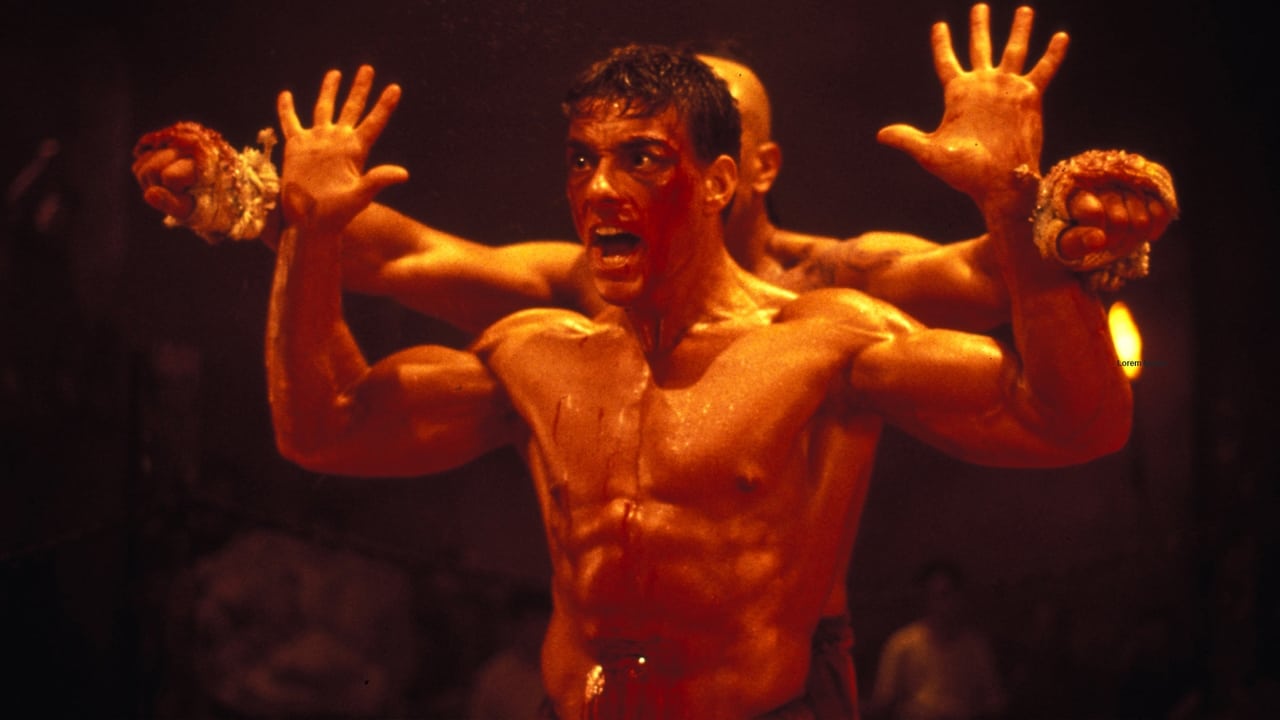
Let’s talk action. This is where Kickboxer truly shines in that glorious, pre-digital way. The fights feel physical. When Kurt gets kicked, you almost feel the wind get knocked out of you. When Tong Po lands a blow, it looks genuinely painful. This isn't the slick, wire-assisted balletics that would dominate martial arts films later. This is grounded, raw, and often quite brutal. The directors, Mark DiSalle and David Worth (who was cinematographer on Bloodsport), understood how to frame these encounters for maximum impact on a standard-def TV screen. You saw the strain, the sweat, the grimaces.
The final showdown is particularly memorable. The ancient tradition of dipping hands in resin and broken glass? Ouch. It felt dangerous because, well, it looked dangerous. Stunt performers were really taking those falls, those hits. There’s a visceral quality here that seamless CGI often smooths over today. Were the fight choreographies always the most complex? Maybe not compared to later Hong Kong masterpieces, but they had a weight and ferocity that perfectly suited Van Damme’s powerful, acrobatic style. Remember how real those leg sweeps and spinning kicks looked back then? They still pack a punch.
### More Than Just Muscles (Okay, Mostly Muscles, But Still...)
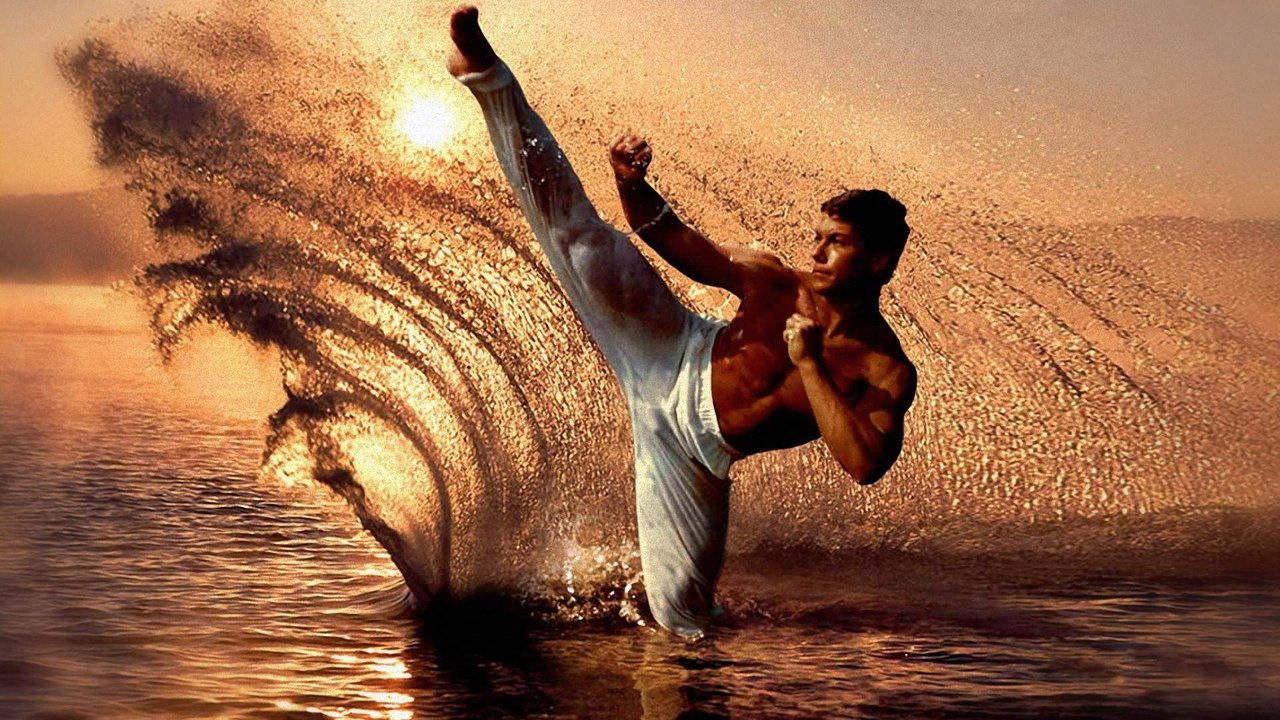
Yes, the acting can be a bit stiff in places, and the dialogue occasionally dips into glorious cheese ("You bleed like Mylee! Mylee good fuck!"). But Van Damme possesses undeniable screen presence. His physical performance is incredible, showcasing the flexibility and power that made him a star. Dennis Chan brings gravitas and humor as Xian, the mentor figure who pushes Kurt beyond his limits. And Michel Qissi as Tong Po? Pure menace. His stoic brutality and imposing physique made him an instantly iconic villain, even with minimal dialogue.
And who could forget that dance scene? Set to Beau Williams' "Feeling So Good Today," Kurt, fueled by alcohol and encouragement from Xian, busts out some truly unforgettable moves in a local bar. It’s awkward, slightly bizarre, yet utterly charming and somehow perfectly fitting for the film's earnest, slightly off-kilter tone. Rumor has it JCVD helped choreograph this himself, adding another layer to its unique legacy. It’s moments like these, nestled between brutal training and bloody fights, that give Kickboxer its peculiar charm. The synth-heavy score by Paul Hertzog (who also scored Bloodsport) is another essential ingredient, perfectly capturing the era's action movie soundscape.
### The Verdict on This VHS Warrior
Kickboxer wasn't exactly a critical darling upon release, often dismissed as another violent action flick. But audiences, particularly those browsing the aisles of the local video store, knew what they were getting: a straightforward revenge tale elevated by exotic locales, a charismatic star hitting his stride, iconic training sequences, and bone-crunching, practically-realized fight scenes. It spawned a whole franchise of sequels (of varying quality, mostly without Van Damme, though he returned for the recent reboot series), but the original holds a special place.
It’s pure, unadulterated 80s action fuel. It’s got heart, even amidst the mayhem, and a certain wide-eyed sincerity that’s hard to replicate. The plot is simple, the dialogue is functional (at best), but the execution of its core elements – training and fighting – is immensely satisfying.
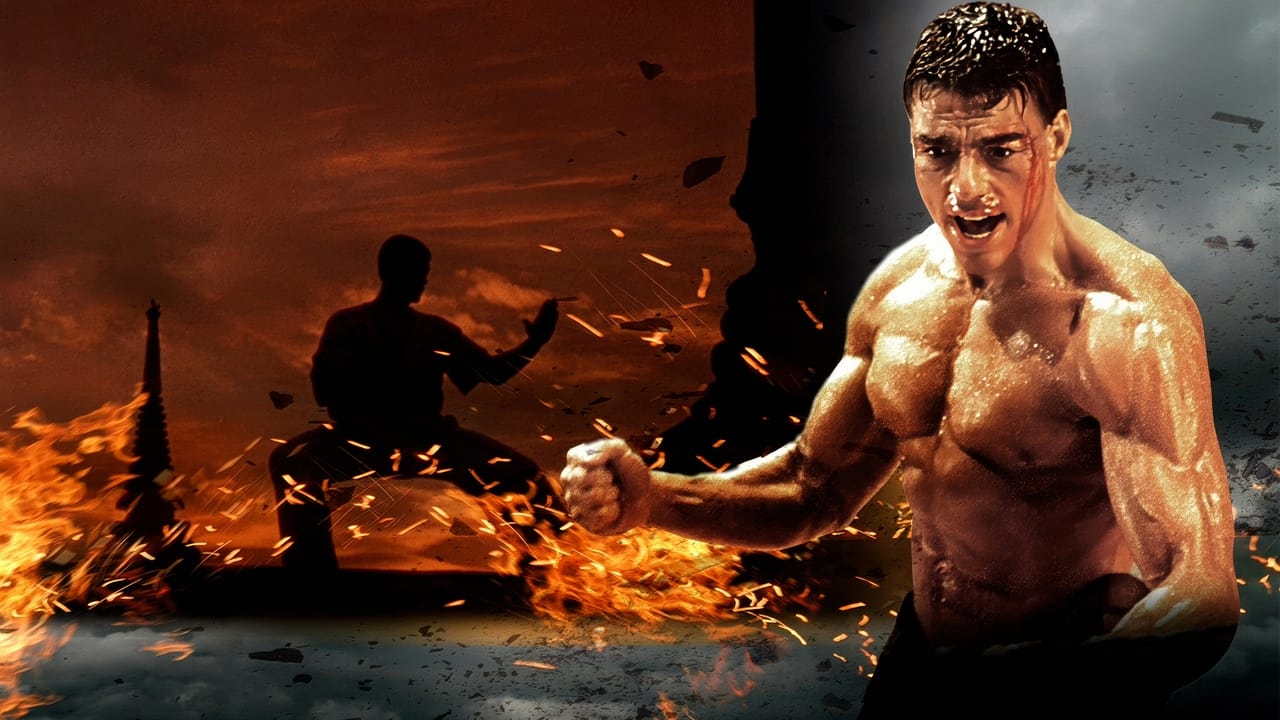
Rating: 7.5 / 10
Justification: While hampered by some cheesy dialogue and a predictable plot, Kickboxer delivers outstanding physical performances (especially from Van Damme), truly iconic training montages, brutal and impactful practical fight choreography, and an unforgettable villain. Its earnestness, exotic setting, and killer synth score make it a high-water mark for 80s martial arts B-movies and a foundational text in the Van Damme canon. It perfectly captures the raw energy we craved on VHS.
Final Thought: Forget sleek CGI – Kickboxer reminds you what action felt like when you could almost smell the sweat and resin coming off the tape. A must-rewatch for anyone who remembers when vengeance was best served with a side of high kicks and palm tree destruction.