Alright fellow tape-heads, let's rewind to a time when movie concepts could be… well, let's just say bold. Pop the cassette in, ignore the slightly fuzzy tracking lines for a second, and let’s talk about a film that landed with the subtlety of a dropped boombox: 1986’s Soul Man. This wasn't just another teen comedy lurking on the rental shelves; it had a premise so audacious, so uniquely eighties, that you just had to see what they did with it. Even back then, picking up that VHS box felt like handling something a little dangerous, didn't it?

### Harvard or Bust, By Any Means Necessary
The setup is pure Reagan-era wish-fulfillment mixed with desperation. Mark Watson (C. Thomas Howell, fresh off The Outsiders and Red Dawn) is a privileged kid whose dreams of Harvard Law School are bankrolled by his affluent, slightly eccentric dad (Leslie Nielsen, yes, that Leslie Nielsen, playing it relatively straight here!). That is, until Dad decides Mark needs to learn the value of a dollar by pulling the financial rug out from under him right before tuition is due. Scrambling, Mark discovers a full scholarship designated for a qualified African American student. His solution? Not applying for loans or getting a job, but overdosing on experimental tanning pills to darken his skin and pose as a Black applicant. It’s a concept that makes your jaw drop today, and frankly, it raised more than a few eyebrows even in '86.
### Walking in Another Man's Shoes (Sort Of)

Now, let's be upfront: the "blackface" aspect is impossible to ignore and deeply problematic by today's standards (and honestly, by thoughtful standards back then too). C. Thomas Howell reportedly spent upwards of four hours in makeup each day to achieve the look, a technical feat that served a narrative purpose we just wouldn't entertain now. Yet, the intention behind the script, penned by Carol Black (who, fascinatingly, would later co-create the much more nuanced and beloved series The Wonder Years), was supposedly satirical. The film tries to use Mark's charade to expose the casual and overt racism he suddenly faces, from microaggressions to outright hostility. Does it succeed? Well, it’s clumsy. The film often pivots to broad comedy, leaning on Mark's fish-out-of-water awkwardness and the reactions of his goofy best friend Gordon (Arye Gross, reliably funny). Sometimes the jokes land, tapping into that familiar 80s college comedy rhythm, but they often sit awkwardly beside the attempts at social commentary.
One of the film's saving graces is the wonderful Rae Dawn Chong as Sarah Walker, the intelligent, hardworking actual Black student whose scholarship Mark essentially stole. She becomes his love interest, tutor, and eventual moral compass. Chong brings genuine warmth and intelligence to the role, grounding the film whenever she's on screen and making Mark's inevitable crisis of conscience feel earned. Their chemistry is palpable, adding a layer of sweetness to the otherwise thorny premise.
### That 80s Sheen and Behind-the-Scenes Buzz

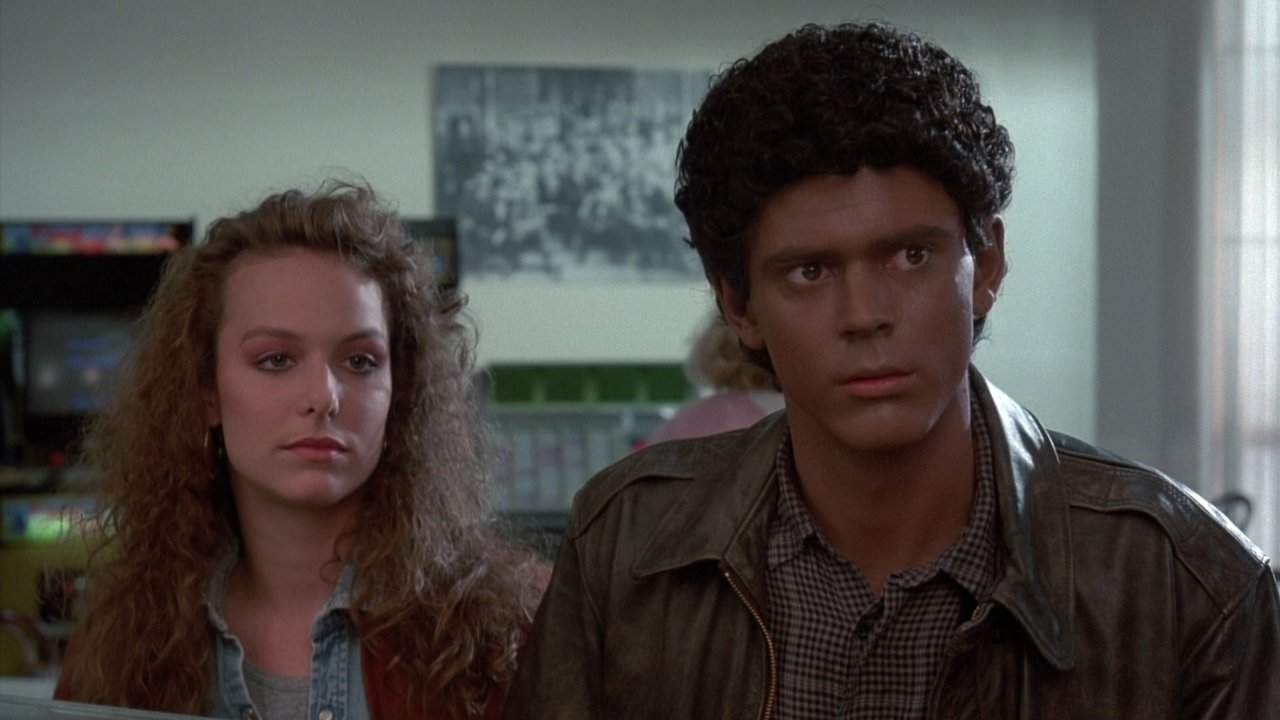
Directed by Steve Miner, a filmmaker more known for his horror chops (Friday the 13th Part 2, House, and later Halloween H20: 20 Years Later), Soul Man has that distinct mid-80s glossy look. Miner handles the comedic elements competently enough, capturing the campus atmosphere and staging some decent slapstick moments. You also get delightful supporting turns from James Earl Jones as the imposing Professor Banks and a very young Julia Louis-Dreyfus as Mark's vapid, prejudiced classmate. Remember seeing her pop up in these early roles before Seinfeld?
Despite the swirling controversy – the NAACP and other groups protested the film upon its release – Soul Man was a surprise box office hit, pulling in around $35 million on a lean $4.5 million budget. Audiences, it seems, were willing to go along for the ride, perhaps focusing more on the romance and comedy than the messy racial politics. It’s a testament to that strange 80s movie alchemy where sometimes, somehow, these risky concepts found an audience, even if critics were sharpening their knives. Rumor has it that actors like Tim Robbins and Val Kilmer were considered for Mark Watson, but C. Thomas Howell, with his boyish charm, arguably made the problematic premise slightly more palatable at the time, even if it hasn't aged gracefully. And let's not forget that theme song by Sam Moore and Lou Reed – pure 80s soundtrack gold!
### Does it Hold Up? Well...
Watching Soul Man today is a fascinating experience. It's undeniably a product of its time, a cultural artifact preserved on magnetic tape. The central conceit is jarring, and the film's handling of race often feels naive at best, cringeworthy at worst. Yet, there's an odd sincerity peeking through. It was trying, however clumsily, to say something about prejudice. Rae Dawn Chong is terrific, the supporting cast adds value, and parts of it still function as the familiar 80s college comedy it often wants to be. It sparks debate, makes you think about how far we've come (and maybe haven't), and remains strangely memorable.
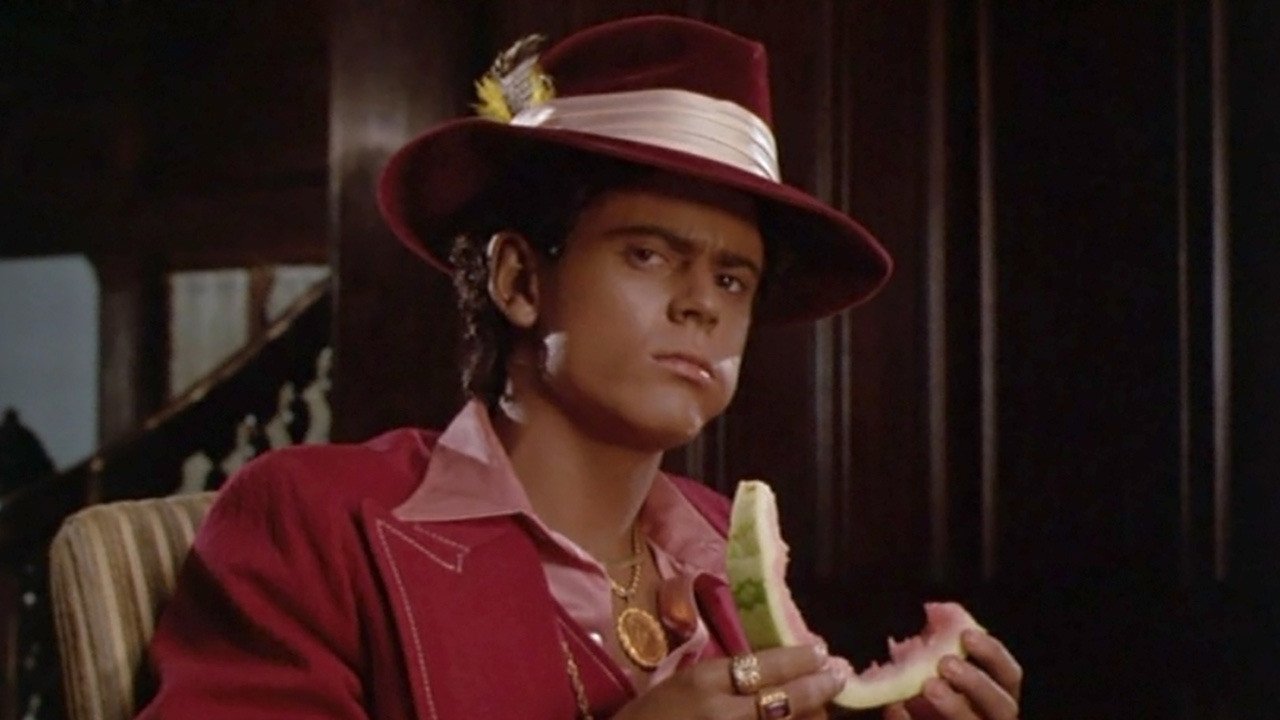
VHS Heaven Rating: 5/10
Rating Justification: The score reflects the film's undeniable entertainment value as an 80s artefact and the strength of Rae Dawn Chong's performance, balanced against its deeply flawed and uncomfortable central premise. It earns points for its supporting cast and sheer audacity, but loses significant points for its clumsy handling of sensitive themes and the problematic core concept that hasn't aged well. It's a conversation starter, but not necessarily for the reasons the filmmakers intended.
Final Thought: Soul Man is the cinematic equivalent of finding a questionable fashion choice in the back of your closet – you wouldn't wear it now, but you can't quite bring yourself to throw it away because, wow, did they really do that back then?