There's a particular kind of quiet that settles over you after watching Little Man Tate. It's not emptiness, but fullness – a contemplative silence born from witnessing something deeply, vulnerably human. Released in 1991, this wasn't the kind of film that typically dominated the shelves of my local video store, crowded as they were with exploding helicopters and wise-cracking cops. Yet, finding this gem, perhaps nestled between bigger-budget fare, felt like uncovering a secret. It speaks not with spectacle, but with the hushed intensity of a child trying to find his place in a world not quite built for him.
A Mother's Fierce Love, A Director's Sensitive Touch
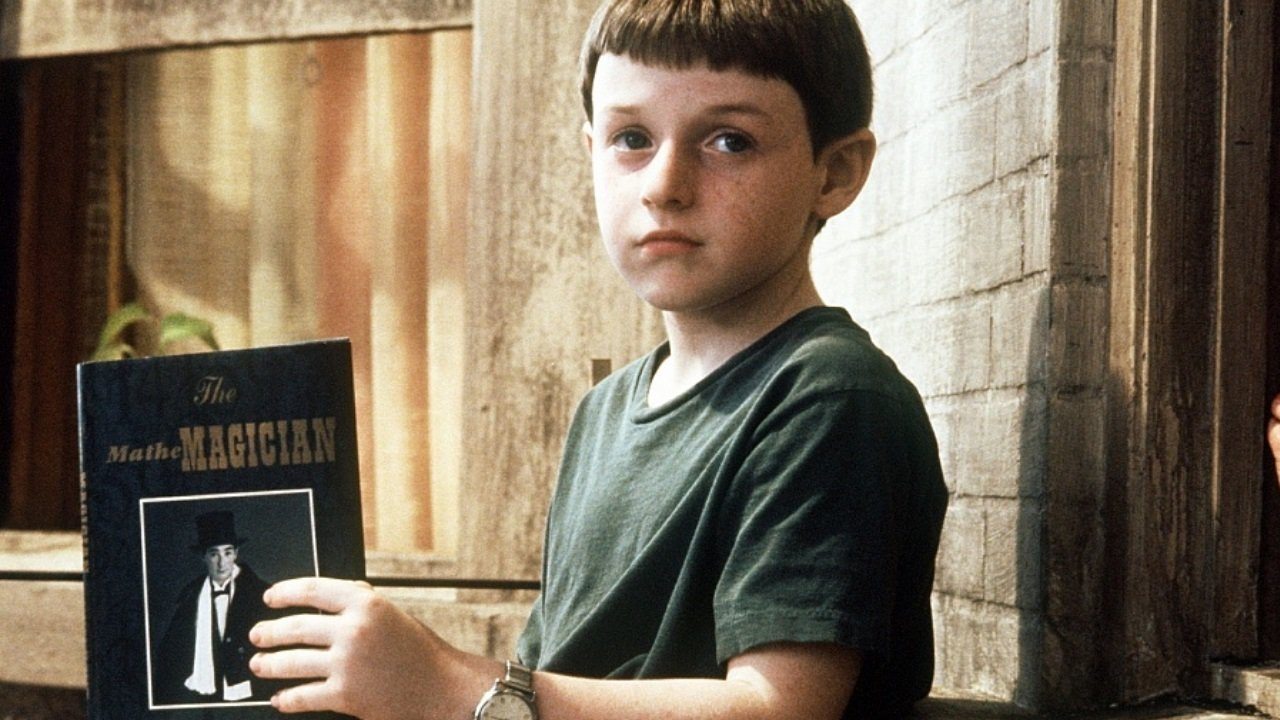
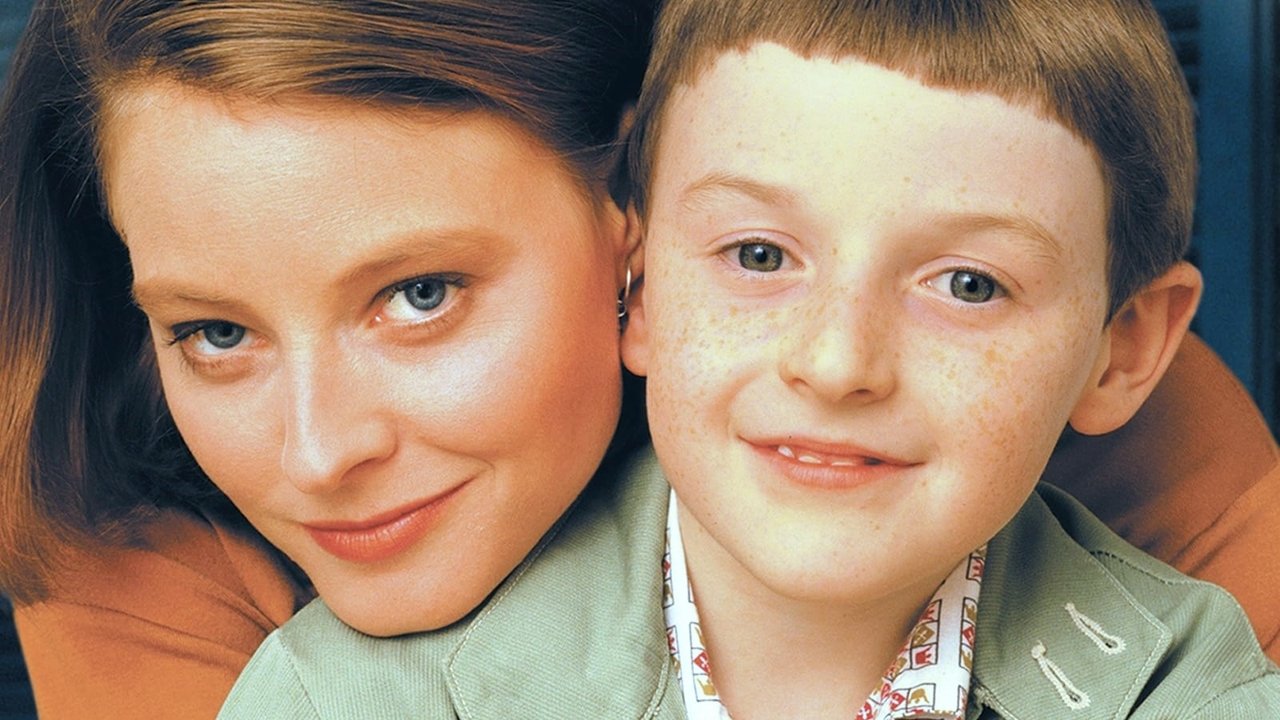
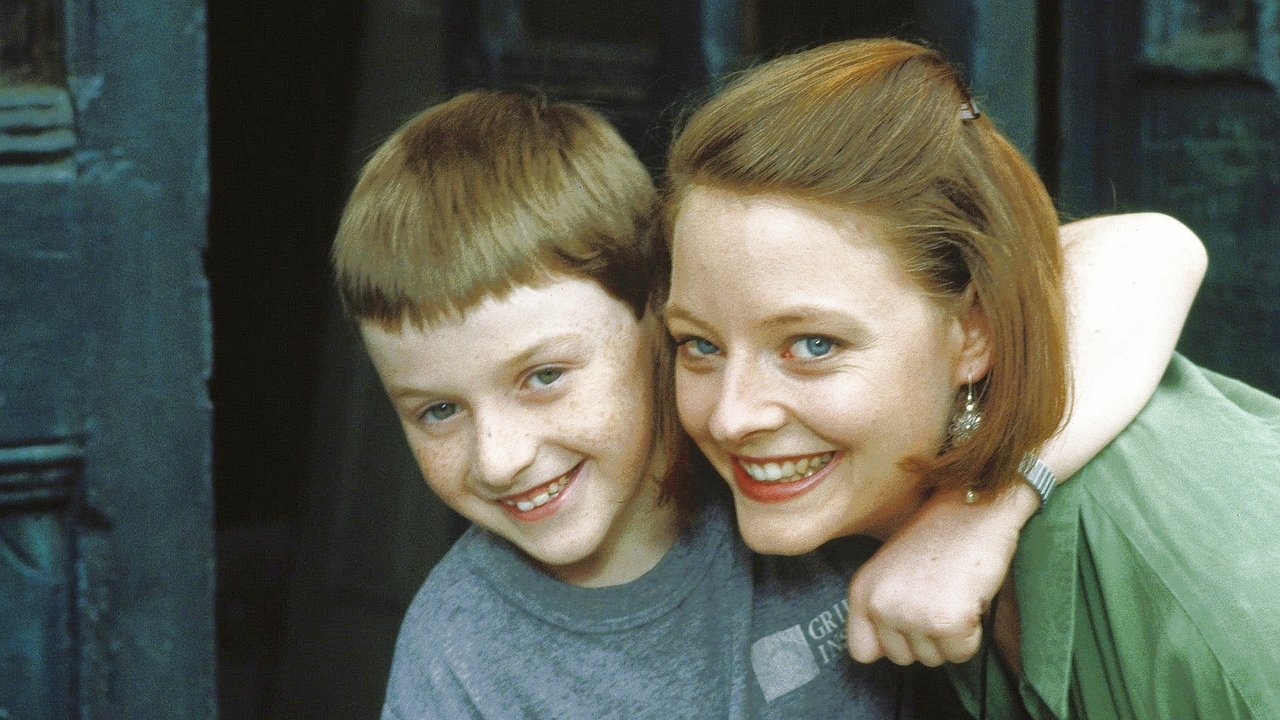
At its core, Little Man Tate is anchored by the fierce, protective love of Dede Tate, played with stunning authenticity by Jodie Foster, who also made her remarkable directorial debut here. Knowing Foster's own history as a child navigating the complexities of early fame and intellect adds a profound layer to her direction. She doesn't just direct the story; she feels it from the inside out. Dede is a working-class single mother – a waitress, a bartender – doing her best for her son, Fred (Adam Hann-Byrd), a seven-year-old genius grappling with extraordinary intellectual gifts that set him profoundly apart. Foster portrays Dede not as a saint, but as a flawed, determined woman terrified of failing her unique child. Her exhaustion, her pride, her defensiveness – it all rings true. There’s a scene where Dede watches Fred from afar, mingling awkwardly at a party with academic prodigies, her face a mixture of hope and heartbreak. It’s a silent moment, yet Foster conveys volumes about the specific loneliness of raising a child who experiences the world so differently. It's this sensitivity, this understanding of the pressure cooker environment often surrounding gifted children, that makes Foster's direction so compelling. She reportedly drew upon her own experiences, which lends the film an undeniable empathy.
The Weight of Potential
The central conflict crystallizes with the arrival of Jane Grierson, a former child prodigy herself and now a psychologist running a school for gifted children, played with brittle brilliance by the ever-reliable Dianne Wiest (Edward Scissorhands, Parenthood). Jane sees Fred's potential as something to be honed, cultivated, pushed to its limits within an environment of intellectual peers. Wiest masterfully embodies the well-meaning but sometimes emotionally detached world of academia, a stark contrast to Dede's raw, instinctual parenting. The film, penned with nuance by Scott Frank (who would later gift us sharply different scripts like Get Shorty and Out of Sight), thankfully avoids painting either woman as simply right or wrong. Instead, it explores the complex push-and-pull between nurturing intellect and protecting childhood, between providing opportunity and preserving emotional well-being. Can Fred thrive academically and find simple happiness? Does one have to be sacrificed for the other? The film doesn't offer easy answers, which is part of its lasting power.
Finding Fred: A Star is Born (Quietly)
Of course, none of this would work without the astonishing performance at the film's center. Adam Hann-Byrd, in his first film role (reportedly chosen from thousands of hopefuls), is simply captivating as Fred. It’s a performance devoid of child-actor precociousness. He conveys Fred’s intellectual intensity – the rapid-fire processing, the deep melancholy – alongside a palpable yearning for connection and normalcy. Watch his eyes; there’s an old soul quality there, a weariness that feels authentic to a child burdened by understanding too much, too soon. Finding an actor capable of portraying such complex interiority at that age was a casting coup, and Hann-Byrd delivers a performance that feels less like acting and more like witnessing. It’s quiet, internalised, and utterly heartbreaking at times.
A Gentle standout on the VHS Shelf
Watching Little Man Tate again now, decades after first pulling that tape from the shelf, its strengths remain clear. Foster's direction is assured and empathetic, favouring character moments over dramatic fireworks. The film possesses a gentle rhythm, allowing scenes to breathe and emotions to register subtly. Made on a relatively modest budget (around $10 million), it went on to earn back its investment and garnered largely positive reviews, particularly praising Foster's transition to directing and the stellar acting. It wasn't a blockbuster, but it resonated. It felt real in a way few films did. There's a certain intimacy to watching it, perhaps amplified by the memory of seeing it on a smaller CRT screen, that draws you into Fred's world. It stood out then, and it stands out now, as a thoughtful exploration of themes often overlooked.
Rating and Final Reflection
Little Man Tate is a poignant, beautifully acted, and sensitively directed film that tackles complex themes with grace and intelligence. The performances, particularly from Foster, Wiest, and the young Hann-Byrd, are exceptional, grounding the film in emotional truth. While its pace is deliberate, it allows for a depth of character exploration that is deeply rewarding. It’s a film that stays with you, prompting reflection long after the credits roll.
Rating: 8.5/10
This score reflects the film's outstanding performances, Foster's impressive directorial debut showcasing remarkable sensitivity, and its thoughtful, nuanced exploration of challenging themes. It avoids easy sentimentality and earns its emotional impact honestly. It might lack the visual pyrotechnics of its contemporaries, but its quiet power endures. What lingers most is the film's central, perhaps unanswerable, question: How do we best nurture the extraordinary spark in a child without extinguishing the simple joy of being one? Little Man Tate doesn't preach; it simply asks us to consider.