There's a particular kind of quiet devastation that settles in when something small, almost insignificant to the wider world, goes profoundly wrong in the life of a child. It’s not the earth-shattering drama of blockbusters, but the intimate, stomach-plummeting feeling of a mistake with cascading consequences. This feeling is the beating heart of Majid Majidi's 1997 masterpiece, Children of Heaven (original title: Bacheha-ye Aseman), a film that arrived like a whisper amidst the louder cinematic landscape of the late 90s, yet resonates with a power that lingers long after the screen fades to black.
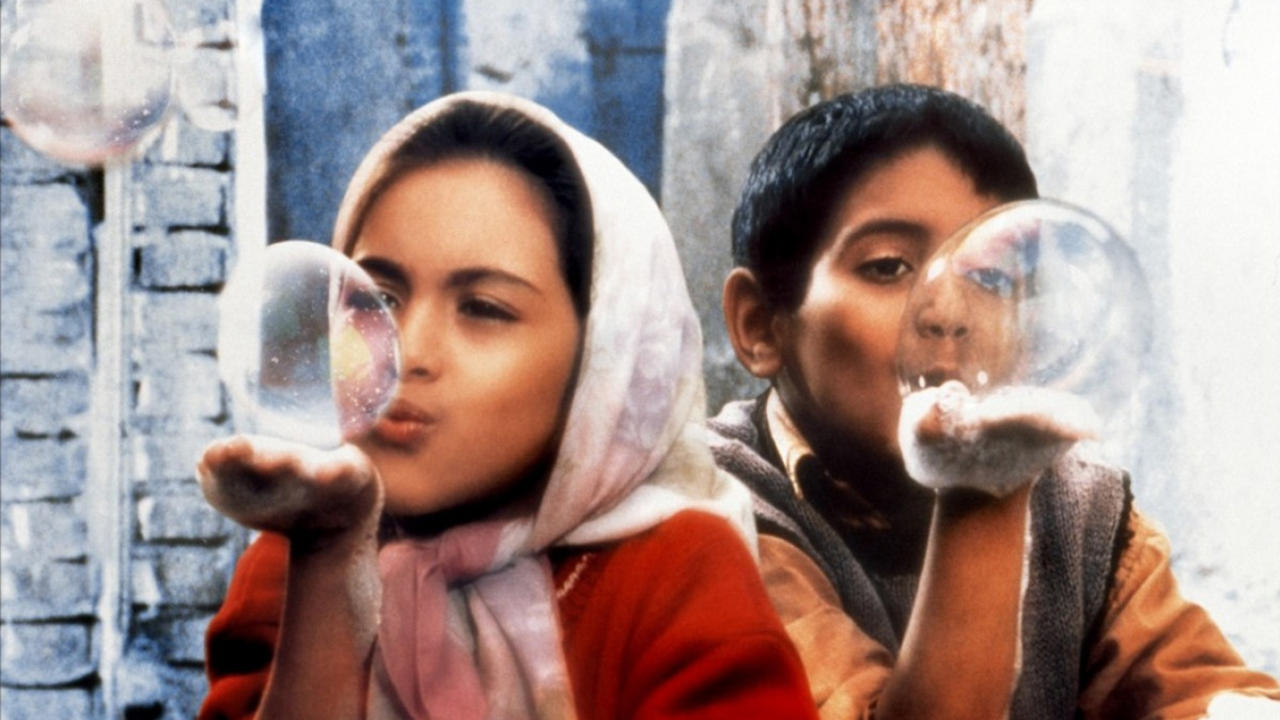
The Burden of Lost Soles
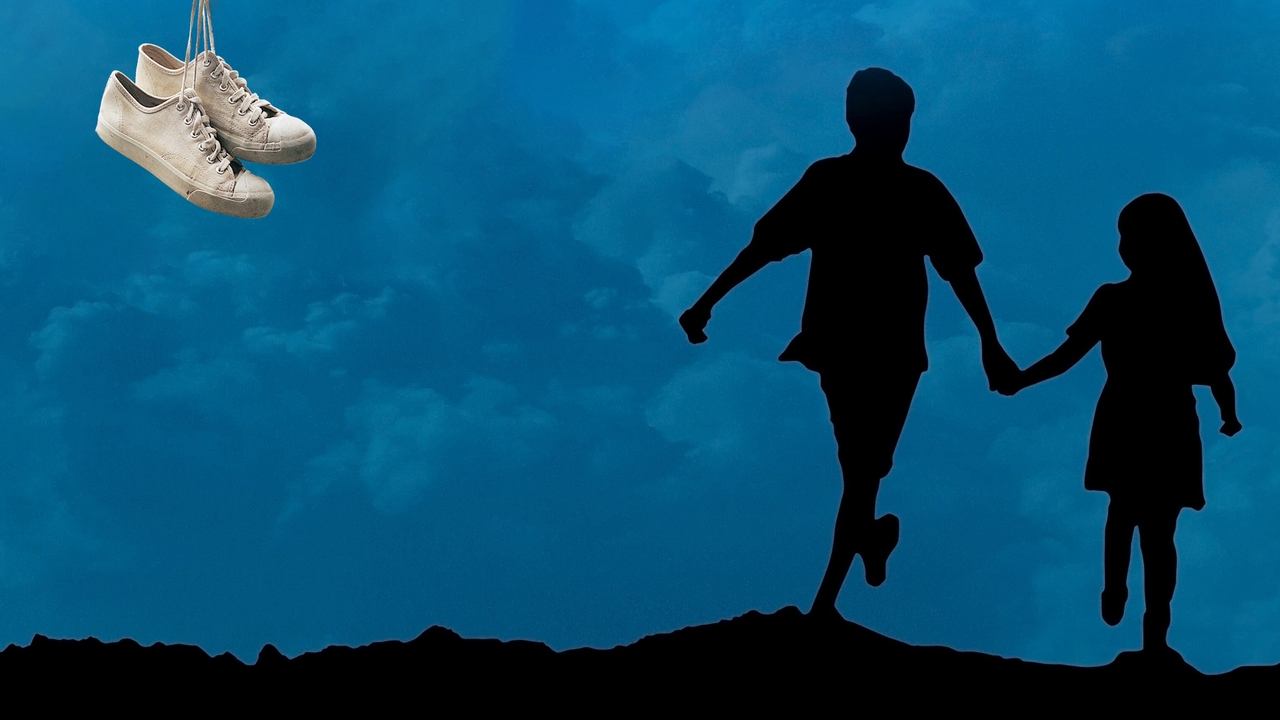
The premise is deceptively simple: young Ali (Amir Farrokh Hashemian) loses his little sister Zahra's (Bahare Seddiqi) only pair of shoes after taking them to be repaired. Living in a poor neighbourhood of Tehran, telling their parents is unthinkable – the financial strain, the potential anger from their already overburdened father (Reza Naji, who later won Best Actor at Berlin for Majidi's The Song of Sparrows), is too much to bear. What follows is a secret pact born of desperation and fierce sibling loyalty: they will share Ali's worn-out sneakers, timing their school runs with breathless precision so neither gets caught.
This isn't just a plot device; it's the film's central metaphor. The shoes represent dignity, access to education, the ability to simply navigate the world without shame. Watching Ali sprint back from morning school so Zahra can make her afternoon classes, her small face etched with anxiety as she waits, is filmmaking that generates more genuine tension than countless elaborate action sequences. Majid Majidi, who also wrote the screenplay, directs with a neorealist touch, immersing us completely in the textures of their lives – the cramped family home, the bustling marketplaces, the echoing alleyways that become racetracks against time. There's an authenticity here that feels less like watching actors and more like observing life itself.
Innocence Under Pressure
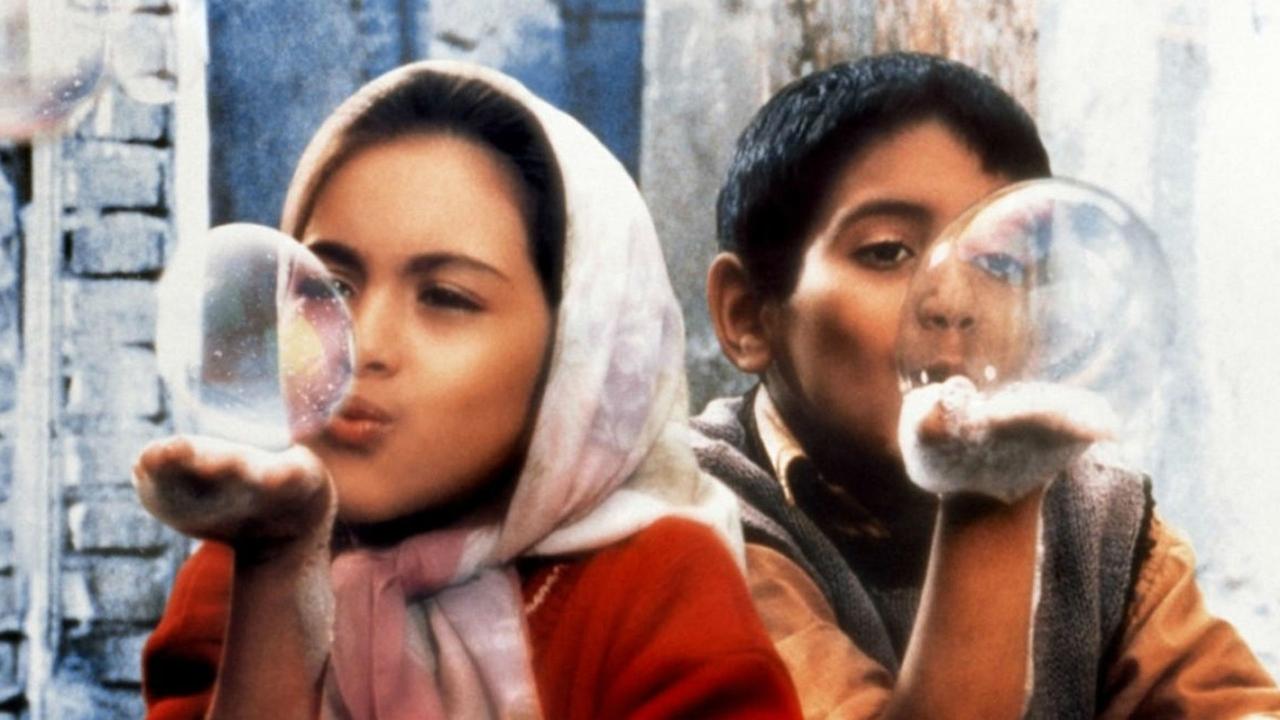
The performances from the two young leads are nothing short of miraculous. Amir Farrokh Hashemian as Ali carries the weight of his mistake with a quiet intensity, his eyes reflecting determination, fear, and a burgeoning sense of responsibility that feels far older than his years. Bahare Seddiqi’s Zahra is equally compelling, conveying disappointment, resilience, and unwavering trust in her brother often through expressions alone. There's a scene where Zahra spots her lost pink shoes on another girl's feet at school – the silent exchange of glances, the complex mix of emotions playing across her face, is heartbreakingly real. Majidi, known for his sensitive work with child actors (many non-professionals, adding to the film's raw honesty), captures the nuances of childhood communication – the shared glances, the unspoken understandings, the profound seriousness of their secret world. Even Reza Naji, as the father struggling to make ends meet, brings a grounded humanity to his role; his moments of frustration are tempered with undeniable love for his children, painting a portrait of a family bound by affection despite their hardships.
A Different Kind of Treasure
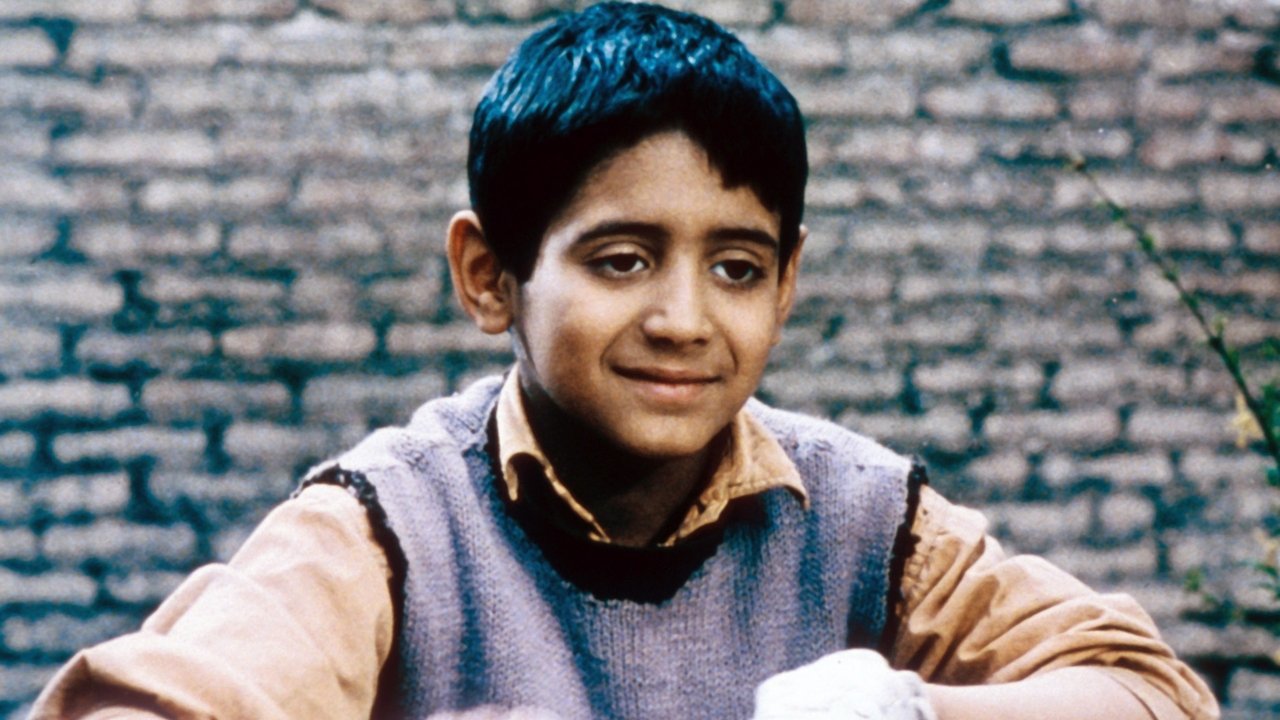
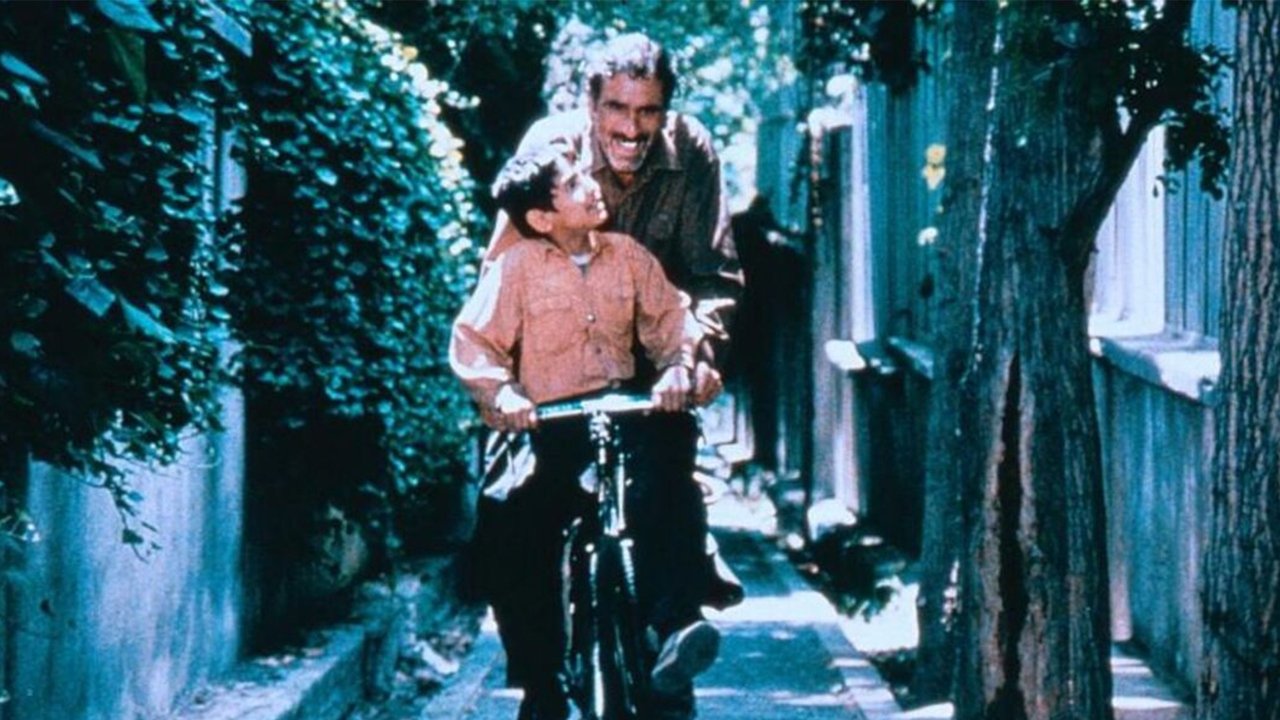
Finding Children of Heaven back in the day, perhaps tucked away in the "Foreign Films" section of a more discerning video store, or maybe discovered later on DVD, felt like uncovering a hidden gem. It stood in such stark, beautiful contrast to the typical high-concept fare dominating the shelves. Its power wasn't in spectacle, but in specificity and empathy. It’s fascinating to remember that this modestly budgeted film, shot on the actual streets of South Tehran, became the first Iranian movie ever nominated for the Academy Award for Best Foreign Language Film. That nomination wasn't just a win for Iranian cinema; it was proof that a story rooted in such specific circumstances could touch a universal chord. It spoke to audiences worldwide about poverty, resilience, and the lengths we go to for family, transcending language and cultural barriers with its sheer emotional honesty. There were no elaborate effects here, just masterful storytelling and genuine heart.
The Echoes That Remain
What truly elevates Children of Heaven is its ability to find profound meaning in the mundane. A dropped pen, a shared piece of sugar, the simple act of washing a pair of sneakers in a courtyard fountain – these moments are imbued with significance. The climactic footrace, where Ali sees a chance to win a new pair of sneakers for Zahra, is almost unbearably tense, yet Majidi subverts expectations in ways that are both poignant and deeply affecting. (Spoiler Alert for the race outcome) Ali's desperate push to finish third (the prize for third place being sneakers), only to accidentally come in first, is a moment of devastating irony that perfectly encapsulates the film's bittersweet tone. He achieves victory, but not the one he desperately needed for his sister.
The final shots linger – not necessarily offering easy resolution, but leaving you with a potent mix of hope and melancholy. Doesn't the film gently ask us to reconsider what truly constitutes wealth or poverty? What endures is the image of these children, facing immense challenges with quiet courage and unwavering love for one another.
Rating: 9/10
This near-perfect score reflects the film's profound emotional impact, its stunningly natural performances, and its masterful, understated direction. It achieves an emotional depth and universality that many films with far greater resources never approach. It's a film that doesn't just depict poverty; it explores the richness of human connection that can flourish even in scarcity.
Children of Heaven is more than just a foreign film curio; it's a timeless piece of humanist cinema, a gentle giant from the late VHS era whose quiet power still resonates deeply. It reminds us that sometimes the smallest stories hold the biggest truths.