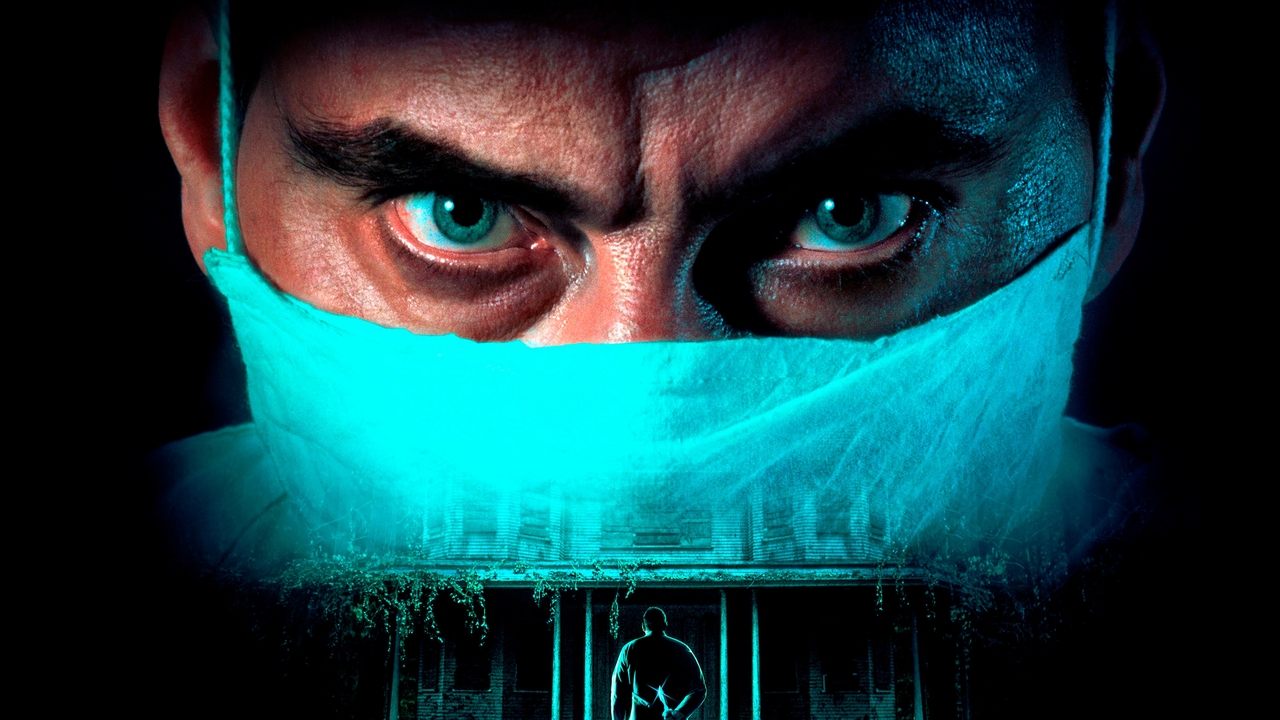
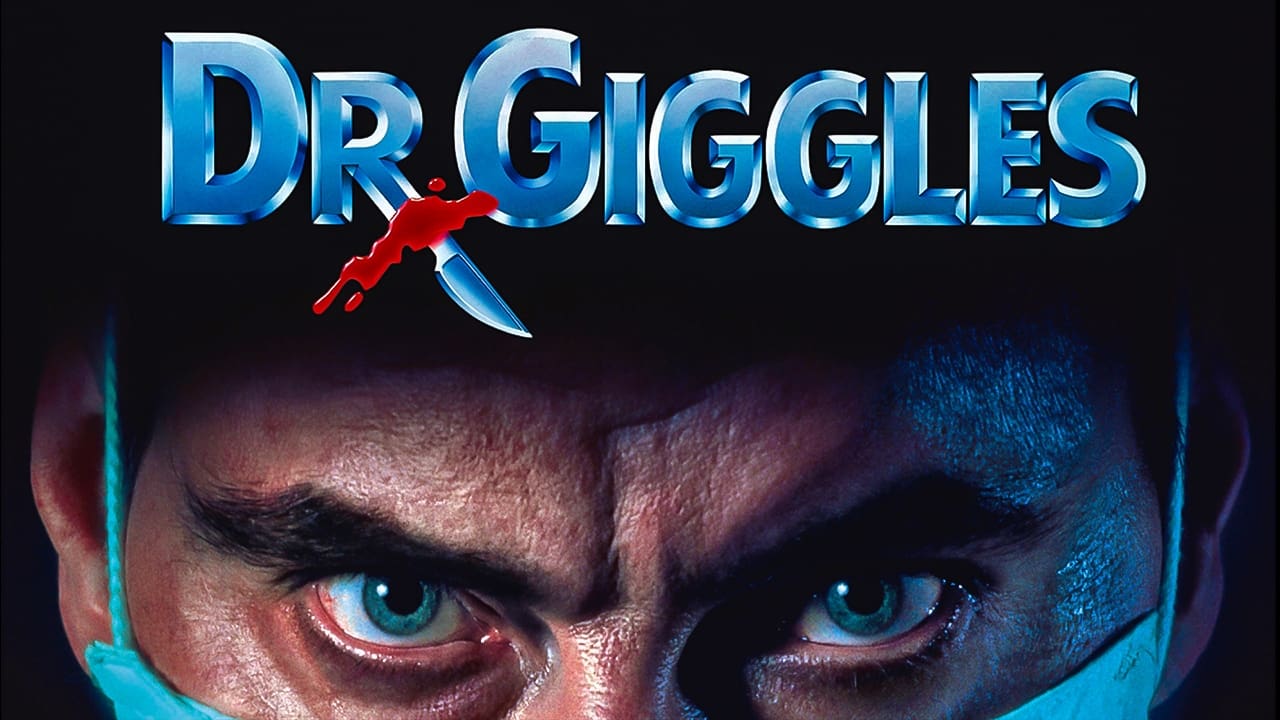
Alright, fellow tapeheads, dim the lights, maybe adjust the tracking slightly in your mind's eye, and let’s talk about a film whose title alone probably raised eyebrows back at the video store counter. Nestled somewhere between the big action hits and the serious dramas, there it was: Dr. Giggles (1992). You saw that slightly unhinged grin on the box, maybe featuring a gleaming, oversized medical instrument, and you just knew this wasn't going to be your standard check-up. It felt like a dare, a promise of something gleefully deranged, and honestly? It kind of delivered.
### The Doctor Is In... Sane
The premise is pure slasher setup: a small town, Moorehigh, haunted by the legend of Dr. Evan Rendell Sr., a physician who went mad trying to save his wife, killing patients in the process. Years later, his equally unhinged son, Evan Jr. (played with unsettling relish by Larry Drake), escapes from a mental institution and returns home, picking up daddy’s deadly practice. Our final girl-in-waiting is Jennifer (Holly Marie Combs, who many would later know from Charmed), a teenager with a heart condition, making her uniquely vulnerable to a maniac with a medical fixation.
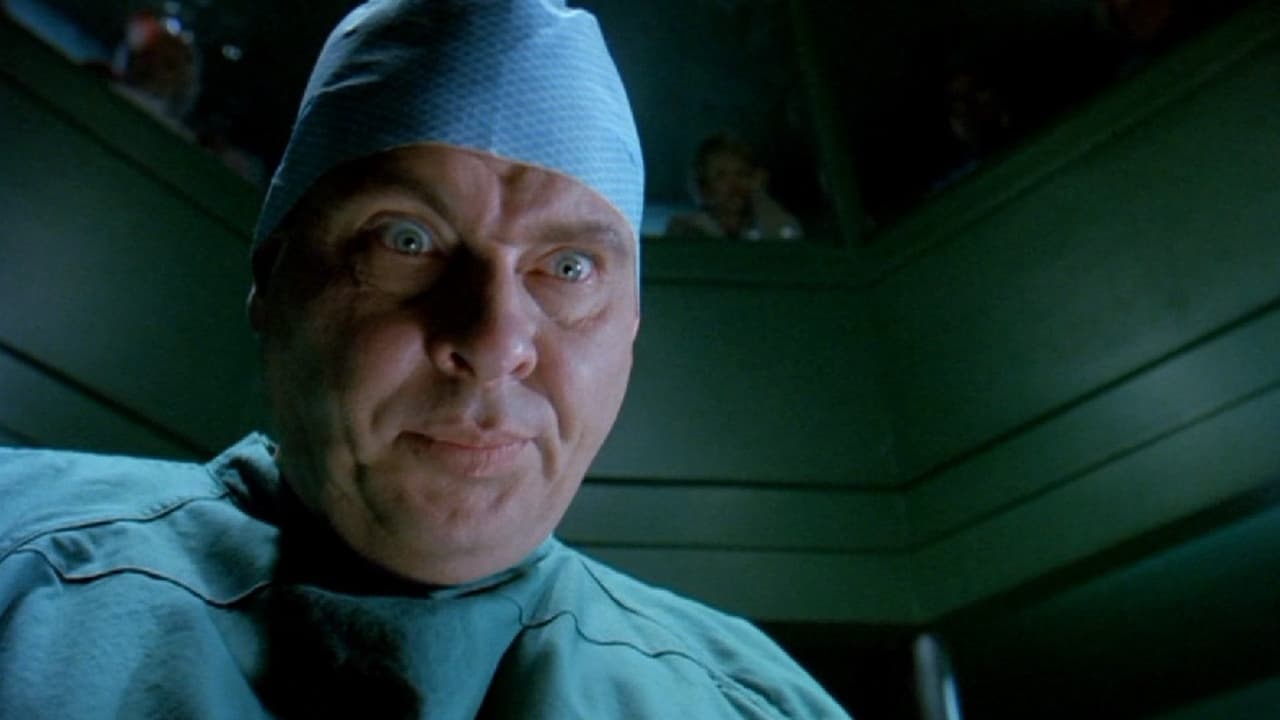
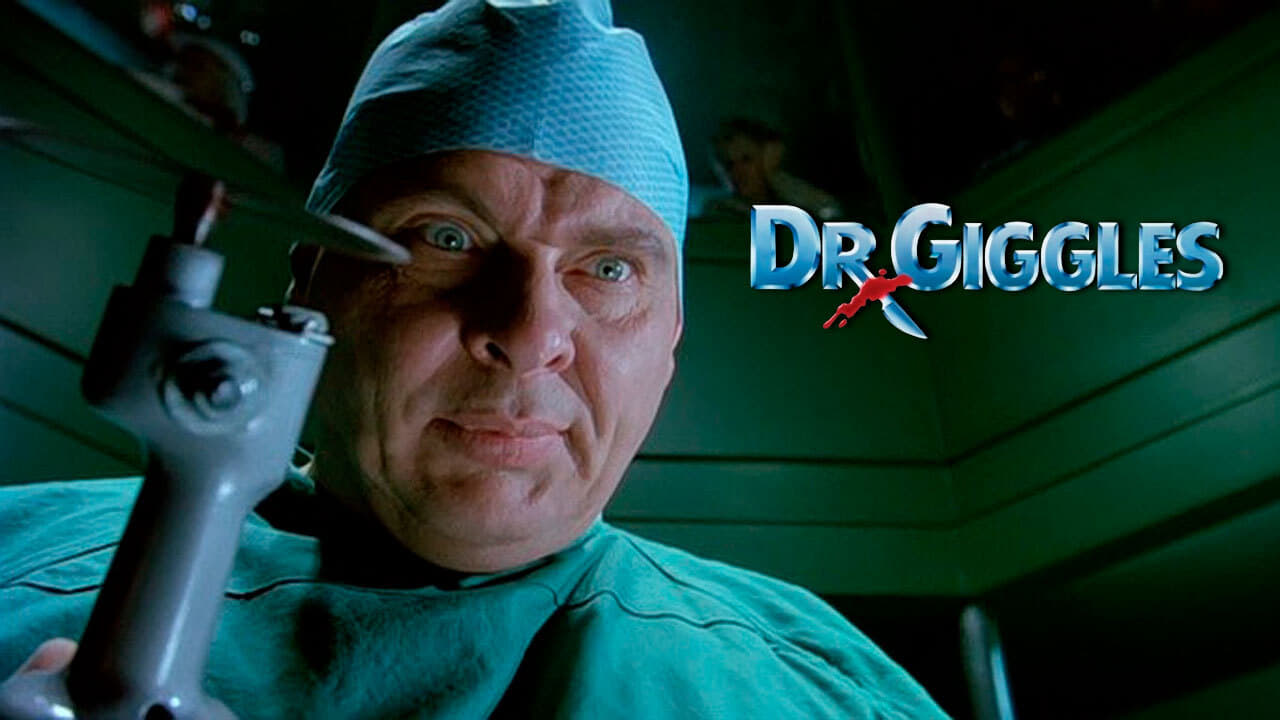
What elevates Dr. Giggles beyond a simple stalk-and-slash is Larry Drake. Fresh off winning two Emmy awards for his portrayal of the gentle, developmentally disabled office clerk Benny Stulwicz on the sophisticated drama L.A. Law, seeing him transform into a giggling, pun-spewing psychopath was genuinely jarring and, frankly, brilliant casting. Drake leans into the absurdity. He’s not just killing people; he’s performing twisted "operations," dropping groan-worthy medical one-liners ("Laughter is the best medicine," he chuckles, mid-murder), and emitting that chilling, high-pitched giggle. It's a performance that perfectly balances menace and pure camp, anchoring the entire film. Reportedly, Drake fully embraced the dark humor, understanding precisely the kind of B-movie energy director Manny Coto was aiming for.
### Scalpel, Suture, Splatter
Let's talk about those kills. This was the early 90s, a bit of a transitional period for horror. We were moving away from the grimy intensity of some 80s slashers, but hadn't quite hit the slick self-awareness of Scream (1996). Dr. Giggles occupies that space with kills that are often creative, darkly funny, and rely heavily on practical effects. Remember how real some of that stuff looked back then, even if it was outrageous? There’s a visceral quality to the giant novelty thermometer impalement, the stomach pump scene, or the infamous giant Band-Aid gag. These weren’t seamless digital creations; they were tangible props and makeup effects, often requiring clever camera angles and dedicated stunt work, giving them a certain weight and texture that feels distinctly of the era. It wasn't always subtle, but it sure was memorable. Director Manny Coto, who also co-wrote the script and would later contribute to shows like Dexter and 24, clearly had a knack for staging these macabre set-pieces with a certain B-movie flair.
### A Cult Diagnosis
Filmed primarily around Portland, Oregon, the film captures that slightly damp, small-town America vibe quite effectively. While Combs makes for a sympathetic lead and the supporting cast fills out the typical slasher tropes (the skeptical cops, the doomed friends), the plot itself doesn't break much new ground. You know where it’s going: escalating kills leading to a final confrontation. But honestly, the familiar structure just provides a framework for Drake to chew the scenery and for the increasingly inventive "medical procedures."
Upon release, Dr. Giggles wasn't exactly a critical darling – many reviewers found it tasteless or silly. It didn't set the box office on fire either, pulling in around $8.4 million domestically against a reported $5 million budget. But like so many quirky genre films of the time, it found its true audience on home video. I distinctly remember seeing that VHS box constantly on the rental shelves, its lurid promise drawing in curious horror fans. It became something of a cult favorite, appreciated for its unique villain, dark humor, and refusal to take itself too seriously. The tagline, "The Doctor is out... of his mind," perfectly encapsulated its appeal. It knew what it was: a slightly goofy, slightly nasty piece of early 90s horror fun.
### Final Prognosis
Dr. Giggles is undeniably a product of its time. The pacing might feel a little pedestrian compared to modern slashers, and the humor is definitely an acquired taste. But there’s an undeniable charm to its practical effects-driven mayhem and, most importantly, Larry Drake’s iconic, go-for-broke performance. He makes this movie. It’s a film that understands the slightly morbid glee of a good B-horror concept and executes it with energy and a surprisingly dark wit.
Rating: 7/10
Justification: While the plot is standard slasher fare and some elements haven't aged gracefully, Larry Drake's unforgettable performance elevates the material significantly. The creative, practical gore effects and the film's sheer commitment to its bizarre premise earn it solid points as a standout piece of early 90s cult horror. It delivers exactly the kind of quirky, memorable thrills you'd hope for from a VHS discovery with a title like that.
Final Thought: Forget bedside manner; Dr. Giggles offered full-blown medical malpractice as entertainment, a prescription for chills and chuckles that still feels uniquely potent in that special, slightly warped VHS way.