Forget the sun-baked, documentary-style dread of 1974. Forget the suffocating realism that left audiences shaken to their core. Twelve years later, when Tobe Hooper returned to the Lone Star State, he didn't bring back the same nightmare. Instead, he unleashed something altogether different: a manic, neon-drenched, gore-soaked, and darkly hilarious scream of pure mid-80s excess. The Texas Chainsaw Massacre 2 (1986) wasn't just a sequel; it was a declaration, a bizarre funhouse mirror held up to the original's stark horror, bankrolled by the infamous Cannon Films, known more for action schlock than subtle terror. Renting this back in the day was often an exercise in bewilderment – was this really the follow-up to that movie?
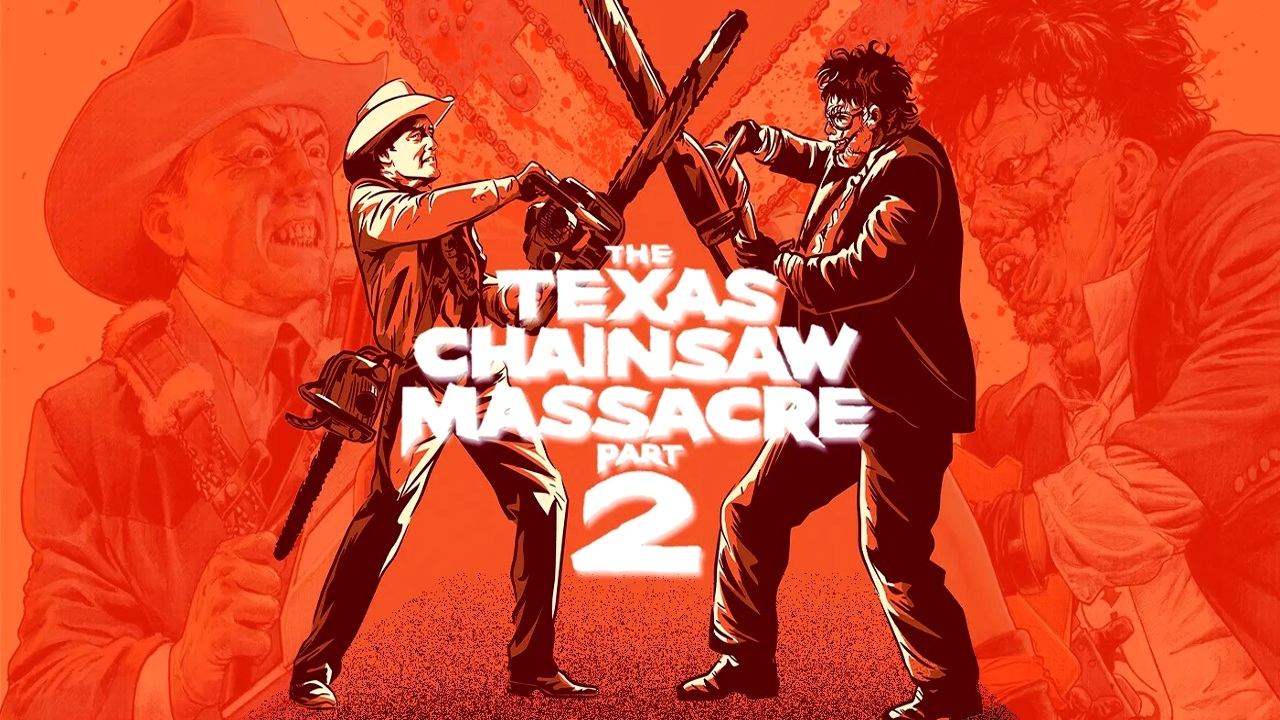
"The Saw is Family"
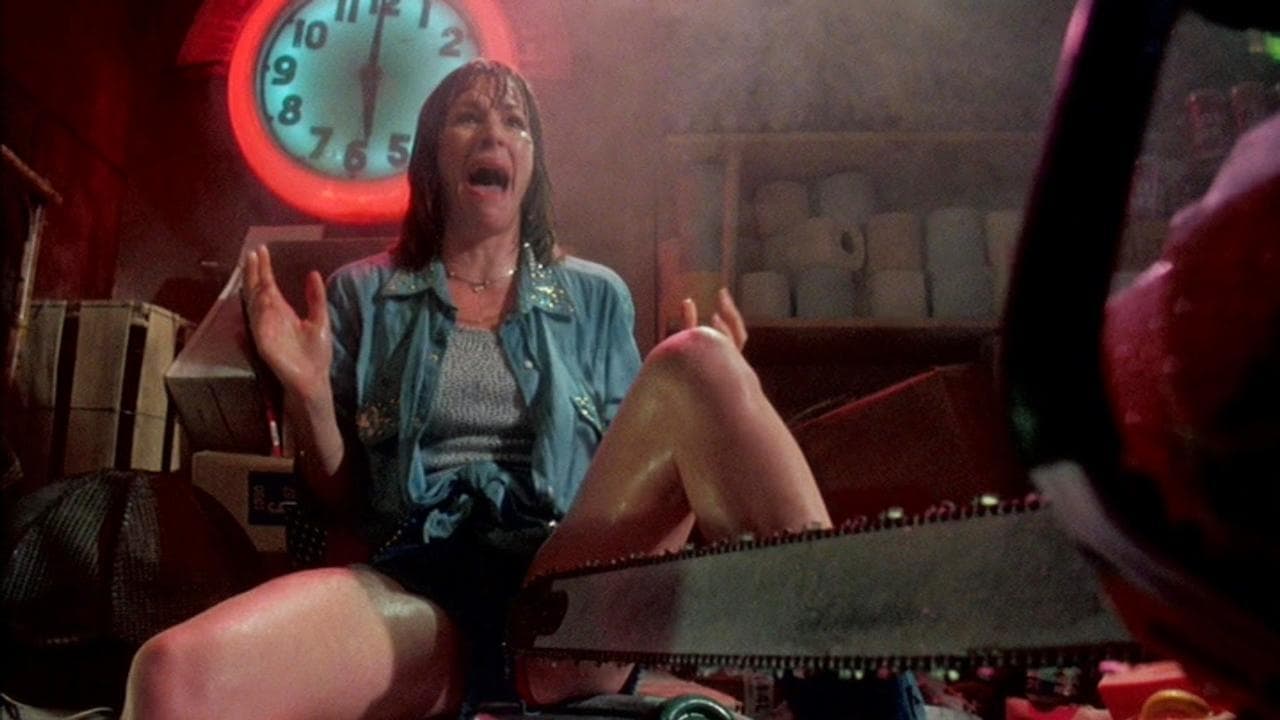
The premise finds the Sawyer clan – now including the chillingly funny Cook (a returning, brilliant Jim Siedow) and the instantly iconic, metal-plated Chop Top (Bill Moseley in a star-making turn) alongside a still-menacing Leatherface – operating out of a grotesque, cavernous underground lair beneath an abandoned Texas amusement park. Their reign of terror intersects with sassy radio DJ Vanita "Stretch" Brock (Caroline Williams, giving an incredible final girl performance full of screams and resilience) and Lieutenant "Lefty" Enright (Dennis Hopper), a former Texas Marshal obsessed with avenging his family members brutalized in the first film. What follows is less a cat-and-mouse chase and more a descent into anarchic, blood-splattered chaos.
The shift in tone was deliberate. Hooper, perhaps reacting to the wave of slasher clones his original inspired, teamed with writer L. M. Kit Carson (co-writer of the vastly different Paris, Texas), aiming for satire. They cranked the gore up to eleven, pushed the black comedy to the forefront, and traded rural isolation for a garish, almost carnival-like atmosphere. This was the Reagan-era 80s, after all, and the film reflects that decade's louder, brasher, more commercial sensibilities, even within its horror framework. It’s said Cannon initially wanted something more straightforward, but Hooper and Carson delivered this bizarre vision instead, a decision that likely contributed to its initial lukewarm reception but cemented its cult status later. The budget ballooned from the original's shoestring $140,000 to a reported $4.7 million, and every cent feels splattered across the screen in viscera and elaborate set design.
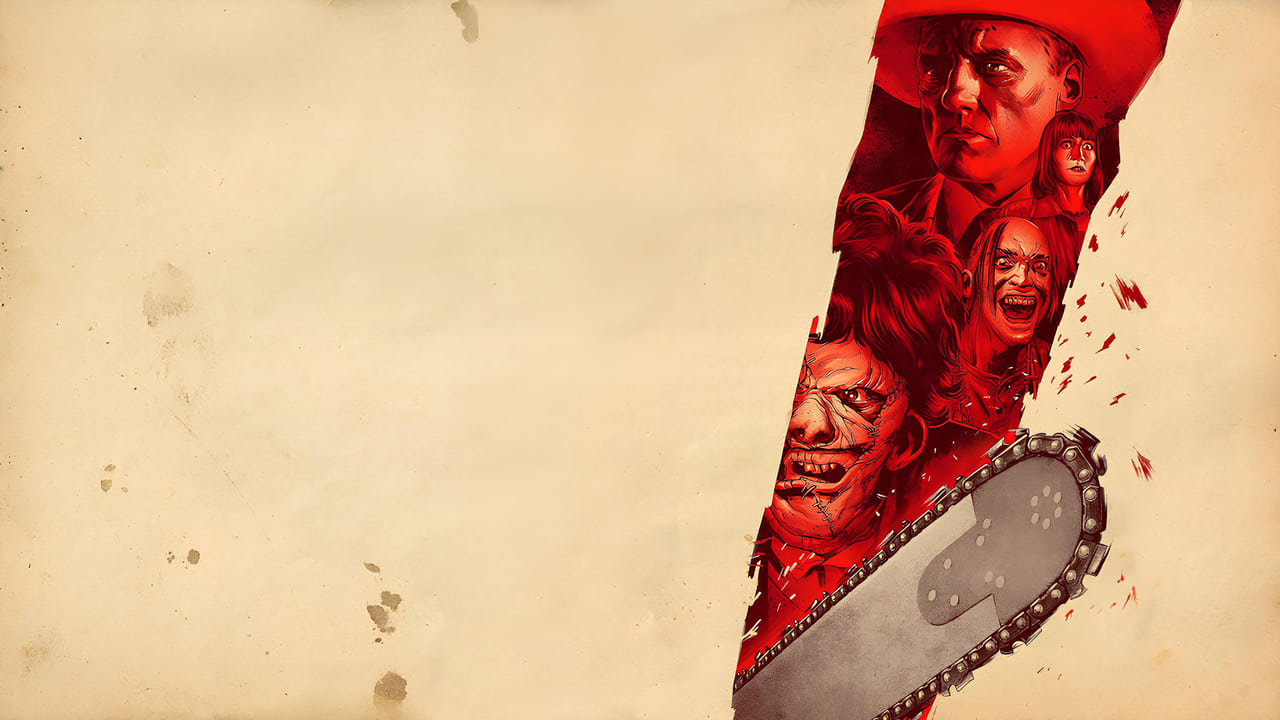
Underground Ugliness and Over-the-Top Gore
The production design is a standout. The Sawyer family's subterranean abode, built within the real tunnels of the abandoned Barton Creek Power Plant in Austin, is a masterpiece of macabre art direction – draped in human skin, skeletons, and malfunctioning Christmas lights, it feels like a charnel house designed by Ed Gein after a shopping spree at a defunct carnival supply store. It’s repulsive, yet weirdly captivating.
This is also where the legendary KNB EFX Group (Robert Kurtzman, Greg Nicotero, Howard Berger) really started making their mark. The practical gore effects are outrageously graphic, even by today's standards, pushing the boundaries of what was acceptable in mainstream horror. Remember the skinned body of poor L.G., Stretch's radio assistant? Or Chop Top’s self-mutilation? These weren't subtle suggestions; they were in-your-face, stomach-churning displays that felt both horrifying and absurdly theatrical. The sheer volume of fake blood used must have been astronomical. It’s a testament to their craft that these effects, while clearly practical, still hold a certain grotesque power. They reportedly faced significant battles with the MPAA, having to trim scenes to avoid the dreaded X rating, ultimately releasing it unrated initially on home video – a badge of honor for many VHS collectors.
Hopper Unleashed
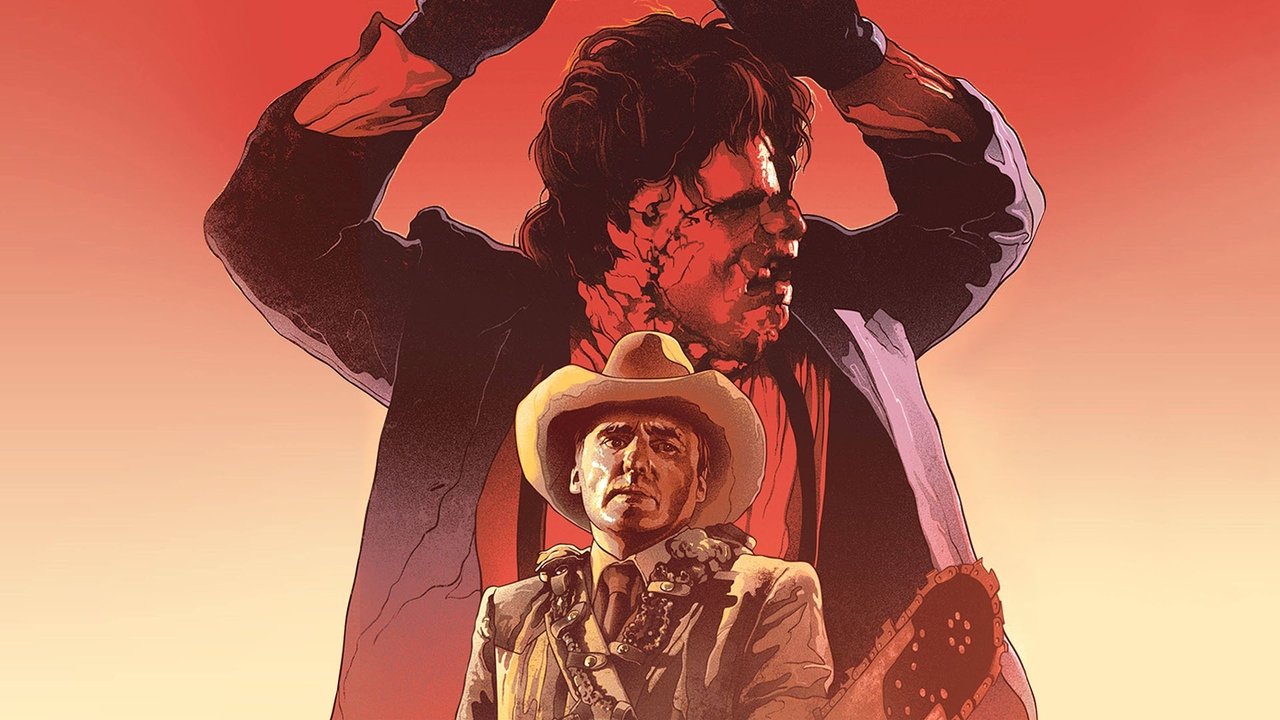
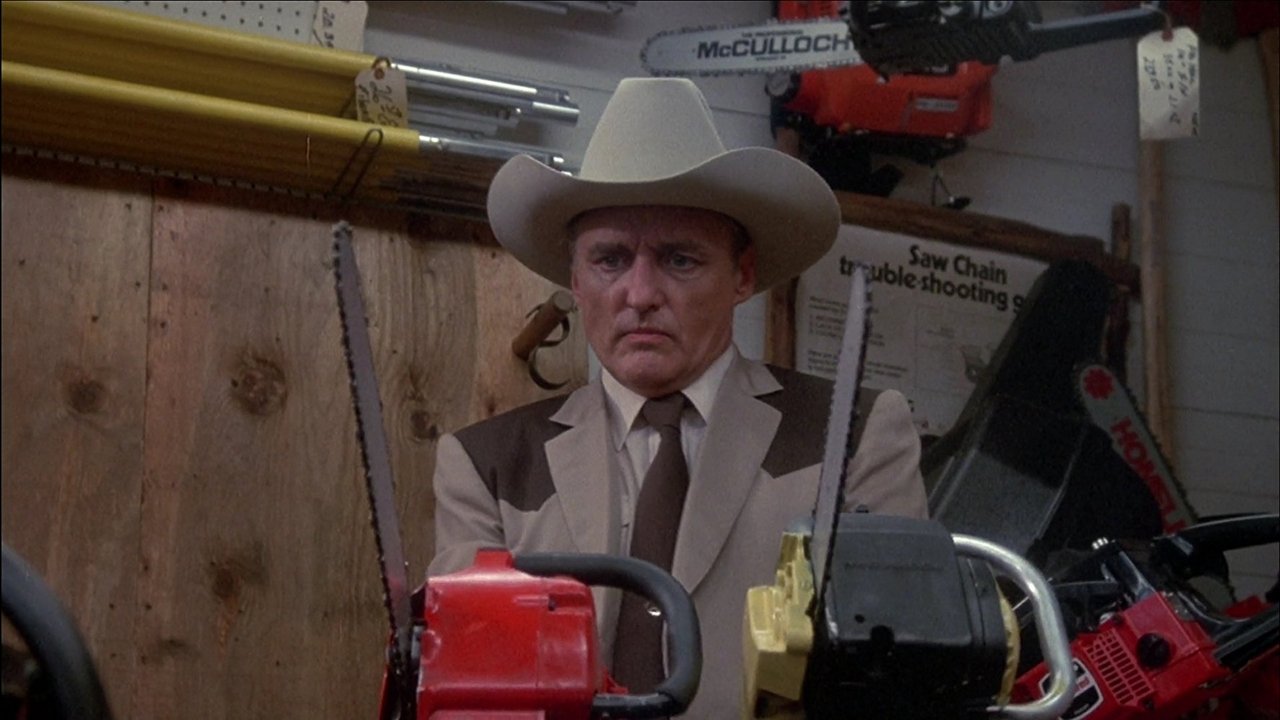
And then there's Dennis Hopper. As Lefty, he delivers a performance that's less acting and more pure, unadulterated intensity. Wielding not one, but three chainsaws (including a comically huge one), his quest for vengeance feels genuinely unhinged. Stories from the set often paint Hopper as being difficult or intensely method during filming, channeling a manic energy that perfectly suited the film's tone, even if it occasionally feels like he wandered in from a completely different, equally terrifying movie. His chainsaw duel with Leatherface in the film’s climax is pure, unadulterated B-movie nirvana. Doesn't that final image of him, saw held aloft like a mad king, feel burned into your memory?
Legacy of Laughs and Leatherface
While it horrified and confused many upon release (critics were largely unkind, and it didn't recoup its budget domestically), The Texas Chainsaw Massacre 2 found its audience on VHS. It became a staple of late-night rentals, passed around among fans who appreciated its gonzo energy, quotable lines ("Dog will hunt!"), and refusal to simply rehash the original. It proved that the Sawyer clan could be more than just silent, backwoods killers; they could be darkly comic figures, monstrous reflections of consumerism and family dysfunction. Bill Moseley's Chop Top, in particular, became an instant horror icon, arguably overshadowing Leatherface in this outing.
The film's influence is undeniable, paving the way for other horror-comedies that embraced gore and satire. While the franchise would continue with numerous sequels, prequels, and reboots of wildly varying quality (many outside the core 80s/90s era), none quite captured the unique, bizarre lightning in a bottle that Hooper managed here.
VHS Heaven Rating: 7/10
Justification: The Texas Chainsaw Massacre 2 isn't the masterpiece of sustained terror its predecessor was, and it never tries to be. It's messy, loud, tonally schizophrenic, and Dennis Hopper feels like he’s chewing the scenery with his own chainsaw. Yet, its audacious blend of extreme gore, black humor, brilliant production design, and unforgettable performances from Siedow, Moseley, and Williams make it a wildly entertaining and unique entry in the genre. It alienated purists but gained a devoted cult following for its sheer nerve and unforgettable imagery. The 7 reflects its cult classic status and entertainment value, acknowledging it’s a far cry from the original’s power but succeeds spectacularly on its own bizarre terms.
It remains a potent slice of 80s horror maximalism – a film that wears its gruesome heart, and entrails, proudly on its sleeve. It's the crazy, cackling cousin to the stark original, and honestly? Sometimes, that's exactly the kind of family reunion you need late on a Saturday night with the VCR humming.