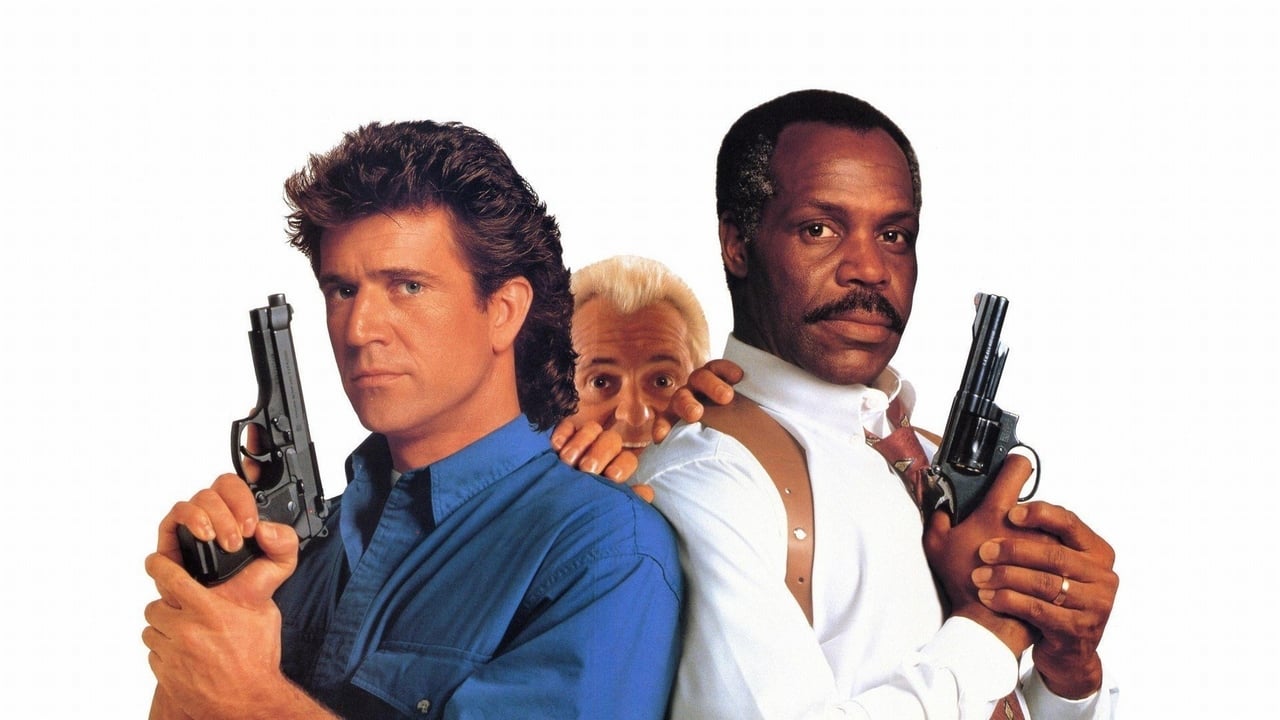
Alright, fellow tapeheads, let's rewind to the summer of '92. The multiplexes were booming, the rental shelves were groaning under the weight of blockbuster sequels, and right there, demanding your attention with its explosive cover art, was Lethal Weapon 3. If the first two films were the main course, this felt like grabbing another huge slice of that same gloriously chaotic action-comedy pie. And let's be honest, who wasn't ready for another dose of Riggs and Murtaugh?
### Back in the Saddle (and Blowing Things Up)
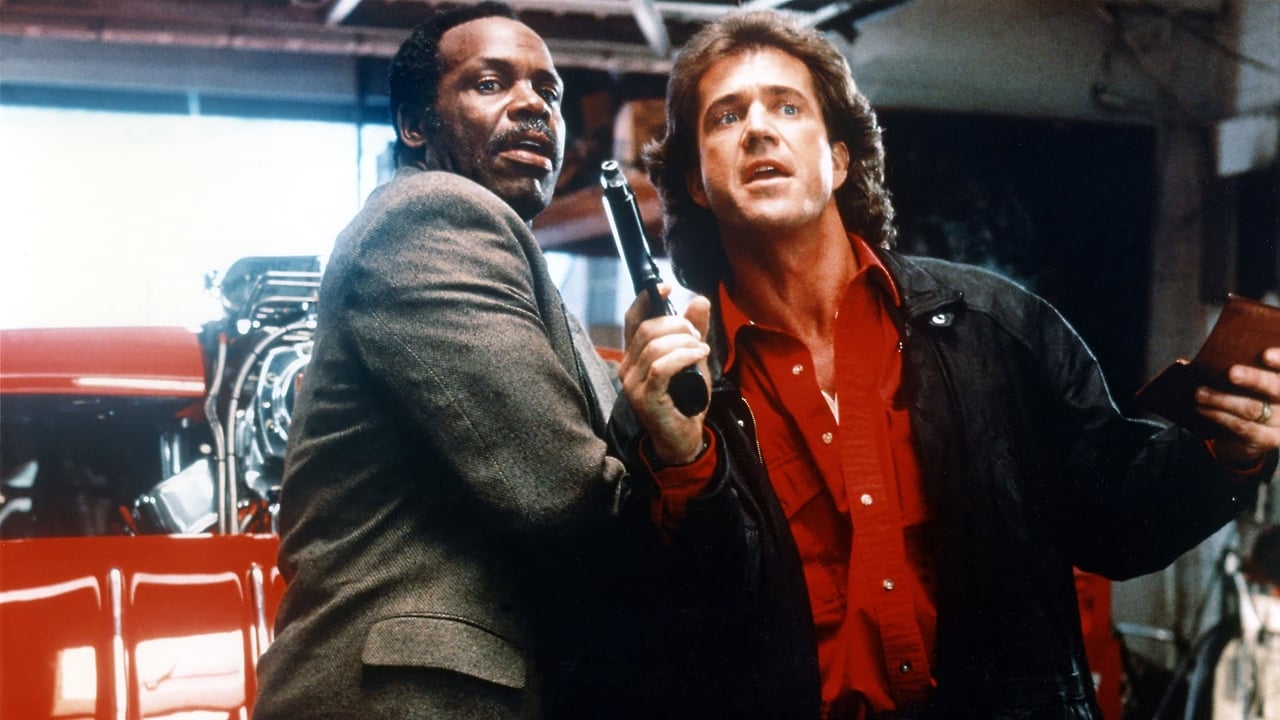
From the jump, director Richard Donner throws us right back into the deep end. Forget easing in; the opening sequence featuring Martin Riggs (Mel Gibson) and Roger Murtaugh (Danny Glover) accidentally detonating an entire office building because Riggs couldn't resist snipping the wrong wire... well, it sets the tone perfectly. It’s loud, it’s destructive, and it’s got that signature blend of high stakes and utter recklessness we’d come to adore.
And here’s a retro fun fact that still blows my mind: that wasn’t some miniature or fancy (for the time) computer effect. They actually wired the real former Orlando City Hall with explosives for a controlled demolition and Donner filmed it! They reportedly had just one take to capture the building’s implosion for the movie. Talk about pressure! It’s that kind of practical, large-scale mayhem that feels so distinctly of its time. You felt the impact, the sheer scale of the destruction, in a way that slicker, smoother CG often struggles to replicate today.
### The Gang's (Mostly) All Here
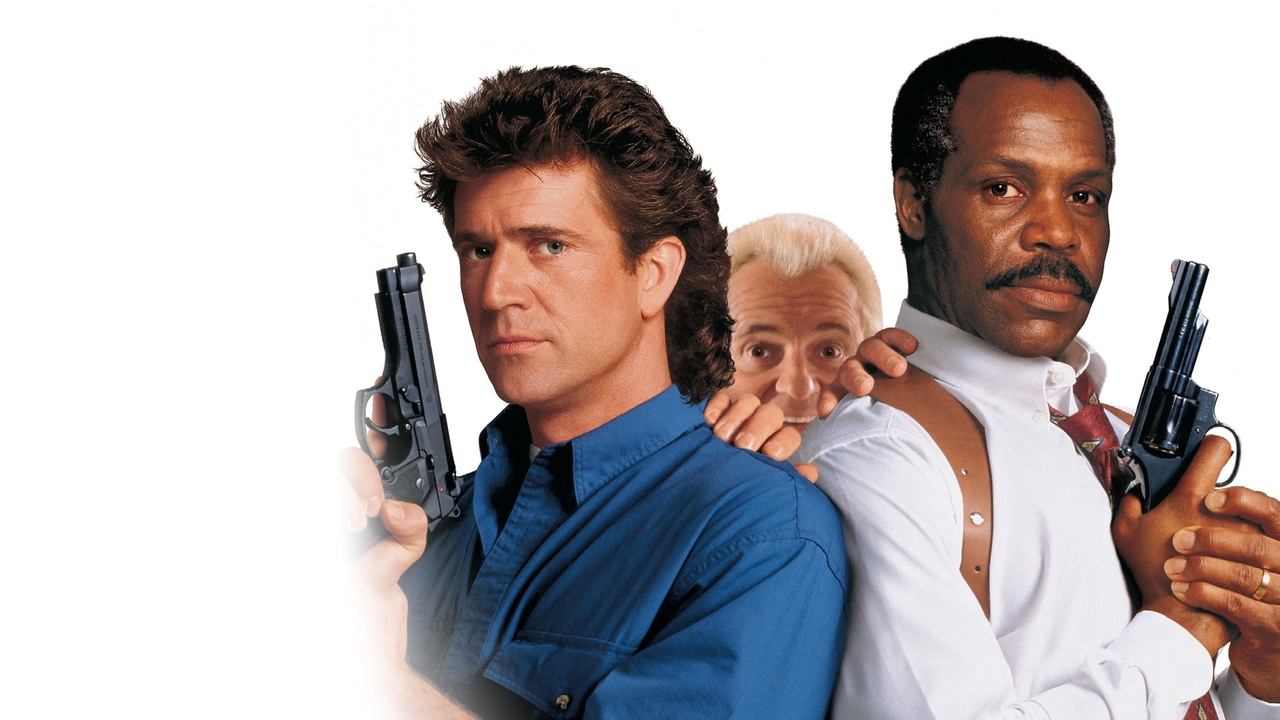
The core appeal, as always, is the electric chemistry between Gibson and Glover. By this point, they inhabited these roles like comfortable old leather jackets – one volatile and prone to finding trouble, the other perpetually exasperated but fiercely loyal ("I'm getting too old for this sh..."). Their banter feels lived-in, their partnership utterly believable amidst the escalating absurdity. Jeffrey Boam, returning from writing Lethal Weapon 2, knew exactly what notes to hit to keep that dynamic humming.
This installment also crucially introduces Sergeant Lorna Cole, played with fierce energy by Rene Russo. Cole isn't just a damsel or a standard love interest; she's Internal Affairs, tough as nails, matches Riggs kick for kick (literally!), and brings a welcome jolt of female dynamism to the testosterone-heavy proceedings. Russo reportedly trained hard and performed a good chunk of her own impressive fight choreography, adding another layer of physical authenticity to her character. Remember her takedown moves? She felt like a genuine physical match for Riggs, which was refreshing.
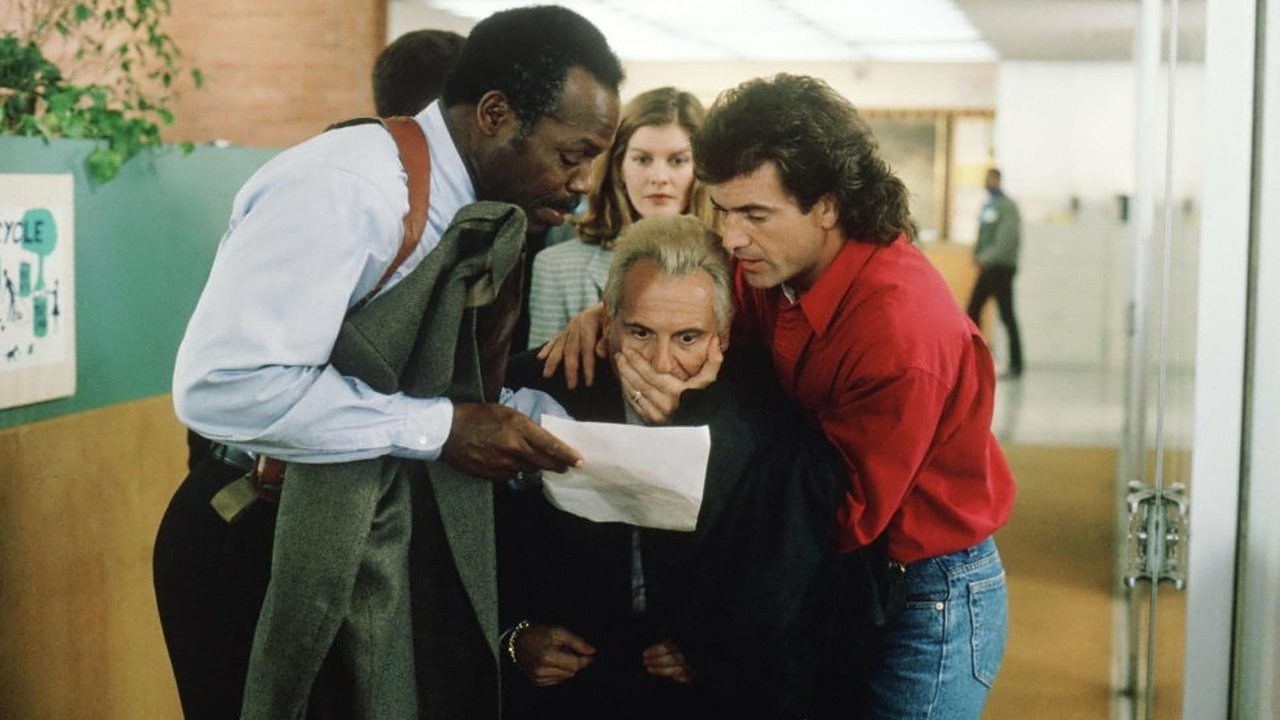
And then there's Joe Pesci as Leo Getz, back from the second film and somehow even more manic. His role is significantly expanded here, serving as the squeaky wheel of comic relief (and occasional plot device). Whether you find Leo hilarious or grating probably depends on your tolerance for Pesci operating at peak motormouth energy, but he undeniably adds another layer of chaos to the mix. Okay, okay, okay!
### Action, 90s Style
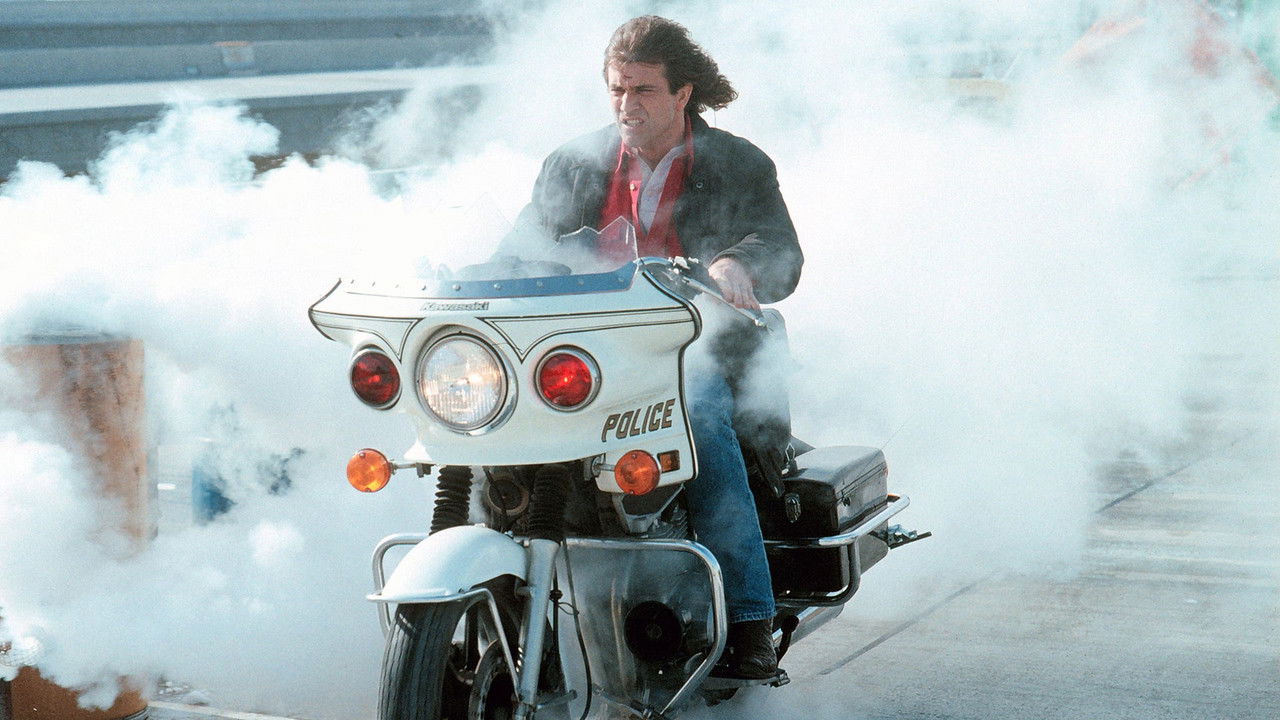
Donner, a master of the genre who also gave us Superman (1978) and The Goonies (1985), knows how to stage action. Lethal Weapon 3 is packed with it. Beyond the opening spectacle, we get intense shootouts, brutal fistfights, and a thrilling freeway chase involving an armored truck that feels genuinely dangerous. The bullets spark off metal with visceral thwacks, the cars crunch and flip with bone-jarring weight – it's all gloriously tangible. This was the era of expert stunt coordination, squibs that looked like real impacts, and putting performers in harm's way (safely, we hope!) for maximum effect. You can almost smell the cordite and burning rubber just thinking about it.
The plot itself, involving stolen police weapons and "cop killer" bullets finding their way onto the streets, feels very early-90s topical. The villain, former LAPD lieutenant Jack Travis (Stuart Wilson), is perhaps less memorable than the antagonists of the first two films – serviceable, certainly, but lacking the same sinister charisma as Mr. Joshua or the South African diplomats. It sometimes feels like the plot exists primarily to string together the next action sequence or comedic riff between the leads.
### More Than Just Bangs and Laughs
Despite the lighter comedic tone compared to the gritty original, the film still touches on the established themes – Riggs' lingering grief, Murtaugh's anxieties about retirement and keeping his family safe. And let's not forget the music! The score, once again featuring the talents of Michael Kamen, Eric Clapton, and David Sanborn, is instantly recognizable, that bluesy guitar riff becoming synonymous with the franchise. Plus, this film gave us the chart-topping theme song "It's Probably Me" by Sting and Clapton, a smooth counterpoint to the on-screen mayhem.
Hitting theaters in May 1992, Lethal Weapon 3 was a commercial juggernaut. Against a reported budget of $35 million, it pulled in over $320 million worldwide, proving the magic was indeed still potent for audiences. Critics were perhaps a little more reserved compared to the earlier entries, noting the increased reliance on formula, but audiences didn't care. We lined up for the Riggs and Murtaugh show, and Donner delivered exactly what we craved. I distinctly remember the buzz surrounding its release; it felt like the action movie event of that summer.
---
VHS Heaven Rating: 7/10
The Justification: While it doesn't quite reach the raw intensity of the original or the near-perfect blend of action and character in the second, Lethal Weapon 3 is still prime early-90s blockbuster entertainment. The chemistry between Gibson, Glover, and newcomer Russo crackles, Pesci adds his unique brand of chaos, and the practical action set pieces are genuinely spectacular and thrilling in that tangible, pre-CGI way. The plot might be thinner and the villain less compelling, but the sheer energy, humor, and Donner's confident direction make it an incredibly fun ride that holds up as superior sequel comfort food.
Final Thought: It might be the point where the formula started showing, but Lethal Weapon 3 still packed a massive, practically-realized punch that reminds you why these guys were the kings of the buddy-cop genre back when explosions felt real enough to singe your eyebrows through the CRT screen.