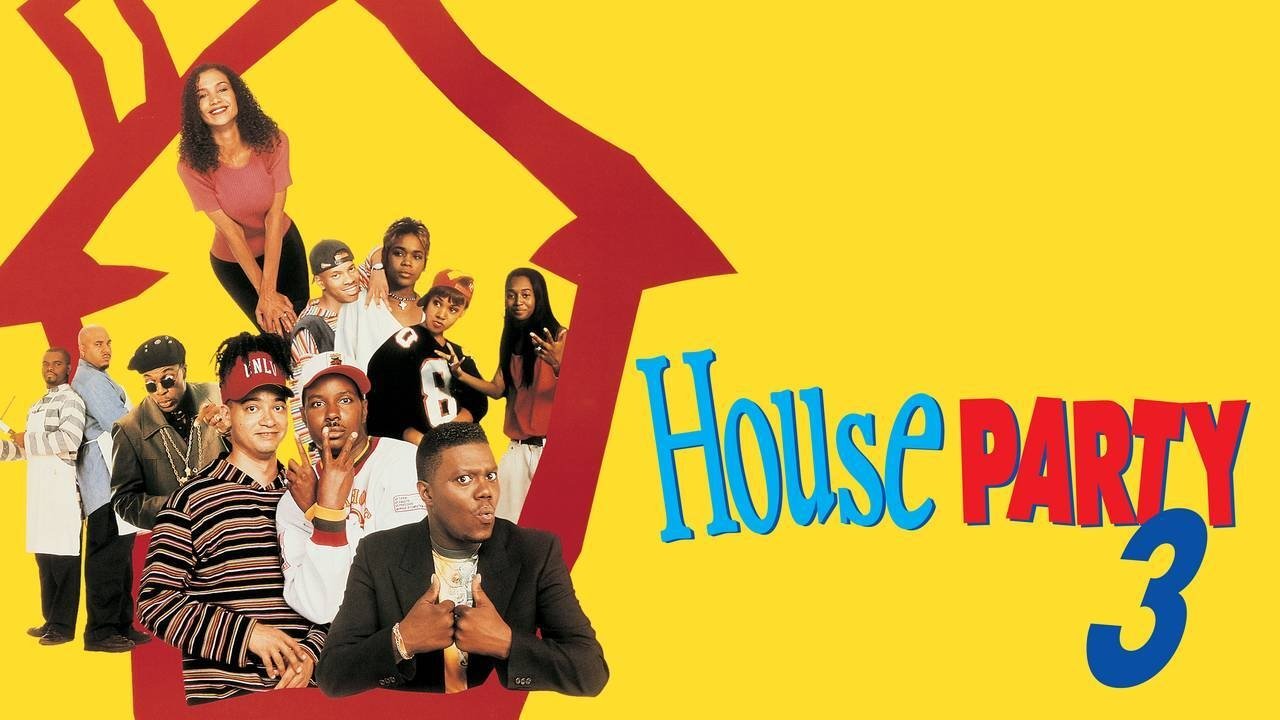
Alright party people, let's rewind the tape. You know that feeling? Standing in the video store aisle, maybe Friday night, scanning the comedy section. You loved House Party. You probably dug House Party 2. Then your eyes land on it: House Party 3. The cover looks familiar – Kid 'n Play are there, the logo’s right – but something feels… different. Kid’s in a tux? Play’s looking serious? Curiosity wins. You grab the tape, maybe some pizza, and head home, wondering if the third time could possibly be the charm.
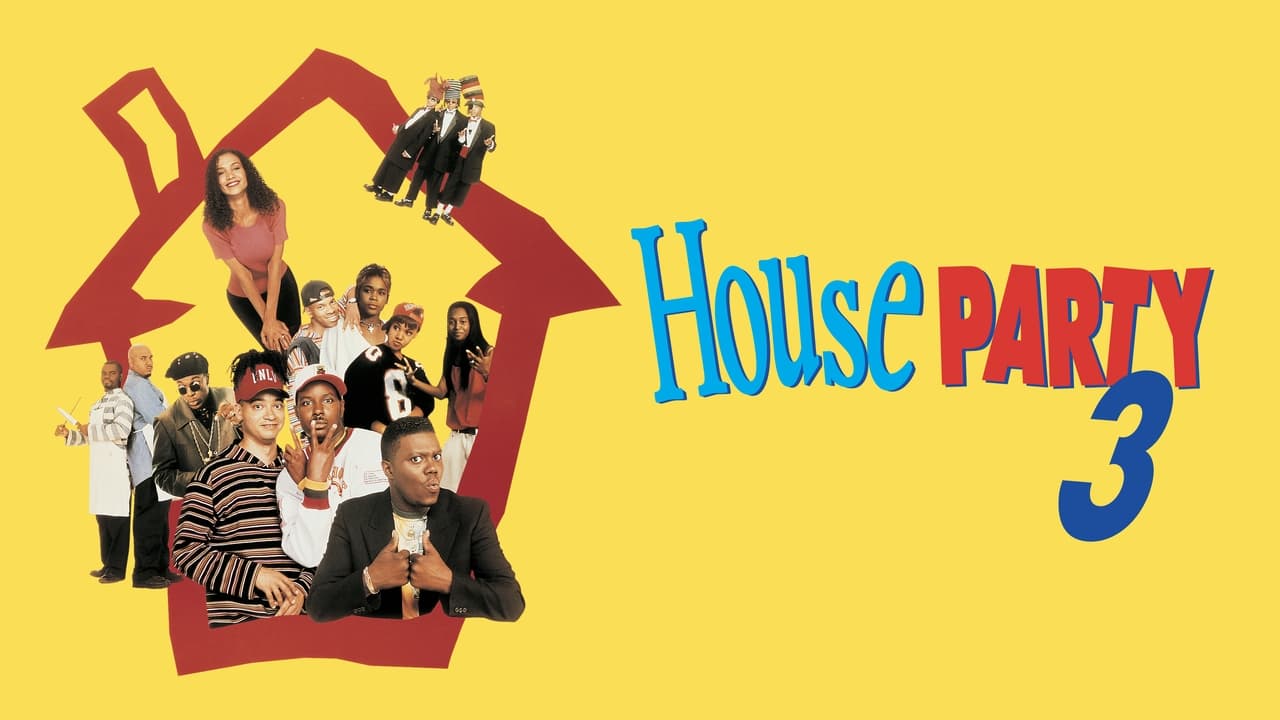
This 1994 entry finds our guys navigating adulthood, or at least the 90s hip-hop version of it. Christopher "Kid" Reid is trading his high-top fade for holy matrimony, engaged to the lovely Veda (played by Angela Means, later famous as Felisha in Friday). Christopher "Play" Martin, meanwhile, is leaning into the business side, managing a squeaky-clean kid group called Immature (yes, that Immature, later known as IMx – talk about a time capsule!). The plot? Kid needs one last blowout bachelor party before tying the knot, while Play tries to keep his new protégés – and his own interests – in line.
Growing Pains and Shifting Vibes
Let's be real, the magic of the Reginald Hudlin-directed original (1990) – that lightning-in-a-bottle mix of infectious energy, sharp social commentary, and genuine heart – is harder to find here. With new director Eric Meza (primarily known for music videos before this) at the helm, and writers Takashi Bufford (Set It Off) and David Toney penning the script, House Party 3 feels less like a continuation and more like an attempt to adapt the formula for a slightly changed landscape. Kid feels genuinely ready to settle down, which kind of deflates the anarchic joy we loved. Play’s storyline as a manager feels a bit tacked on, mostly serving to introduce Immature and give them performance time. It’s not bad, just… different. The freewheeling, almost improvisational feel of the first film is replaced by more structured comedic set pieces.
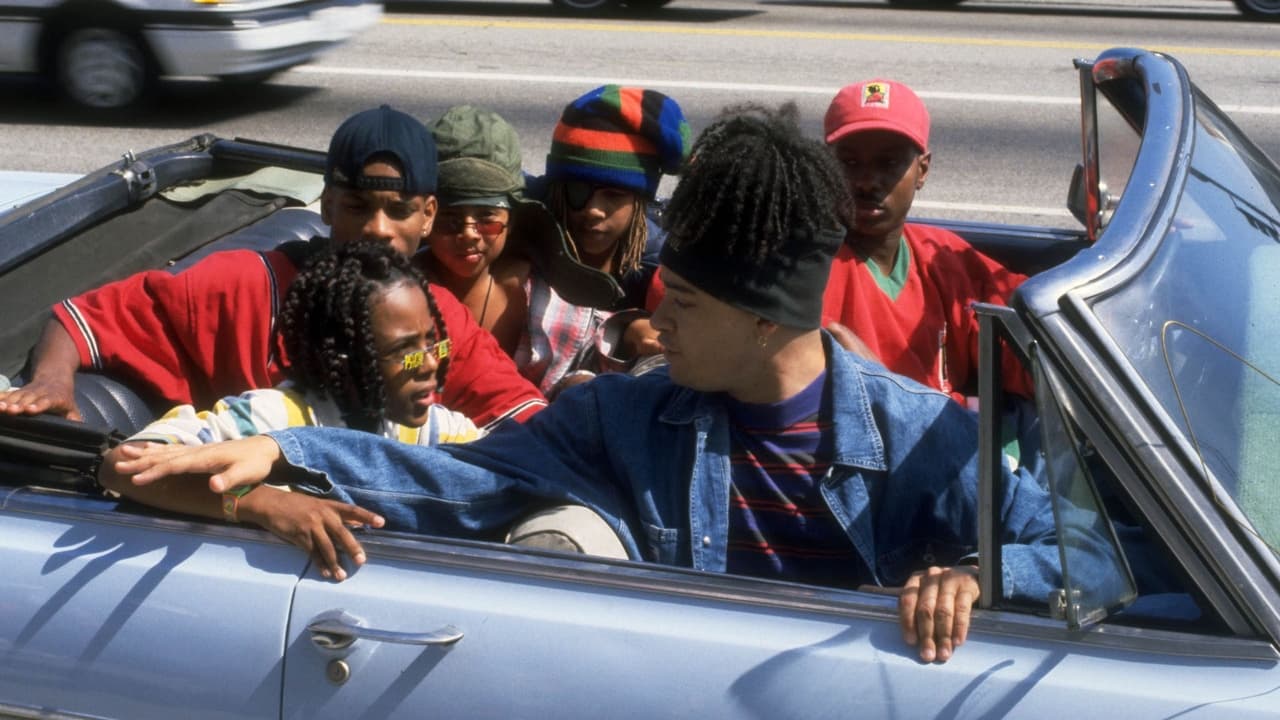
Remember how the first movie felt like your friend's party somehow got filmed? This one feels more like, well, a movie. It’s slicker in some ways, but loses some of that raw, unpredictable charm that made popping the original House Party VHS into the machine feel like an event. Even the brief appearances of franchise favorites like Tisha Campbell and A.J. Johnson feel more like contractual obligations than organic parts of the story. The absence of figures like Martin Lawrence, or the irreplaceable spirit of the late Robin Harris (whose Pop character defined so much of the original's humor), is definitely felt.
But Hold Up... Enter Uncle Vester
Just when you might think this party’s a bit of a dud, the screen explodes. I’m talking about the arrival of Uncle Vester, played by a force of nature named Bernie Mac. In his feature film debut, Mac doesn't just steal scenes; he grabs them, throws them over his shoulder, and runs off cackling. His portrayal of Kid’s crude, hilariously inappropriate uncle attending the bachelor party is pure, uncut comedic brilliance. Every line reading, every glare, every aggressively questionable piece of advice feels like a jolt of adrenaline directly into the film's heart. Honestly, watching it now, Bernie Mac's performance is the reason to revisit House Party 3. It’s a preview of the comedy legend he would become, and his energy feels completely unrestrained, almost dangerous in its hilarity. It’s no surprise his career took off after this.

The Party Itself: Mid-90s Time Capsule
Okay, so the plot meanders and the original spark isn't quite as bright. But the party scenes? They still deliver a certain kind of nostalgic kick. The fashion is pure, unadulterated 1994 – the baggy jeans, the vibrant colors, the hairstyles. The soundtrack bangs in that specific mid-90s R&B/Hip-Hop way. Immature’s performances are earnest, a snapshot of kid group choreography from the era. The bachelor party chaos, involving mistaken identities, nosy relatives, and Kid trying desperately to avoid disaster before his wedding day, provides some genuine laughs. It might not reach the comedic highs of its predecessors, but there’s an undeniable energy to these sequences, a kind of controlled chaos that feels very true to the era. It’s the kind of stuff that looked perfectly normal on a slightly fuzzy CRT, maybe even funnier because of the low-fi presentation.
Despite not quite capturing the magic, House Party 3 wasn't a financial disaster. It reportedly pulled in over $19 million on a $5 million budget, proving there was still an audience eager to hang with Kid 'n Play. Critically, though, it was largely seen as a step down, signaling the end of the franchise's theatrical run (later installments went straight-to-video, best left forgotten on the bottom shelf).
The Verdict
House Party 3 is undeniably the lesser sibling in the original trilogy. The plot feels stretched, the character arcs less compelling, and that lightning-in-a-bottle energy has dissipated somewhat. I remember renting this back in the day, maybe from a Phar-Mor or a local spot, hoping for that same feeling as the first two, and being just a little let down.
However, dismissing it entirely would be a mistake. It’s a fascinating time capsule of mid-90s style and music, features the absolute eruption of Bernie Mac onto the comedy scene, and still offers some decent laughs and party vibes. Kid 'n Play remain likeable leads, even if the material isn't quite as strong. It’s like that third slice of pizza – maybe not as satisfying as the first, but hey, it’s still pizza.
Rating: 5/10
The score reflects a film that’s a significant drop-off from the classic original, with a weaker script and less infectious energy. However, Bernie Mac's legendary performance single-handedly bumps it up a point or two, and the undeniable 90s nostalgia factor keeps it from being a total write-off for fans of the era.
Final Take: Worth popping in for a dose of 90s nostalgia and a masterclass in scene-stealing from Bernie Mac, but keep your expectations calibrated – this party peaked a few years earlier.