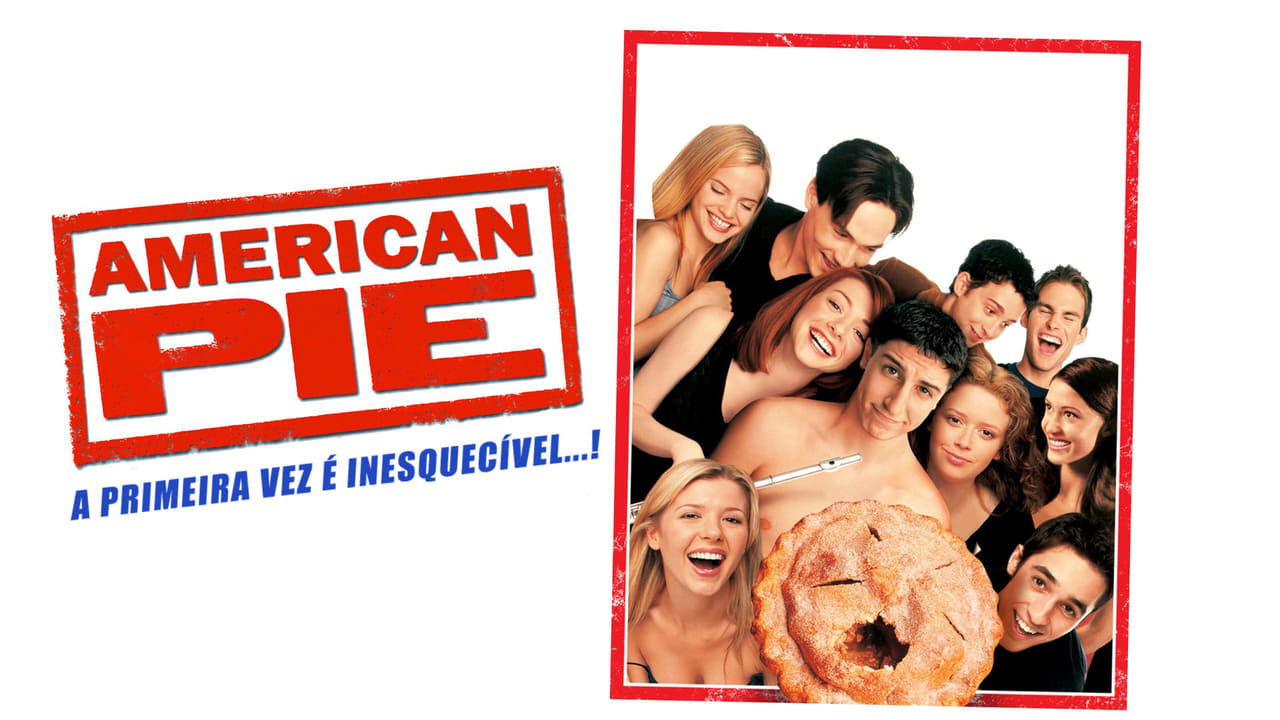
Okay, rewind your mind. Picture this: it's 1999. The dial-up modem is screeching its siren song, frosted tips might still be lurking somewhere nearby, and the local video store just got a shipment of American Pie. Maybe you heard the buzz, maybe you just grabbed the box with the awkward-looking kid holding a pie, but firing up that VHS tape unleashed something... different. It wasn't just another teen movie; it felt like a cultural grenade wrapped in awkward fumbling and bodily fluids, and honestly, we hadn’t seen anything quite like it.
That Infamous Pastry and the Pact
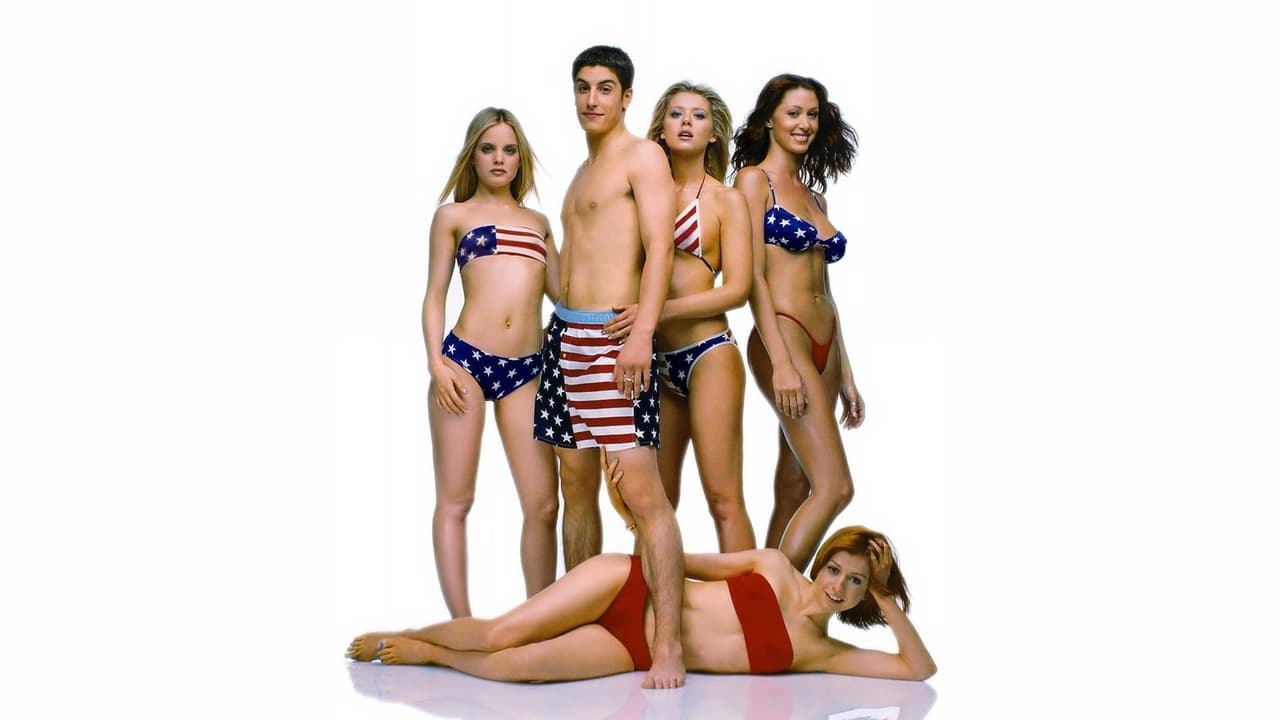
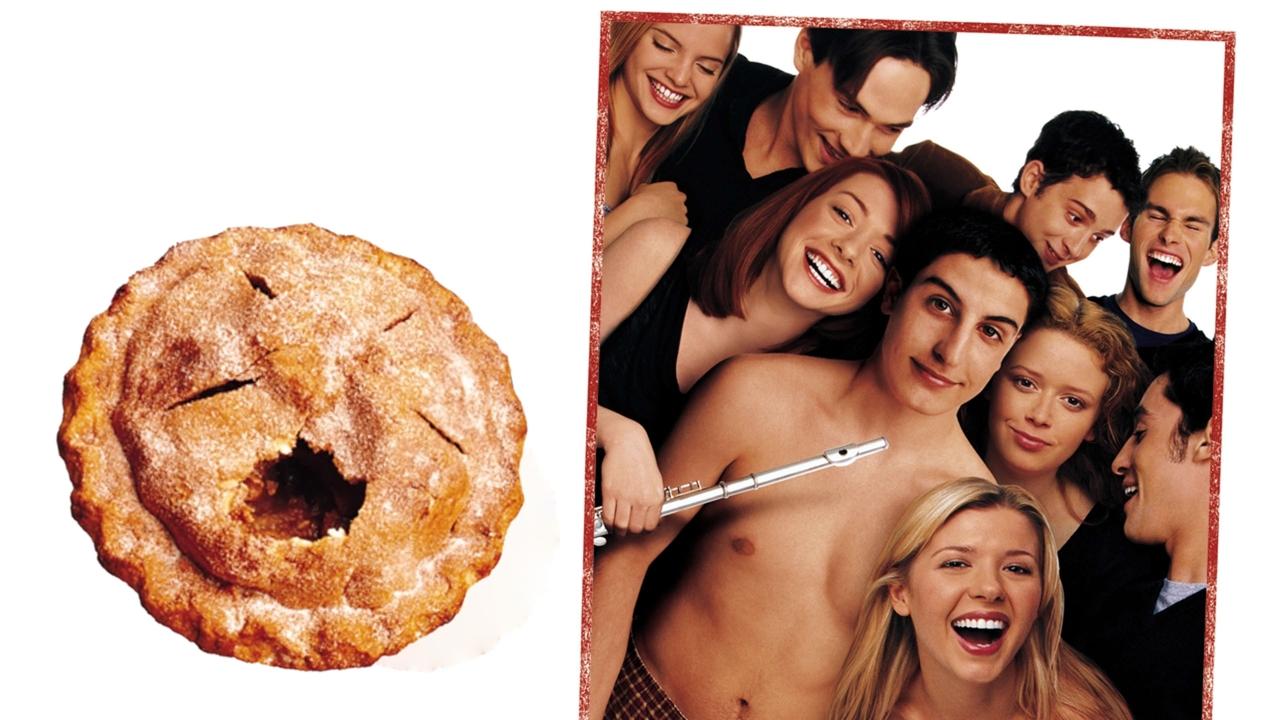
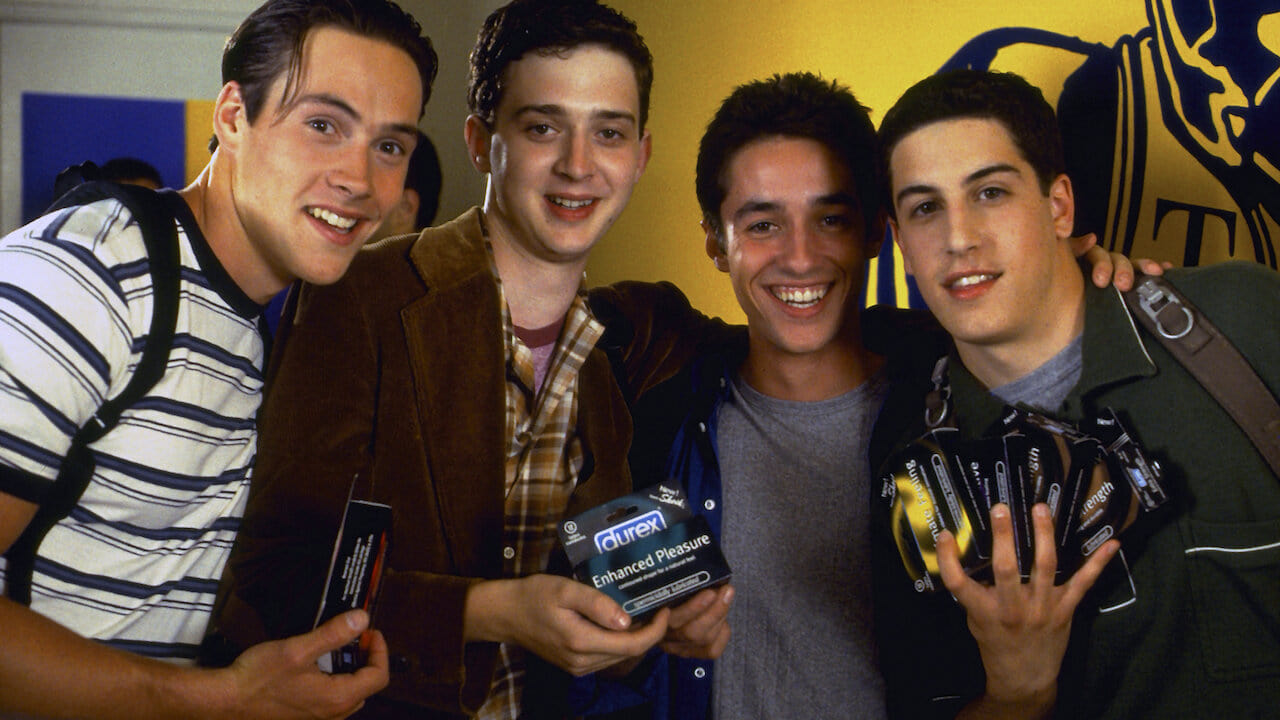
Let's get it out of the way: yes, the pie scene. It’s the moment forever burned into the collective consciousness of anyone who saw this film around its release. Starring a perfectly cast, perpetually uncomfortable Jason Biggs as Jim Levenstein, this sequence transcended mere gross-out humor; it became a bizarrely iconic cinematic landmark. But American Pie wasn't just about pastry desecration. At its core, it was about four friends – Jim, the sensitive Oz (Chris Klein), the relationship-focused Kevin (Thomas Ian Nicholas), and the sophisticatedly nerdy Finch (Eddie Kaye Thomas) – making a pact to lose their virginity before high school graduation. It’s a classic teen movie setup, but writer Adam Herz, drawing loosely from his own high school days, injected it with a level of frankness (and outrageousness) that felt shockingly new. Herz actually sold the script speculatively for a reported $650,000, a hefty sum for a first-timer, showing the studio saw potential gold even then.
The film managed a tricky balancing act. For every moment designed purely to make you squirm or roar with laughter – think webcams, unfortunate lacrosse incidents, or anything involving Stifler – there was a surprising undercurrent of sweetness and relatability. Jim's excruciating awkwardness, Kevin and Vicky’s (Tara Reid) navigating the end of a high school relationship, Oz finding unexpected connection with the choir girl Heather (Mena Suvari)... it grounded the absurdity. It felt, in its own heightened way, kind of real, capturing that potent mix of hormones, anxiety, and cluelessness that defines the teenage experience for so many. Remember how genuinely charming Oz and Heather’s storyline felt amidst the chaos?
Unleashing Stifler and the Perfect Dad
Of course, you can't talk American Pie without talking about Steve Stifler. Seann William Scott didn't just play a character; he unleashed a force of nature. Stifler was the id of the late 90s high school party scene incarnate – obnoxious, crude, obsessed with scoring, yet somehow possessing a magnetic energy that made him impossible to ignore. It's a retro fun fact that Stifler wasn't initially conceived as such a major character, but Scott’s audition performance was apparently so electrifyingly funny that the role was significantly beefed up. Thank goodness for that, because his hyperactive antics provide many of the film's most quotable (and often most outrageous) moments.
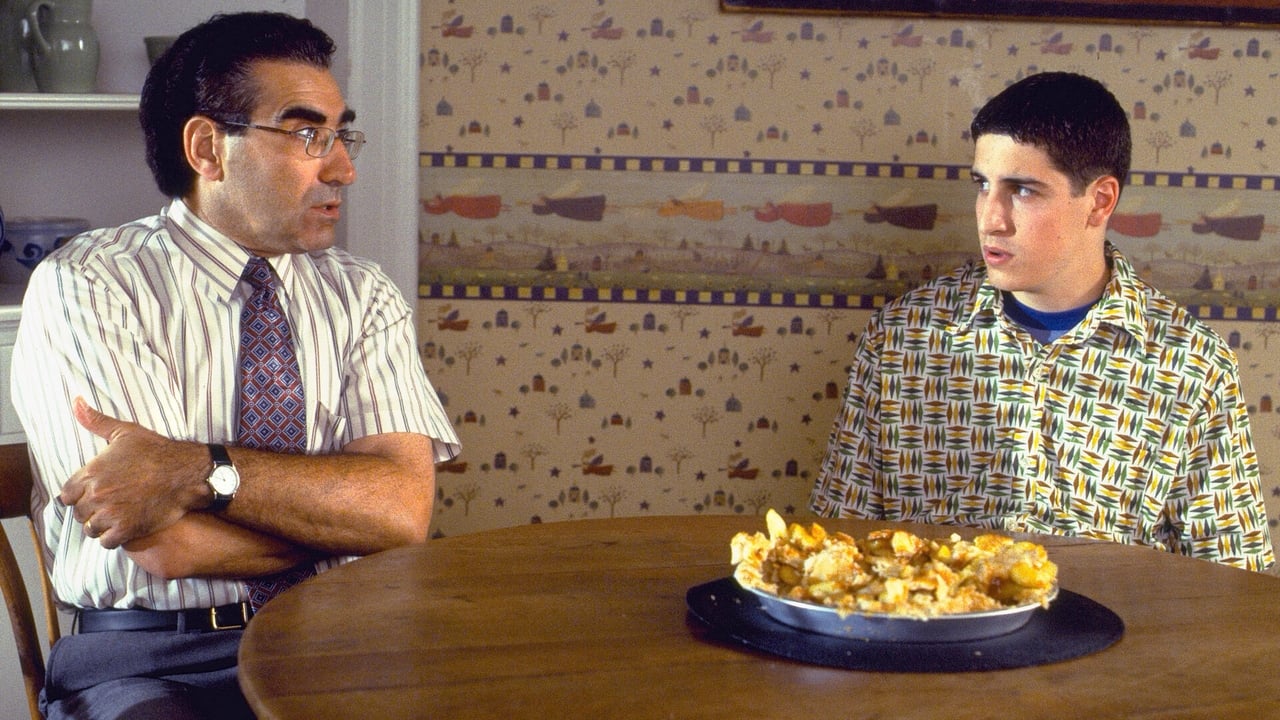
And then there's Jim's Dad. Eugene Levy's performance as Noah Levenstein is a masterclass in comedic support. Armed with impenetrable earnestness and disastrously well-meaning advice ("We'll just tell your mother that... we ate it all."), Levy created one of the most memorable movie dads ever. His scenes with Biggs are comedy gold, perfectly capturing the excruciating embarrassment of discussing anything sexual with a parent. Levy, a veteran of SCTV alongside future Pie franchise star Catherine O'Hara, brought an improvisational flair that elevated the character beyond a simple trope. Director Paul Weitz (alongside his uncredited co-directing brother, Chris Weitz, who would later direct films like About a Boy) knew exactly how to frame these interactions for maximum awkward hilarity.
Beyond the Gross-Out: A Genre Resuscitator
Filmed primarily in Southern California locations doubling for the fictional Michigan town, American Pie faced potential ratings hurdles, nearly landing an NC-17 before trims were made to secure the crucial R-rating. Made for a relatively modest $11 million, its subsequent $235 million worldwide gross was phenomenal, proving there was a massive audience hungry for comedies that pushed boundaries. It didn't just make money; it arguably revitalized the entire R-rated teen comedy genre, kicking off a wave of similar films throughout the early 2000s (and spawning a whole American Pie franchise of its own, of decidedly varying quality).
Watching it now, sure, some of the jokes land differently, and the late 90s fashion and tech are a time capsule in themselves. But the core appeal remains. The soundtrack still bangs with tracks like Blink-182's "Mutt," perfectly capturing the era's pop-punk energy. The camaraderie between the guys feels authentic, and the film’s secret weapon was always its heart. Hidden beneath the layers of crude humor was a story about friendship, insecurity, and the messy transition to adulthood. It's easy to dismiss as just "that pie movie," but doing so ignores the surprisingly effective blend of shock and sweetness that made it connect with so many. It captured a specific, fleeting moment in pop culture with unapologetic gusto.
VHS Heaven Rating: 8/10
Why the 8? American Pie wasn't high art, but it was a cultural phenomenon that perfectly balanced outrageous, boundary-pushing comedy with genuinely relatable characters and surprising heart. It revitalized a genre, launched careers (Alyson Hannigan's "band camp" stories became legendary!), and delivered iconic, unforgettable moments (for better or worse). It's incredibly specific to its time, which is part of its charm now, and Eugene Levy and Seann William Scott delivered all-timer comedic performances. It loses a couple of points because not all the humor has aged gracefully, but its impact and sheer nerve are undeniable.
Final thought? For all its infamous raunch, American Pie feels almost quaint compared to some modern comedies, but popping in that metaphorical VHS reminds you just how potent and surprisingly sweet that slice of late-90s rebellion really was. It earned its spot on the rental shelf.