Alright, fellow tapeheads, dim the lights, maybe crack open a Jolt Cola (if you can still find one), and let's talk about a movie that probably raised a few eyebrows back at Blockbuster. You’d scan the horror section, maybe the comedy aisle, and then... wait, Wes Craven and Eddie Murphy? Together? On one tape? That incongruous pairing alone was enough to make you snatch 1995's Vampire in Brooklyn off the shelf, rewind obligations be damned.
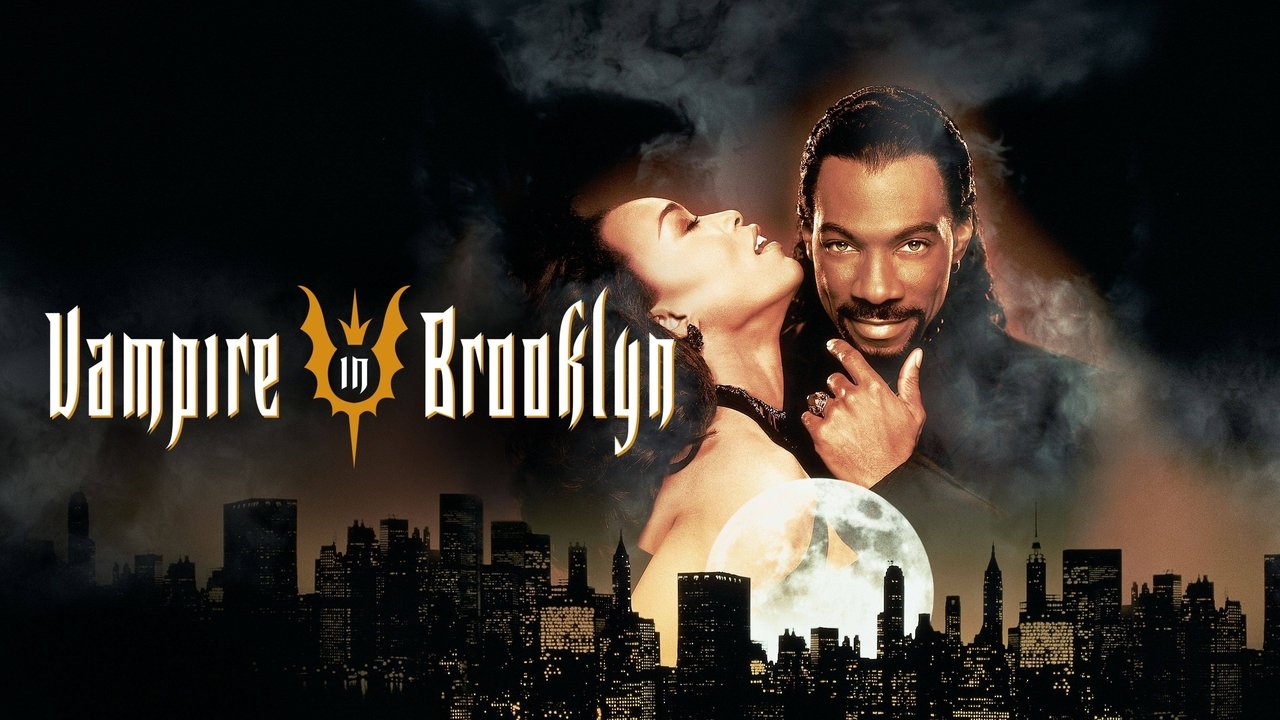
This wasn't your typical Craven screamfest, nor was it the rapid-fire Murphy stand-up vehicle we’d come to expect. It was... something else. A fascinating, flawed, and ultimately unforgettable concoction that landed with a bit of a thud back then but holds a strange, almost cult-like charm today, especially viewed through the forgiving static of memory (and maybe a slightly worn-out VHS head).
A Strange Brew Indeed
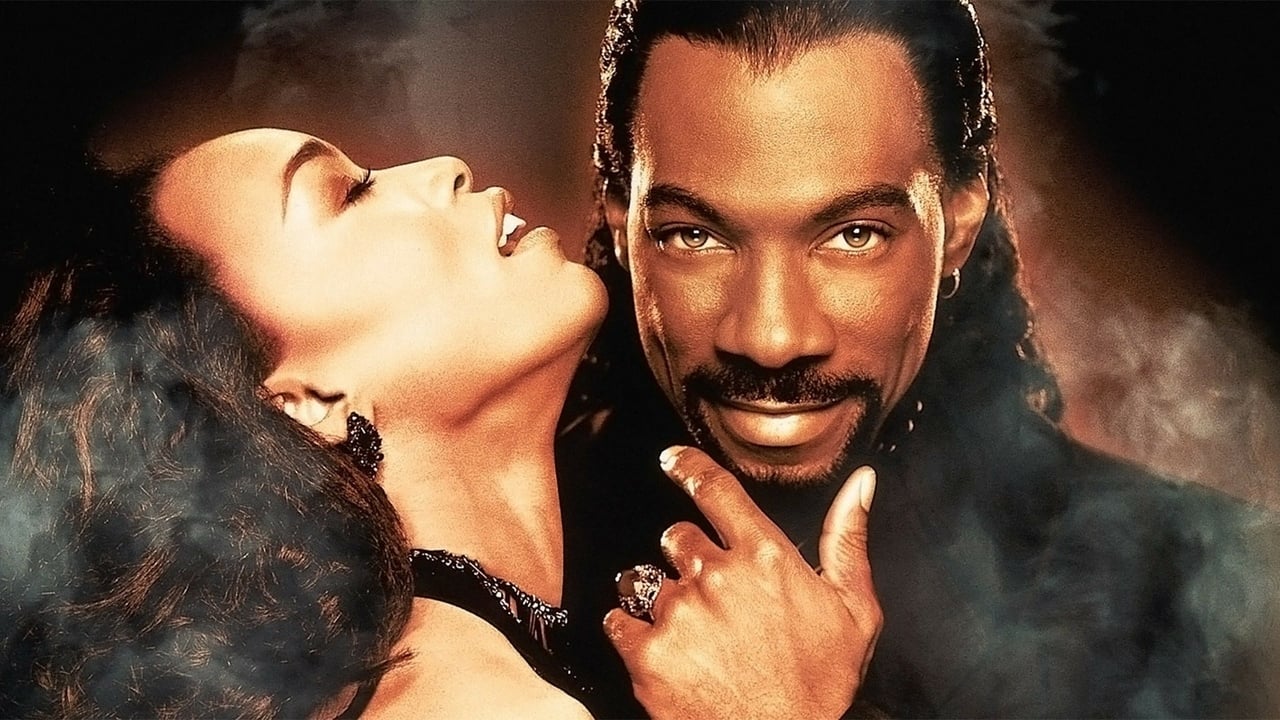
The premise drops Maximillian (Eddie Murphy), the last of a Caribbean vampire lineage, smack-dab into Brooklyn. He's suave, deadly, and desperately searching for a specific woman – Rita Veder (Angela Bassett), a troubled NYPD detective haunted by strange visions. Why her? She’s a dhampir, the half-human daughter of his vampire father, and Max needs her to embrace her heritage and become his eternal mate before the next full moon to ensure his line doesn't die out. Standing awkwardly in the middle is Rita’s partner, Justice (Allen Payne), who offers both romantic competition and a dose of grounded reality amidst the supernatural chaos.
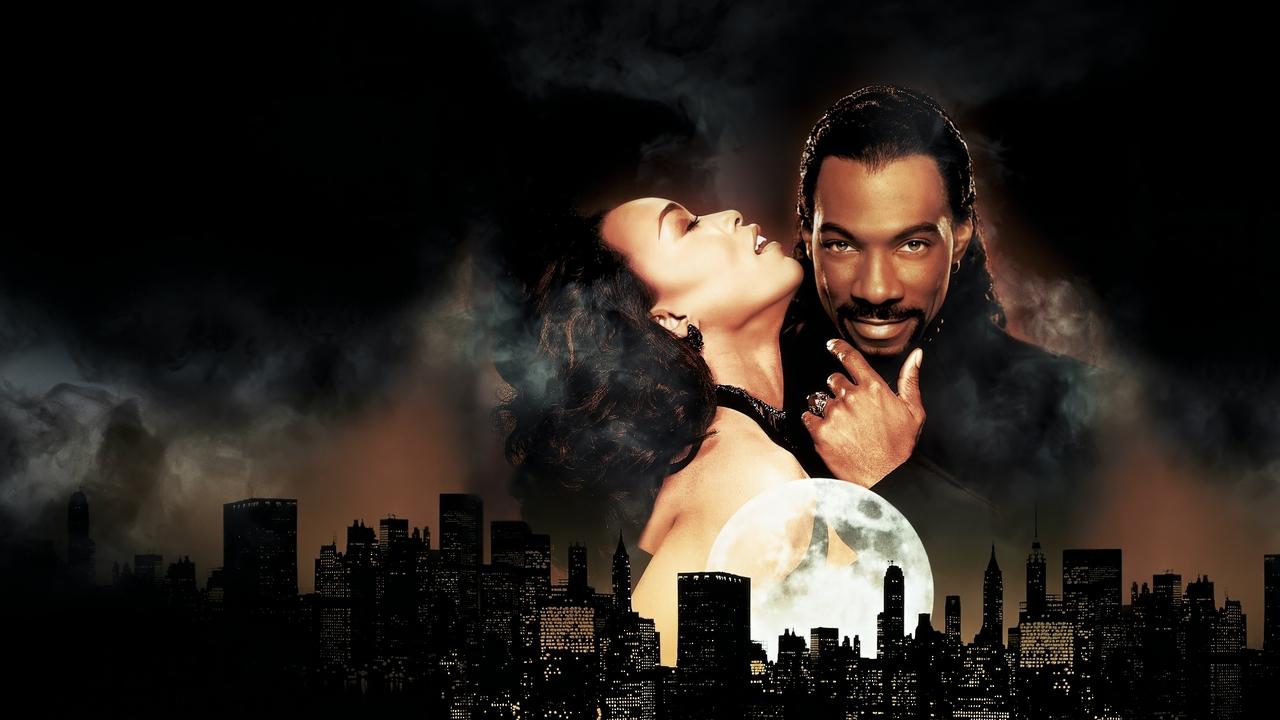
It’s a plot that feels both familiar (vampire seeks mate) and refreshingly specific (the Caribbean folklore angle, the Brooklyn setting). What makes it truly unique, though, is the tonal tightrope walk. This is a film trying to be genuinely scary one minute and broadly comedic the next, often within the same scene. Does it always work? Honestly, no. But when it almost does, there's a weird energy to it that’s pure mid-90s ambition. You have genuine moments of Craven-esque suspense – Max stalking Rita, the unsettling dream sequences – slammed right up against Murphy doing broad character comedy.
Murphy Pulls... Triple Duty?
Let's talk about Eddie Murphy. This project was reportedly a passion project for him, conceived years earlier, and he clearly relished playing the charismatic, ancient vampire Maximillian. He brings a certain theatrical flair to the role, leaning into the accent and the old-world menace. But this being an Eddie Murphy joint, he couldn't resist pulling double (well, triple) duty. He also appears, buried under latex, as Guido, a foul-mouthed Italian-American gangster, and Preacher Pauley, an alcoholic man of the cloth. It's a move straight out of his Coming to America playbook, and while technically impressive (the makeup effects were pretty solid for the time), these secondary characters often feel shoehorned in, pulling focus and sometimes derailing the horror-romance tone with jarring slapstick. It's almost like two different movie ideas wrestling for control within the same runtime. A little-known fact: Murphy's own older brother, Charles Q. Murphy (yes, that Charlie Murphy, RIP), co-wrote the screenplay, adding another layer to the family affair behind this unique vision.
Craven's Unlikely Canvas
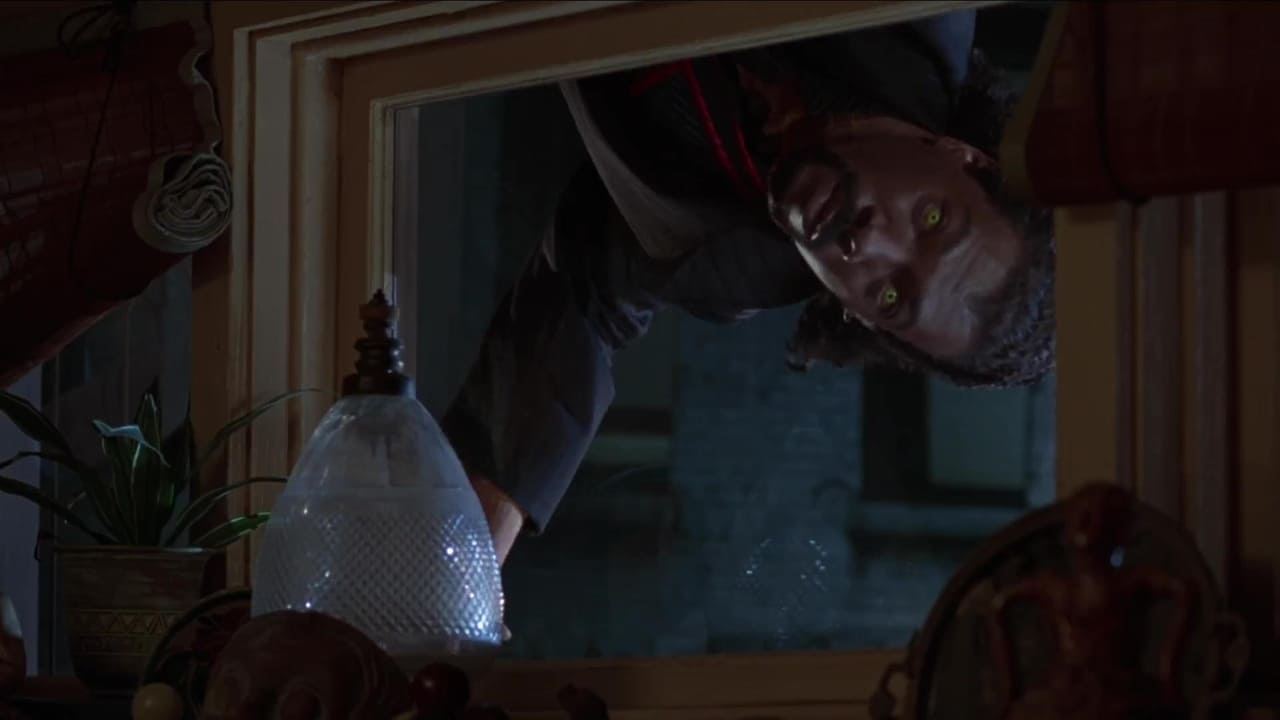
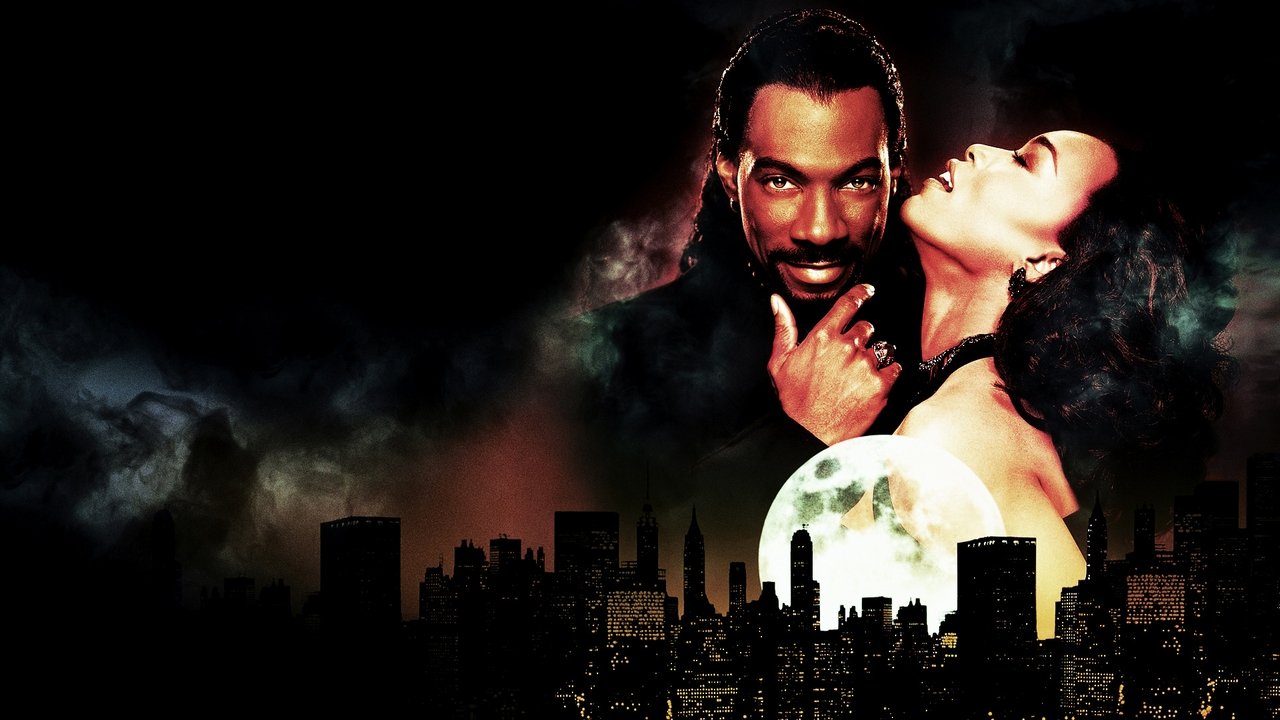
And what about the maestro of horror, Wes Craven, hot off the meta-slasher success of New Nightmare (1994)? He actually turned the film down initially, apparently hesitant about the comedic elements clashing with his horror sensibilities. You can almost feel that tension on screen. Craven delivers some genuinely atmospheric moments: the derelict ship arriving in the harbor, the shadowy alleys of Brooklyn, a few effectively staged vampire attacks. There’s a visual darkness here that feels distinctly Craven. Remember the scene where Max transforms? While maybe not state-of-the-art now, there was a tactile, almost gruesome quality to some of the practical transformation gags back then – that sense of stretching skin and popping bones felt visceral on a fuzzy CRT. It wasn't quite the visceral body horror of The Fly (1986), but it aimed for something tangible before CGI smoothed everything over.
However, you also sense moments where he might be holding back, or perhaps struggling to reconcile Murphy's comedic impulses with the gothic horror plot. The result is a film that feels less cohesive than Craven's best work, like A Nightmare on Elm Street (1984) or later, Scream (1996). Still, his directorial hand keeps the proceedings visually interesting, even when the script wobbles. And let's not forget the always incredible Angela Bassett. Fresh off her Oscar-nominated powerhouse performance in What's Love Got to Do with It (1993), she grounds the film, bringing gravitas and emotional weight to Rita's internal struggle. Her chemistry with both Murphy and Allen Payne provides the film's crucial human element.
Box Office Blood and VHS Afterlife
Upon release, Vampire in Brooklyn wasn't exactly a critical darling or a box office titan. It cost a reported $14 million but only clawed back around $19.8 million domestically – not the hit Paramount or Murphy likely hoped for. Critics were largely unkind, pointing out the uneven tone and Murphy's less successful comedic turns. It felt like a film caught between audiences – not funny enough for Murphy fans, not scary enough for Craven devotees.
But here’s the thing about the VHS era: movies found second lives. Tucked away on rental shelves, Vampire in Brooklyn became one of those curious Saturday night picks. You knew the names, the premise was wild, and maybe, just maybe, it would be entertainingly weird. And often, it was! It’s a film whose ambition might have outstripped its execution, but its willingness to try something different – blending gothic horror, romance, broad comedy, and a specific cultural perspective – makes it stand out.
***
VHS Heaven Rating: 6/10
The Lowdown: Vampire in Brooklyn is a fascinating misfire, a bold genre smoothie that doesn't always blend perfectly but offers plenty of flavor. Murphy is magnetic as Maximillian (if less successful in his other guises), Bassett is reliably excellent, and Craven sprinkles in enough atmospheric horror to remind you who's behind the camera. The tonal whiplash can be jarring, and the comedy often undercuts the scares (and vice-versa), but its sheer oddity and ambition make it a memorable artifact.
Final Take: It's the kind of glorious mess the mid-90s occasionally produced – not quite a classic, definitely not a disaster, but a unique experiment well worth revisiting, especially if you remember the thrill of discovering such strange cinematic brews on those hallowed video store shelves. Just don't expect Coming to America meets Dracula; expect exactly what it is – Vampire in Brooklyn.