Alright, fellow tape travelers, let's rewind to 1992. Pull up a beanbag chair, maybe crack open a Jolt Cola (remember those?), because tonight we're sliding a well-loved cassette into the VCR: Reginald Hudlin's Boomerang. This wasn't your typical Eddie Murphy vehicle from the 80s raw-energy era; Boomerang was different. Sleek, sophisticated, and brimming with an almost impossibly charismatic cast, finding this gem on the rental shelf felt like discovering a secret handshake into grown-up cool.

### Uptown Player Gets Played
At its heart, Boomerang is a romantic comedy, but one draped in the sharp power suits and aspirational gloss of the early 90s corporate world. Eddie Murphy, who also co-wrote the story alongside veteran SNL and Coming to America scribes Barry W. Blaustein and David Sheffield, stars as Marcus Graham. Marcus isn't just successful in advertising; he’s a legendary ladies' man, treating relationships like marketing campaigns – conquer and move on. His world gets flipped, however, when his company merges with another, bringing in the formidable Jacqueline Broyer (Robin Givens), essentially the female version of Marcus. Suddenly, the player finds himself getting played, experiencing the receiving end of his own manipulative tactics. It’s a classic setup, but Boomerang elevates it with style and a killer ensemble.
### A Cast That Defines an Era
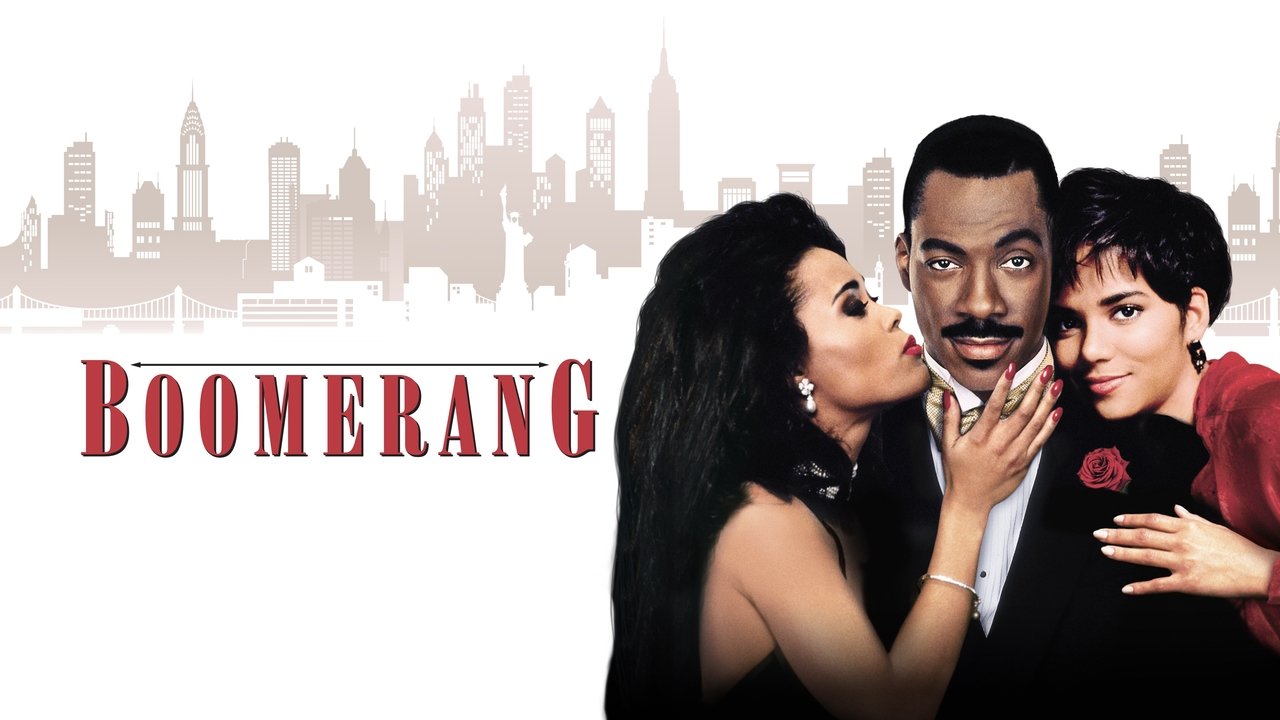
Forget just Eddie Murphy; this movie is an absolute treasure trove of talent, many caught right at pivotal moments in their careers. Murphy himself shifts gears here, toning down the manic energy for a smoother, more vulnerable performance (well, vulnerable for Marcus Graham). He's still got that million-dollar smile and impeccable timing, but there's a layer of consequence he has to navigate. Robin Givens is magnetic as Jacqueline – sharp, commanding, and utterly unapologetic. She absolutely owns every scene she's in, a perfect foil for Murphy's Marcus.
And then there's Halle Berry as Angela Lewis, the gentle, artistic soul who represents a different path for Marcus. This was the role that launched Berry into the stratosphere, and you can see why. She radiates warmth and genuine charm, holding her own beautifully against the comedic heavyweights. Speaking of which, the supporting cast is legendary! Martin Lawrence and David Alan Grier as Marcus’s best friends Tyler and Gerard steal scenes left and right, their banter feeling hilariously authentic. I still chuckle thinking about Gerard’s... unique... fashion sense. And who could forget the icons? Eartha Kitt sizzles as the cougar-ish Lady Eloise, head of the company acquiring Marcus's firm, delivering lines with that unmistakable purr. A young Chris Rock pops up as a mailroom guy obsessed with breaking into advertising. And then... there's Grace Jones. As the outrageous supermodel Strangé, she delivers one of the most bizarrely captivating performances of the decade. Apparently, much of her dialogue, including the infamous "MARCUS!" dinner scene, was largely improvised, adding to the wild, unpredictable energy she brought. It's pure chaotic brilliance.
### Slick Style and Killer Sounds
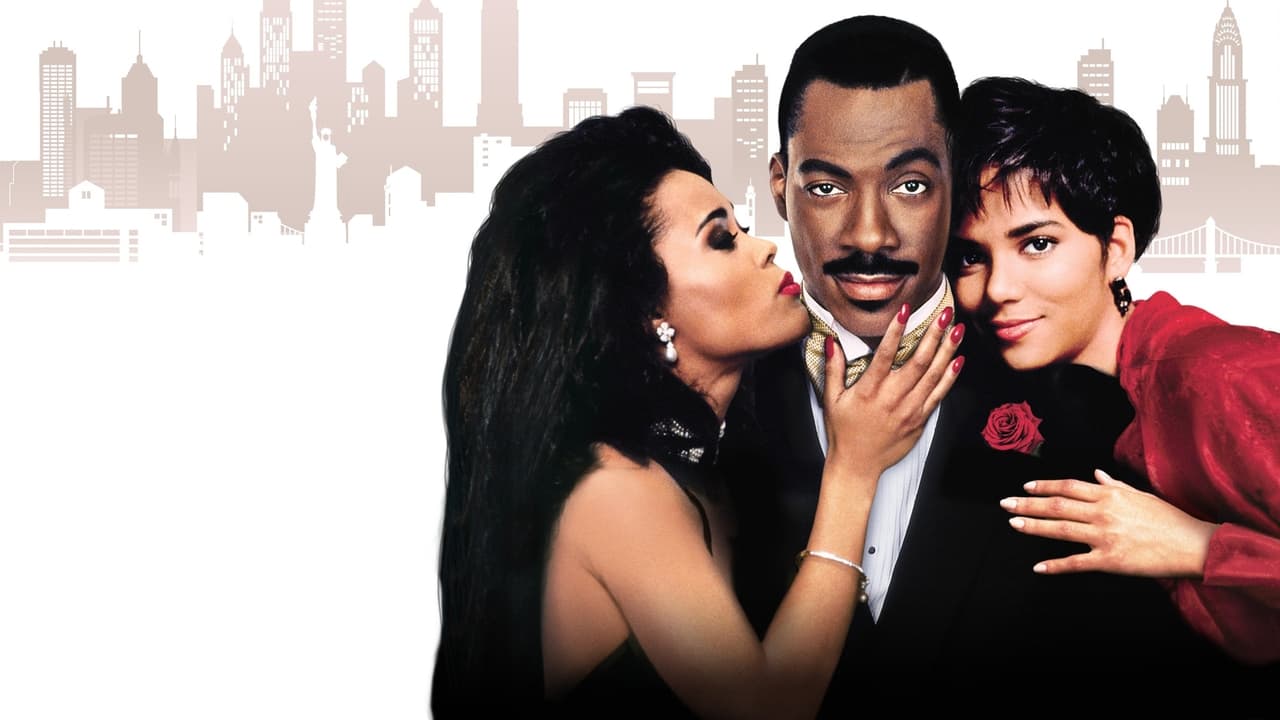
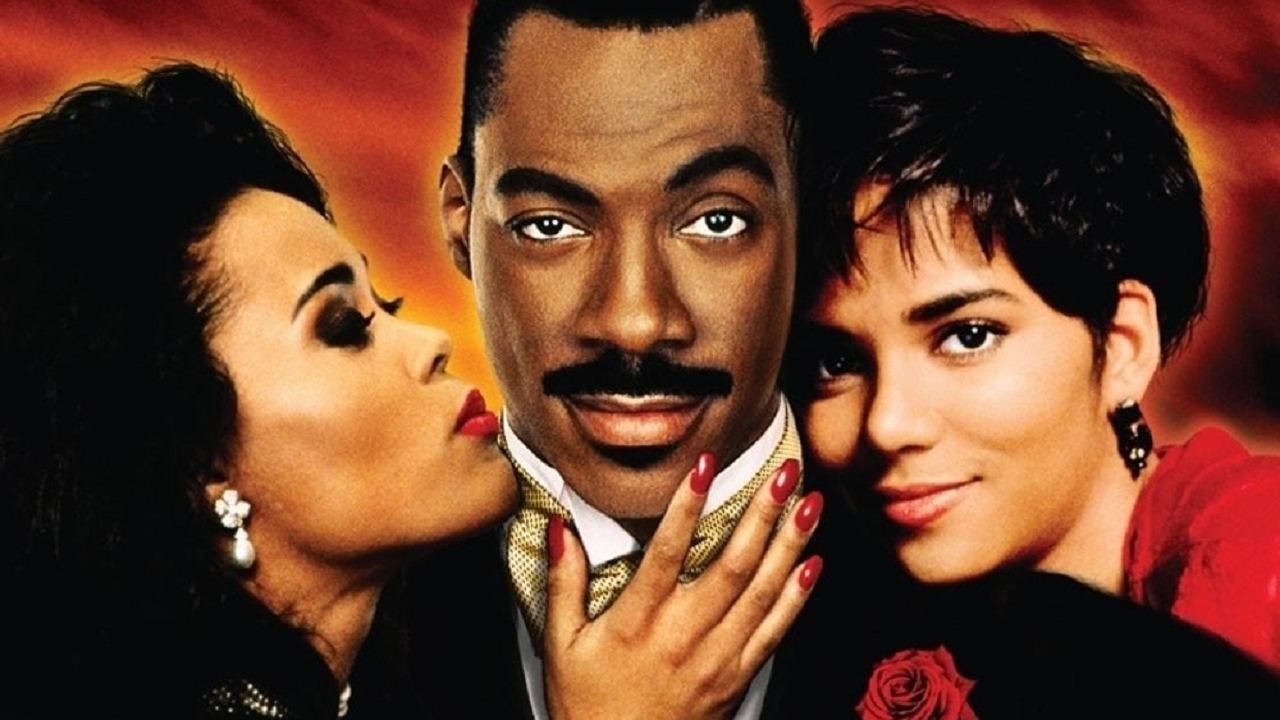
Director Reginald Hudlin, fresh off the success of his vibrant debut House Party (1990), proved he could handle a bigger budget and a more sophisticated tone without losing his edge. Boomerang looks expensive, filmed on location in New York City, capturing the high-flying world of advertising with glossy cinematography and impeccable production design. The fashion alone is a time capsule of early 90s power dressing – those shoulder pads could take an eye out! But beyond the visuals, the film’s vibe is cemented by its incredible soundtrack. Seriously, the Boomerang soundtrack was massive, hitting #1 on the Billboard R&B/Hip-Hop charts and spawning hits like Boyz II Men's "End of the Road." It wasn't just background music; it was integral to the film's smooth, romantic, and distinctly urban feel. This movie didn't just have scenes; it had moods, often dictated by that perfect R&B track.
The film wasn't cheap, costing around $40 million back in '92 (that's like $80+ million today!), but it paid off, pulling in over $131 million worldwide. It resonated, particularly as a major studio film showcasing black professionals in positions of power, love, and complexity – something still relatively rare at the time. It felt aspirational, funny, and genuinely romantic.
### Does it Hold Up?
Watching Boomerang now is like flipping through a stylish, slightly worn photo album. Some of the sexual politics definitely feel... of their time. Marcus's initial behavior is pretty caddish by modern standards, but the film smartly doesn't let him off the hook. The core story – about ego, vulnerability, and figuring out what genuine connection looks like – still works. The comedy, largely driven by the impeccable timing of the cast, remains sharp. And honestly, the sheer charisma radiating off the screen from Murphy, Givens, Berry, Lawrence, Grier, Jones, and Kitt is timeless. I remember renting this tape countless times, drawn back by the laughs, the style, and yes, that incredible soundtrack pulsing through the tinny speakers of my CRT TV.
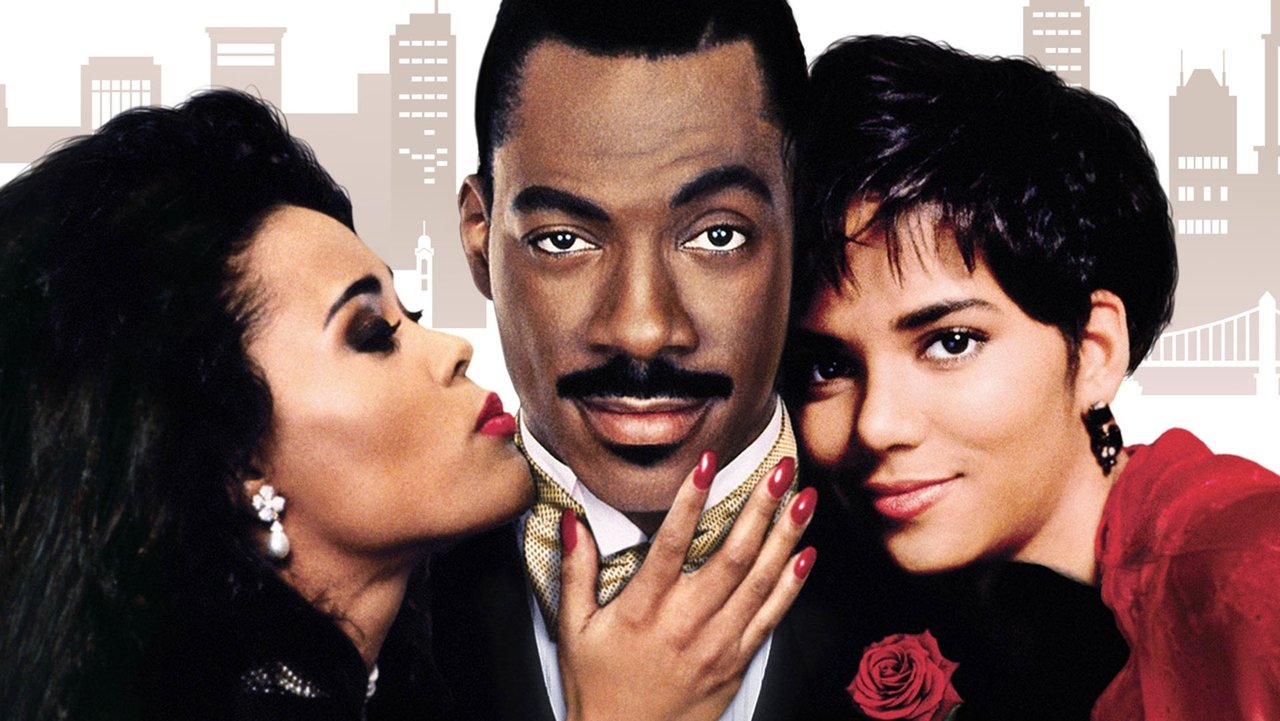
VHS Heaven Rating: 8.5/10
Justification: Boomerang earns this score for its landmark status as a sophisticated black romantic comedy, its absolutely stacked and perfectly utilized cast firing on all cylinders, Reginald Hudlin's slick direction, and an iconic soundtrack that defined an era. While some gender dynamics feel dated, the core themes, sharp humor, and sheer star power make it immensely rewatchable. It perfectly balances Eddie Murphy's comedic chops with genuine romantic stakes.
Final Take: More than just a comedy, Boomerang was a vibe – a glossy, funny, and surprisingly heartfelt snapshot of early 90s cool that proved Eddie Murphy could be smooth as well as explosive, all while launching careers and delivering unforgettable moments. It’s a tape definitely worth keeping near the top of the stack.