Alright, fellow tapeheads, let's rewind to the very cusp of the new millennium. The year is 2000, the dial-up modem is screeching its siren song, and nestled amongst the gritty action flicks and fading horror franchises on the rental shelf sits a brightly coloured box. It promises pep rallies and high school drama, maybe something you'd half-watch. But Bring It On? It turned out to be way more than just spirit fingers and teenage angst. This flick had bite, wit, and honestly, some jaw-dropping physical performances that felt like pure, unadulterated energy captured on film.
### More Than Just Pom-Poms
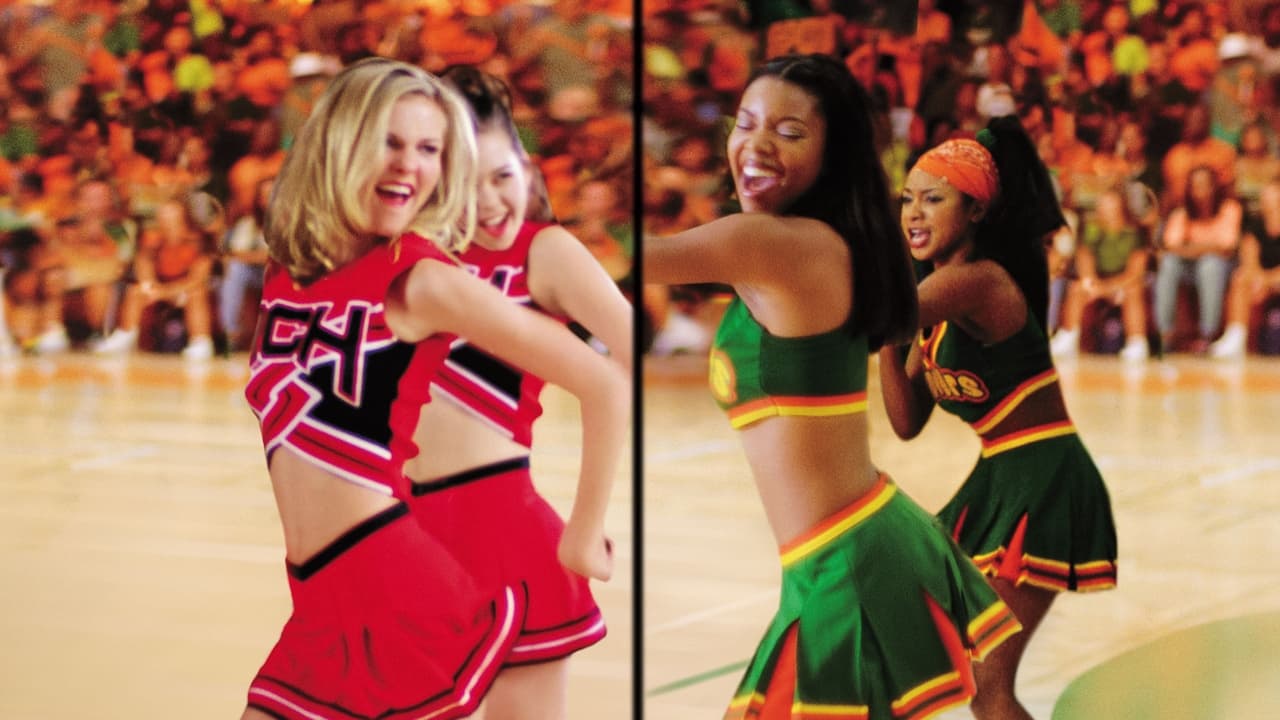
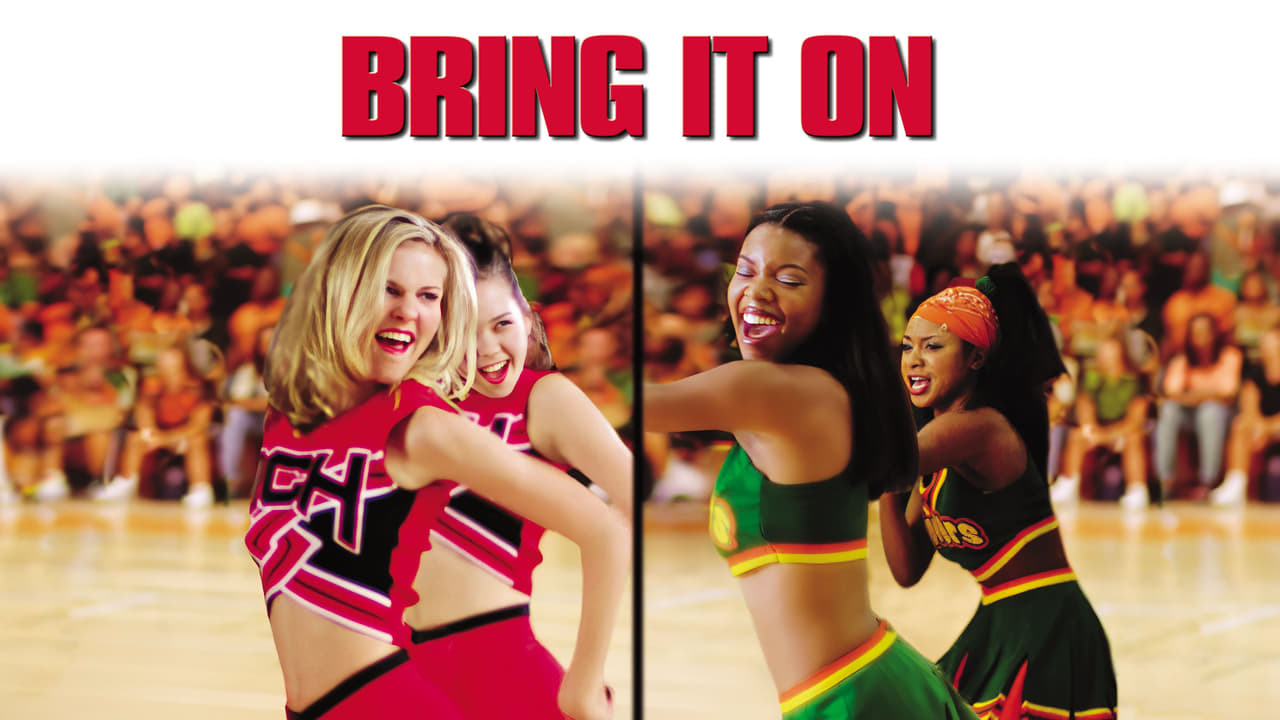
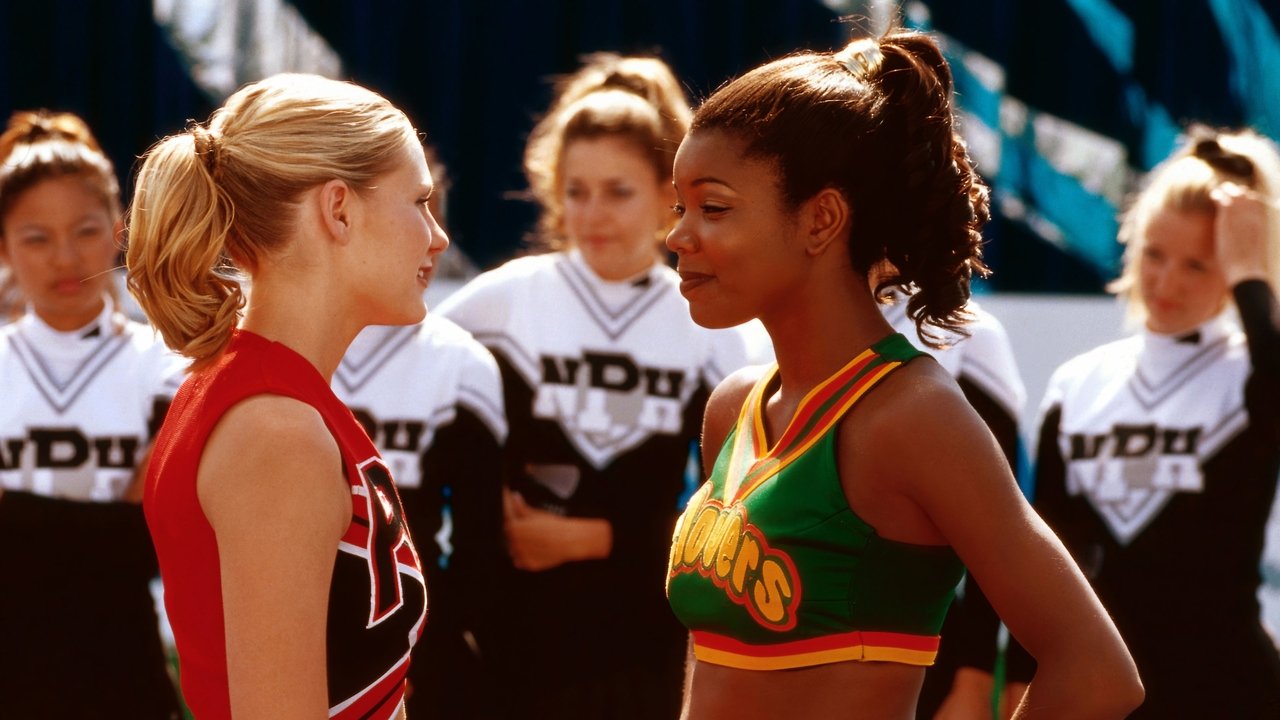
Dismissing Bring It On as just another teen movie is like calling Die Hard just another Christmas film. Sure, it's set in the hyper-competitive world of high school cheerleading, following the Toro squad from sunny Rancho Carne High, led by the newly minted captain Torrance Shipman (Kirsten Dunst, already a star but nailing the conflicted heart of the film). They're aiming for their sixth consecutive national championship. The problem? Torrance discovers their legendary routines were stolen wholesale from the East Compton Clovers, a fiercely talented, inner-city squad led by the formidable Isis (Gabrielle Union, radiating charisma and righteous anger).
What unfolds isn't just rivalry; it's a surprisingly sharp commentary on privilege, cultural appropriation, and authenticity, smuggled inside a candy-coated Trojan horse. Writer Jessica Bendinger, who immersed herself in the world of competitive cheerleading, crafted a script that crackled with quotable lines ("This is not a democracy, it's a cheer-ocracy!") and gave its characters, even the seemingly ditzy ones, moments of genuine depth. It’s a script that respects its subject matter while also having a blast with it. A little retro fun fact: Bendinger reportedly pitched the movie as "Clueless meets Strictly Ballroom," which perfectly captures its blend of smart satire and high-energy performance.
### The Real Action Heroes
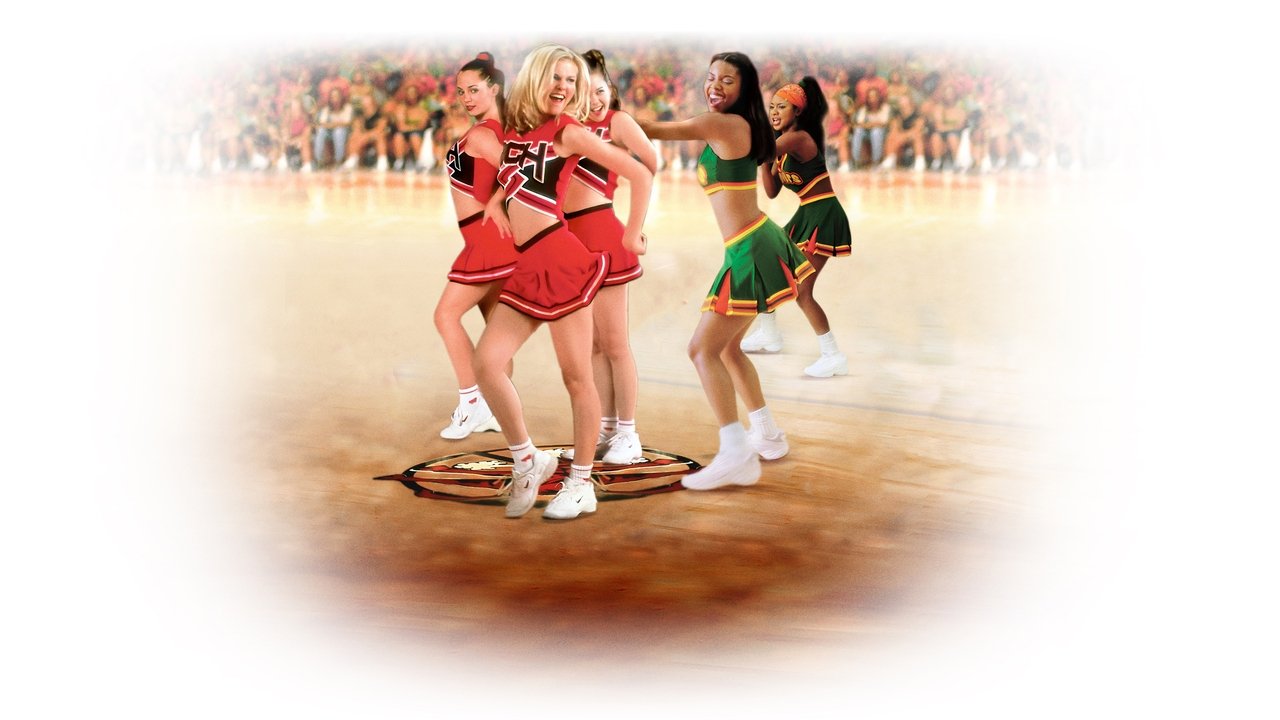
Let's talk about the "action" here, because while there aren't exploding cars (well, except maybe metaphorically in the characters' lives), the cheer routines are the film's spectacular set pieces. And director Peyton Reed (who would later helm the Ant-Man movies, showing a knack for kinetic energy early on) films them with incredible dynamism. Remember watching this back then? The sheer athleticism was astounding. These weren't special effects; this was the real deal – intricate choreography, sky-high basket tosses, complex tumbling passes.
This was practical stunt work of a different kind. The intensity came from knowing these were actual performers pushing their physical limits. You felt the strain, the precision required, the risk involved in every flip and catch. It felt real in a way that perhaps gets smoothed over in today's more digitally polished performance scenes. There’s a raw energy to watching those routines unfold, a genuine gasp factor when they nail a complex move. The film employed actual cheerleaders and consultants to ensure authenticity, and it paid off brilliantly. I recall hearing that Kirsten Dunst and Eliza Dushku (as the rebellious transfer Missy Pantone) did a surprising amount of their own work, adding to that grounded feel.
### A Cast Full of Spirit
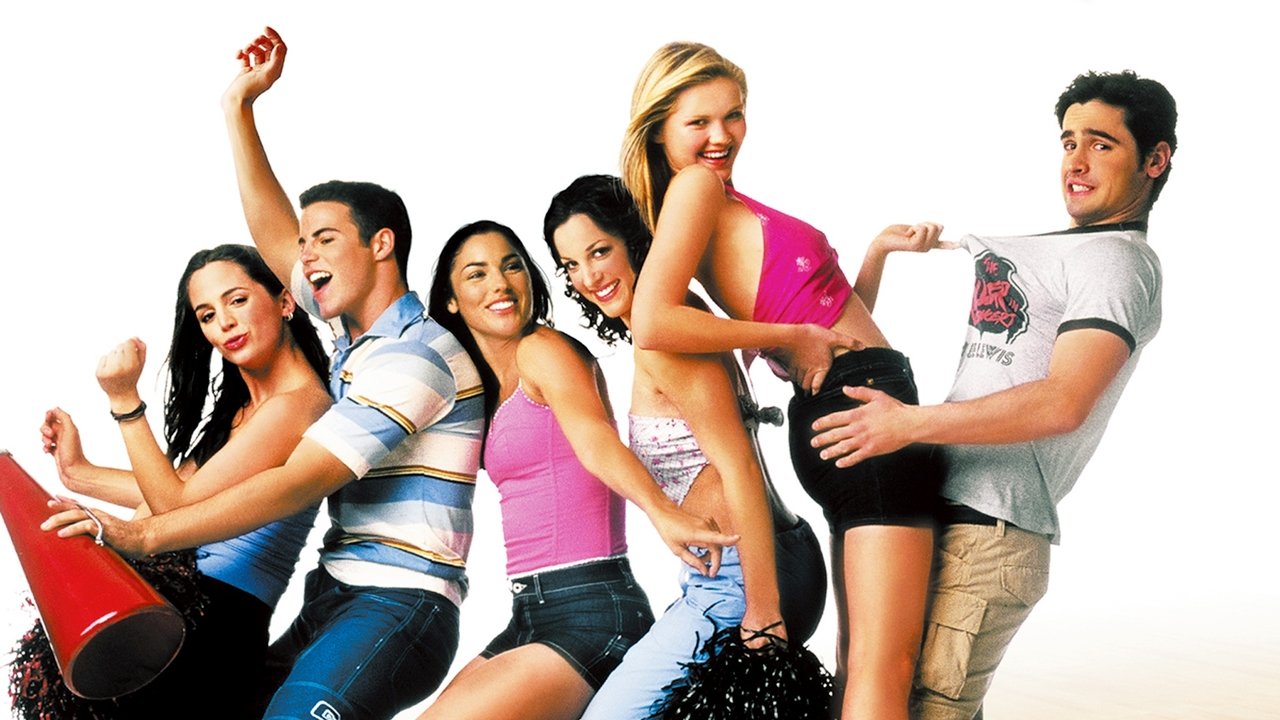
Kirsten Dunst carries the film beautifully, navigating Torrance's dawning realization and ethical dilemma with a perfect mix of sunshine and steel. Eliza Dushku, fresh off playing Faith in Buffy the Vampire Slayer, brings her signature edge as the cynical outsider who accidentally exposes the plagiarism. Her deadpan delivery is comedic gold. Jesse Bradford as Cliff, Missy's brother and Torrance's punk-rock love interest, provides a grounding counterpoint to the cheer world's intensity.
But it's Gabrielle Union as Isis who truly anchors the film's thematic weight. She isn't just an antagonist; she's the rightful claimant, representing a community whose creativity was exploited. Union portrays her with dignity, power, and unwavering confidence. The supporting cast, including the hilarious Sparky Polastri (played by Ian Roberts of UCB fame), adds layers of comedic absurdity.
### Sleeper Hit Status
Bring It On wasn't expected to be the phenomenon it became. Made for a relatively modest $10-11 million, it defied expectations, pulling in over $90 million worldwide and launching a direct-to-video franchise (though none captured the magic of the original). Critics were surprisingly warm, recognizing its intelligence beneath the pep, but audiences truly embraced it. It tapped into something – maybe it was the sharp dialogue, the killer soundtrack mixing punk and hip-hop, or the sheer infectious energy of it all. It arrived just as the late-90s teen movie wave (Clueless, She's All That, 10 Things I Hate About You) was cresting, offering a fresh, spirited take. I distinctly remember the buzz around this one growing from "that cheerleader movie" to a must-see, passed around on VHS and later DVD among friends.
It captured that specific turn-of-the-millennium moment, perched right between the analog charm of the 90s and the digital dawn of the 2000s. The fashion, the music, the pre-social media dynamics – it feels both familiar and like a snapshot of a very specific time.
Rating: 8/10
Why the 8? Bring It On is smarter, funnier, and more thrillingly choreographed than it had any right to be. It delivers fantastic performances, a script that punches above its weight class with wit and social commentary, and genuinely impressive physical sequences that represent the "practical effects" of human athleticism. It loses a couple of points perhaps for some predictable teen movie beats, but its energy and surprising depth more than compensate. It perfectly justified its sleeper hit status.
Final Thought: Forget the sequels; the original Bring It On is a time capsule of infectious energy and unexpected smarts, proving that sometimes the most impressive stunts don't need wires or CGI – just guts, timing, and a whole lot of spirit. Brr, it's cold in here... I think I need to watch it again.