Okay, fellow tape travelers, let's rewind to a time when star power meant something different, and sometimes, it meant taking a wild, unexpected swing. Picture this: it's the late 70s, Burt Reynolds is arguably the biggest movie star on the planet, fresh off the massive success of Smokey and the Bandit. You grab a VHS tape with his grinning face on the cover, maybe expecting another car chase comedy. Instead, you pop it in, the tracking adjusts on your trusty VCR, and you get... The End (1978). A film that boldly decides to make terminal illness and suicide attempts the stuff of jet-black comedy. Yeah, they really went there.
### Not Your Average Burt Flick
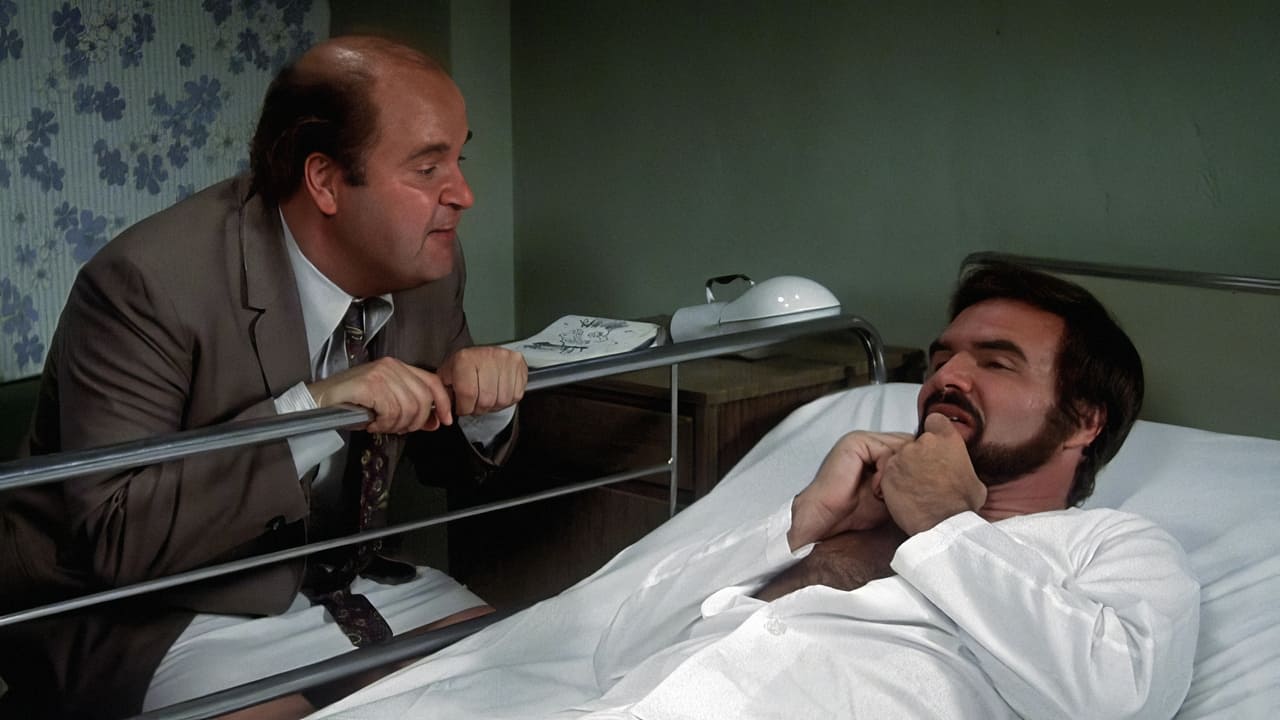
Right off the bat, The End throws you a curveball. Reynolds, pulling double duty as star and director (his second directorial effort after Gator), plays Wendell "Sonny" Lawson, a slick, successful Californian real estate broker who gets the ultimate bad news: he's dying from a rare blood disease and has months, maybe weeks, left. His reaction? Not quiet dignity, but a hilariously inept series of attempts to end things on his own terms before the illness does. This premise alone was audacious for 1978, especially headlining a mainstream superstar known more for his easy charm and macho swagger. It’s the kind of film that makes you wonder how the pitch meeting went. Reportedly, the script by Jerry Belson (known for his work on TV's The Odd Couple) had been kicking around for a while, considered too dark until Reynolds, at the peak of his clout, decided to tackle it.
### Finding Humor in the Abyss
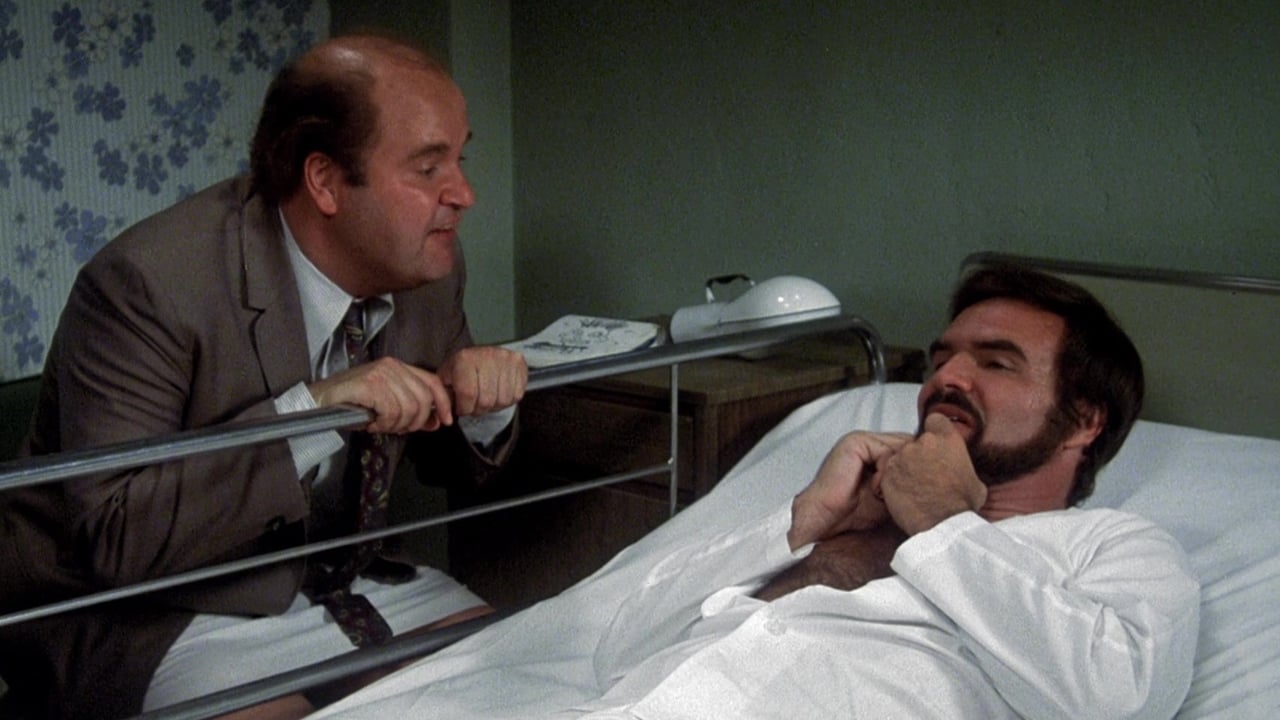
The genius, and the tightrope walk, of The End lies in its commitment to the bit. Sonny isn't just thinking about ending it; he's actively, ridiculously failing at it. From an overdose attempt thwarted by nausea to a botched drowning saved by sheer panic, Reynolds plays Sonny's desperation with a surprising vulnerability beneath the comedic panic. It’s funny because it’s so relatable in its failure – the grand, dramatic gesture constantly undercut by human clumsiness and the sheer will to live, even when you think you don't want to.
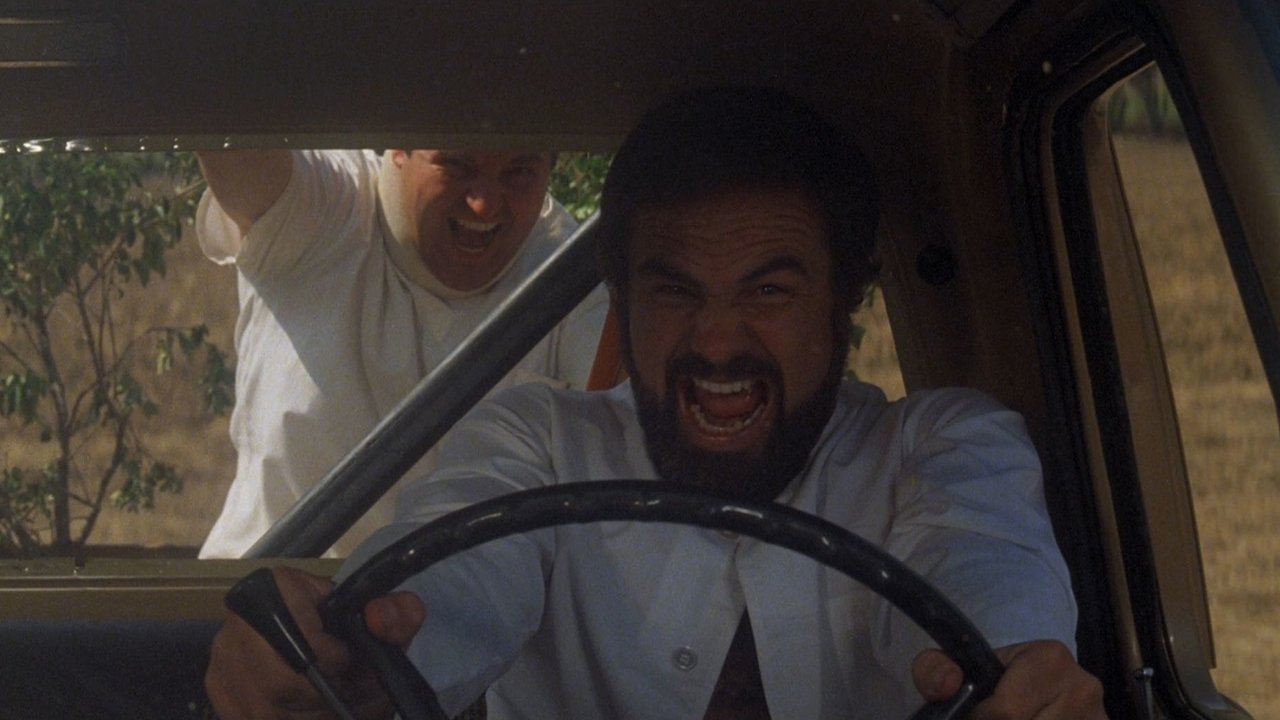
And then there's Dom DeLuise. Oh, Dom DeLuise. As Marlon Borunki, the gentle giant psychiatric patient Sonny tries to enlist as his "assistant" in oblivion, DeLuise steals every single scene he’s in. Their interactions are pure gold, a whirlwind of manic energy, misunderstanding, and unexpected tenderness. Remember that scene where Marlon tries to "help" Sonny over the edge? It's a masterclass in physical comedy and chaotic timing, pushing the boundaries of taste but landing squarely in hilarious territory. Word is, Reynolds based the character of Marlon on someone he actually knew, which perhaps explains the strange sweetness beneath the character's unpredictable violence. Their chemistry, honed over multiple films together, is electric and forms the heart of the movie's most memorable moments.
### A Supporting Cast That Shines
It wasn't just a two-man show. Sally Field, fresh off their Smokey success and navigating her own transition from TV sweetheart to serious film actress, plays Sonny's put-upon girlfriend, Mary Ellen. Her reactions to Sonny's increasingly bizarre behavior ground the film, offering moments of genuine emotion amidst the absurdity. We also get memorable turns from Joanne Woodward as Sonny's ex-wife, David Steinberg as his exasperated doctor, and even a young Kristy McNichol as his daughter. It’s a stacked cast, giving the film a sense of quality even as it delves into uncomfortable territory. Filmed largely around sunny Malibu and Los Angeles locations, the bright visuals create a deliberate contrast with the dark subject matter, enhancing the comedic dissonance.
### Behind the Laughter
Directing himself in such challenging material couldn't have been easy, but Reynolds handles it with surprising deftness. He keeps the pace brisk, balances the slapstick with moments of genuine pathos, and isn't afraid to make his own character look foolish or unsympathetic. The film doesn't shy away from Sonny's selfishness, but it also allows glimpses of the terrified man underneath. It's a tricky tone to maintain, and while some moments might feel dated or perhaps even insensitive by today's standards, the commitment to the dark comedic vision is admirable.
Made for around $4 million (roughly $18.7 million today), The End was a significant box office success, pulling in about $45 million (a whopping $210 million adjusted for inflation!). Audiences clearly connected with its blend of star power and taboo-breaking humor, even if critics were somewhat divided, unsure what to make of a comedy finding laughs in such bleak circumstances. Watching it now, on a format perhaps less crisp than Blu-ray but certainly better than my old worn-out VHS copy, you appreciate the guts it took to make this film. It’s a product of its time, certainly, but its willingness to explore dark themes through laughter feels surprisingly relevant.
***
VHS Heaven Rating: 7/10
Justification: While the humor occasionally skirts the edge of taste and some elements feel undeniably '70s, The End earns its points for sheer audacity, Burt Reynolds' surprisingly nuanced performance (both in front of and behind the camera), and the unforgettable, scene-stealing brilliance of Dom DeLuise. It successfully walks a difficult tightrope between dark subject matter and outright farce, delivering genuine laughs alongside moments that make you think. The strong supporting cast and confident direction overcome most bumps.
Final Thought: The End is a potent reminder that mainstream comedies in the VHS era could tackle surprisingly dark subjects with a fearless, sometimes awkward, but ultimately hilarious energy – a gamble that paid off beautifully, even if it makes you squirm while you chuckle.