Okay, fellow tapeheads, let's rewind to a time before the endless scroll of reality TV, before everyone had a camera in their pocket. Imagine stumbling across this gem, maybe on a dusty shelf at the back of 'Video Palace', sandwiched between a worn copy of Airplane! and a forgotten slasher flick. We're talking about Albert Brooks' directorial debut, 1979's Real Life, a movie so unnervingly ahead of its time, it feels less like comedy and more like prophecy viewed through a slightly fuzzy CRT screen.
### Welcome to the Fishbowl
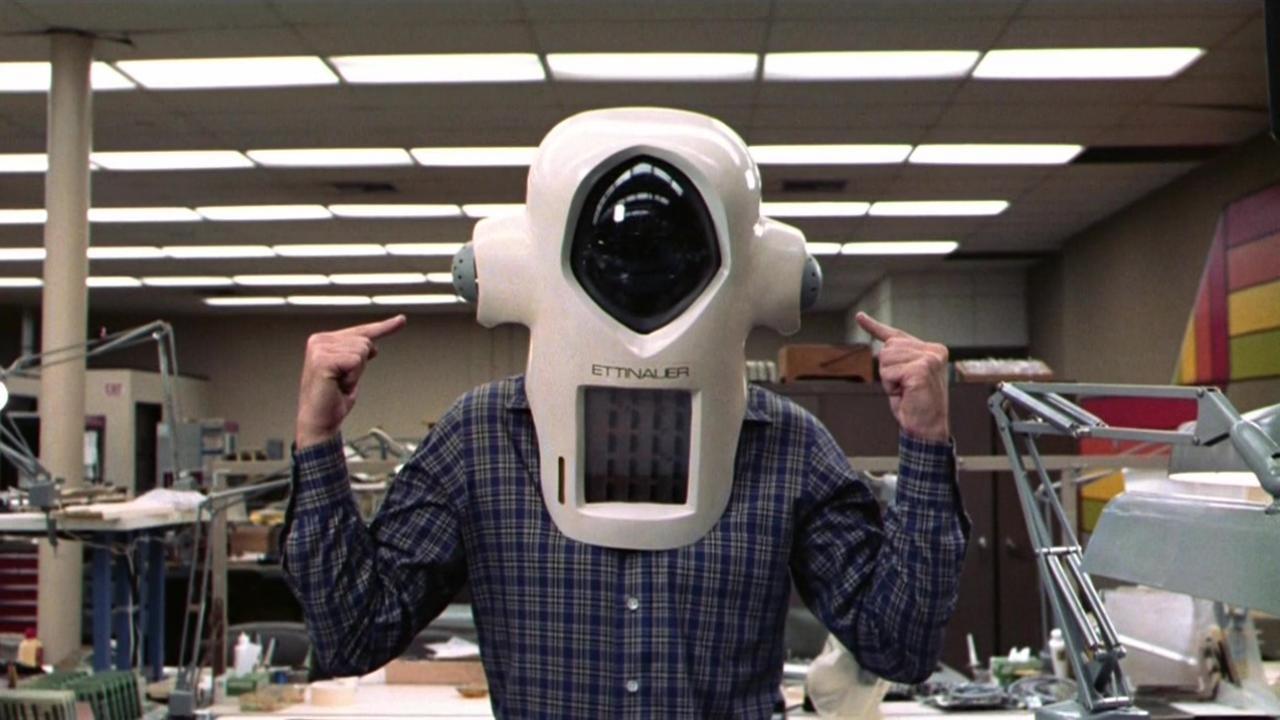
The premise hits you like a forgotten synth riff: filmmaker Albert Brooks (playing a fictionalized, hilariously narcissistic version of himself) convinces a studio – and more importantly, a "typical" American family, the Yeagers of Phoenix, Arizona – to let him document their entire lives for a full year. Think The Truman Show, but played for cringe comedy and sharp satire, conceived years before that film even flickered into existence. Brooks isn't just observing; he's intruding, armed with massive, vaguely sci-fi camera rigs worn by technicians in unsettlingly clinical suits, promising minimal interference while ensuring maximum chaos.
It's fascinating to know that Brooks was directly inspired by the groundbreaking 1973 PBS documentary series An American Family, which chronicled the Loud family and inadvertently captured their unraveling. Brooks saw the inherent absurdity and ethical quandaries, twisting it into this brilliant comedic premise. He originally envisioned the late, great Andy Kaufman for the filmmaker role, which is mind-boggling to consider, but Brooks stepping in himself proved perfect, channeling an ego and desperation that feels both hilarious and deeply uncomfortable.
### The Unraveling Begins
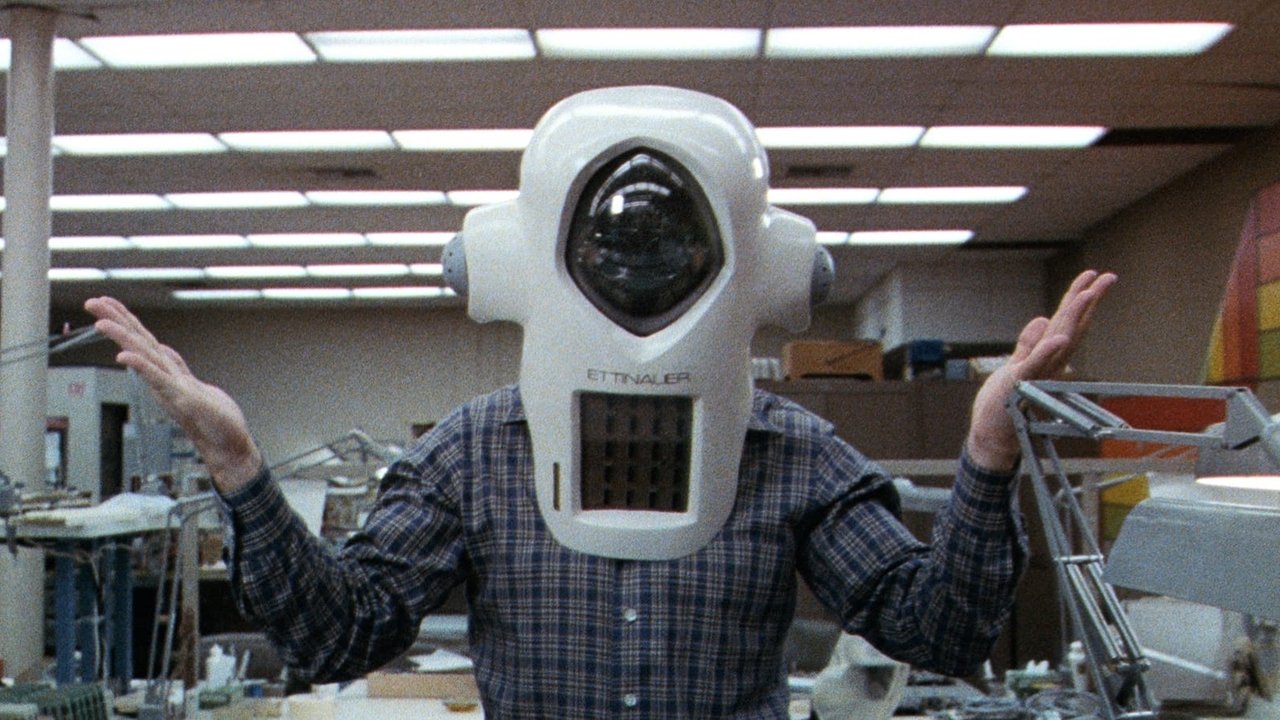
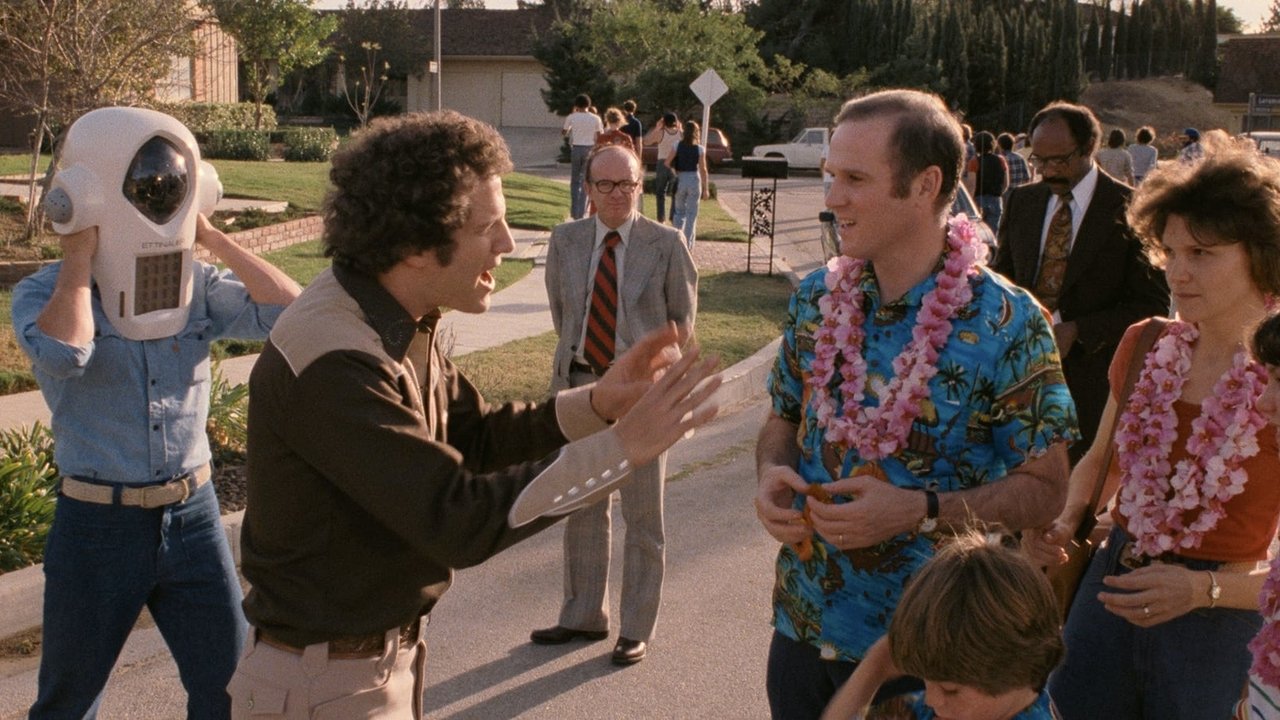
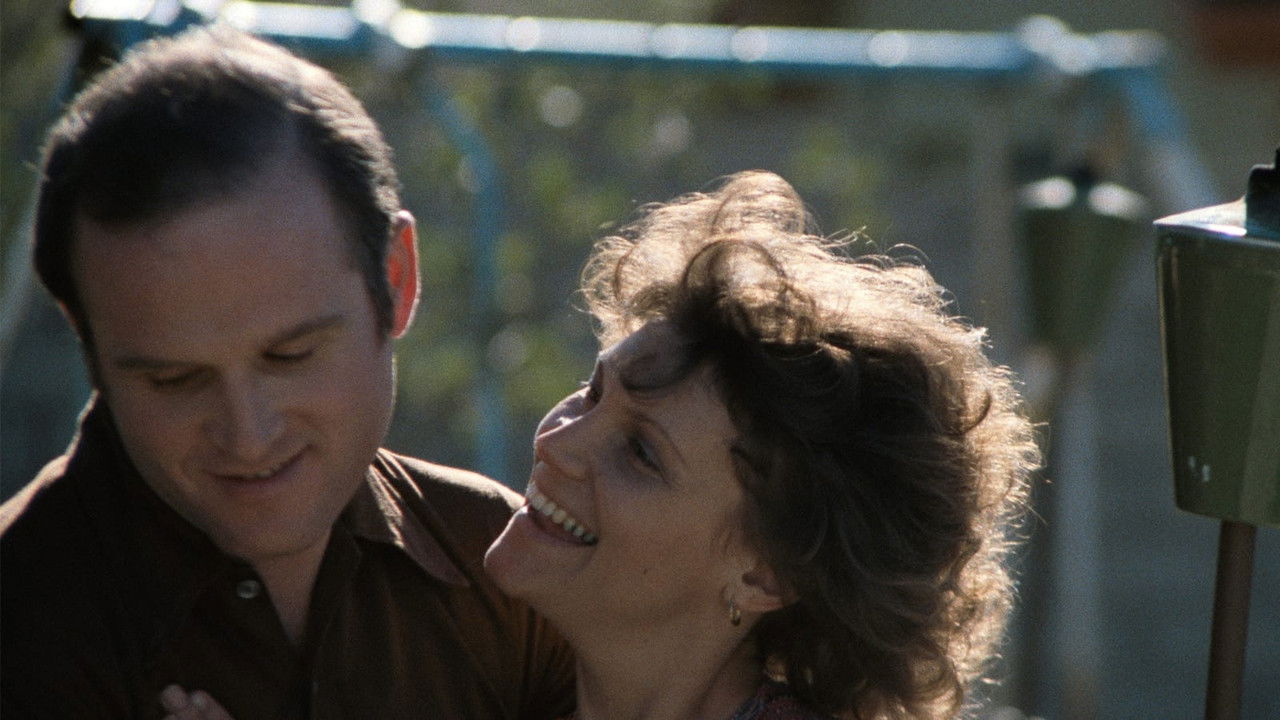
What starts as an awkward intrusion quickly spirals delightfully out of control. Charles Grodin, master of the deadpan and soon to be iconic in films like Midnight Run, is pitch-perfect as Warren Yeager, the veterinarian patriarch trying desperately to maintain normalcy under the relentless gaze of the cameras. His mounting frustration, delivered with that signature Grodin simmer, is comedy gold. Frances Lee McCain as his wife, Jeannette, provides the stressed, increasingly frayed heart of the family unit.
Brooks, the filmmaker within the film, can't help but meddle. He coaches reactions, stages scenarios, and freaks out when things get too "boring" (read: authentic). The film brilliantly satirizes the observer effect – the very act of filming changes the reality it purports to capture. Remember those clunky, intimidating camera helmets the crew wore? Brooks designed them to look futuristic and non-humanoid, supposedly to make the family less self-conscious, but they ended up being cumbersome, hot, and visually alienating – a perfect metaphor for the project itself.
### More Than Just Laughs
While Real Life is packed with laugh-out-loud moments stemming from the sheer awkwardness and Brooks' escalating panic, there's a sharp intelligence at play. Co-written with Monica Mcgowan Johnson and Harry Shearer (yes, that Harry Shearer, pre-Spinal Tap and The Simpsons!), the script skewers media manipulation, the quest for ratings, and the American obsession with observing (and judging) others long before MySpace, Facebook, or TikTok existed.
The studio executives, portrayed with suitable cluelessness, represent the commercial pressures that inevitably warp artistic or observational intent. Brooks reportedly faced some nervousness from Paramount Pictures about the film's increasingly dark and bizarre trajectory, especially the ending (no spoilers here, but it's a doozy!). It wasn't a massive box office hit initially (making maybe a couple million on a budget likely under $1 million), finding its audience, like so many classics we discuss here, through home video and cable airings, building a devoted cult following among those who appreciated its unique, biting humor.
### Why It Still Holds Up
Watching Real Life today is like finding a time capsule containing a warning we mostly ignored. The technology looks ancient, the clothes scream late-70s suburbia, but the core observations about fame-seeking, media intrusiveness, and the impossibility of capturing "reality" without distorting it feel startlingly relevant. Brooks' comedic timing, Grodin's slow burn, and the sheer audacity of the concept make it essential viewing. It lacks the explosive practical effects we often crave in our VHS Heaven action favorites, but its conceptual fireworks are just as dazzling in their own way. It feels raw, like a genuine experiment captured on grainy film stock, which perfectly suits its theme.
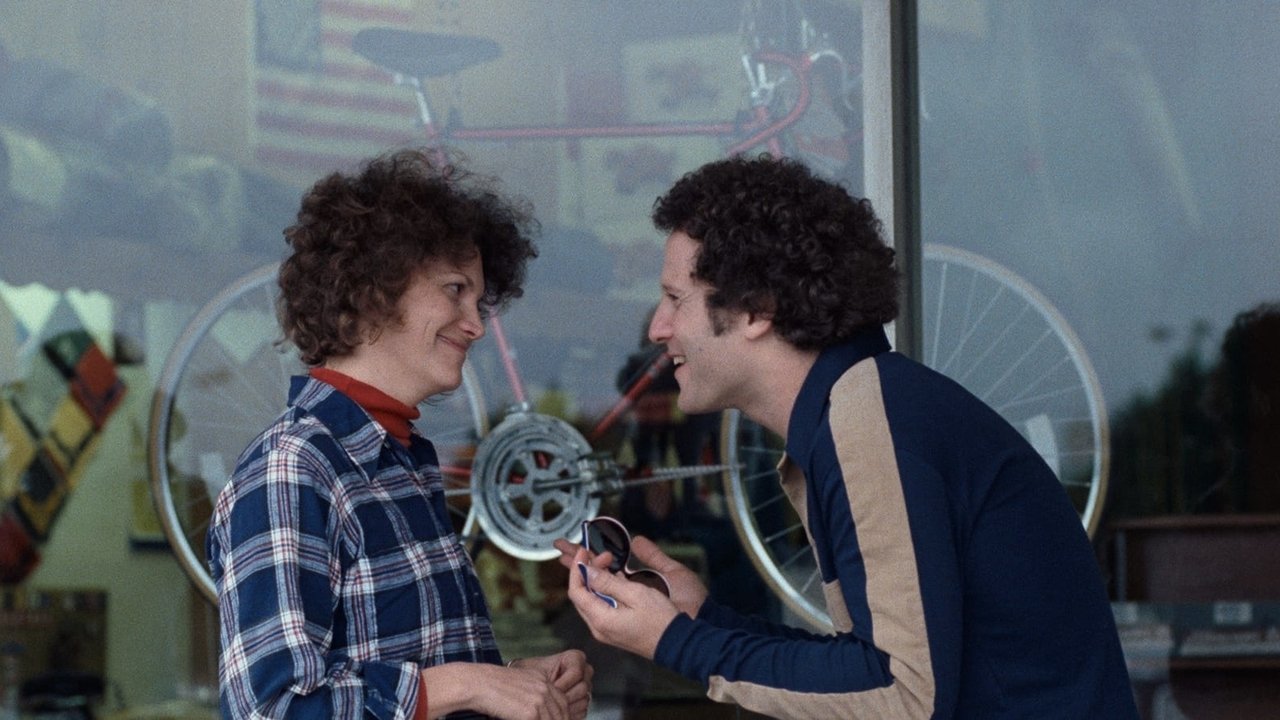
Rating: 8.5/10
This score reflects the film's brilliant, ahead-of-its-time premise, razor-sharp satire, and fantastic performances from Brooks and Grodin. It might not be laugh-a-minute slapstick, but its uncomfortable truths and cringe comedy are incredibly effective. It loses a slight edge only because its mockumentary style, while pioneering, can feel a little slow in spots compared to modern iterations, but that's a minor quibble.
Final Take: Real Life is the hilarious, disturbing granddaddy of reality TV satire you probably missed – a brilliantly uncomfortable comedy that felt like finding a secret broadcast signal late one night on your flickering tube TV. Go find this tape (or, okay, the digital equivalent) – just don't expect the subjects to act natural.