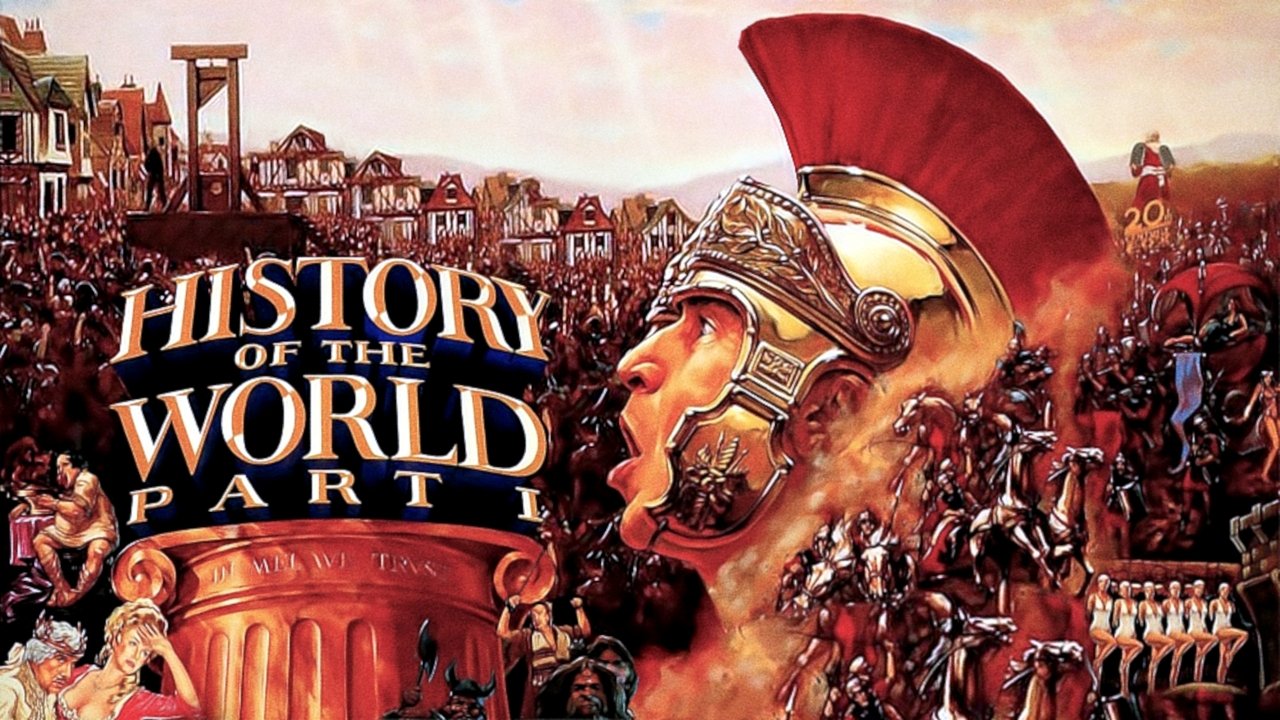
Alright, settle in, grab your beverage of choice, and let's rewind the tape back to 1981. Remember pulling that oversized clamshell case off the shelf at the video store, the one promising nothing less than the History of the World? And then seeing Mel Brooks's mischievous grin plastered all over it? You knew you weren't in for a dry documentary. No, Mel Brooks doing history meant only one thing: glorious, unapologetic, frequently juvenile, and often brilliantly funny chaos. History of the World: Part I wasn't just a movie; it felt like an event, a promise of unrestrained silliness beamed directly into your living room via that trusty VCR.
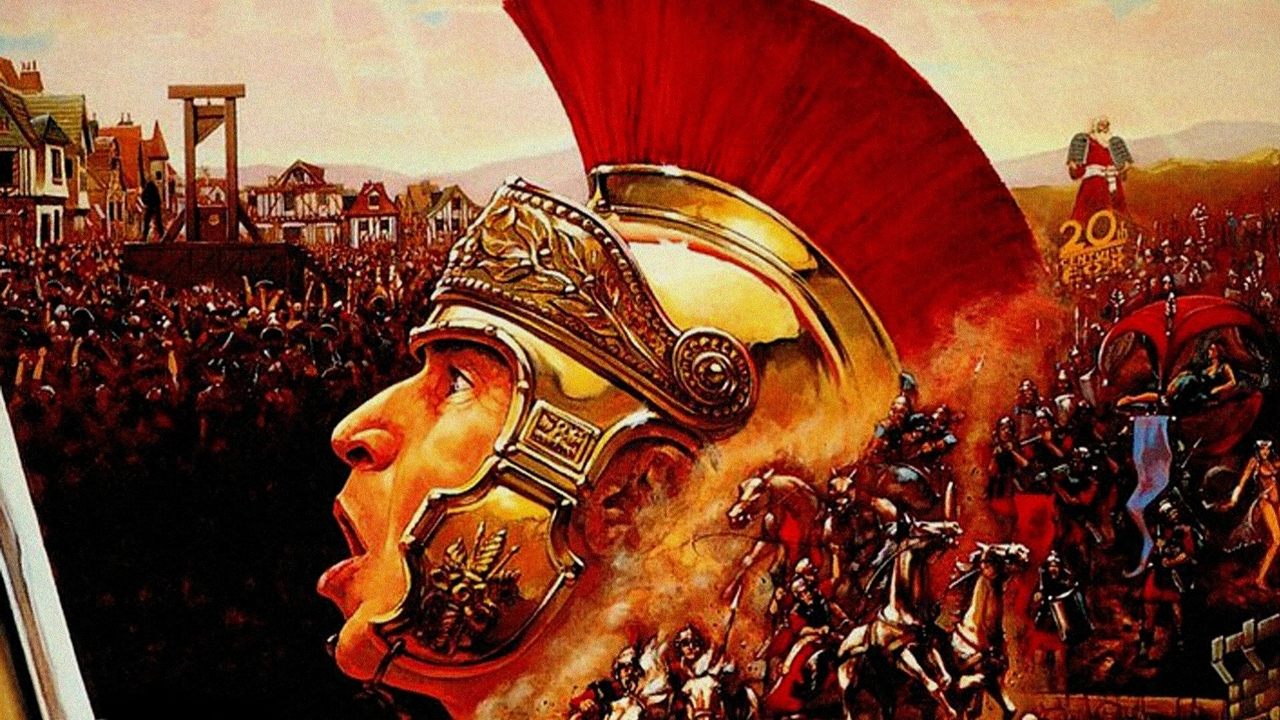
From Cavemen to Courtiers
Unlike Brooks's more focused parodies like Young Frankenstein or Blazing Saddles, History of the World is a glorious mess, a sprawling sketch comedy epic that careens through time periods with the subtlety of a runaway chariot. We start in the Stone Age (witnessing the birth of comedy criticism!), swing by Moses receiving the Ten– sorry, Fifteen Commandments (Oops!), linger hilariously in the excessive Roman Empire, endure the toe-tapping horrors of the Spanish Inquisition, and finally, storm the Bastille in the French Revolution. The thread connecting it all? Mel Brooks, naturally, popping up in various guises – Moses, the stand-up philosopher Comicus in Rome, the lecherous King Louis XVI – alongside his troupe of incredibly game comic actors. It’s less a narrative, more a Vaudeville revue through the annals of time, narrated with booming, ironic gravitas by none other than Orson Welles. Hearing the voice of Citizen Kane intone lines about Roman waiters was a stroke of genius in itself.
The Brooksian Ensemble Fires on (Most) Cylinders
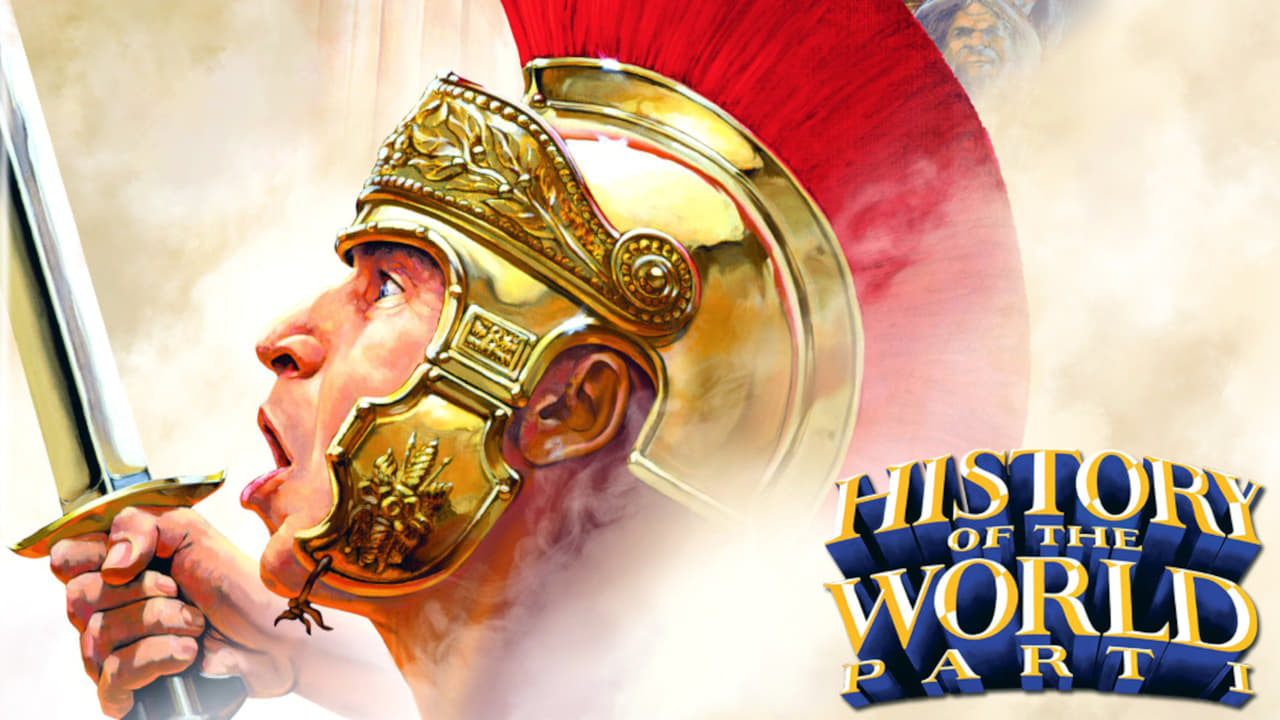
This film is a testament to the comedic chemistry Brooks cultivated. Seeing Dom DeLuise chew the scenery (and everything else) as the gluttonous Emperor Nero is pure joy. Madeline Kahn, effortlessly funny as Empress Nympho, steals her scenes with impeccable timing. Remember her trying desperately to resist the charms of Comicus? Classic Kahn. And then there's Harvey Korman as the foppish Count de Monet ("Don't get saucy with me, Bearnaise!"), delivering puns with aristocratic flair. The casting of Gregory Hines as Josephus, the slave who saves the day in the Roman segment, was inspired. Hines, a phenomenal dancer, even gets to showcase some dazzling footwork – apparently, Brooks tailored the part slightly to incorporate his unique talents after casting him. While some segments inevitably land better than others – the Roman Empire and French Revolution bits arguably hit the comedic heights more consistently – the sheer energy of the cast carries you through the lulls.
Laughs Forged in the Studio System
This wasn't a cheap movie for its time – reportedly costing around $11 million – but you can almost feel the joyous, slightly chaotic energy of its creation. Brooks, who also wrote and directed, leans heavily into his signature style: rapid-fire puns, fourth-wall breaks ("Have a nice day!" "Don't you tell me what kind of day to have!"), anachronistic gags galore, and those unforgettable musical numbers. The Spanish Inquisition sequence, transforming torture into a Busby Berkeley-style aquatic spectacle, is perhaps the film's most audacious and memorable moment. It’s pure Brooks: taking something horrifying and making it absurdly, uncomfortably funny. It perfectly captures that feeling of watching something slightly taboo on late-night TV back in the day, wondering if you should be laughing quite so hard. The initial reception was somewhat mixed; critics weren't universally kind, perhaps finding it less disciplined than his earlier masterpieces. But audiences, especially via the burgeoning home video market, embraced its scattershot charm.
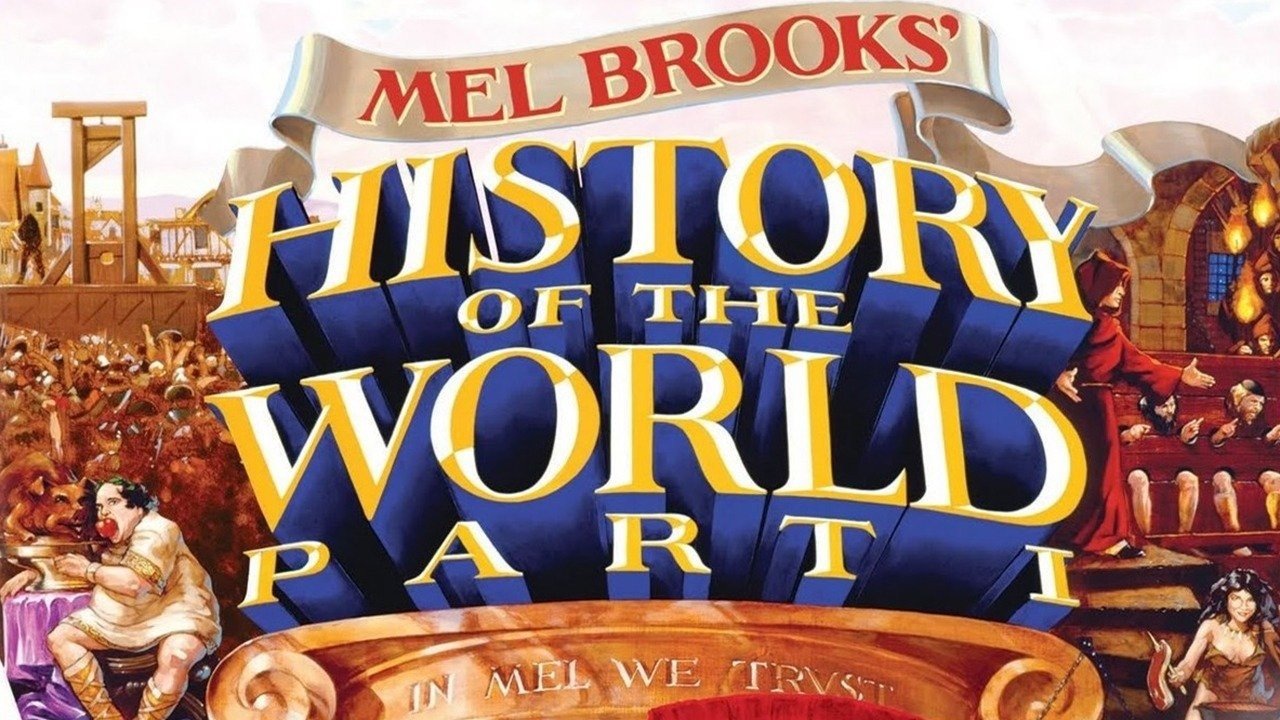
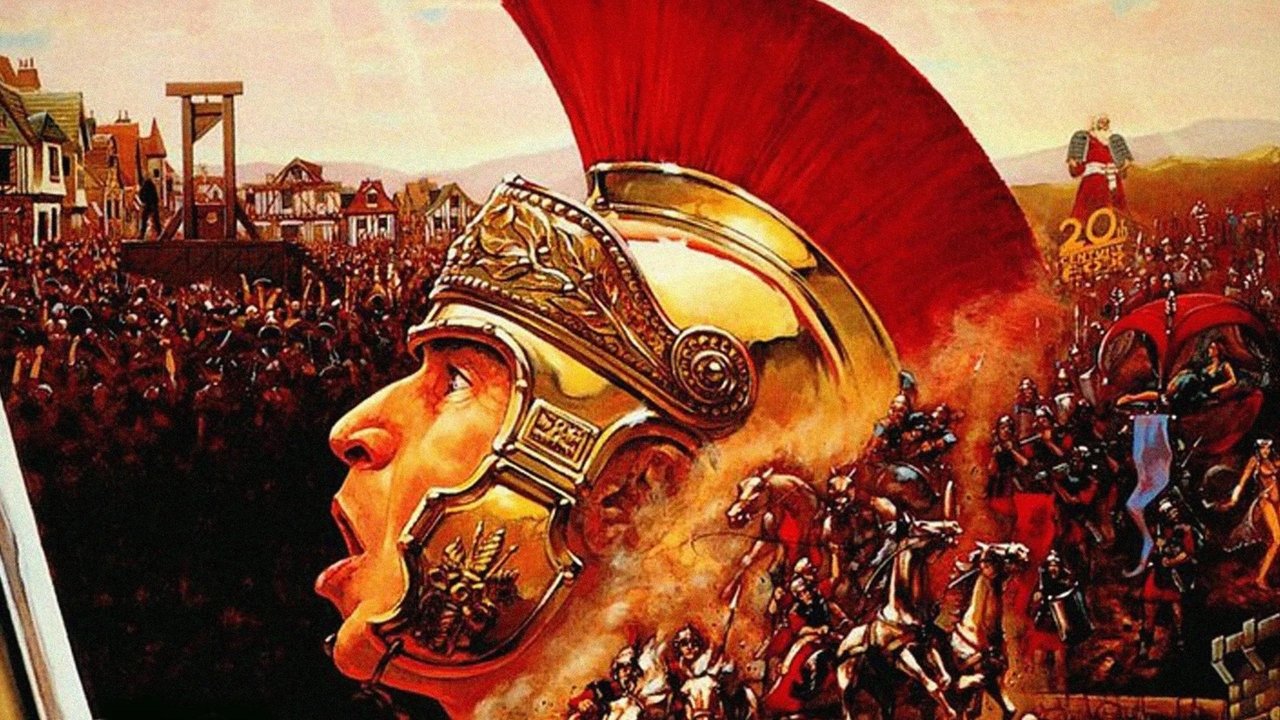
Retro Fun Fact Alert: Brooks has always maintained that the "Part I" in the title was purely a joke, a riff on epic historical dramas, and he never seriously intended to make a sequel. That is, until decades later when Hulu produced History of the World, Part II (2023) with Brooks’s involvement, finally fulfilling the promise, albeit in a very different media landscape. Another fun tidbit: the iconic "Jews in Space" segment, presented as a "coming attraction" at the film's end, became so popular it almost overshadowed parts of the main feature!
Still Good To Be The King?
So, how does History of the World: Part I hold up after all these years, viewed through eyes no longer glued to a fuzzy CRT screen? Honestly? It's still damn funny. Yes, some jokes feel dated, some sketches drag a bit, and the sheer randomness might feel jarring compared to more structured comedies. But the highs are incredibly high. The performances are committed and hilarious, the standout gags ("It's good to be the king!") remain instantly quotable, and Brooks's fearless comedic spirit shines through. It's a film that feels handmade, gleefully imperfect, and absolutely a product of its time – in the best possible way. It reminds you of an era when a major studio would give a comic auteur free rein to throw everything at the wall, just to see what sticks. And thankfully, quite a lot of it does.
VHS Heaven Rating: 7/10
Justification: While undeniably uneven and occasionally showing its age, the sheer volume of laughs, the brilliant ensemble cast firing on all cylinders in key segments (Rome, France, Inquisition), and the audacious, uniquely Mel Brooks spirit make this a must-watch piece of 80s comedy history. It doesn't reach the consistent genius of Blazing Saddles or Young Frankenstein, but its best moments are pure gold.
Final Thought: Forget meticulously accurate historical epics; sometimes you just need Mel Brooks, a chariot, and a good pair of tap shoes to remind you that history is hilarious... especially when you make most of it up. Rewind and enjoy the delightful nonsense.