Okay, rack that tape, adjust the tracking just so... let's talk about a movie that practically smells like bug spray, cheap beer, and teenage possibility: Ivan Reitman's 1979 summer camp opus, Meatballs. For many of us cutting our teeth on late-night cable and the glorious aisles of the video store, this wasn't just a movie; it was a feeling, a chaotic slice of adolescent freedom served up with a side of pure, unadulterated Bill Murray.
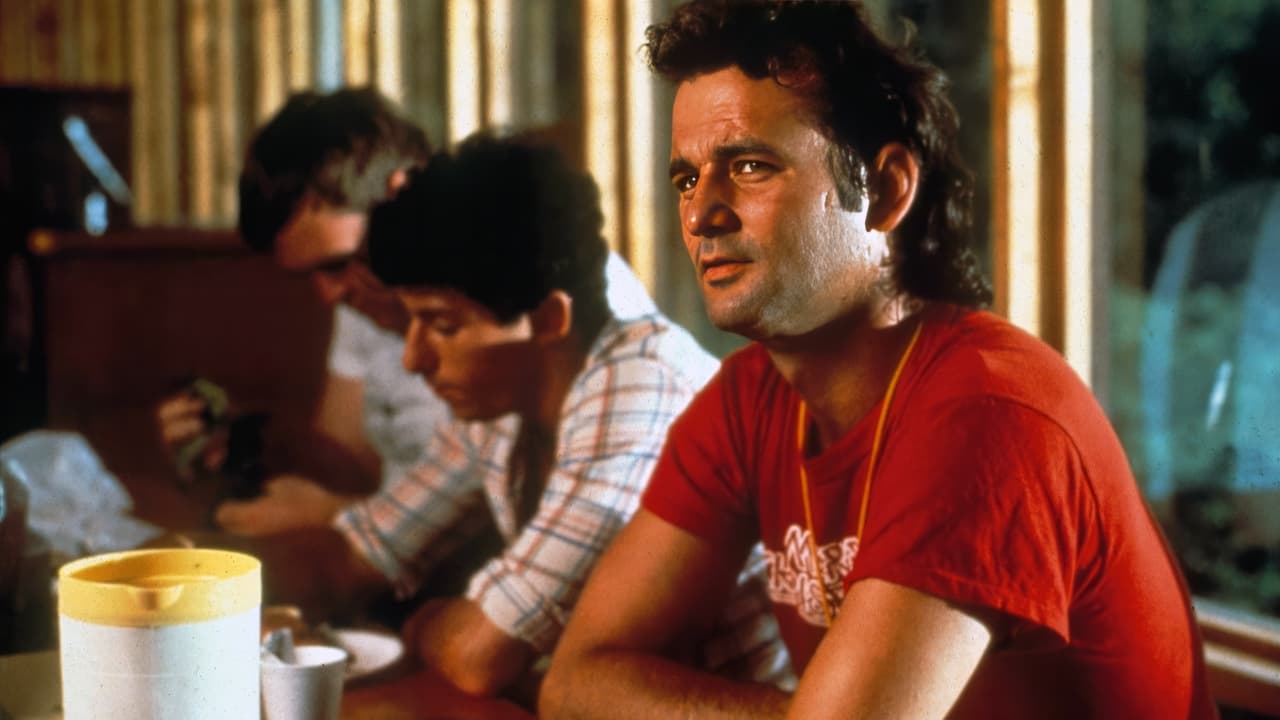
Forget glossy Hollywood productions for a moment. Meatballs emerged from the Great White North, a surprisingly low-budget Canadian affair ($1.6 million CAD, pocket change even then!) filmed at a real summer camp (Camp White Pine in Haliburton, Ontario) that somehow captured lightning in a bottle. It wasn't supposed to be a blockbuster, but it exploded, becoming Canada's highest-grossing film up to that point and launching Reitman (who'd later give us Stripes and Ghostbusters) and, crucially, Murray, into the stratosphere.
### Welcome to Camp North Star
The setup is simple, timeless even: the underfunded, perpetually losing Camp North Star versus the rich, obnoxious jocks of Camp Mohawk across the lake. Leading the charge for our lovable losers is head counsellor Tripper Harrison, played by Bill Murray in a performance that feels less like acting and more like capturing a force of nature. Fresh off Saturday Night Live, Murray wasn't yet the deadpan comedy god we know today; here, he's raw energy, a whirlwind of sarcastic encouragement, questionable life advice, and pure improvisational genius. Reportedly, much of his dialogue was ad-libbed, giving the film that wonderfully loose, unpredictable vibe that feels so authentic to camp life. Can you imagine anyone else delivering lines like "It just doesn't matter!" with that same mix of absurdity and genuine uplift?
### More Than Just Pranks (But Also, Lots of Pranks)
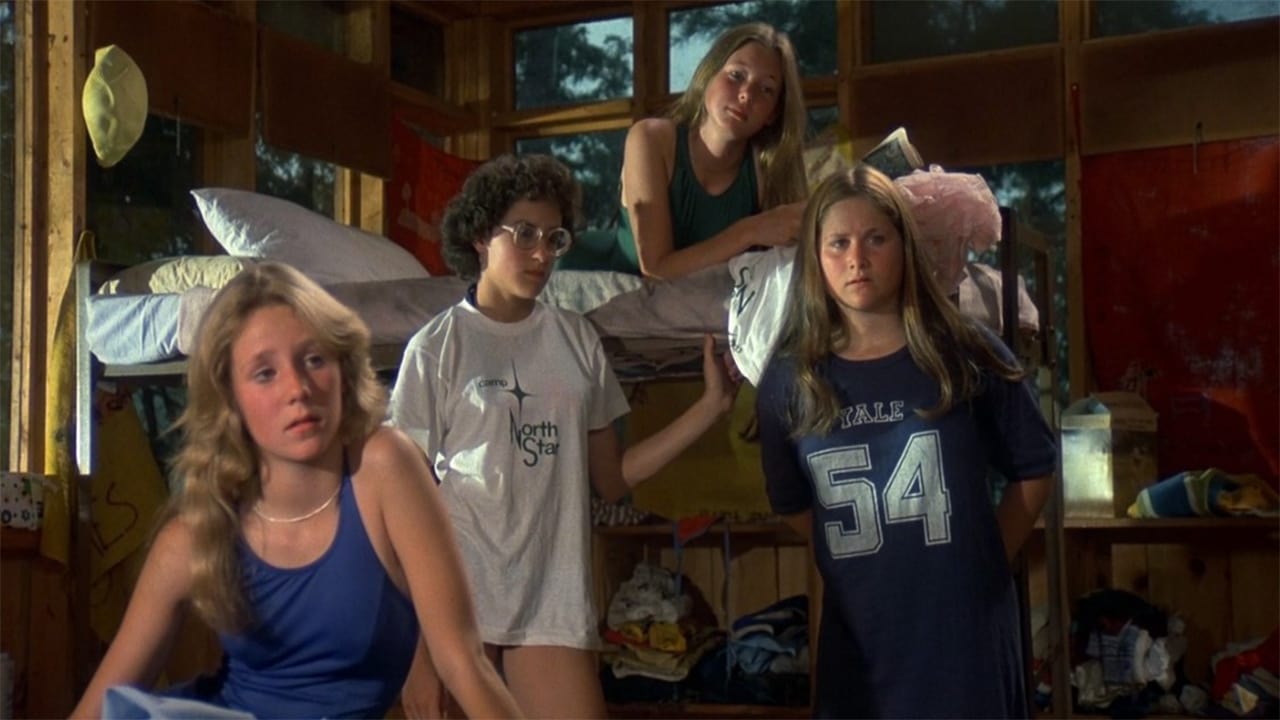
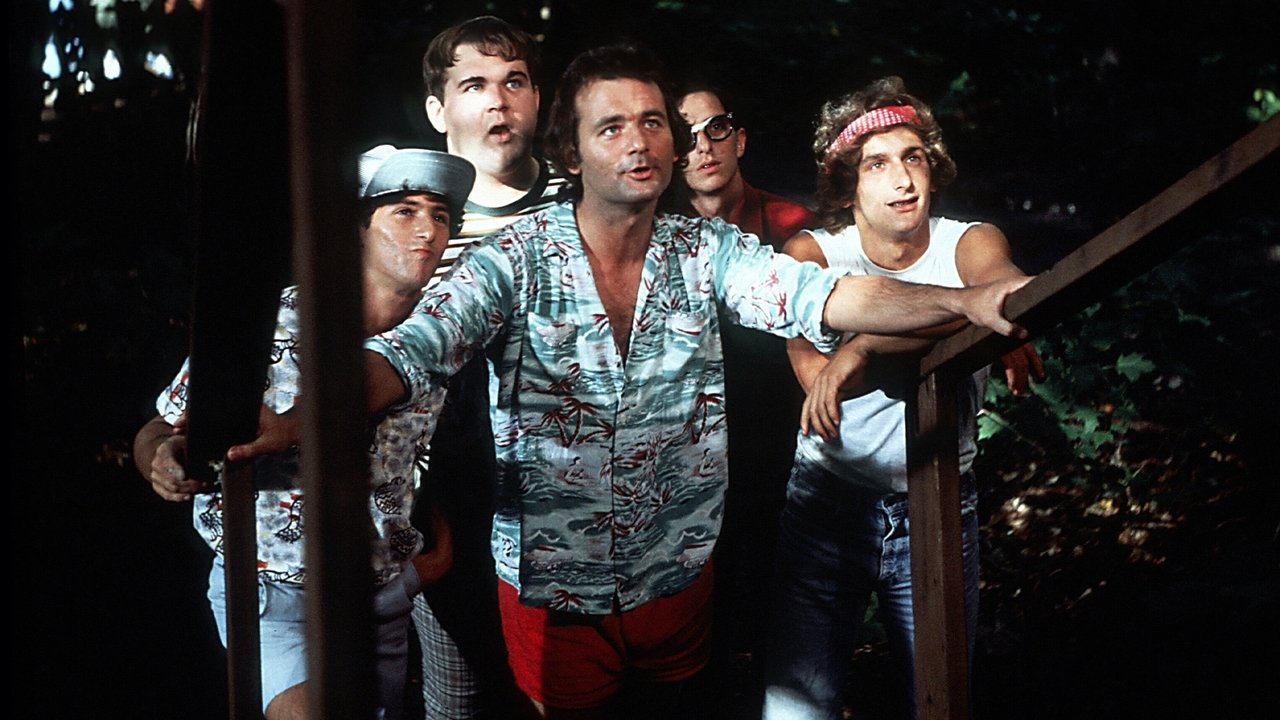
Sure, Meatballs delivers the expected summer camp hijinks. We get the memorable water-skiing pyramid attempt, the messy food fights, the elaborate schemes to spy on the girls' cabin, and the escalating prank war with Camp Mohawk, spearheaded by their sneering leader "The Stomach" (Harvey Atkin, instantly recognizable to many as the desk sergeant from Cagney & Lacey). These gags feel charmingly handmade now. There are no slick digital effects here – just good old-fashioned physical comedy and practical stunts that felt hilariously real on our flickering CRT screens back in the day. Remember the synchronized swimming routine, or the sheer chaos of the final Olympiad raft race? It had a ramshackle charm that’s hard to replicate.
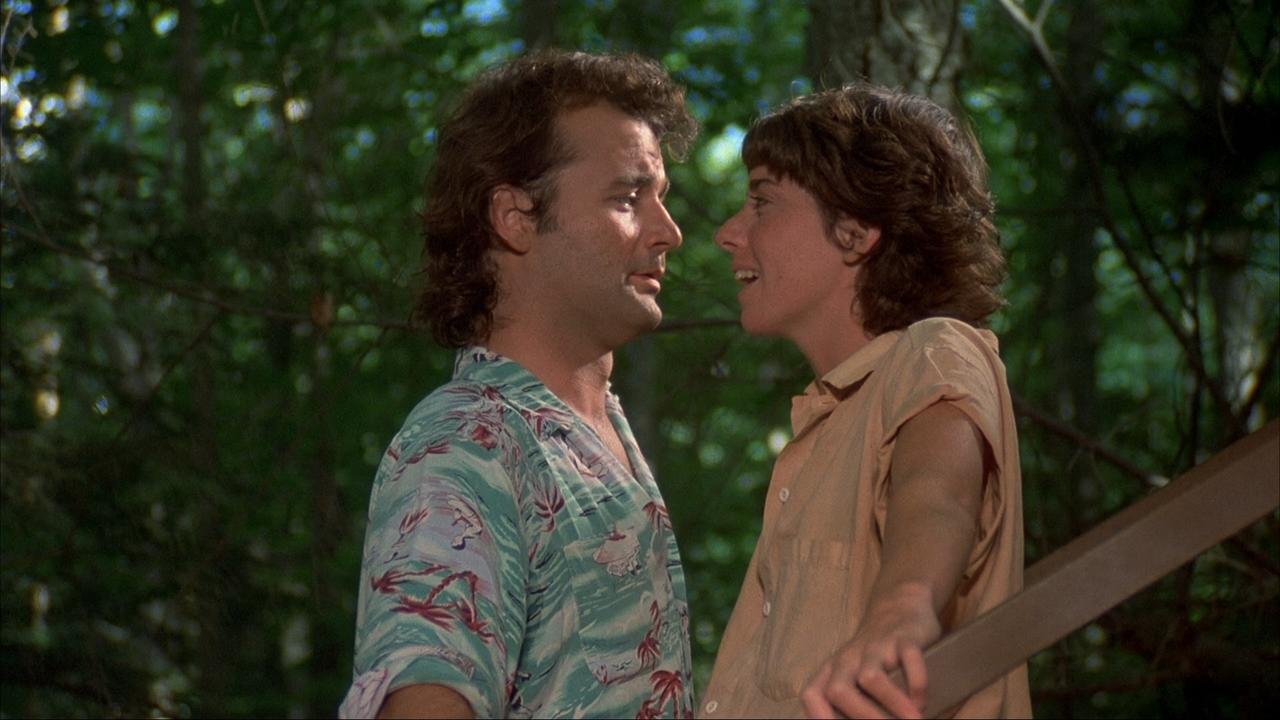
But what elevates Meatballs beyond just a string of gags is its surprising heart. At its core is the relationship between Tripper and Rudy Gerner (a wonderfully vulnerable Chris Makepeace), a lonely, awkward kid struggling to fit in. Tripper takes Rudy under his wing, becoming an unlikely mentor. Their early morning jogs and Tripper's rambling, often nonsensical pep talks form the emotional anchor of the film. Murray manages to be both hilariously inappropriate and genuinely caring, creating a bond that feels earned and resonant. It’s this blend of anarchic comedy and unexpected tenderness that gives Meatballs its staying power. Let's not forget the counselors' own romantic fumblings, particularly Tripper's persistent, often goofy pursuit of fellow counsellor Roxanne (Kate Lynch), adding another layer of relatable awkwardness.

### That Enduring VHS Vibe
Watching Meatballs today is like digging out a favourite faded t-shirt. Yes, some of the humour and attitudes are unmistakably products of the late 70s, occasionally landing with a bit of a thud by modern standards. But the core appeal remains potent. It captures that specific feeling of summer camp – the temporary escape from real life, the intense bonds formed over a few short weeks, the silly traditions, the minor triumphs feeling like major victories. Ivan Reitman directs with an unfussy, almost documentary-like style at times, letting the performances and the inherent chaos of the setting shine through. Composer Elmer Bernstein, known for far grander scores like The Magnificent Seven, even provides a surprisingly catchy and upbeat theme that perfectly complements the film's spirit.
The initial critical reception was mixed, as you might expect for a raunchy teen comedy, but audiences didn't care. They connected with its energy, its heart, and especially with Bill Murray. It tapped into something universal about those fleeting summer days and the desire to belong, even amongst a bunch of self-proclaimed "meatballs." My own VHS copy was played until the tape practically warped, the slightly fuzzy picture and mono sound only adding to the charm.
Rating: 8/10
This score reflects Meatballs' status as a foundational summer camp comedy and a crucial launching pad for major comedic talent. It’s undeniably dated in spots, and the plot is thinner than a camp mattress, but its blend of genuine heart, iconic Murray improvisation, and nostalgic, low-budget charm makes it a true gem from the era.
Meatballs is pure, unpretentious late-70s comfort food – a reminder that sometimes, the funniest moments are the messiest, and the best pep talks are the ones that make absolutely no sense, yet somehow change everything. It just doesn't matter... except it totally does.