Okay, pop that tape in the VCR, hit play, and let the slightly fuzzy magic begin. While The Black Stallion technically galloped onto screens in 1979, just nudging the edge of our beloved 80s, its presence was absolutely monumental throughout the following decade in video stores and living rooms across the country. This wasn't just another animal movie; it felt different, almost like uncovering a moving painting, a film less concerned with snappy dialogue and more with pure, breathtaking visual poetry. Forget the frantic pace of many kid-centric adventures; this was something quieter, deeper, and utterly hypnotic.
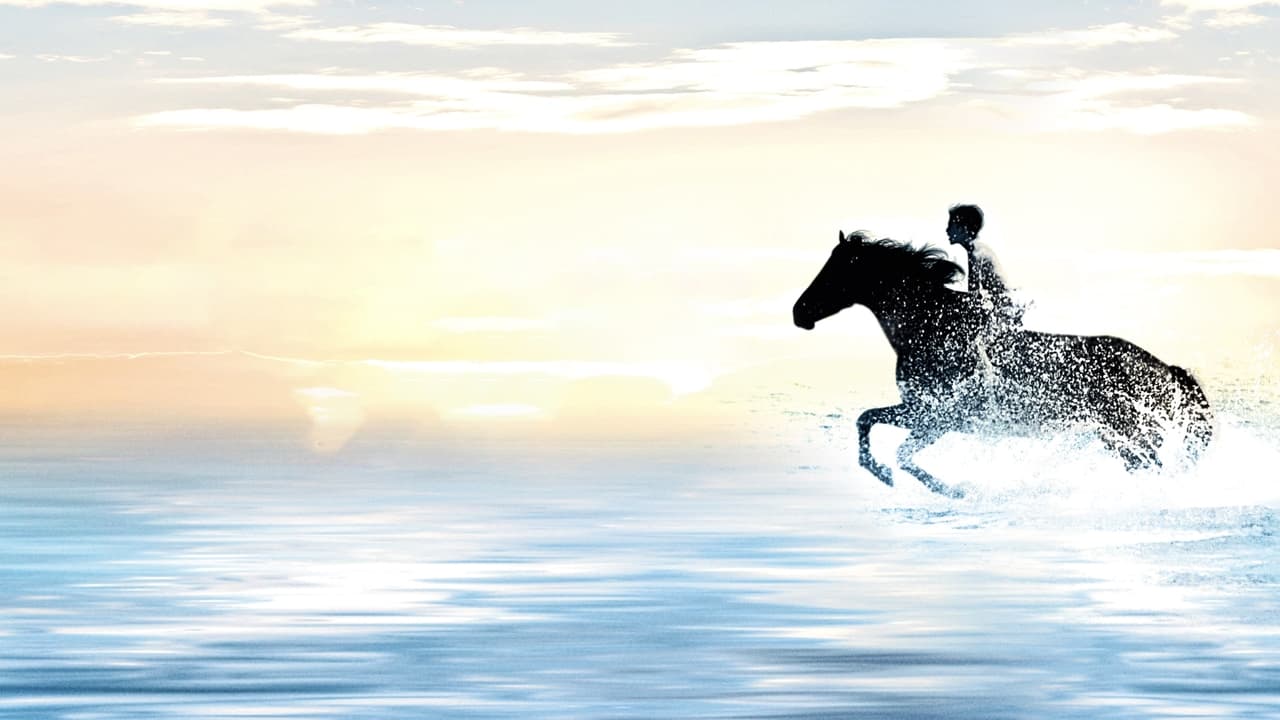
Executive produced by none other than Francis Ford Coppola – yes, that Coppola, fresh off Apocalypse Now – and marking the stunning directorial debut of Carroll Ballard, The Black Stallion immediately sets itself apart. Ballard, who had honed his craft shooting second unit on films like Star Wars (specifically the Bantha sequences!), brought an almost documentarian eye for natural beauty to this adaptation of Walter Farley's classic novel. The result is a film that feels less like fiction and more like a half-remembered dream.
### Shipwrecked Serenity
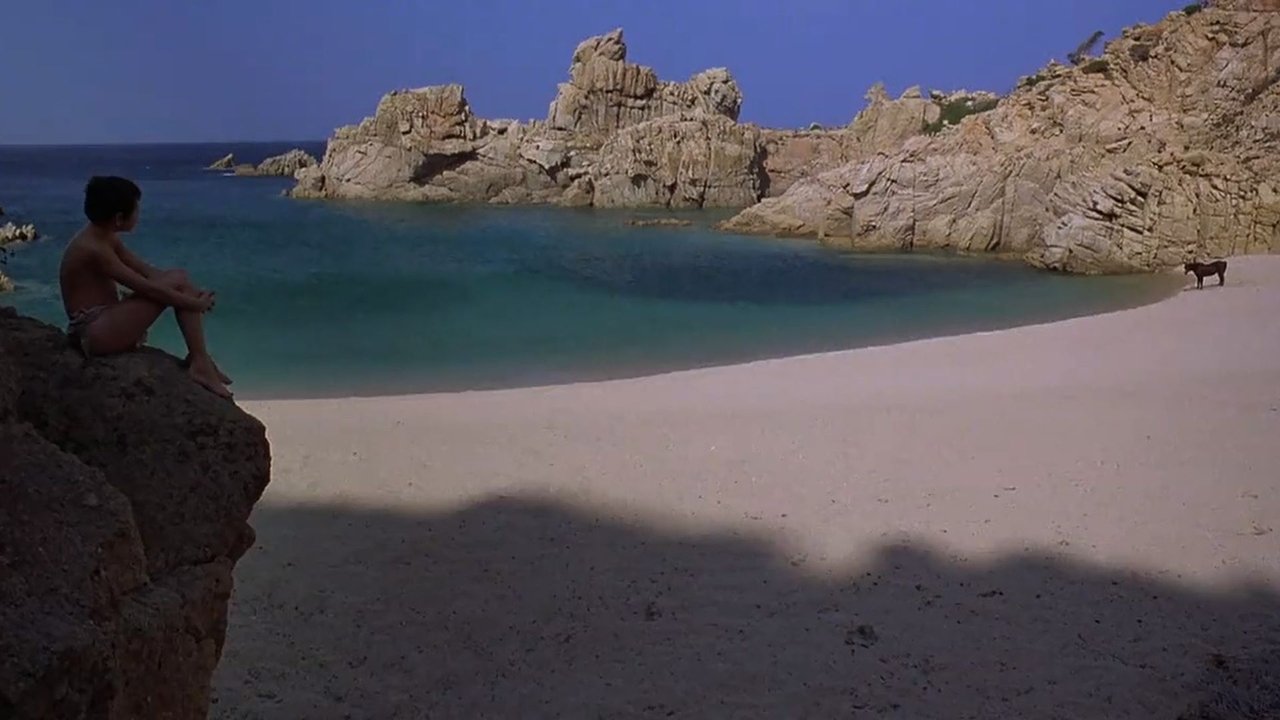
The film's opening act is arguably its most powerful and memorable. Young Alec Ramsey (played with astonishing naturalism by newcomer Kelly Reno, who reportedly beat out thousands of other boys for the part) finds himself shipwrecked on a deserted island with only a magnificent, wild Arabian stallion for company. What follows is a masterclass in visual storytelling. Dialogue evaporates, replaced by the crash of waves, the wind, and the intuitive, tentative bonding between boy and horse. The cinematography by Caleb Deschanel (who would later lens The Right Stuff and The Passion of the Christ) is simply staggering. He captures the raw beauty of the island (filmed primarily in Sardinia) and the majestic power of the horse, known as "The Black," with a reverence that elevates the film beyond simple narrative. Watching Alec slowly earn the trust of this untamable creature, culminating in that unforgettable first ride along the beach, is pure cinematic wonder. I remember being utterly captivated by these scenes as a kid, feeling the sun and salt spray right there in my suburban living room. It wasn't just watching; it felt like being there.
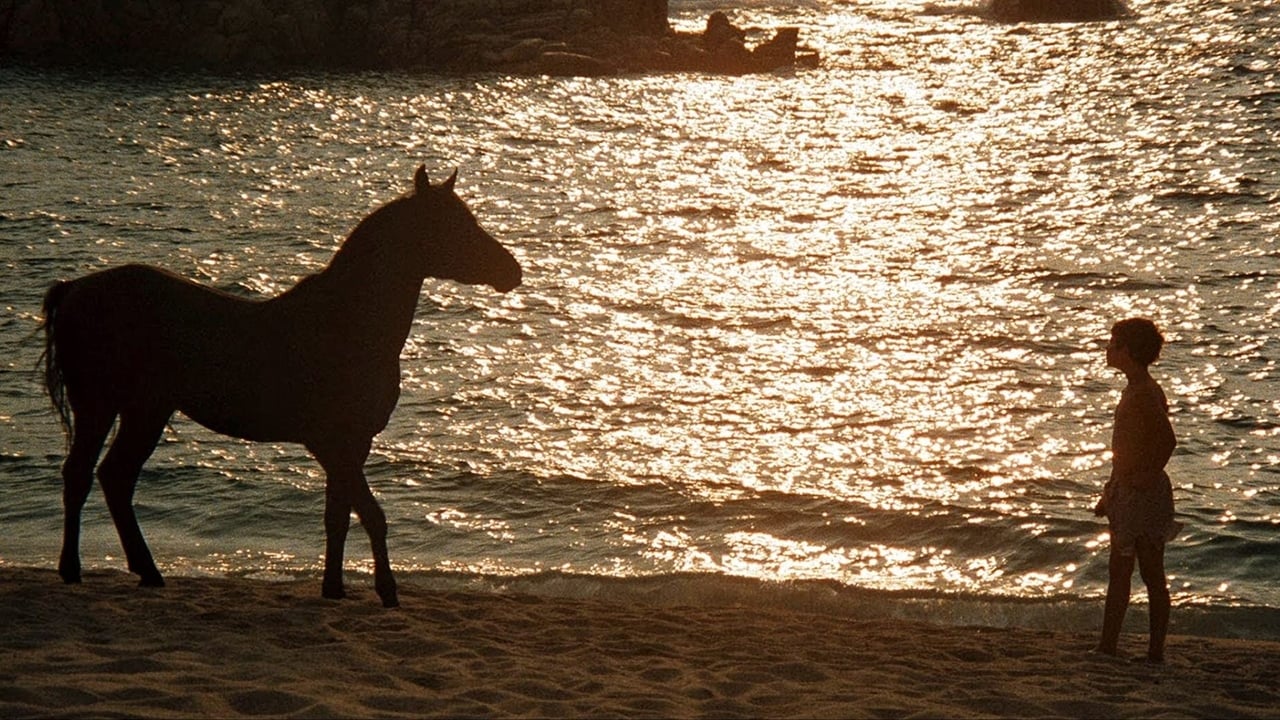
The evocative, Oscar-nominated score by Carmine Coppola (Francis Ford's father) perfectly complements the visuals, swelling with lyricism during moments of connection and underscoring the primal danger and beauty of their situation. It’s a testament to the filmmakers, including screenwriters Melissa Mathison (who would later pen E.T. the Extra-Terrestrial – you can feel a similar sense of childhood wonder and connection here), Jeanne Rosenberg, and William D. Wittliff, that this extended, largely wordless sequence remains so utterly compelling.
### A Different Kind of Partnership
Rescue eventually comes, and Alec returns home to America, managing to bring The Black with him. Here, the film transitions, introducing the wonderful character of Henry Dailey, a former jockey and trainer whose best days seem behind him. Played by the legendary Mickey Rooney in a career-revitalizing performance that earned him a well-deserved Oscar nomination for Best Supporting Actor, Henry sees something special in Alec and the impossible horse. Rooney sheds his often manic screen persona for something quieter, gruff but deeply soulful. His chemistry with Kelly Reno is pitch-perfect – a bond built not on overt affection, but on shared understanding and a quiet passion for horses. Teri Garr, always a welcome presence, adds warmth as Alec's supportive mother, grounding the more fantastical elements.
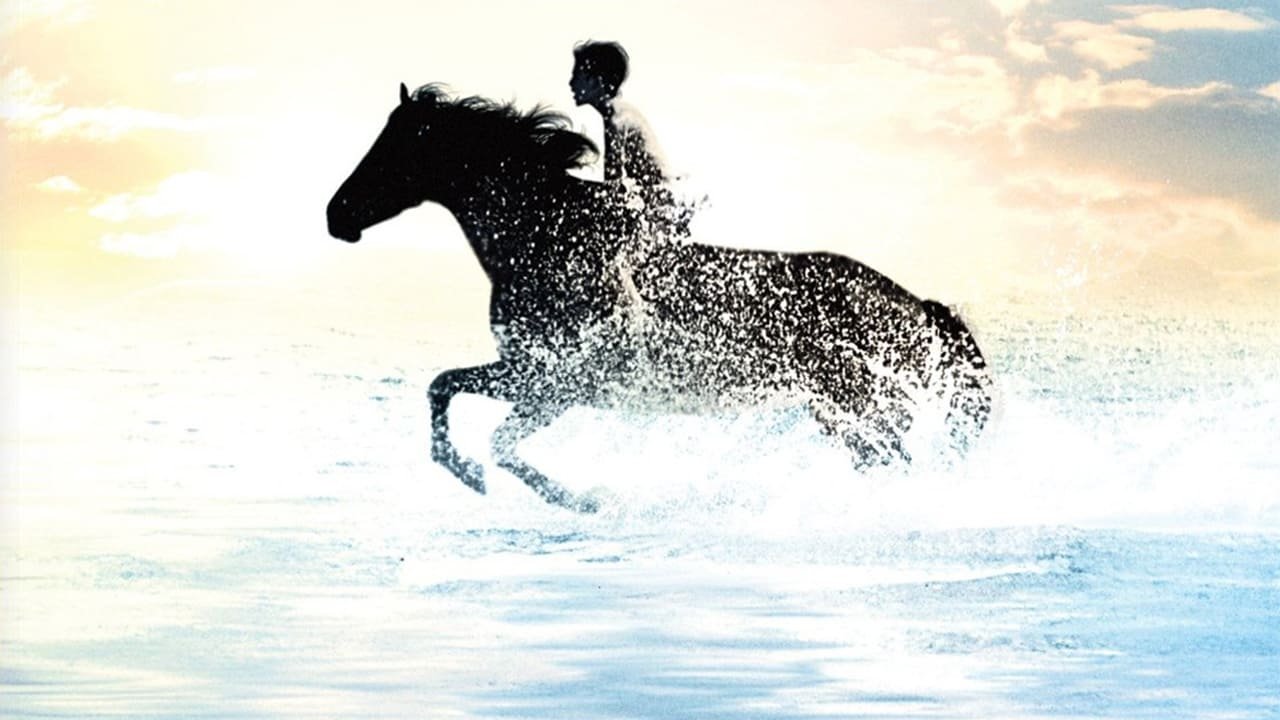
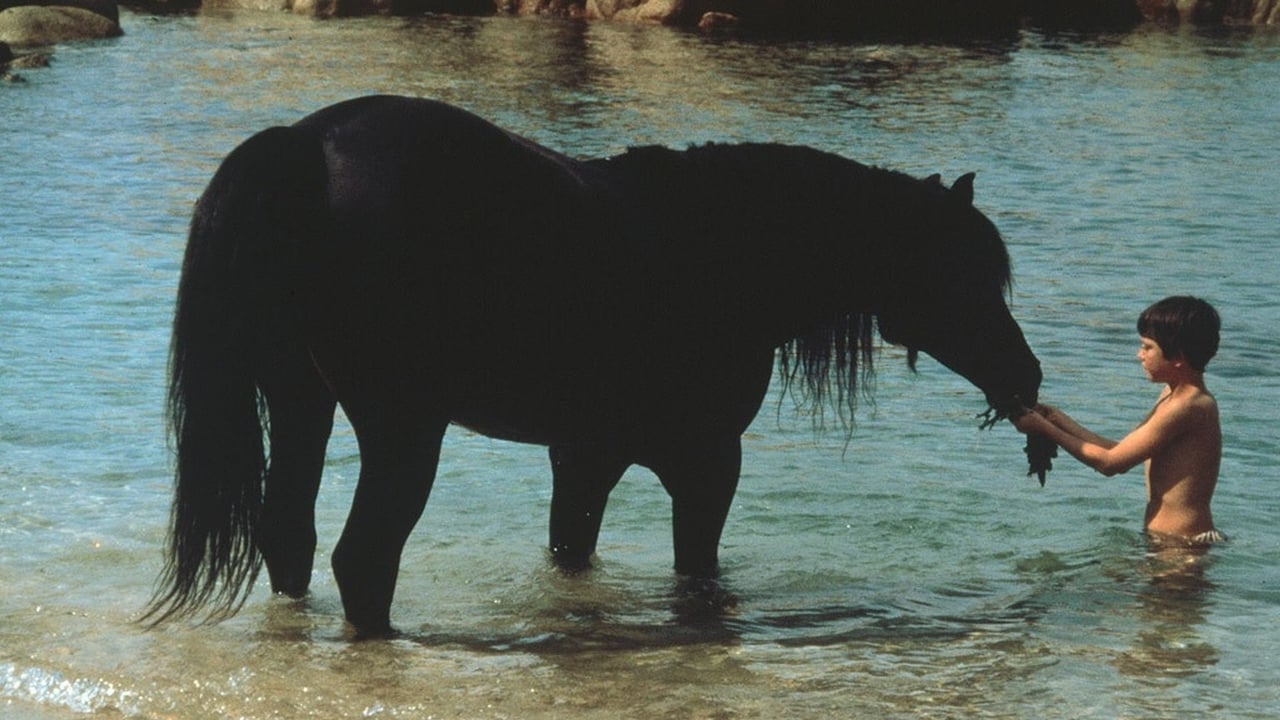
The focus shifts to training The Black for the impossible: a match race against the country's finest champions. Ballard handles these sequences with the same artistry as the island scenes, focusing on the effort, the connection between rider and horse, and the sheer physical beauty of equine power. It avoids typical sports movie clichés, keeping the emotional core firmly centered on Alec and his profound connection to the animal.
### Retro Fun Facts & Lasting Hoofprints
- The main horse playing The Black was Cass Ole, a champion Arabian stallion. Several other horses were used for specific shots or stunts, requiring careful dyeing and makeup to match Cass Ole's appearance. Filming the horse swimming in the ocean was particularly challenging and required specialized rigs.
- The film was a critical and commercial success, earning around $37.8 million at the box office against a modest budget reported to be around $2.7 million (though some sources cite $4 million) – a significant return back in the day. It also scooped an Oscar for Best Sound Editing and a Special Achievement Award for Alan Splet for Sound Editing.
- Finding the right boy for Alec was a huge undertaking. Kelly Reno, the son of cattle ranchers, had genuine riding experience, which lent authenticity to his performance. Sadly, his acting career was later cut short by a serious car accident.
- The climactic race sequence was filmed with such intensity and unique camera angles (including cameras mounted incredibly close to the thundering hooves) that it feels visceral and utterly immersive, even today.
The Black Stallion isn't just a "horse movie" or a "kids' movie." It’s a work of art that captures the intensity of childhood bonds, the majesty of the natural world, and the quiet dedication required to achieve the impossible. It treats its audience, young or old, with intelligence and respect, trusting the power of its images and emotions over exposition. It stands as a testament to Carroll Ballard's unique vision and ushered in a slightly more thoughtful era of family filmmaking. Its 1983 sequel, The Black Stallion Returns, while decent, couldn't quite recapture the singular magic of the original.
### Rating: 9/10
This film earns its high marks for its breathtaking cinematography, its powerful non-verbal storytelling in the first act, Carmine Coppola's beautiful score, and the perfectly pitched performances, especially from newcomer Kelly Reno and veteran Mickey Rooney. It transcends its genre to become a timeless piece of cinematic art that felt truly special on VHS and remains just as stunning today. It loses a single point perhaps only because the shift from the mythic island sequence to the more conventional racing story, while well-handled, inevitably feels like returning to Earth after touching the sublime.
The Black Stallion is more than nostalgia; it's a reminder of how truly transportive and visually poetic cinema can be, even viewed through the warm glow of a CRT screen. A true classic that runs straight for the heart.