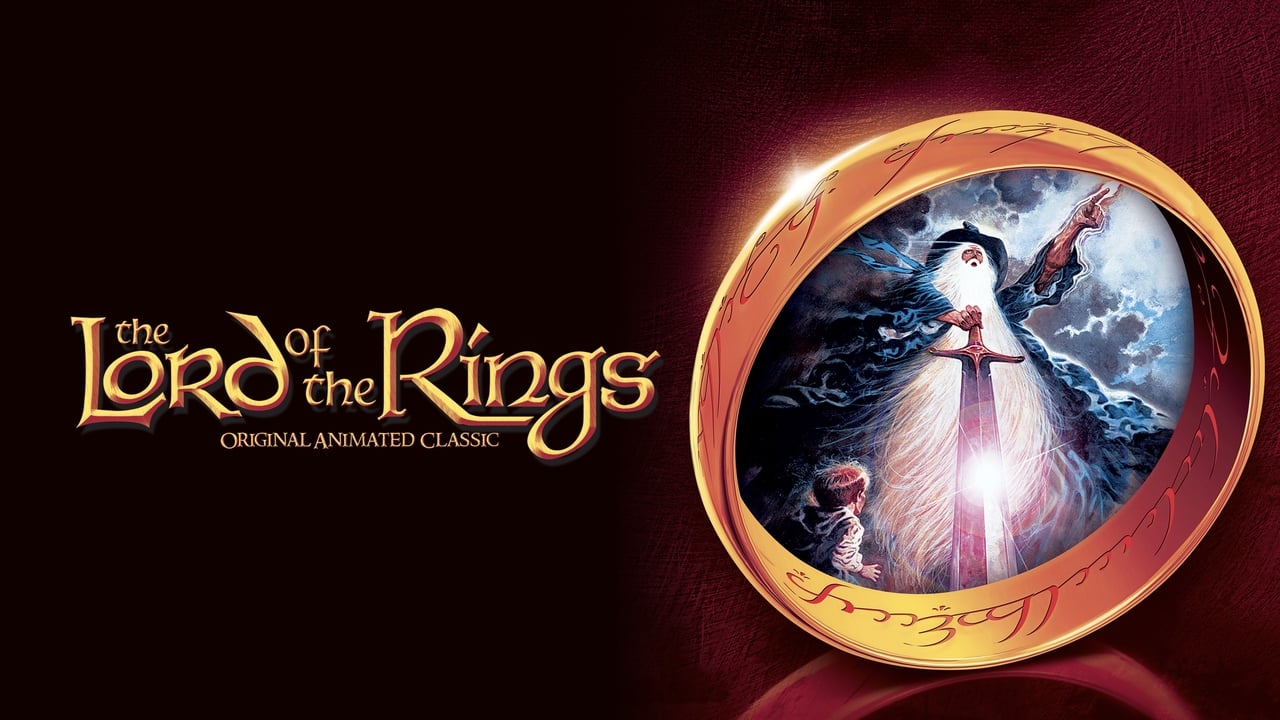
Alright, fellow tape-heads, let's rewind to a time before Peter Jackson's epic vision dominated Middle-earth, back when discovering Tolkien's world on screen felt like unearthing a strange, sometimes unsettling, but undeniably fascinating artifact. I'm talking about Ralph Bakshi's ambitious, often bewildering, 1978 animated attempt at The Lord of the Rings. Finding this one nestled on the shelf at the local video store, often with its slightly ominous cover art, was an experience in itself. It promised grand adventure, but delivered something… else. Something uniquely Bakshi.
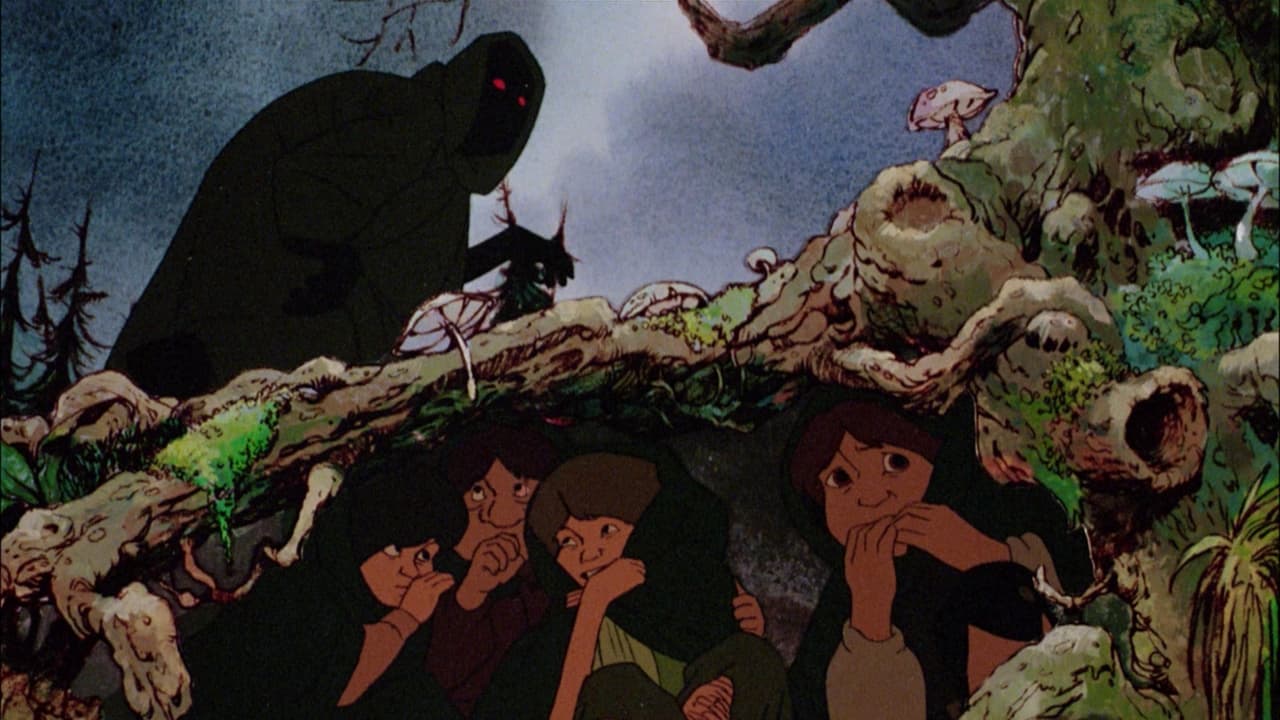
This wasn't your typical Saturday morning cartoon fare. Fresh off boundary-pushing adult animations like Fritz the Cat and the fantasy trip Wizards, Bakshi brought a distinctively gritty, almost raw energy to Tolkien's beloved saga. Forget the polished sheen we'd later become accustomed to; this Middle-earth felt earthy, shadowed, and occasionally, downright bizarre, thanks largely to its heavy reliance on rotoscoping.
### A Fellowship Forged in Ink and Film Grain
For those unfamiliar, rotoscoping involves tracing animation cels over live-action footage. In Bakshi's Lord of the Rings, this technique yields results that swing wildly between hauntingly effective and distractingly strange. Some moments possess a startling realism – the movement of the Nazgûl on their steeds, the desperate flight of Frodo (Christopher Guard) and his companions, the sheer weight of Gandalf's (William Squire) presence. There's a tangible physicality often missing from traditional animation. You felt the mud, the rain, the exhaustion in a way few cartoons managed back then. Guard brings a suitable earnestness to Frodo, while Squire’s Gandalf has a resonant authority, even if the visual representation sometimes varied wildly. And let's not forget Michael Scholes as the ever-loyal Samwise Gamgee or a surprisingly gruff John Hurt voicing Aragorn.
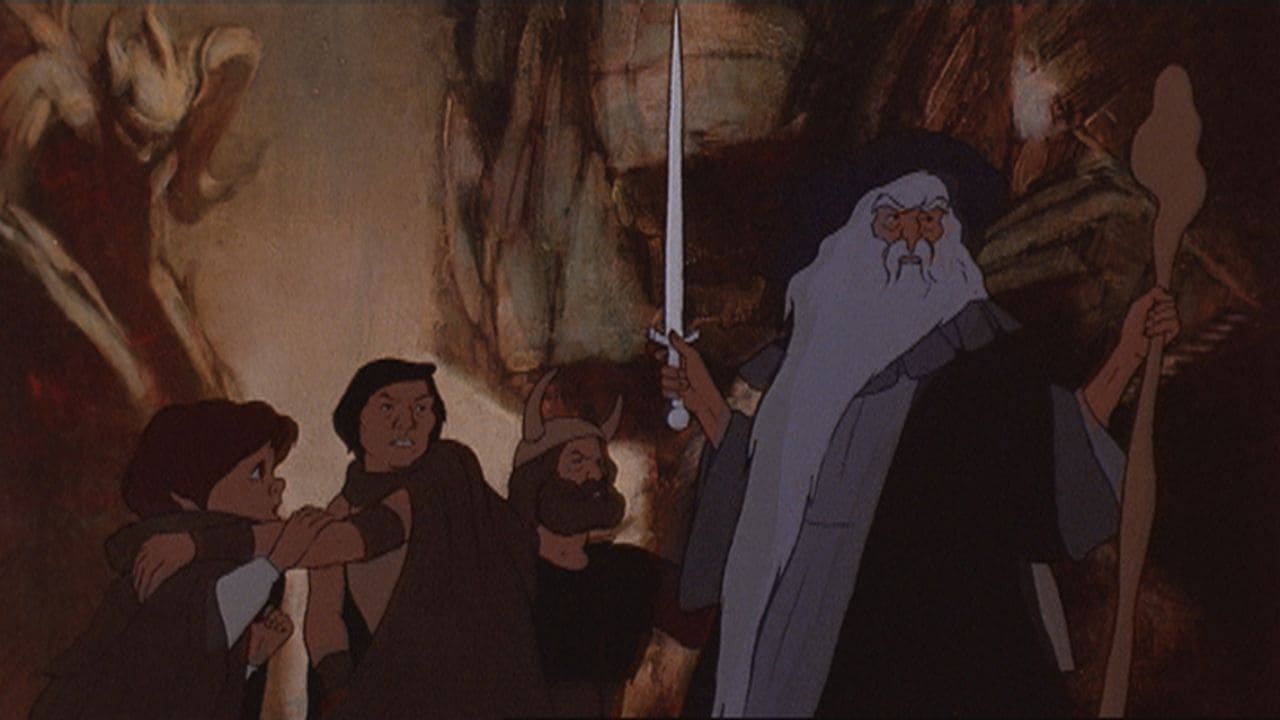
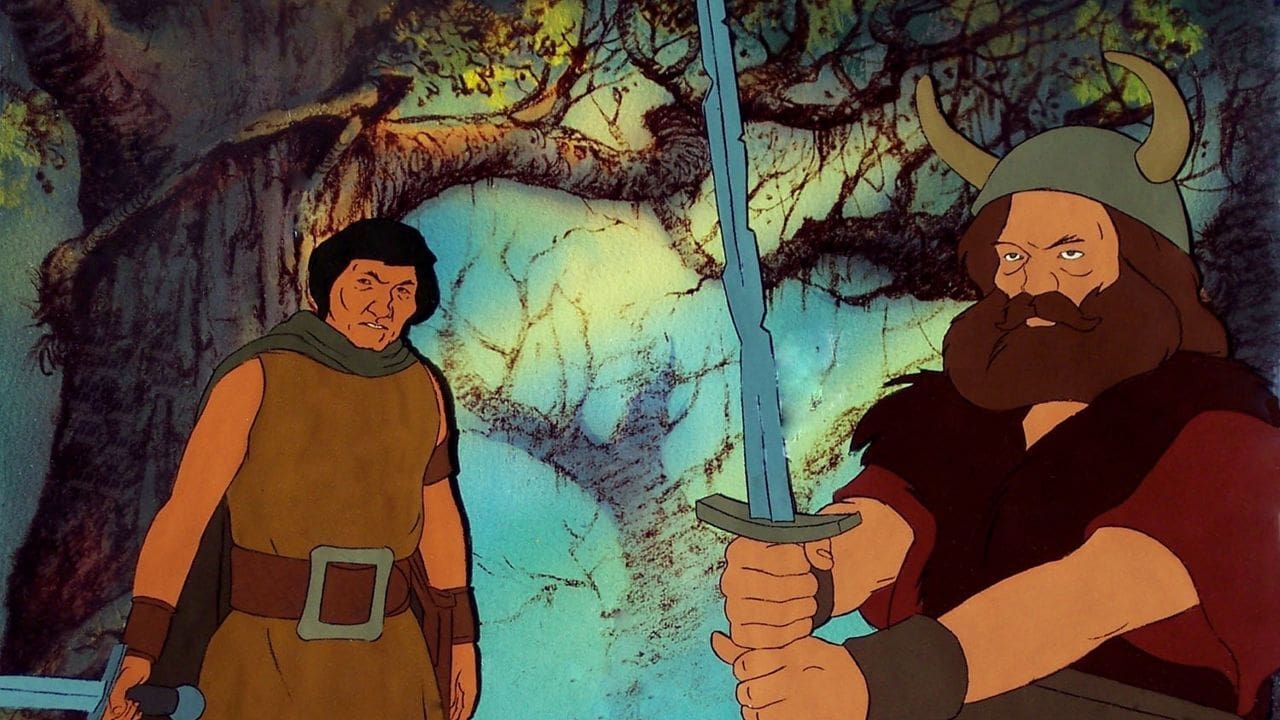
But then... there are the Orcs. Often appearing as near-photographic figures in grotesque masks or distorted live-action actors swimming amidst traditionally drawn hobbits and elves, the effect can be jarring. It sometimes feels like two entirely different films colliding on screen. Helm's Deep, in particular, becomes a chaotic swirl of animation styles, with vividly red-hued, almost solarized Uruk-hai clashing against conventionally drawn Rohirrim. Was it unsettling? Absolutely. Did it stick in your memory? You bet it did.
### The Road Goes Ever On (Sort Of)
Adapting Tolkien is no small feat, and the screenplay, credited to Chris Conkling and acclaimed fantasy author Peter S. Beagle (whose actual input level has been debated over the years), attempts to cram roughly the first book-and-a-half into its runtime. It covers The Fellowship of the Ring and a good chunk of The Two Towers, following Frodo's burden and the scattering of the Fellowship. The pacing can feel breakneck at times, glossing over character moments and nuanced world-building in favor of hitting the major plot points. Yet, certain sequences linger: the eerie encounter with the Barrow-wights (often cut from later adaptations), the intensity of the Balrog confrontation in Moria, and that strangely hypnotic, almost abstract battle sequence at Helm's Deep.

Retro Fun Fact: The production itself was fraught with challenges. Bakshi battled studio interference and budget limitations constantly. United Artists initially refused to release the film as Part One, fearing audiences wouldn't pay for half a story, hence the slightly misleading simple title The Lord of the Rings. This, of course, led to widespread confusion and disappointment when the film abruptly halts after the Battle of Helm's Deep, leaving the story frustratingly incomplete. Imagine settling down with your popcorn, fully invested, only for the credits to roll mid-adventure! It was the cinematic cliffhanger many of us never saw resolved (at least, not by Bakshi). Despite middling reviews often criticizing the animation style and unfinished story, the film was actually a financial success, proving there was a hungry audience for cinematic fantasy.
### A Curious Legacy
Watching Bakshi's Lord of the Rings today is a fascinating exercise. It’s undeniably flawed – the inconsistent animation, the rushed narrative, the non-ending. Yet, there's an undeniable artistry and ambition at play. Its darker tone and willingness to embrace the story's unsettling elements were groundbreaking for mainstream animation at the time. It served as many people's first visual taste of Middle-earth, warts and all. You can even see echoes of its designs and staging, perhaps subconsciously, in Peter Jackson's later, definitive trilogy. It might not be the epic masterpiece some hoped for, but it possesses a strange, cult-film charm. It’s the weird, older cousin of the Jackson films, the one with the experimental art phase and the stories that don't quite add up but keep you listening anyway.
For those of us who first encountered it on a worn-out VHS tape, squinting at the often murky visuals on a CRT screen, it holds a unique place in our nostalgic hearts. It was different. It took risks. And it gave us a glimpse, however fragmented, into a world of magic, heroism, and terrifying darkness.
Rating: 6.5/10
Justification: This score reflects the film's undeniable ambition, its unique and sometimes striking visual style via rotoscoping, and its importance as an early, bold attempt at adapting Tolkien. However, it's held back by the inconsistent animation quality, rushed pacing that sacrifices depth, and, most significantly, its frustratingly incomplete story, leaving viewers hanging mid-quest. It's a fascinating artifact more than a fully satisfying film.
Final Thought: A strange, shadowy, and ultimately unfinished journey through Middle-earth, Bakshi's Lord of the Rings remains a compelling, if confounding, piece of fantasy animation history – a hazy, half-remembered dream from the depths of the VHS era.