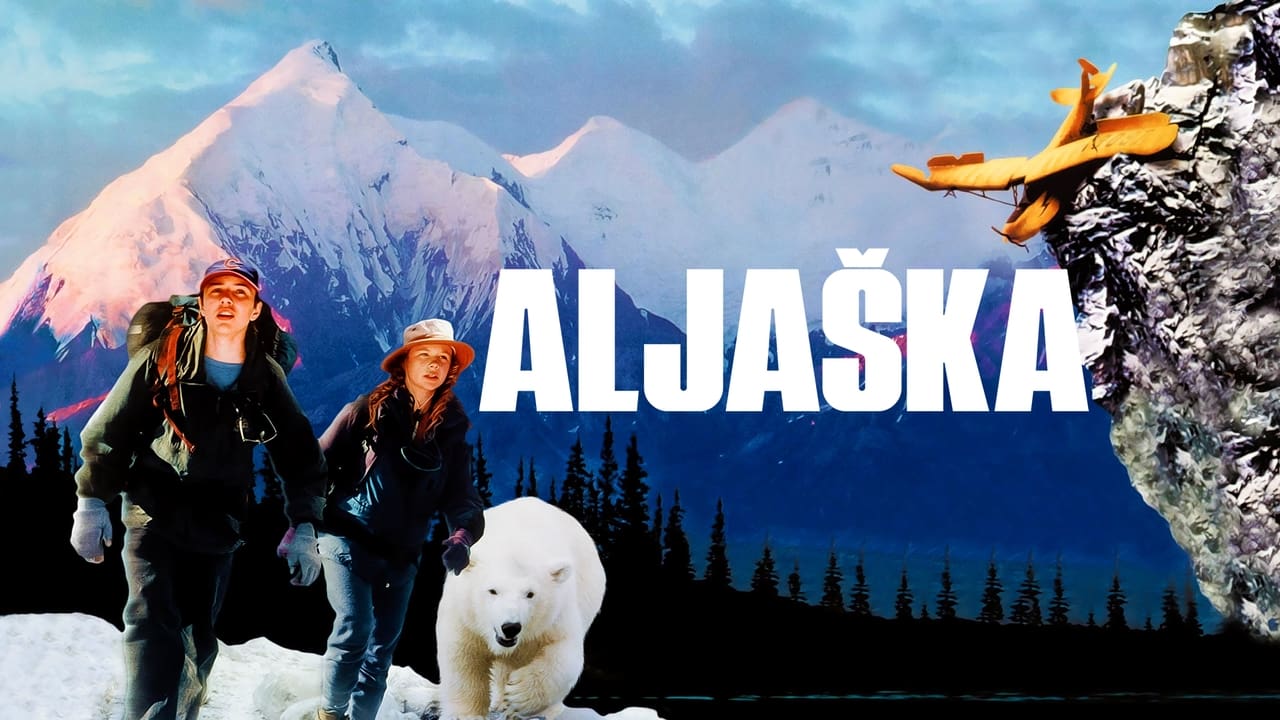
Okay, grab your oversized flannel shirt and settle in. Remember those mid-90s family adventures that seemed tailor-made for a rainy Saturday afternoon rental? The ones with kids facing overwhelming odds in spectacular, often perilous, natural settings? 1996’s Alaska fits that bill perfectly, a film that carries the unmistakable scent of adventure, damp forests, and maybe just a hint of that slightly musty video store carpet. It wasn't a blockbuster that shook the foundations of cinema, but for a certain type of kid (and maybe their parents), it was pure escapist gold.
### Into the Wild Blue Yonder
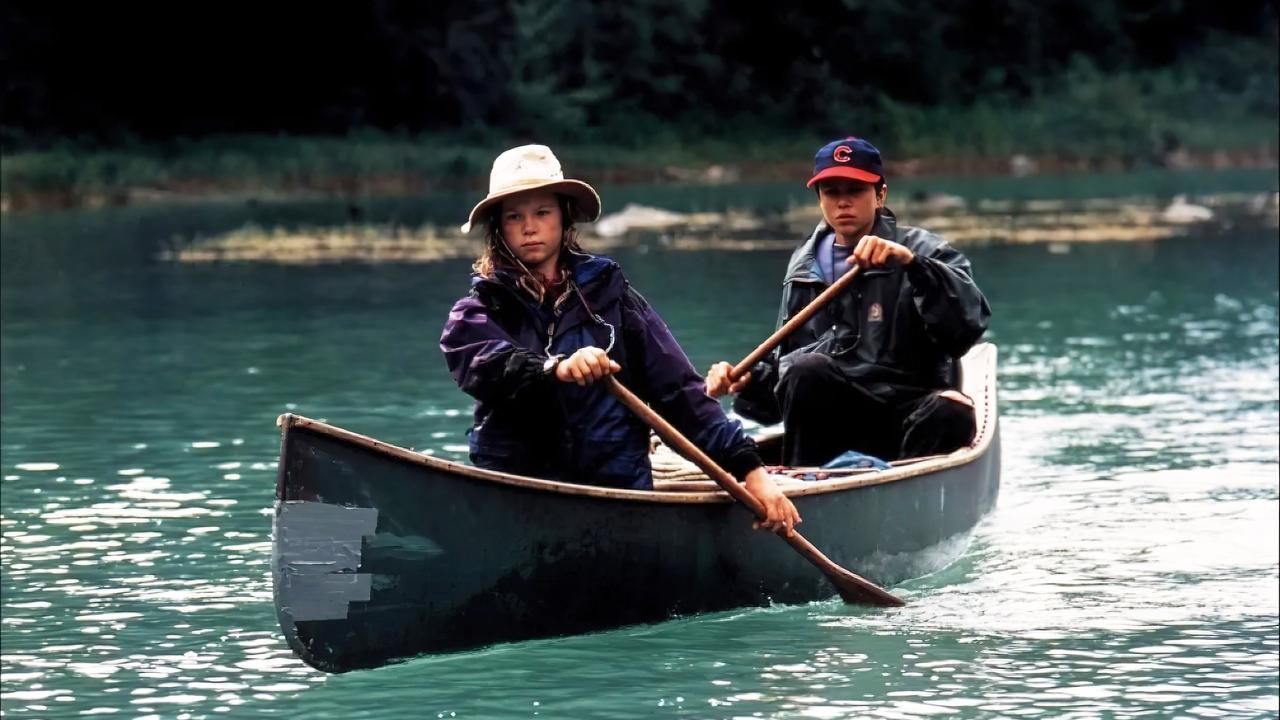
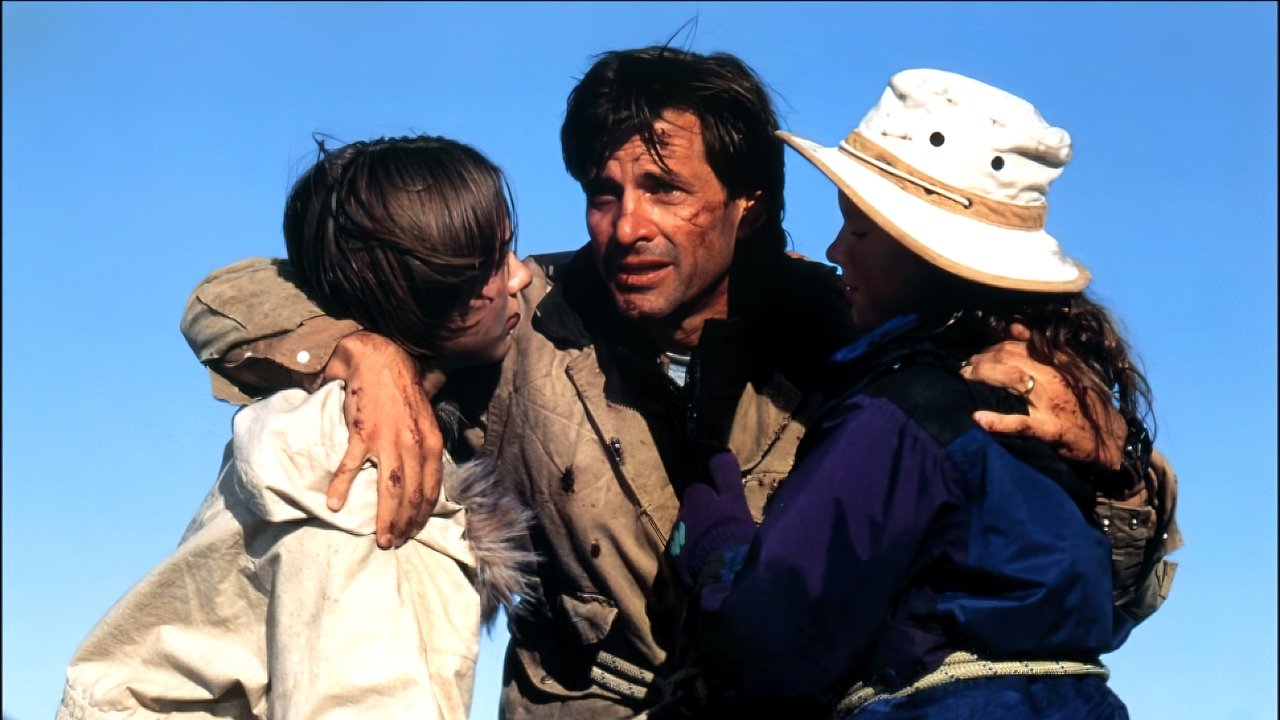
The premise is straightforward but immediately gripping: recently widowed dad Jake Barnes (Dirk Benedict, instantly recognizable to any fan of The A-Team or the original Battlestar Galactica) relocates his two city-slicker kids, Jessie (Thora Birch) and Sean (Vincent Kartheiser), to the wilds of Quincy, Alaska. Jake's a former airline pilot now flying cargo routes in his trusty bush plane. When his plane goes down somewhere in the unforgiving mountains during a storm, the authorities are slow to mount a serious search. Frustrated and desperate, teenage Sean and his younger sister Jessie steal a kayak and set off into the vast, dangerous wilderness to find their father themselves.
It’s a classic setup, tapping into that primal fear of losing a parent combined with the allure of youthful courage against impossible odds. What elevates Alaska beyond a simple TV movie plot is the sheer scale of its backdrop. Director Fraser Clarke Heston (son of the legendary Charlton Heston, who himself pops up later) truly leverages the stunning (though often Canadian) landscapes standing in for Alaska. You feel the immense, beautiful, and utterly indifferent power of nature surrounding these two kids. The cinematography drinks in the towering peaks, rushing rivers, and dense forests, making the environment both a character and a constant threat.
### Sibling Bonds and Bear Necessities
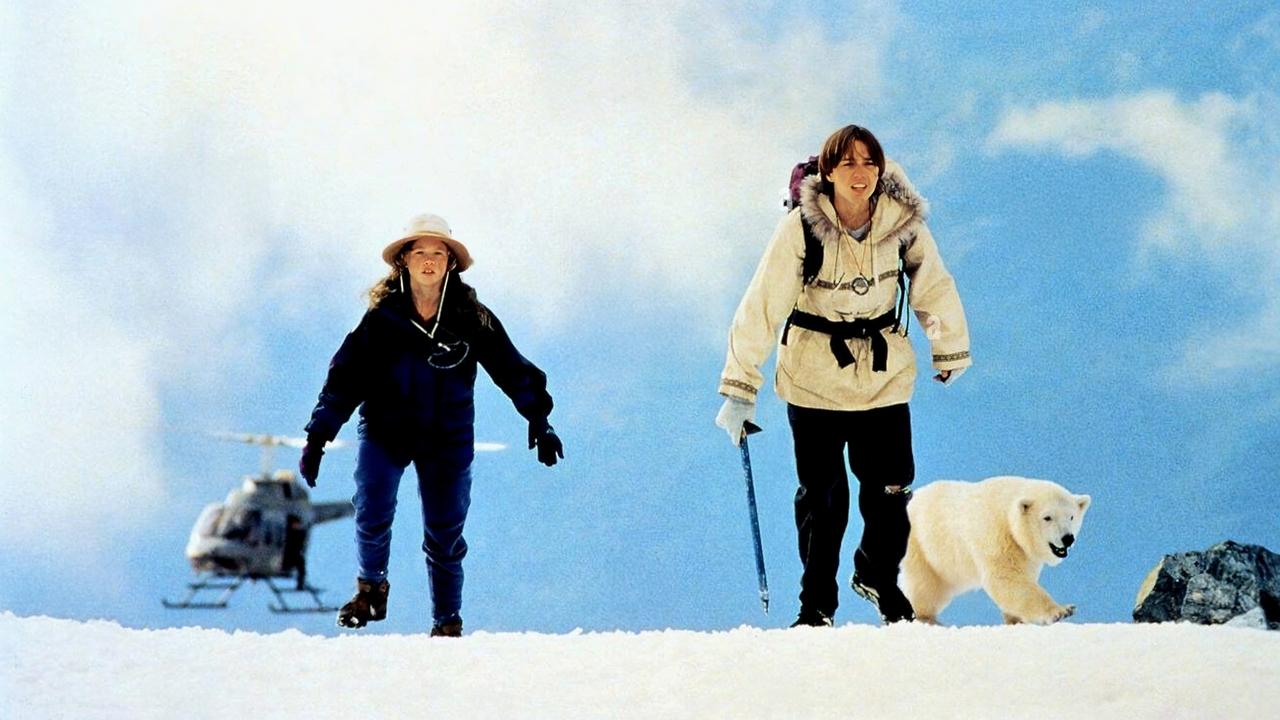
At the heart of the film are the performances of its young leads. Thora Birch, already showing the talent that would shine in films like American Beauty just a few years later, is fantastic as the resourceful and determined Jessie. She’s the anchor, often more level-headed than her impulsive older brother. Vincent Kartheiser, decades before his memorable turn as Pete Campbell in Mad Men, plays Sean with believable teenage angst and bravado that often masks his fear. Their sibling dynamic – the bickering, the shared worry, the moments of genuine connection – feels authentic and provides the film's emotional core. We believe they’d risk everything for their dad, and for each other.
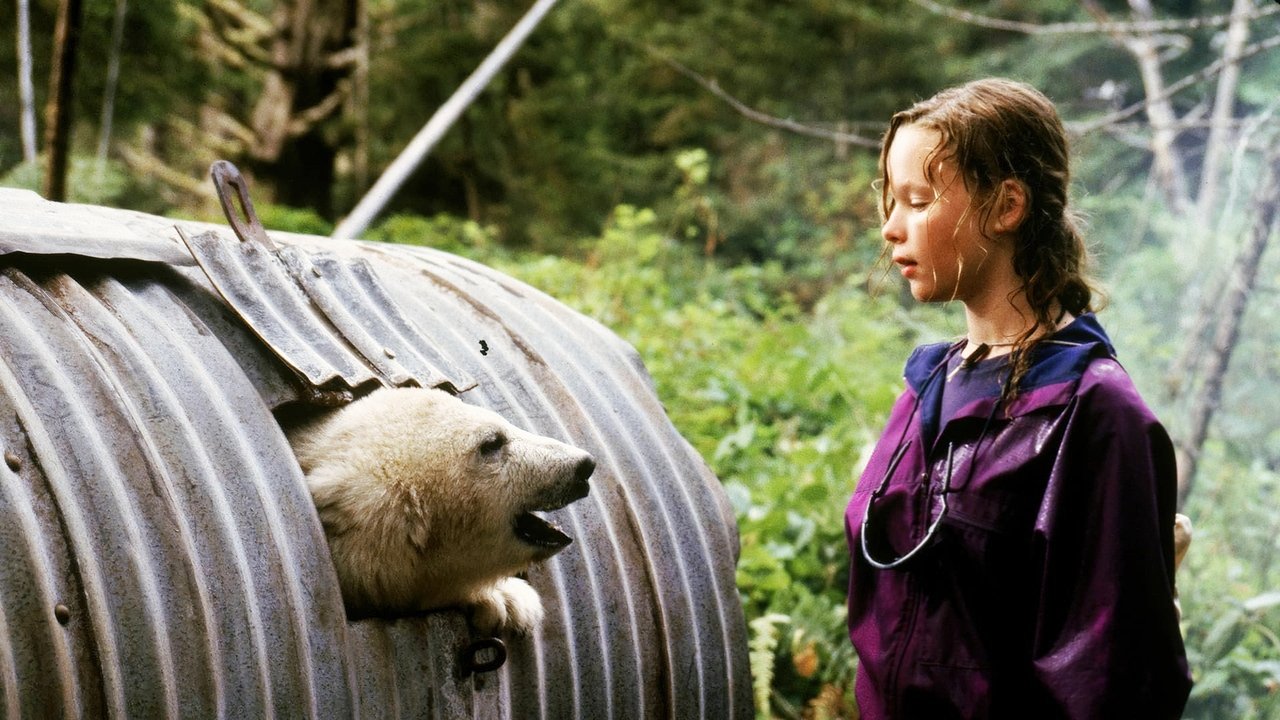
Of course, you can't talk about Alaska without mentioning their furry companion. Early in their journey, the siblings rescue a polar bear cub from a poacher's trap. Naming him "Cubby," the bear becomes their unlikely protector and guide, adding a touch of Disney-esque charm to the survival narrative. Yes, it stretches credulity a bit (a polar bear cub deep in the forested mountains?), but the interactions are handled with surprising effectiveness, blending trained bears, puppetry, and likely some clever editing. Cubby adds warmth and wonder, fulfilling that childhood fantasy of having a wild animal best friend, especially one who can scare off grumpy grizzly bears.
### Retro Fun Facts: Hestons and Hazards
The production itself offers some fascinating tidbits perfect for VHS Heaven readers. Fraser Clarke Heston directing his own father, Charlton Heston, in a villainous role as the lead poacher, Colin Perry, adds a unique layer. It’s always fun seeing an icon like Heston, known for heroic roles like Moses or Ben-Hur, play against type as a sneering baddie, even in a smaller part. This wasn't Fraser's first time directing his dad; they'd collaborated on a well-regarded Treasure Island TV movie back in 1990.
Filming in remote locations in British Columbia and Alberta posed significant challenges, requiring helicopters to ferry cast, crew, and equipment into rugged terrain. Working with animal actors, especially bears, is notoriously difficult, demanding immense patience and safety precautions. While the film might feel like a straightforward adventure now, the logistics behind capturing those sweeping mountain vistas and intimate animal encounters were considerable for the time. Despite the stunning visuals and capable young cast, Alaska didn't set the box office alight, grossing around $11.8 million against its estimated $20 million budget. However, like many films of its ilk, it likely found a comfortable second life on home video, becoming a beloved rental for families seeking adventure without leaving the living room.
### Is the Journey Still Worth Taking?
Watching Alaska today is a pleasant dip back into 90s family filmmaking sensibilities. The stakes feel real, the kids are relatable, and the scenery is genuinely breathtaking. The plot hits familiar beats – encounters with nature both beautiful and dangerous, run-ins with the grumpy poachers hot on Cubby's trail, moments of doubt and resilience. It doesn't reinvent the wheel, and some plot points rely on convenient timing, but its heart is firmly in the right place. The score by Reg Powell effectively underscores the adventure and emotion without being intrusive.
It captures a specific kind of earnestness common in films from this era – a belief in courage, family loyalty, and the idea that even kids can achieve extraordinary things when pushed to their limits. It lacks the cynicism found in some later films and embraces its adventurous spirit wholeheartedly. Does it hold up perfectly? Maybe not every element, but the core adventure and the performances certainly do.
VHS Heaven Rating: 7/10
Justification: Alaska earns a solid 7 for delivering exactly what it promises: a compelling family adventure with likable young leads, stunning scenery, and a heartwarming (if slightly improbable) animal friendship. While predictable in places and not a financial juggernaut, it excels in capturing the spirit of youthful determination against the vastness of nature. The performances from Birch and Kartheiser are strong, the direction makes great use of the locations, and the nostalgia factor for 90s kids is undeniable. It might not be high art, but it’s high-quality family entertainment from the VHS era.
Final Thought: Slip this one into your mental VCR when you need a reminder that sometimes, the biggest adventures start with just trying to find your way home – especially if you have a polar bear cub watching your back.