Okay, settle back into that comfy spot on the couch, maybe imagine the faint hum of a VCR powering up. Remember wandering those video store aisles, past the big action flicks and horror covers, and stumbling upon something… different? Something with a familiar, burly face but a title that made you do a double-take? That's the feeling The Sheriff and the Satellite Kid (original Italian title: Uno sceriffo extraterrestre... poco extra e molto terrestre, 1979) conjures up – a weird, wonderful slice of late-70s Italian sci-fi comedy that somehow found its way onto countless rental shelves, charming families with its unlikely pairing.
### When E.T. Met Bulldozer
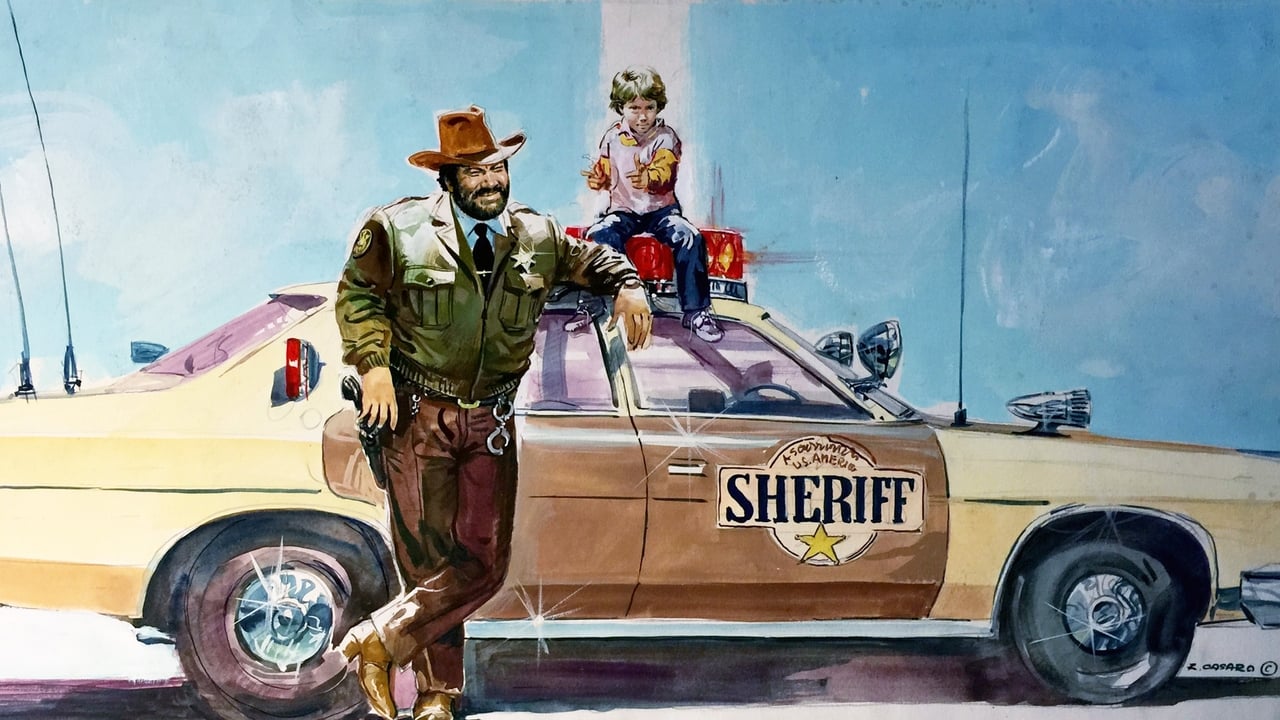
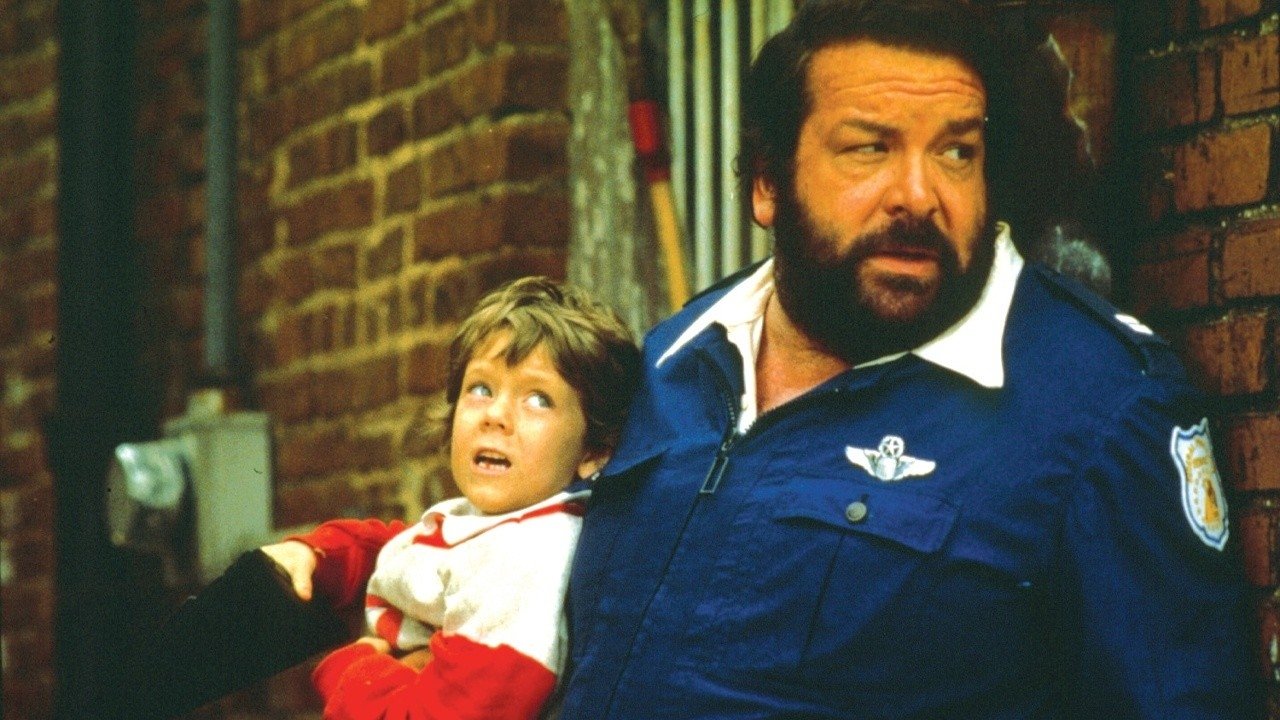
Forget gritty realism; this is pure comfort-food cinema. We land in the sleepy town of Newnan, Georgia (yes, an Italian production making excellent use of authentic American scenery!), where Sheriff Scott Hall (Bud Spencer, the gentle giant himself) is dealing with the usual small-town disturbances. That is, until strange lights fill the sky and a little blond kid in a silver jumpsuit appears, introducing himself as H7-25. This isn't just any runaway; H7-25 (Cary Guffey) is an alien visitor whose spaceship has malfunctioned, leaving him stranded.
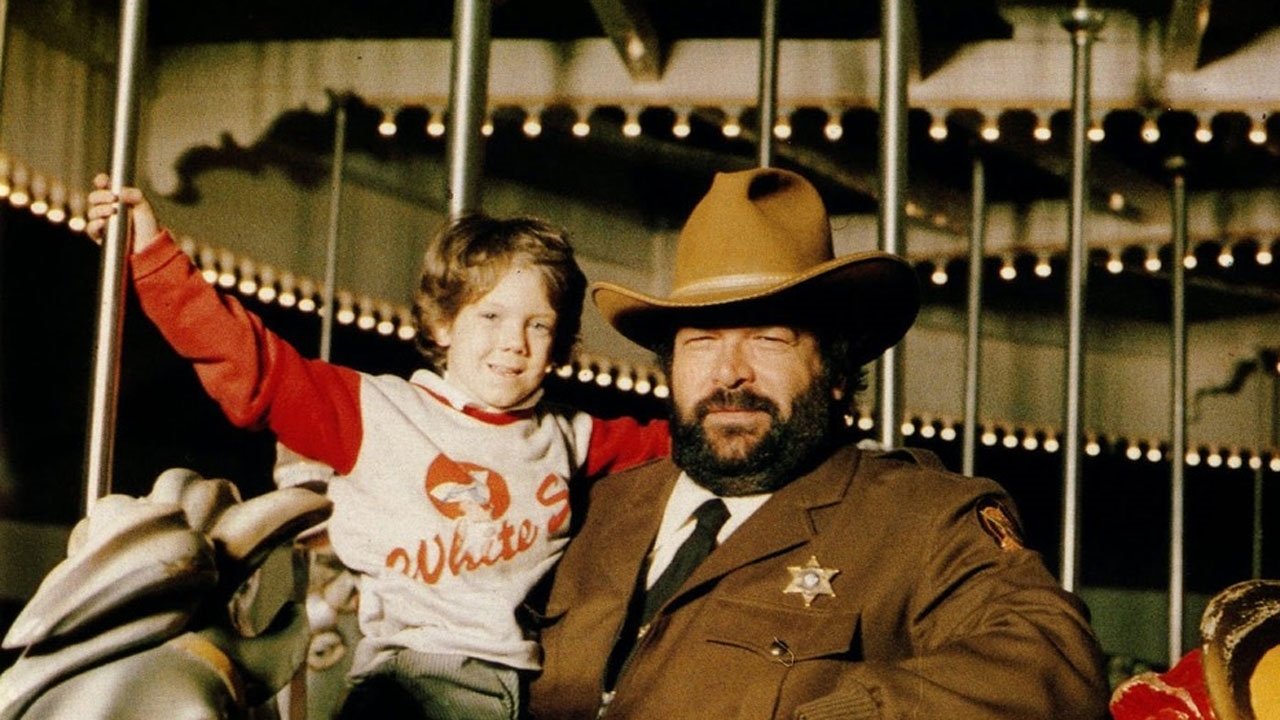
The casting of Cary Guffey was a stroke of genius, or perhaps savvy timing. Fresh off his memorable, wide-eyed turn in Spielberg’s Close Encounters of the Third Kind (1977), Guffey brought an immediate sense of otherworldly innocence and recognition. Pairing him with Bud Spencer, the Naples-born Olympic swimmer-turned-actor Carlo Pedersoli, whose films with Terence Hill were international smash hits, created a fascinating dynamic. Spencer, often dubbed for international markets (including this one), relies heavily on his expressive face and imposing physicality to convey Sheriff Hall's bewildered warmth and burgeoning protectiveness. Their chemistry, despite any language barriers during filming, is the undeniable heart of the movie.
### Haymakers and Photon Rays
Now, this is a Bud Spencer movie, directed by Michele Lupo (who helmed several Spencer/Hill outings like Buddy Goes West), so you know there’s going to be some brawling. But here, the action takes a backseat to the comedy and heart. The requisite bad guys show up – in this case, not greedy land developers, but the US military, led by the imposing Captain Briggs (played by real-life heavyweight boxer Joe Bugner), desperate to capture the alien child.
This leads to classic Spencer moments: the windmilling punches, the nonchalant dispatching of goons, the satisfying thwack sounds that were a staple of Italian action comedies. But the twist? H7-25 has his own defences. His little gadget – controlled by voice commands that the Sheriff hilariously struggles to mimic – can manipulate objects, freeze people in place, and generally cause delightful chaos. Remember that photon ray gun? Okay, maybe "ray gun" is generous. It looked more like a souped-up TV remote, didn't it? But the practical effects used to show its power – objects suddenly flying, bad guys getting stuck mid-stride – had a tangible charm. It wasn't seamless CGI; it was fishing line, clever editing, and pure movie magic, the kind that felt utterly convincing flickering on a CRT screen late at night. These effects, simple as they seem now, felt genuinely futuristic and fun back then.
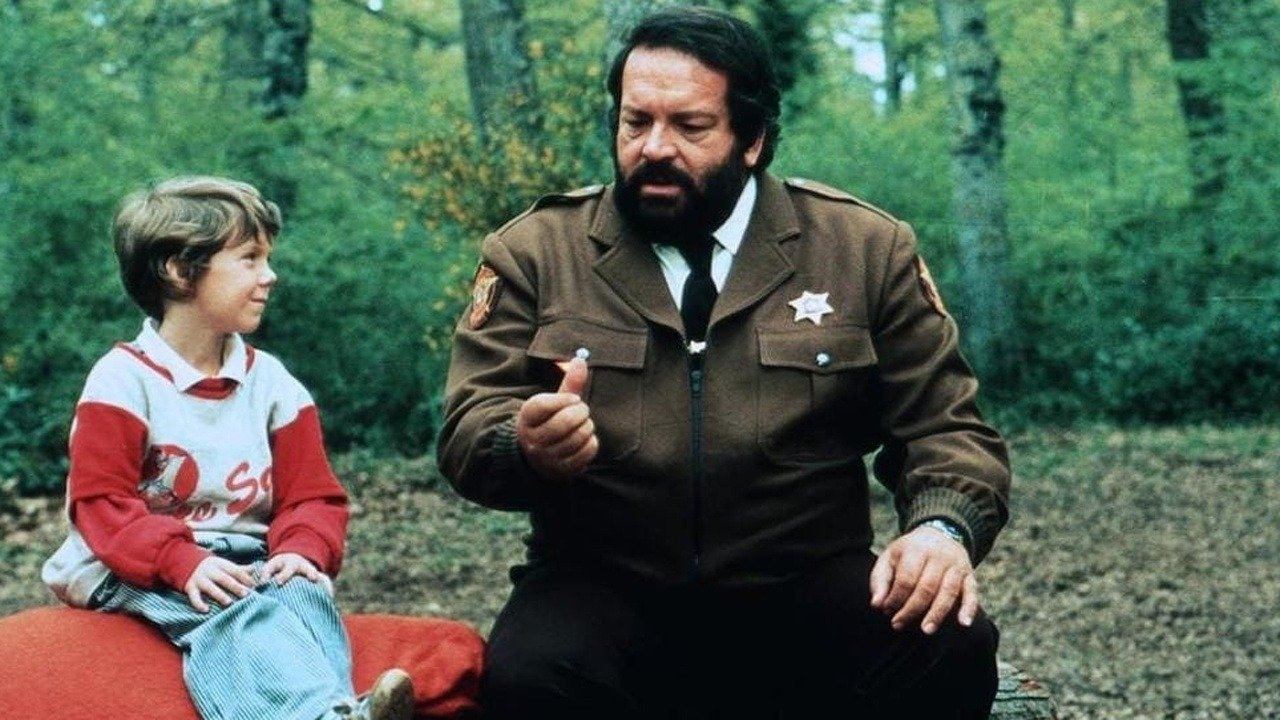
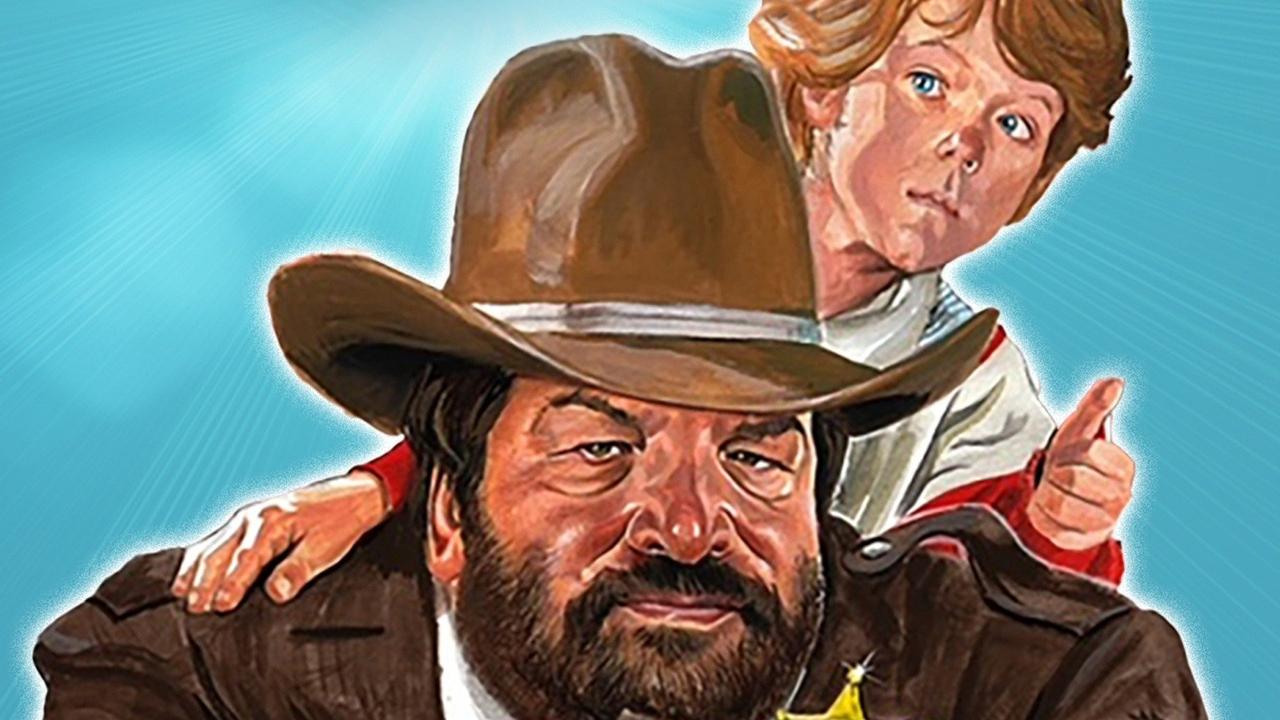
It’s this blend of homespun sci-fi and Spencer’s signature slapstick that makes the film unique. The military threat feels more like an annoyance than a genuine danger, allowing the focus to remain on the growing bond between the gruff Sheriff and the lost alien boy. It’s less E.T. and more like Pippi Longstocking dropped into a Spencer/Hill movie, with ray guns.
### More Than Just Cheese
Let's be honest, the plot is wafer-thin, and the science-fiction elements are pure fantasy. But criticizing The Sheriff and the Satellite Kid for narrative complexity is missing the point. It’s designed to be a warm, funny adventure with a positive message about acceptance. The infectious score by Guido & Maurizio De Angelis (under their famous moniker, Oliver Onions), who provided the soundtrack to so many beloved Italian genre films of the era, perfectly complements the lighthearted tone. Their themes just sound like childhood afternoons and scratched VHS tapes.
This movie wasn't aiming for critical plaudits; it was aiming straight for the hearts of families and kids who loved Spencer's brand of action-comedy. And it hit the mark, proving successful enough to spawn a sequel the following year, Everything Happens to Me (Italian: Chissà perché... capitano tutte a me). Finding this tape felt like discovering a secret handshake – a slightly goofy, utterly charming sci-fi romp starring one of Europe’s biggest action stars playing against type as a surrogate dad to an alien.
Retro Fun Fact: Despite its convincing Georgia setting, key interiors and production elements were handled back in Italy, showcasing the resourcefulness of Italian filmmakers in creating internationally appealing genre films on relatively modest budgets during this period.
Rating: 7/10
This score reflects the film's undeniable charm, the perfect casting of its leads, and its status as a beloved piece of nostalgic comfort viewing. It might be simple, the effects dated, and the plot predictable, but it delivers exactly what it promises: a heartwarming, funny adventure with a unique sci-fi twist. It earns its points through sheer likability and the enduring appeal of Bud Spencer doing what he does best, even with an alien kid sidekick.
Final Take: A wonderfully weird and warm blast from the past, The Sheriff and the Satellite Kid is the kind of movie that reminds you why browsing those dusty video store shelves could lead to such unexpected, delightful discoveries. Pure, unadulterated VHS-era fun that still raises a smile.