Alright, fellow tapeheads, slide that worn-out cassette into the VCR, maybe give the tracking a little nudge, because tonight we're diving beak-first into one of the most infamous, ambitious, and downright baffling blockbusters of the 80s: George Lucas presents Howard the Duck (1986). Forget polished superhero landings; this was an era where a major studio, backed by the guy who gave us Jedis, genuinely thought a cigar-chomping, beer-swilling duck from outer space was the next big thing. And honestly? You gotta respect the sheer audacity.
### Duckworld Comes To Cleveland
Remember the buzz? Lucasfilm involved! The creators of American Graffiti (Willard Huyck directing and co-writing with Gloria Katz, who also penned Indiana Jones and the Temple of Doom with him) at the helm! It sounded like a guaranteed slam dunk, a quirky sci-fi comedy adventure. Instead, we got... well, Howard. Yanked from his comfortable armchair on Duckworld by a wayward laser beam, Howard T. Duck splashes down in Cleveland, Ohio, a world ill-prepared for his acerbic wit and feathered angst. He quickly teams up with Beverly Switzler (Lea Thompson, radiating pure 80s rock-chick energy fresh off Back to the Future), lead singer of the struggling band Cherry Bomb. Together, they try to get Howard home, aided by a goofy, well-meaning "scientist" Phil Blumburtt (Tim Robbins in an early, gloriously nerdy role) and pursued by the increasingly sinister Dr. Walter Jenning (Jeffrey Jones, chewing scenery with delightful pre-Ferris Bueller menace).
What unfolds is a tonal rollercoaster that lurches between slapstick comedy, genuinely creepy sci-fi horror, surprisingly adult innuendo (yes, that scene), and earnest adventure. It's a film that never quite decides what it wants to be, which, paradoxically, is part of its bizarre charm decades later. Was it for kids? Adults? Duck enthusiasts? The confusion was palpable even back then, reflected in its disastrous box office ($38 million worldwide against a hefty $37 million budget – that's over $90 million today!) and critical drubbing (hello, multiple Razzie Awards).
### The Man in the Suit (And the Animatronics)
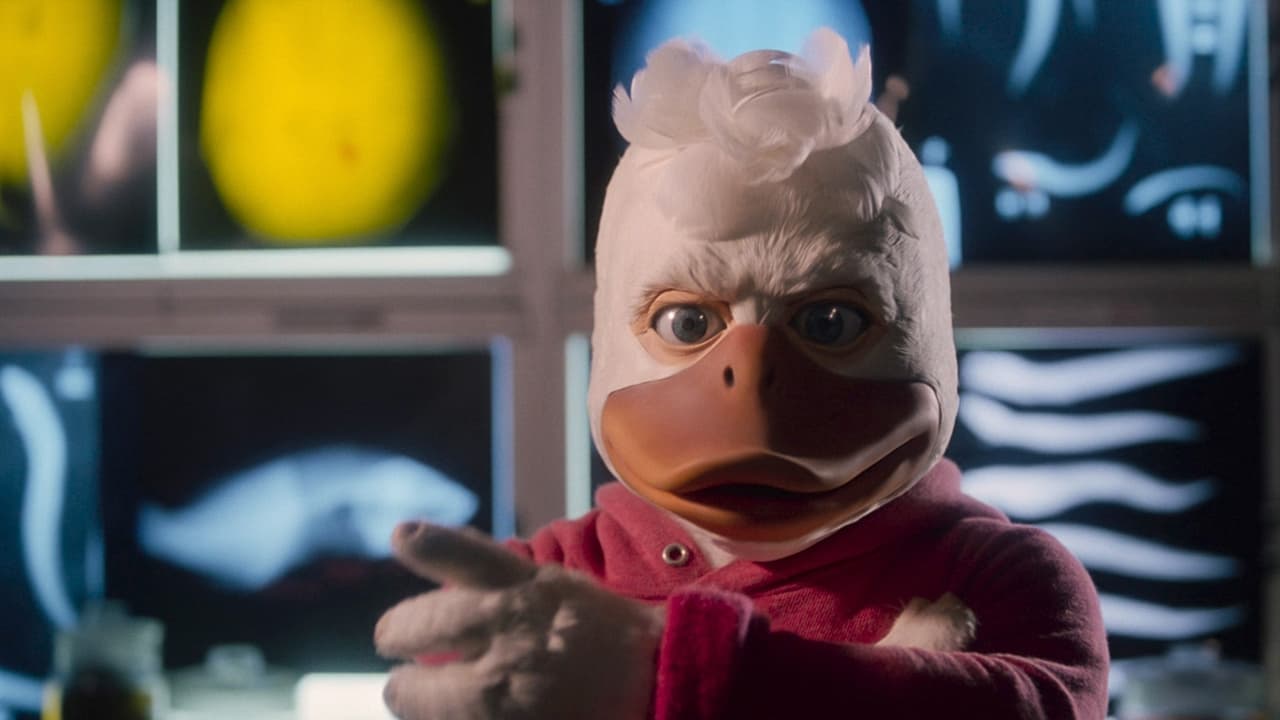
Let's talk about Howard himself. Bringing him to life was a Herculean task in the pre-CGI era. The initial plan might have leaned towards animation, but Lucas pushed for live-action, resulting in a complex, animatronic-enhanced suit. Inside that often-uncomfortable costume for much of the film was actor Ed Gale, with several others contributing movements and puppeteering for the head, operated by a team off-screen. Getting expression from that beak and those eyes was a constant struggle. Sometimes it works, capturing a flicker of Howard's cynicism. Other times... well, it’s the stuff of uncanny valley nightmares. There's a tangible weight and presence to Howard, though, that you wouldn't get from a purely digital creation. You feel the effort, the wires, the servos whirring just beneath the feathers.
And the action? When the film shifts gears into its "save the world" plot involving the Dark Overlord of the Universe possessing Dr. Jenning, things get surprisingly wild. The practical effects team went all out. Remember that final battle? The creature design for the Dark Overlord's final form, while perhaps looking a bit rubbery now, was pure nightmare fuel back then – a grotesque stop-motion monstrosity realized by Phil Tippett's legendary effects house (yes, the Jurassic Park and RoboCop guy!). The laser blasts, the exploding diner, the ultralight aircraft chase – it all has that signature 80s tactile feel. Real sparks, real fire, real stunt performers earning their paychecks. Compared to today's slick, often weightless digital mayhem, there's a clunky, dangerous energy here that's strangely captivating.
### A Baffling Blend
Lea Thompson deserves immense credit for playing straight-woman (straight-human?) to a sarcastic duck. She commits fully, selling the absurdity of falling for an alien fowl and fronting Cherry Bomb with infectious enthusiasm. Tim Robbins provides reliable comic relief, a bundle of nervous energy and scientific babble. And Jeffrey Jones relishes his transformation from stuffy scientist to cackling cosmic entity. His delivery of lines like "You are trapped in a world you never made!" while becoming increasingly monstrous is peak 80s villainy.
The soundtrack, supervised by Thomas Dolby (yes, "She Blinded Me With Science" Thomas Dolby), is another fascinatingly dated element, particularly the Cherry Bomb songs penned by Dolby and performed by Thompson and her bandmates. They’re pure 80s power-pop, catchy in a way that instantly transports you back to neon lights and big hair.
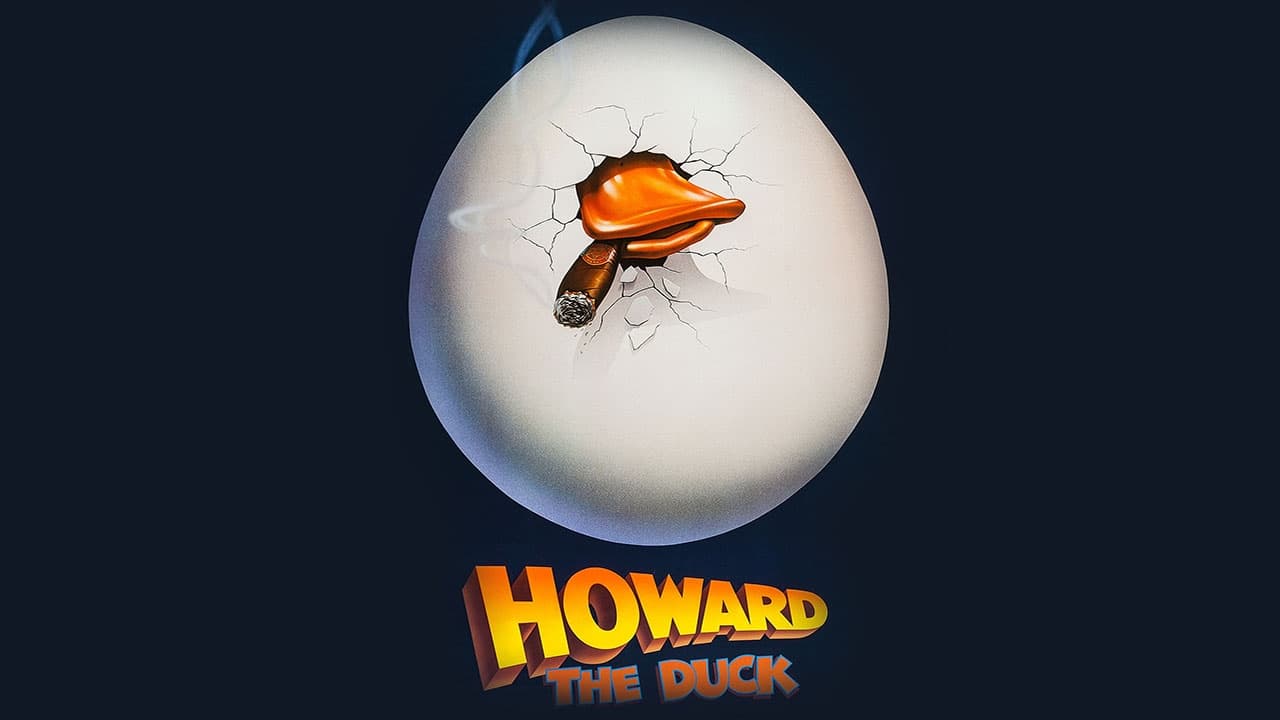
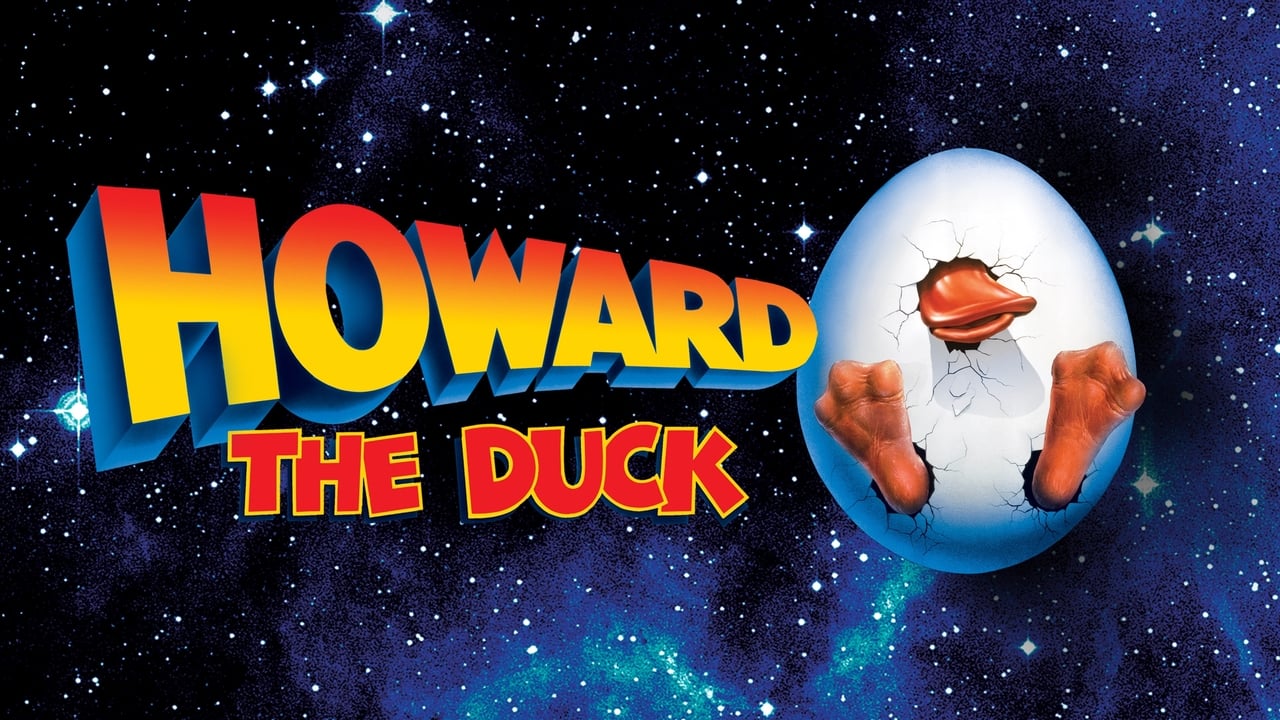
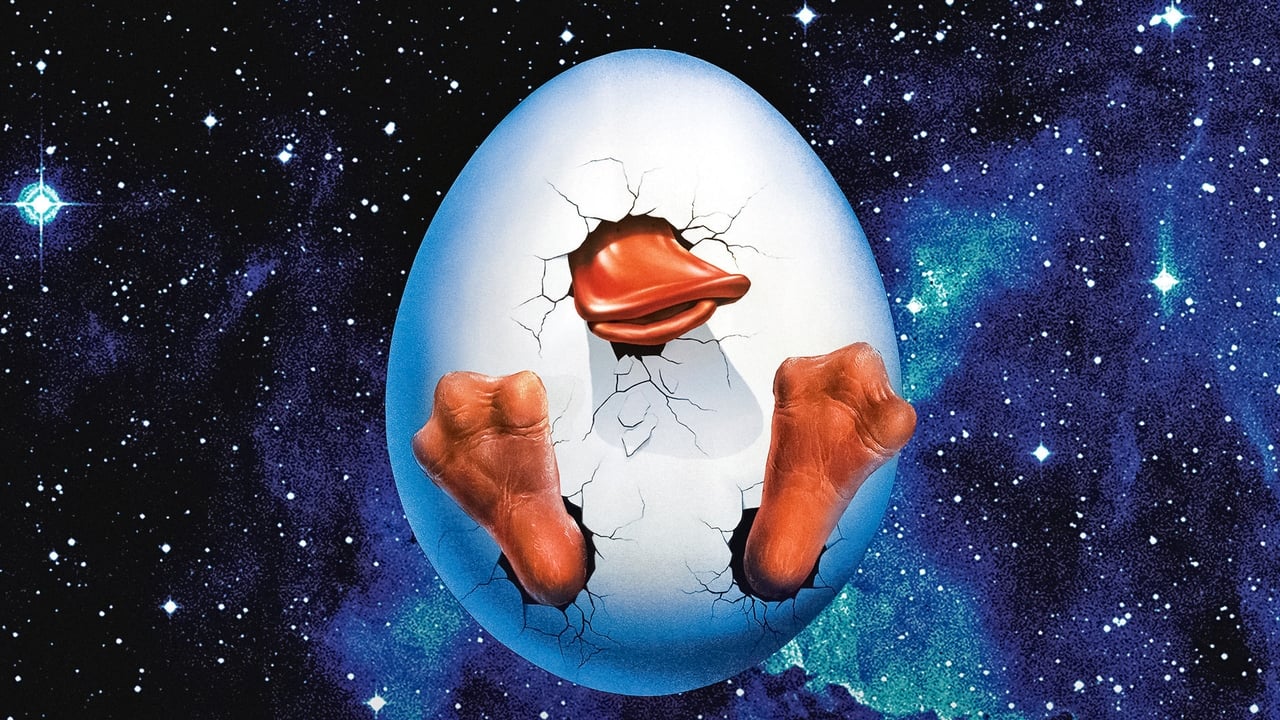
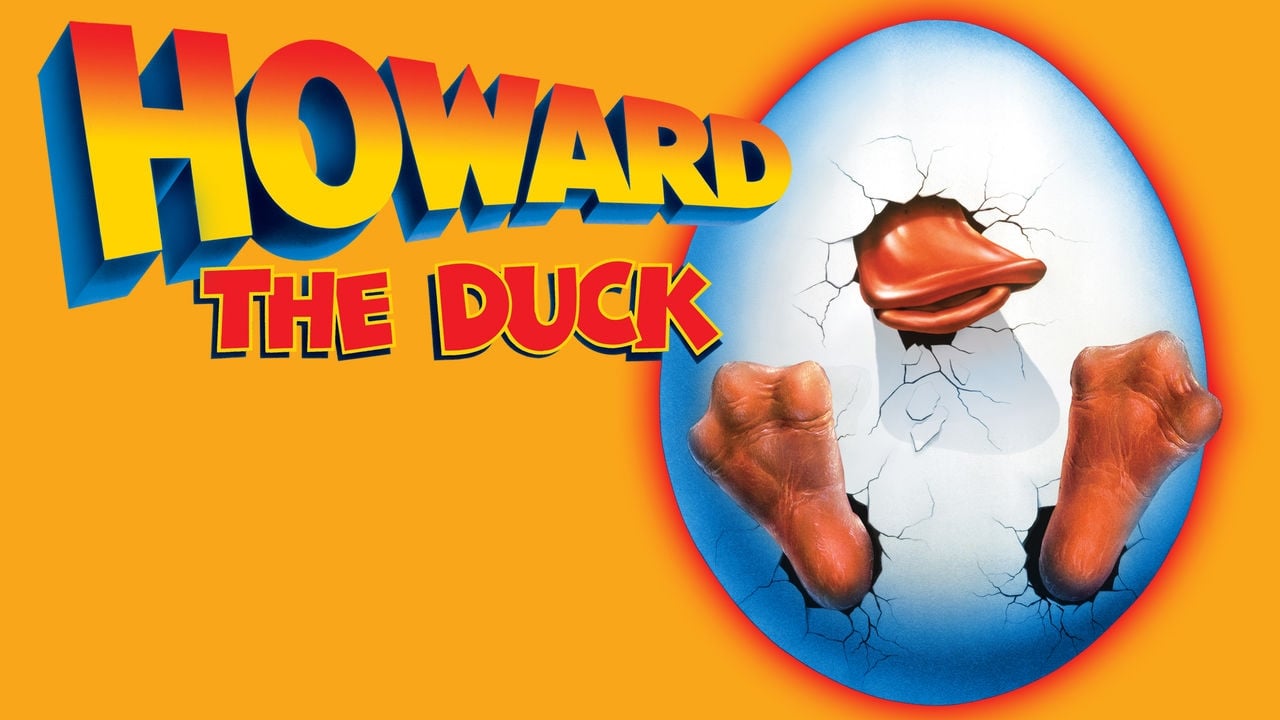
Finding Howard the Duck on the video store shelf was always an experience. That cover art! It promised something... different. And boy, did it deliver on different. I vividly remember renting this, probably sandwiched between Weird Science and Short Circuit, expecting goofy fun and getting... this glorious mess. It wasn't quite the adventure promised, but it was certainly unforgettable. The sheer ambition colliding with baffling execution makes it a true cinematic oddity.
### Final Verdict
Howard the Duck is the movie equivalent of finding a bizarre novelty item at a garage sale – you're not sure why it exists, how it got made, or who it was originally for, but you absolutely have to have it. It's flawed, tonally chaotic, and features some truly questionable creative choices. Yet, there's an undeniable charm in its practical effects, its earnest performances (especially Thompson's), and its sheer, unadulterated 80s weirdness. It tried so hard, bless its feathered heart.
Rating: 4/10 - A legendary misfire, but essential viewing for connoisseurs of cinematic curiosities. Its ambition vastly outweighed its grasp, resulting in a film that's fascinatingly bad, strangely watchable, and packed with head-scratching moments that showcase the wild risks studios sometimes took back in the VHS glory days.
Final Thought: Forget multiverses, Howard the Duck was the original bewildering crossover, proving that sometimes, even with the best intentions and effects money could buy, some concepts are just too gloriously weird to fly straight. A feathered artifact of a bolder, stranger time in Hollywood.