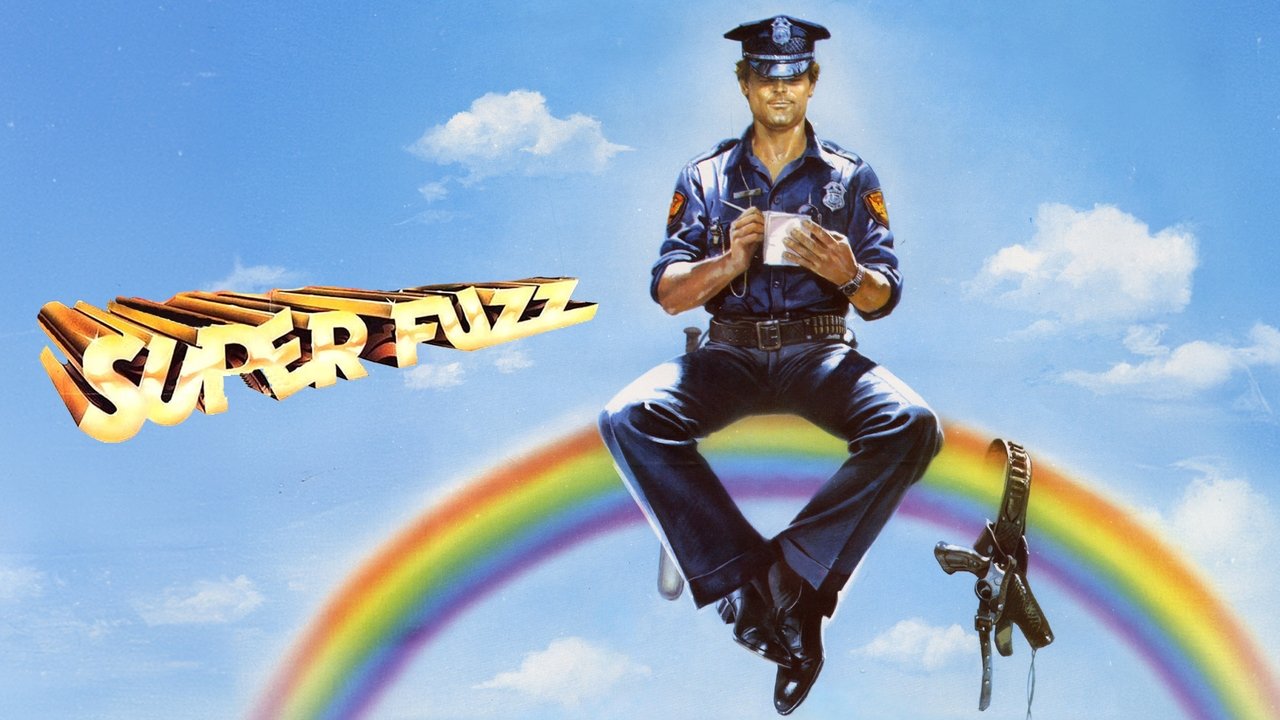
Alright, fellow tapeheads, settle into your beanbag chair, maybe crack open a Tab or a New Coke if you’ve somehow time-traveled one back. Tonight, we’re dusting off a tape box that practically radiates goofy charm and improbable superpowers: 1980’s international oddity, Super Fuzz (or Poliziotto superpiù if you want to impress your cinephile friends). This one wasn’t exactly blowing up the multiplexes next to Empire Strikes Back, but find the right worn-out VHS copy at the local Mom & Pop rental store? Pure gold.
### From Spaghetti Westerns to Super Cops?
Let's start with something wild: this slice of pure, unadulterated silliness was directed by Sergio Corbucci. Yes, that Sergio Corbucci – the maestro behind ultra-violent, gritty Spaghetti Western classics like Django (1966) and the bleak masterpiece The Great Silence (1968). Seeing his name attached to a film where the hero stops bullets with chewing gum feels like finding out Clint Eastwood secretly directed a Care Bears movie. It’s an immediate head-scratcher that sets the stage for the film’s unique, slightly off-kilter energy. Apparently, Corbucci, alongside co-writer Sabatino Ciuffini, decided to take a sharp left turn from dusty trails into the sun-drenched streets of Miami for this superhero spoof.
### Accidental Awesomeness
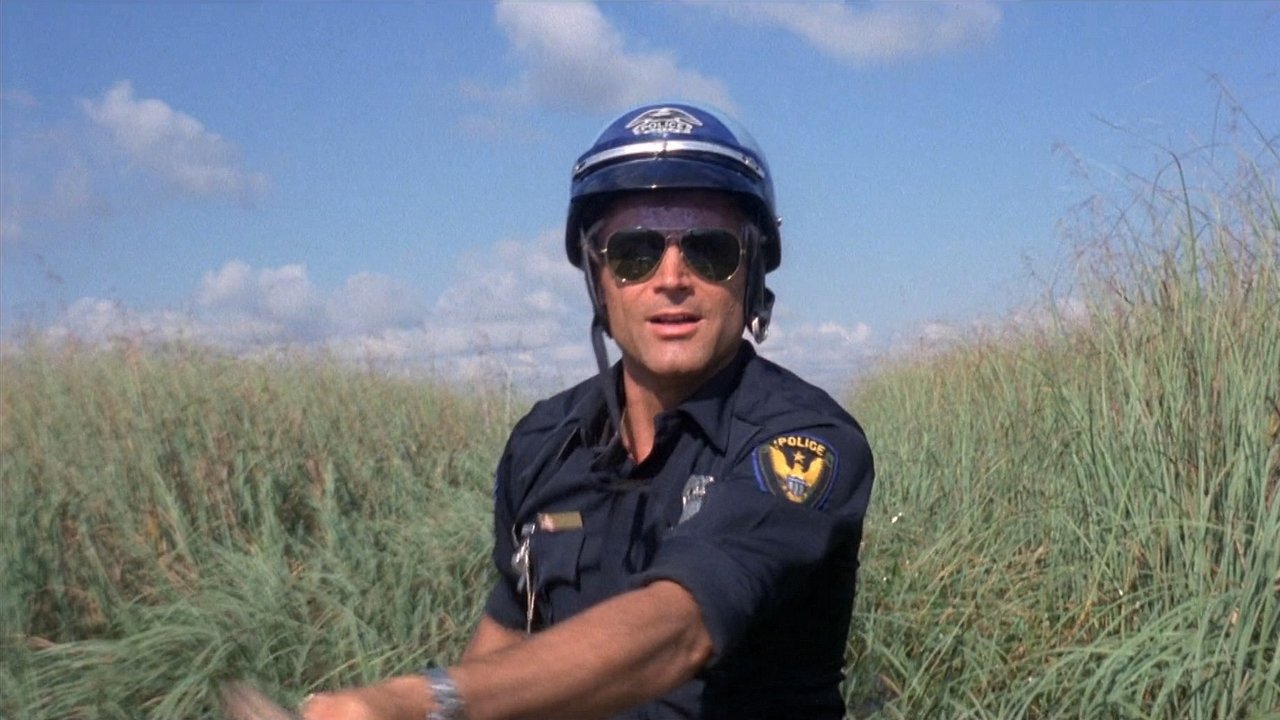
The premise is delightfully absurd: rookie Miami cop Dave Speed, played with boundless blue-eyed charisma by Terence Hill, gets accidentally nuked during a top-secret rocket launch (as one does). Instead of turning into a pile of ash, he gains superpowers! But there's a catch – whenever he sees the color red, poof, the powers vanish, usually at the most inconvenient moment possible. It's a simple, effective comedic hook that the film mines relentlessly. Terence Hill, already a huge star in Europe, particularly for his comedic Westerns with Bud Spencer like They Call Me Trinity (1970), slides effortlessly into this role. He sells the goofy powers and the earnest confusion with infectious charm. You just like Dave Speed, even when he’s accidentally bending lamp posts or causing city-wide chaos.
### Ground Control to Major Tomfoolery
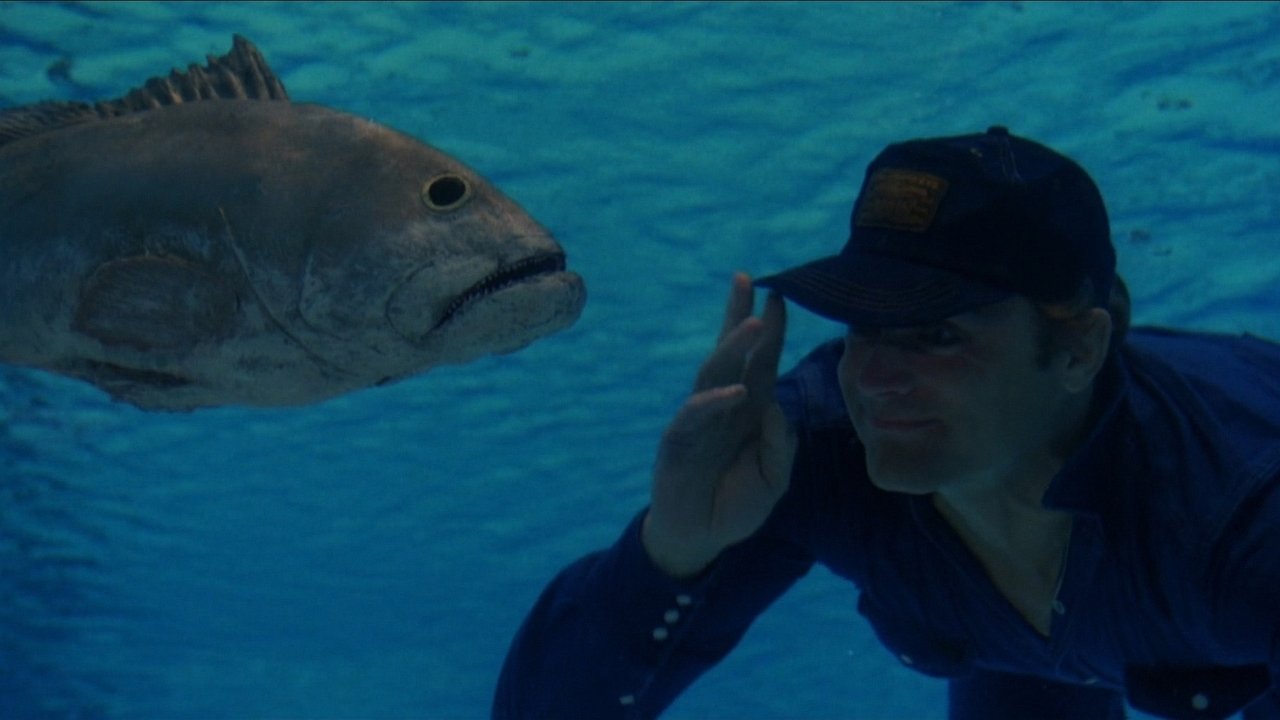
Now, the "superpowers." Forget the seamless CGI spectacle of today. This is glorious, tangible, 80s-era practical effect work, often bordering on charmingly crude. Remember watching Dave walk on water? It wasn't ILM wizardry; it was likely cleverly hidden platforms and camera angles. That moment he catches a speeding jai alai ball? Good old-fashioned editing and maybe some wire work. And the iconic scene where he stops a bullet fired point-blank by chewing it like bubblegum? Pure cinematic silliness achieved through simple, effective cuts and prop magic.
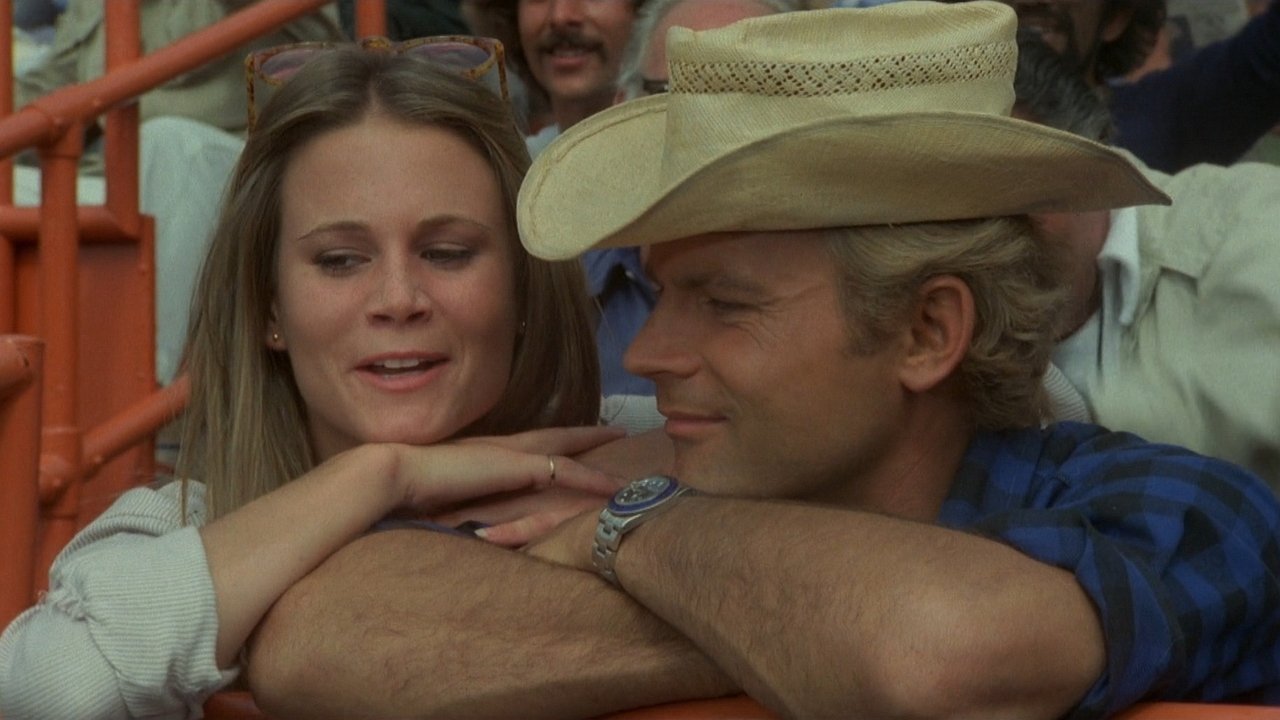
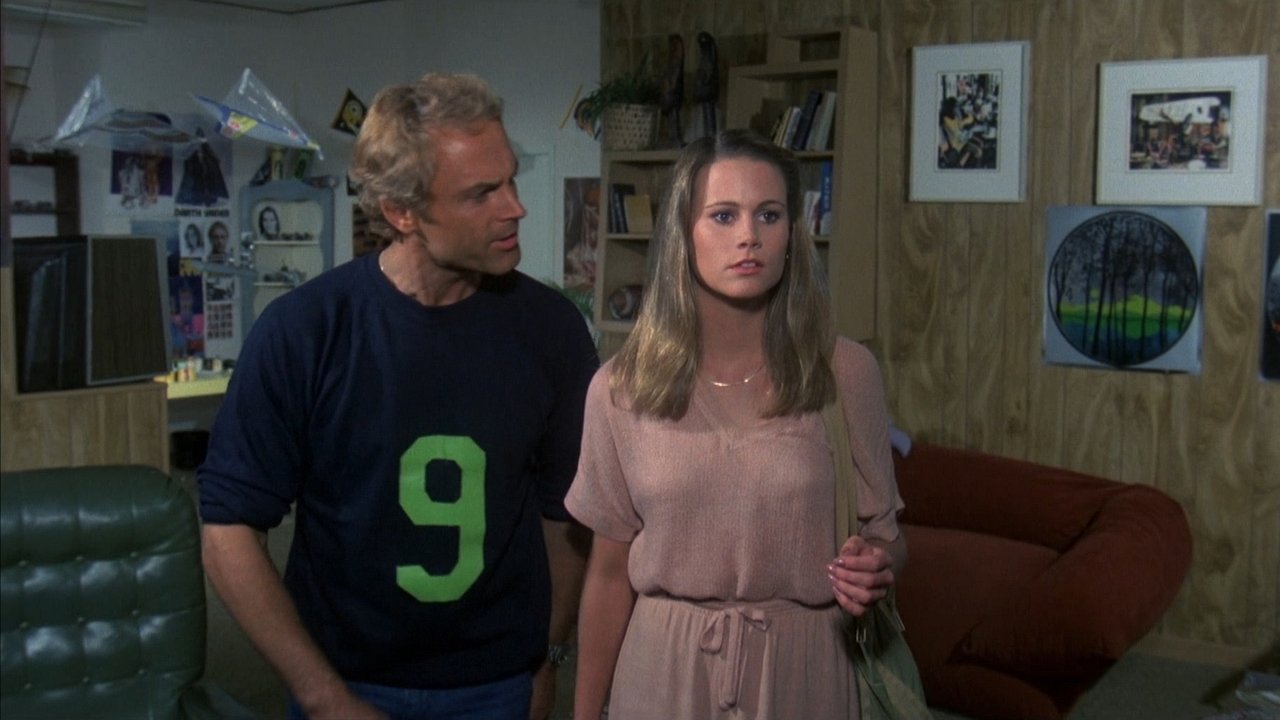
It's precisely this lack of modern polish that gives Super Fuzz its lasting appeal. You can feel the analogue effort. The effects weren't meant to fool you completely; they were meant to delight you with their audacity. There's a tactile quality, a sense of "how did they do that?" which often gets lost in today's pixel-perfect world. It felt inventive and fun because you could almost see the strings, adding to the film's lighthearted, almost cartoonish vibe. This film cost around $5 million back then – a decent sum, but pocket change compared to modern blockbusters – forcing creative, practical solutions.
### Borgnine Brings the Bluster
Grounding all this supernatural silliness is the legendary Ernest Borgnine as Sergeant Willy Dunlop, Dave’s perpetually exasperated partner and soon-to-be father-in-law. Borgnine, an Oscar winner for Marty (1955) but beloved by genre fans for roles in The Poseidon Adventure (1972) and Escape from New York (1981), is the perfect foil. His gruff, shouting, increasingly bewildered reactions to Dave’s powers provide many of the film’s biggest laughs. The chemistry between the easygoing Hill and the volcanic Borgnine is fantastic, echoing classic buddy-cop dynamics but with a ridiculous superhero twist. Supporting players like Joanne Dru as Rosy Labouche, the opera-singing object of Dunlop's affection, add to the quirky ensemble.
### Miami Vice, Minus the Vice (Mostly)
Filming on location in Miami gives Super Fuzz a distinct visual flavor – all bright sunshine, pastel colours (ironically, given the red weakness!), and that unmistakable late 70s/early 80s Florida aesthetic. It feels slightly exotic, especially viewed through European eyes, contributing to its international success. The plot itself is a fairly standard crime caper involving counterfeit money, but it’s merely a framework to hang the superpower gags and character interactions on. And who can forget that insanely catchy theme song, "Super Snooper" by The Oceans? It’s pure, unadulterated earworm material that perfectly captures the film's breezy tone.
While maybe not a critical darling in the States upon release, Super Fuzz found its tribe on home video and cable TV reruns. It became one of those movies you stumbled upon late at night, watched with bewildered amusement, and then couldn't wait to tell your friends about. It’s a testament to Terence Hill’s star power outside the Trinity films and a unique, baffling entry in Sergio Corbucci’s filmography.
***
VHS Heaven Rating: 7/10
Justification: Super Fuzz earns a solid 7 for its sheer, unpretentious fun factor, Terence Hill's infectious charm, Ernest Borgnine's brilliant comedic support, and its status as a genuinely unique cult artifact. The low-fi effects are part of the appeal, and while the plot is thin, the execution is filled with enough goofy energy and memorable gags to keep you smiling. It knows exactly what it is – a light, silly, feel-good romp.
Final Thought: Forget gritty realism; Super Fuzz is a joyful blast of retro absurdity, a cinematic reminder that sometimes, the most fun superpowers are the ones held together with chewing gum, camera tricks, and pure, unadulterated 80s optimism. Still super fun after all these years.