Okay, let's dim the lights, ignore the tracking lines for a minute, and pop in a tape that practically defined workplace frustration for a generation. Forget the sleek, minimalist offices of today; we're heading back to the beige, smoky, typewriter-clacking trenches of Consolidated Companies with 1980's brilliant comedy powerhouse, Nine to Five. This wasn't just a movie; for many, it felt like a documentary smuggled onto the comedy shelf at the video store.
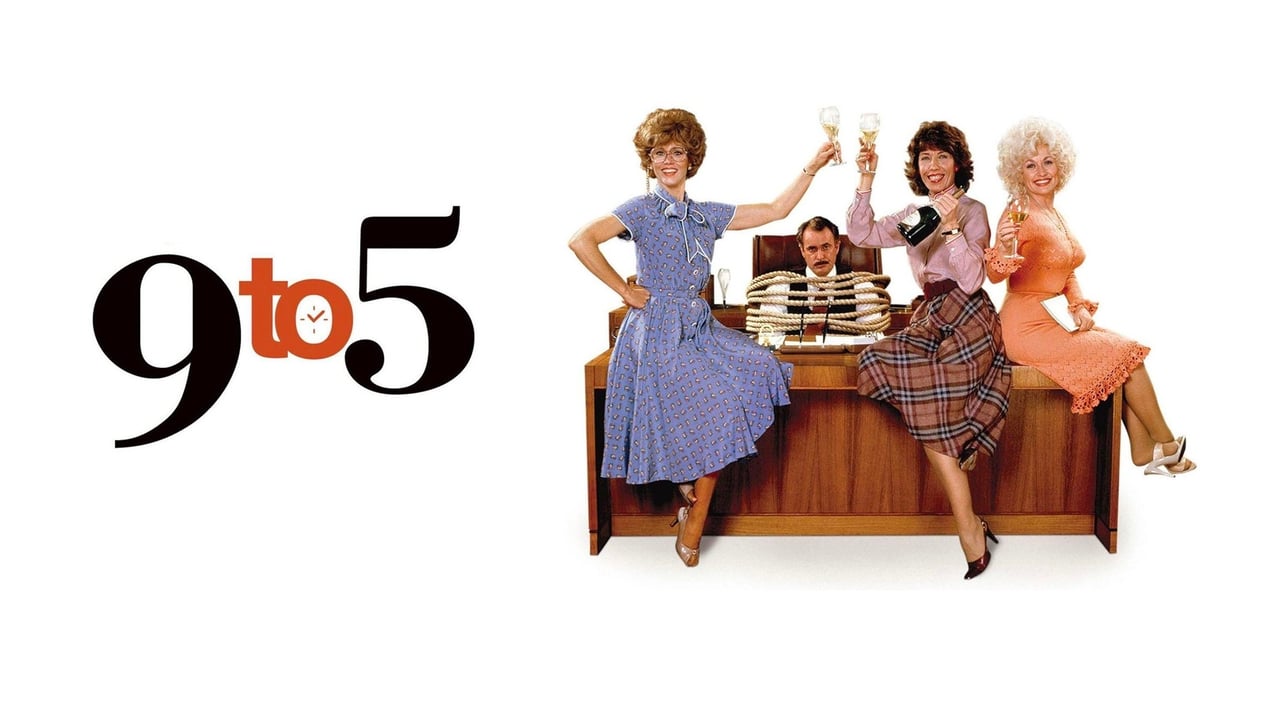
### Ticking Clocks and Boiling Points
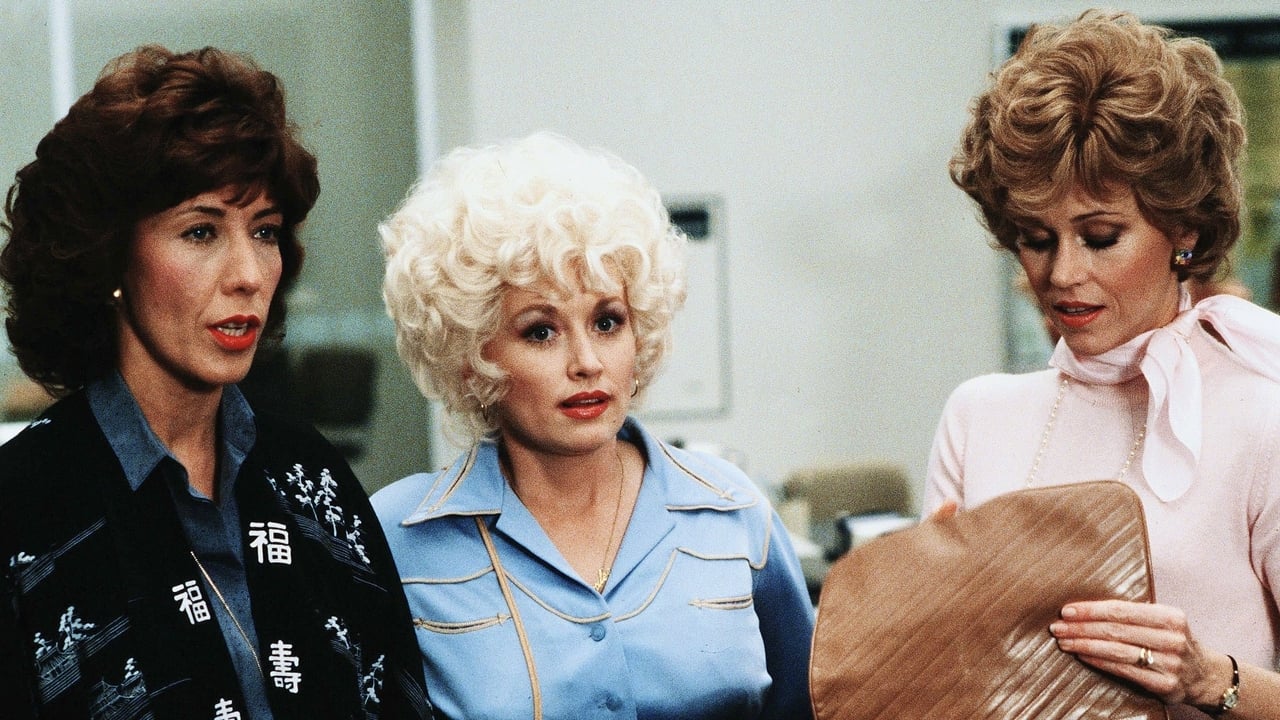
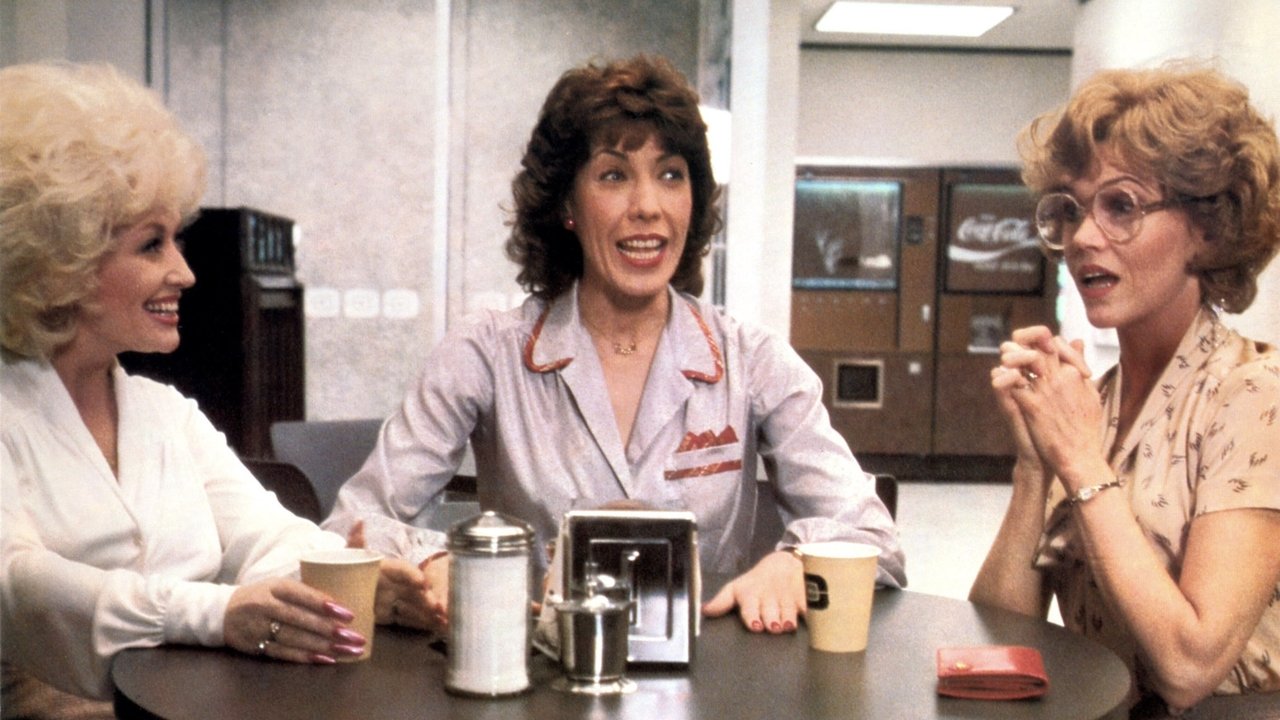
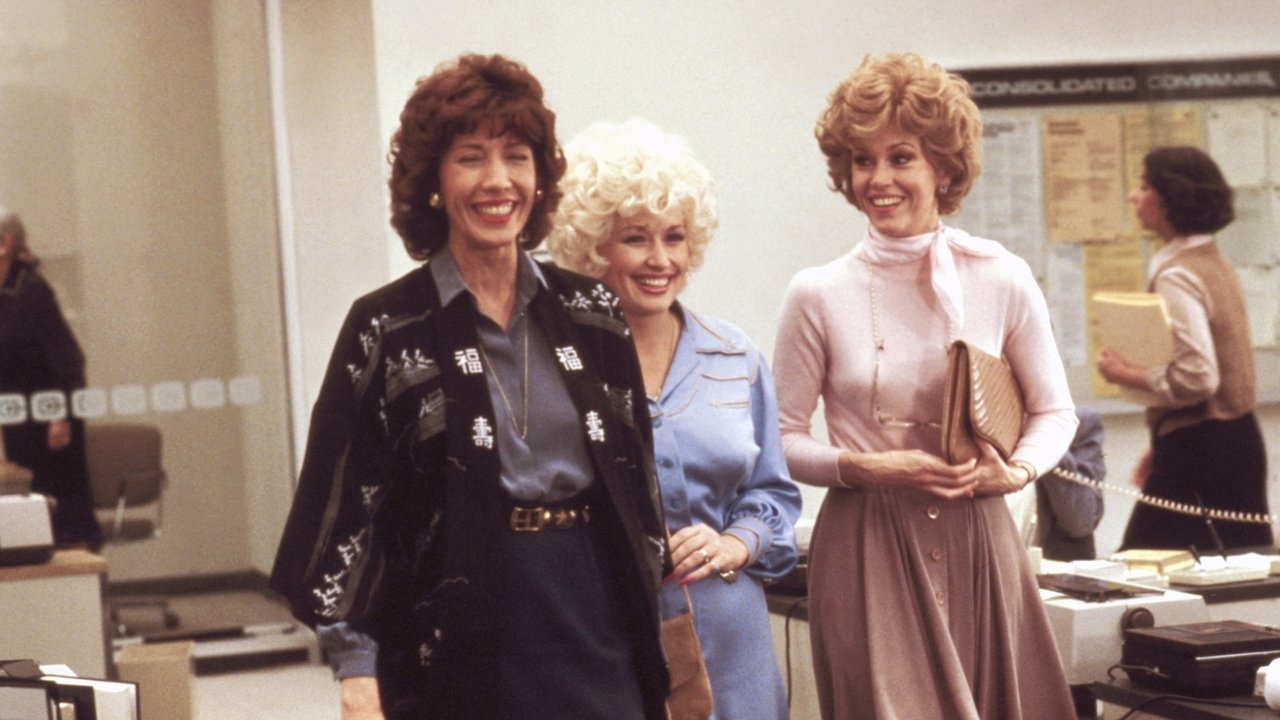
Right from the opening credits, driven by that iconic, finger-snapping theme song (more on that later!), Nine to Five throws you into the daily grind. We meet Judy Bernly (Jane Fonda, bringing a wonderfully vulnerable energy), freshly divorced and navigating the intimidating world of entry-level office work for the first time. Then there’s Violet Newstead (Lily Tomlin, sharp as ever), the capable, overlooked veteran who’s trained countless men only to see them promoted above her. And rounding out the trio is Doralee Rhodes (Dolly Parton, in a sparkling film debut), the warm, whip-smart secretary constantly fending off the boss’s unwanted advances and the judgmental whispers of her colleagues who assume the worst. Their common enemy? The smarmy, utterly chauvinistic Franklin Hart Jr., played to perfection by the legendary Dabney Coleman.
### A Trio Forged in Frustration
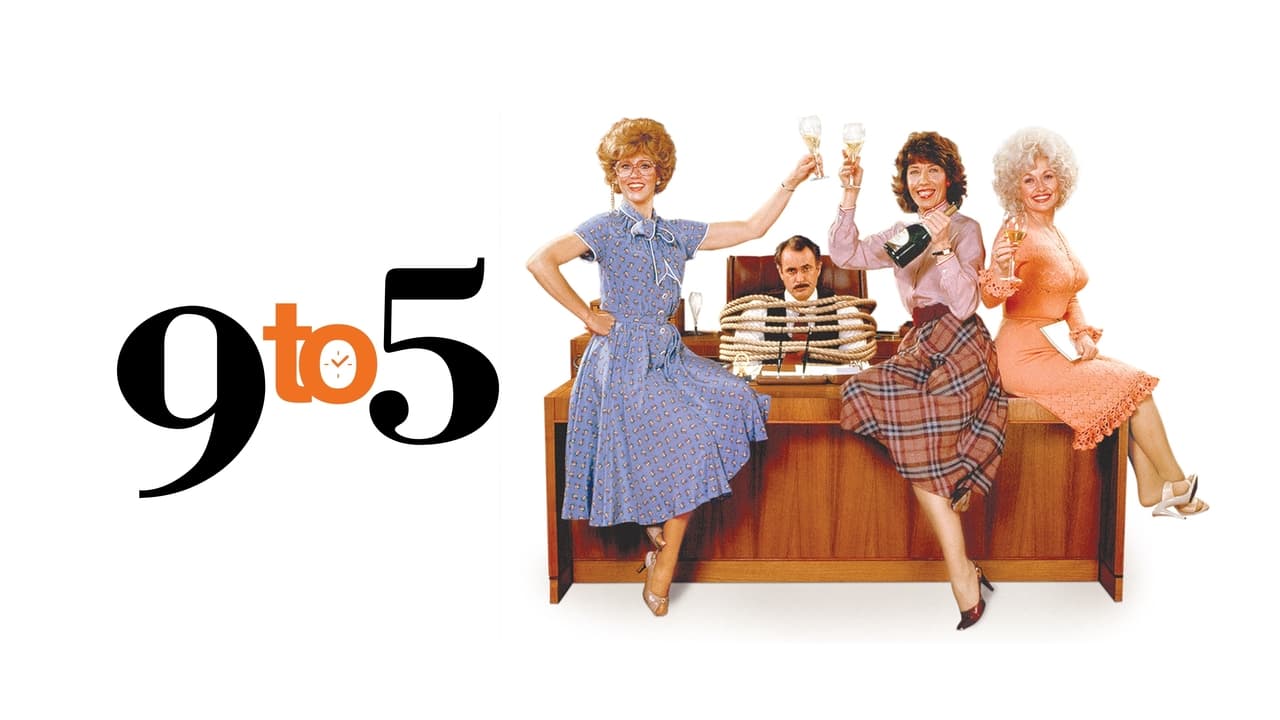
The chemistry between Fonda, Tomlin, and Parton is the absolute bedrock of this film. It feels genuine, earned through shared exasperation and blossoming friendship. You believe their late-night commiseration session, fueled by pot (a surprisingly edgy touch for a mainstream comedy back then!), where fantasies of offing the boss take gloriously cinematic flight. Retro Fun Fact: Apparently, Jane Fonda got the initial idea for the film after hearing about the struggles of female office workers and formed a production company specifically to make movies addressing social issues – Nine to Five was its first major hit. The lead roles were reportedly written with Fonda, Tomlin, and Parton specifically in mind, a gamble that paid off spectacularly.
Director Colin Higgins, who also gave us the quirky delights of Harold and Maude (1971) and the Hitchcockian comedy Foul Play (1978), masterfully balances the film's tone. It swings from sharp social satire about workplace inequality and sexual harassment (topics still depressingly relevant) to moments of pure screwball farce, particularly once the accidental kidnapping plot kicks in. Higgins knew how to blend laughs with a resonant message, never letting the comedy undercut the legitimate grievances of its heroines.
### Revenge Fantasies and Practical Laughs
While not an action film, the "action" here comes in the form of those hilarious, cathartic fantasy sequences. Remember Judy’s big-game hunter fantasy? Violet’s Snow White poisoning scenario? Or Doralee turning the tables with a lasso? These weren't CGI spectacles, obviously, but cleverly staged comedic set pieces that felt inventive and perfectly captured each character's personality. They provided huge laughs and a release valve for the audience's own frustrations. The later scenes, involving Hart tied up in his own house while the women secretly revolutionize the office, rely on classic comedic timing, near misses, and escalating absurdity – the kind of stuff that felt grounded, even when it was completely nuts, because the characters felt so real.
Dabney Coleman deserves immense credit. He makes Hart utterly despicable – sexist, egotistical, lying, hypocritical, the whole nine yards – yet somehow manages to keep him funny rather than purely monstrous. He’s the perfect foil, the cartoon villain whose eventual comeuppance feels so richly deserved. And let's not forget Elizabeth Wilson as the office snitch, Roz Keith, perpetually lurking and adding another layer of workplace paranoia.
### More Than Just a Paycheck
Nine to Five was a massive hit, pulling in over $103 million on a $10 million budget (that’s like hitting nearly $370 million today – phenomenal!). Critics mostly enjoyed it, particularly praising the lead actresses. Retro Fun Fact: Dolly Parton famously agreed to star only if she could write and sing the theme song. The resulting track became a number-one hit on multiple charts and remains an absolute anthem. Listen closely, and you can even hear the rhythmic clicks of Parton's own acrylic nails mimicking a typewriter! The film tapped into the zeitgeist, resonating deeply with women entering the workforce in larger numbers and facing systemic discrimination. Its success even spawned a spin-off sitcom, though it never quite captured the magic of the original.
Watching it now, tucked away in my mental VHS library, the film holds up remarkably well. Sure, the office tech (whirring Xerox machines!) and fashion are pure 1980, but the core themes of demanding respect, fair treatment, and equal opportunity are timeless. The humor remains sharp, the performances are pitch-perfect, and the sense of triumph when the women turn Consolidated Companies into a more humane, efficient workplace (flexible hours! job sharing! daycare!) feels genuinely uplifting. I distinctly remember renting this tape multiple times, that slightly worn cardboard sleeve promising laughs and a satisfying dose of sticking it to the man.
Rating: 9/10
This rating feels earned because Nine to Five perfectly blends hilarious comedy with sharp social commentary, driven by three unforgettable performances and a villain you love to hate. It captured a cultural moment and remains incredibly funny and relevant decades later.
Final Take: Pour yourself a cup of ambition and revisit this gem. It’s a reminder that sometimes, the most satisfying explosions aren’t from dynamite, but from shattering glass ceilings (even if you have to kidnap your boss first). A true classic from the days when comedy could have brains, heart, and a killer theme song.