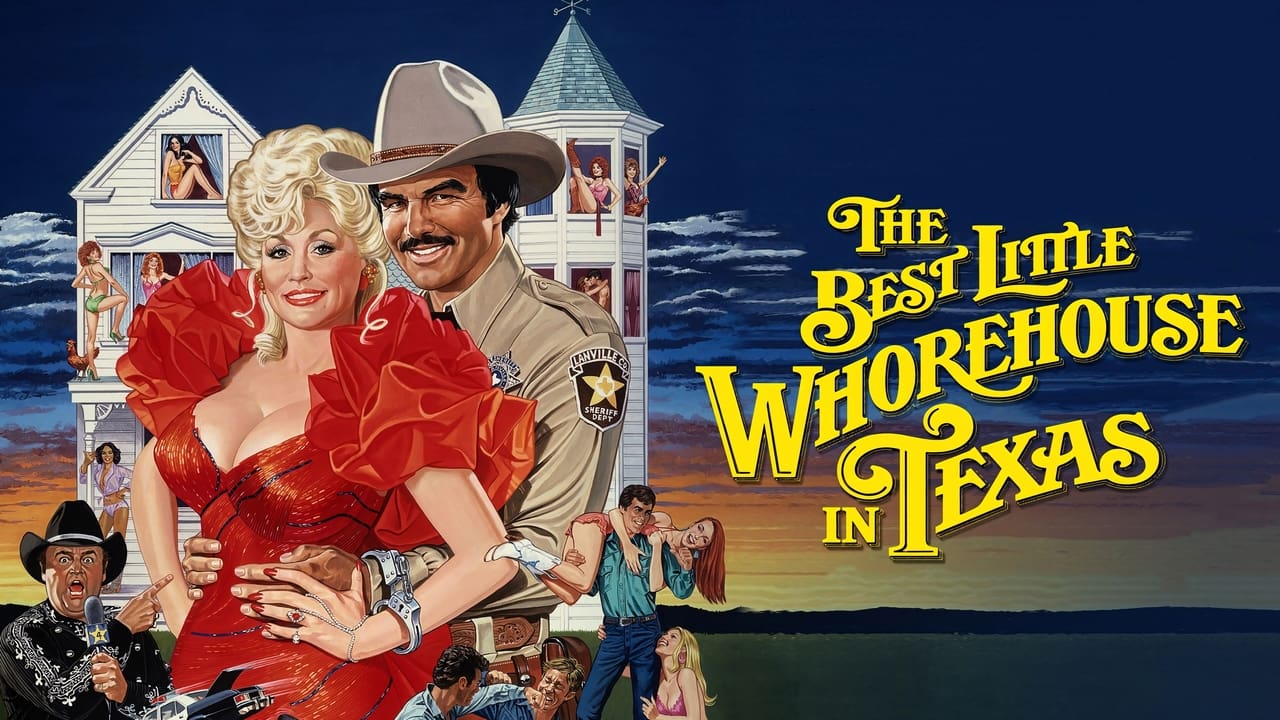
Alright, fellow tapeheads, let's rewind to a time when musicals could still be massive, slightly scandalous mainstream hits, and two of the biggest stars on the planet teamed up for a boot-scootin' good time. Pop that worn copy of The Best Little Whorehouse in Texas (1982) into the VCR, adjust the tracking just so, and prepare for a dose of pure, unadulterated early-80s charm that practically radiates off the fuzzy CRT screen. Forget subtlety; this movie arrived bigger 'n' Dallas, with a title that alone caused pearl-clutching across the heartland.
Welcome to the Chicken Ranch
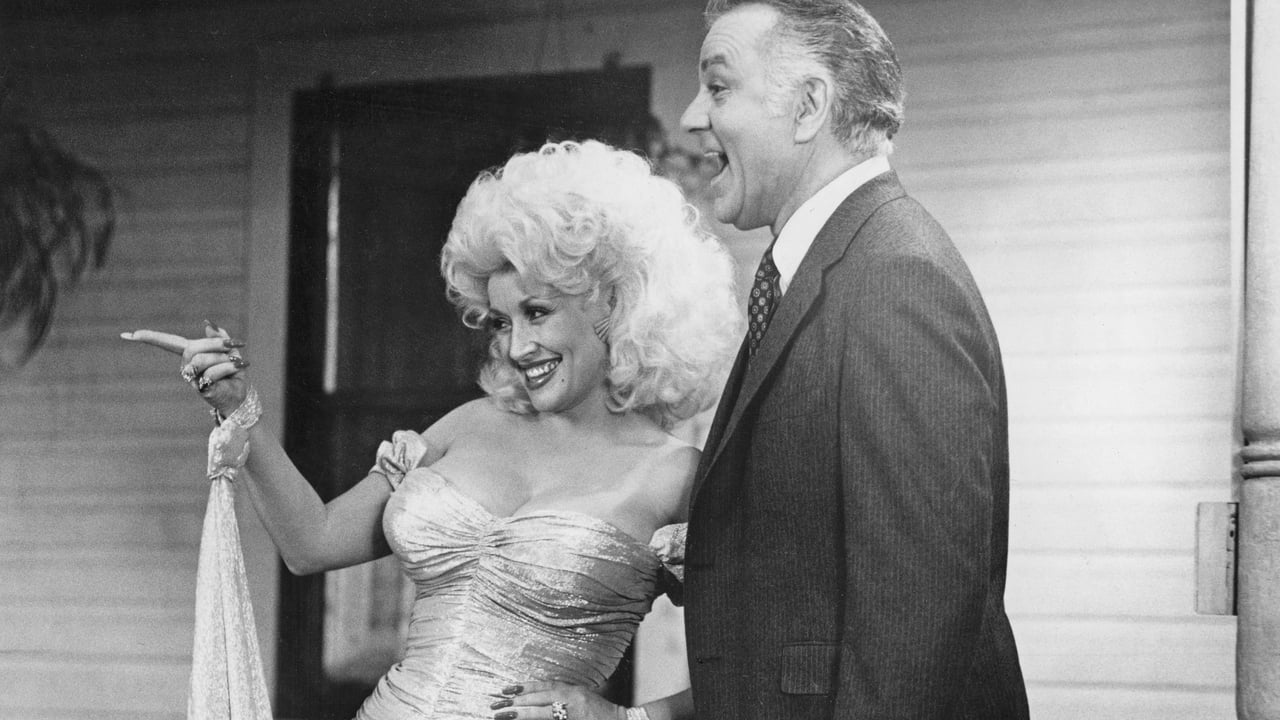
Based on the surprisingly successful Broadway musical (itself inspired by a real-life establishment immortalized in a Playboy article by co-writer Larry L. King), the film throws us into the dusty Texas town of Gilbert, where the legendary Chicken Ranch brothel operates under the watchful, benevolent eye of Miss Mona Stangley (Dolly Parton, radiating charisma like a supernova). It's an institution, see? A place where the local boys can let off steam, the politicians can cut deals, and everything runs smoothly thanks to an understanding with the gruff-but-lovable Sheriff Ed Earl Dodd (Burt Reynolds, at the absolute peak of his moustachioed megastardom).
The flimsy plot, such as it is, kicks in when a moralizing, spotlight-hogging TV reporter, Melvin P. Thorpe (Dom DeLuise, chewing scenery with glorious abandon), decides the Chicken Ranch is his ticket to national fame. Thorpe, with his ridiculous white wig and posse of singers, launches a crusade to shut the place down, putting Sheriff Dodd in a tight spot between his constituents, his affection for Miss Mona, and the sudden glare of unwanted attention.
Star Power Overdrive
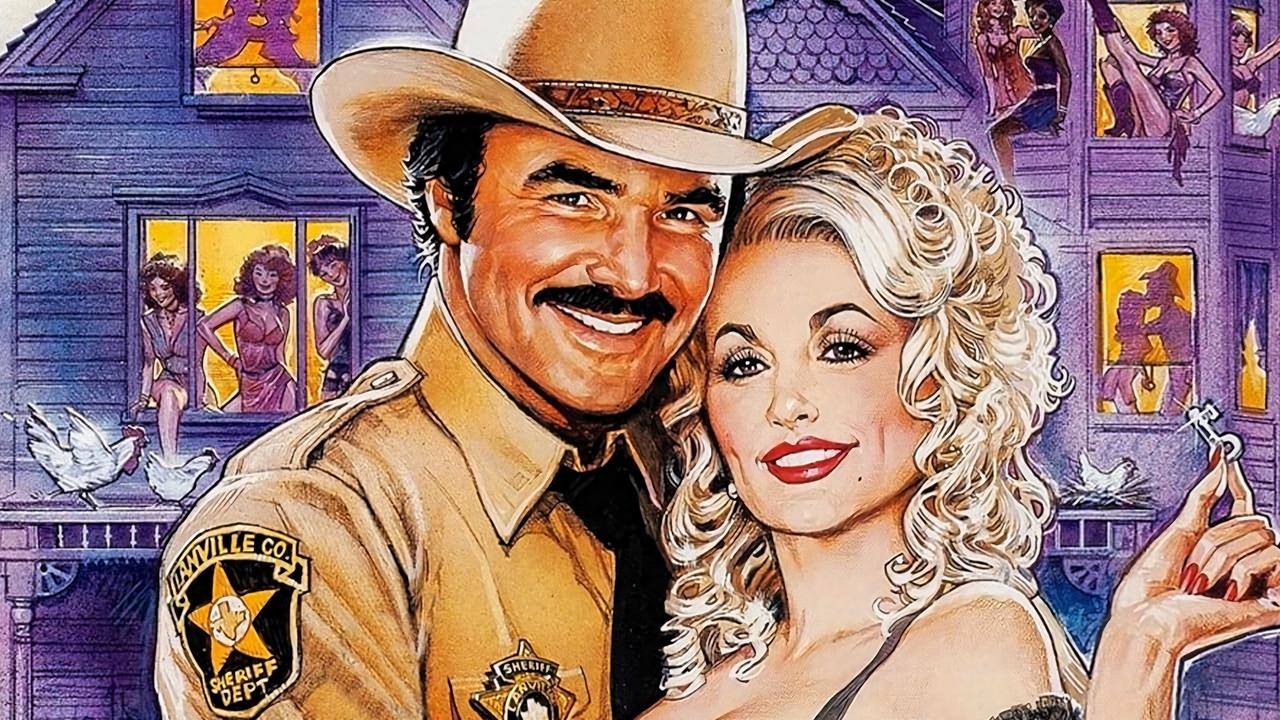
Let's be honest, the main draw here was always the pairing of Burt Reynolds and Dolly Parton. Their chemistry crackles, a delightful mix of flirtatious banter and genuine warmth. Dolly, in only her second major film role after the smash hit 9 to 5 (1980) – also helmed by Whorehouse director Colin Higgins – proves she wasn't just a music sensation. She embodies Miss Mona with a blend of business savvy, maternal care for her "girls," and that unmistakable Dolly sparkle. Higgins reportedly clashed with Reynolds at times, who felt the director favored Parton, but on screen, their dynamic feels effortless. Did you know Reynolds actually turned down the role of Han Solo years earlier? Imagine that alternate timeline!
Reynolds, meanwhile, coasts comfortably on his established persona – the charming rogue with a twinkle in his eye and a surprisingly decent singing voice. Sheriff Ed Earl Dodd isn't his most complex role, but he's exactly the anchor the film needs. And then there's Dom DeLuise. His Melvin P. Thorpe is a cartoon character brought gloriously to life, a preening buffoon you love to hate. His big number, "The Sidestep," is pure, unadulterated silliness, and apparently, much of his over-the-top performance was encouraged improvisation. He steals every scene he’s in, providing the film with its most overtly comedic moments.
Down Home Tunes and Big Production Flair
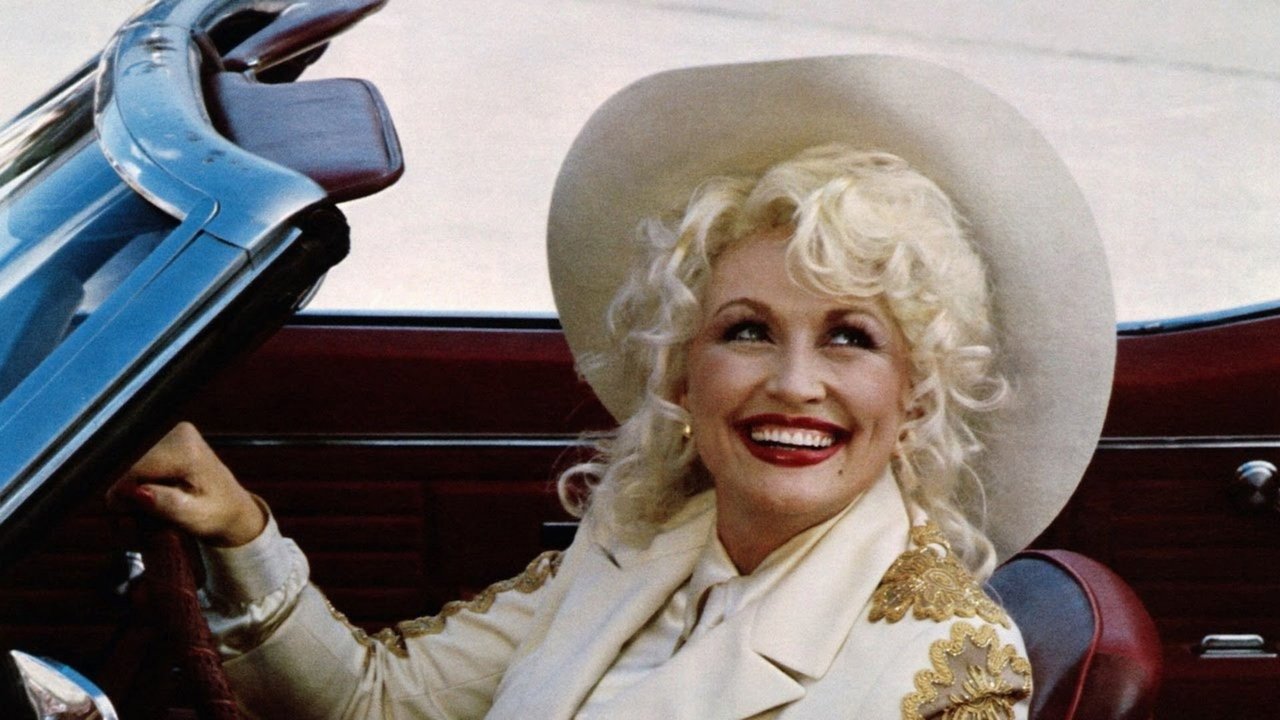
While not every song lands perfectly, the musical numbers have a certain robust energy that feels very much of its time. The transition from stage to screen meant some changes; notably, Dolly contributed two original songs, including a heartfelt re-recording of her classic "I Will Always Love You." Hearing it here, years before Whitney Houston made it a global phenomenon, feels like uncovering a little piece of music history. Though maybe not packed with "practical effects" in the action movie sense, the big dance sequences, particularly the testosterone-fueled "Aggie Song," showcase some impressive large-scale choreography. There's a tangible quality to seeing dozens of actual dancers filling the screen, something often lost in today's slicker, CG-assisted numbers. Remember how massive and chaotic those football player scenes felt?
The film wasn't cheap, costing a reported $20.5 million back in '82 (that's nearly $65 million today!), and you can see it in the sets and scope. They actually built a full-scale replica of the Chicken Ranch facade on the Universal Studios backlot after failing to secure permission to film at the original location in La Grange, Texas. Despite the hefty price tag and the controversy surrounding its title – some newspapers refused advertising space, forcing Universal to cleverly market it as The Best Little… in Texas in certain areas – the film was a massive hit, becoming the highest-grossing live-action movie musical of the 1980s until Flashdance arrived the following year. It even managed to snag Dolly an Oscar nomination for Best Supporting Actress.
Does it Hold Up Beyond the Haze of Nostalgia?
Look, The Best Little Whorehouse in Texas isn't high art. The plot is thinner than a cheap motel towel, and some of the humour definitely feels dated. The film walks a strange line, trying to be both a wholesome, old-fashioned musical and a story centred around, well, a whorehouse. It sanitizes the reality considerably, presenting a romanticized view that might raise eyebrows today. But… darn it, it’s just so likable.
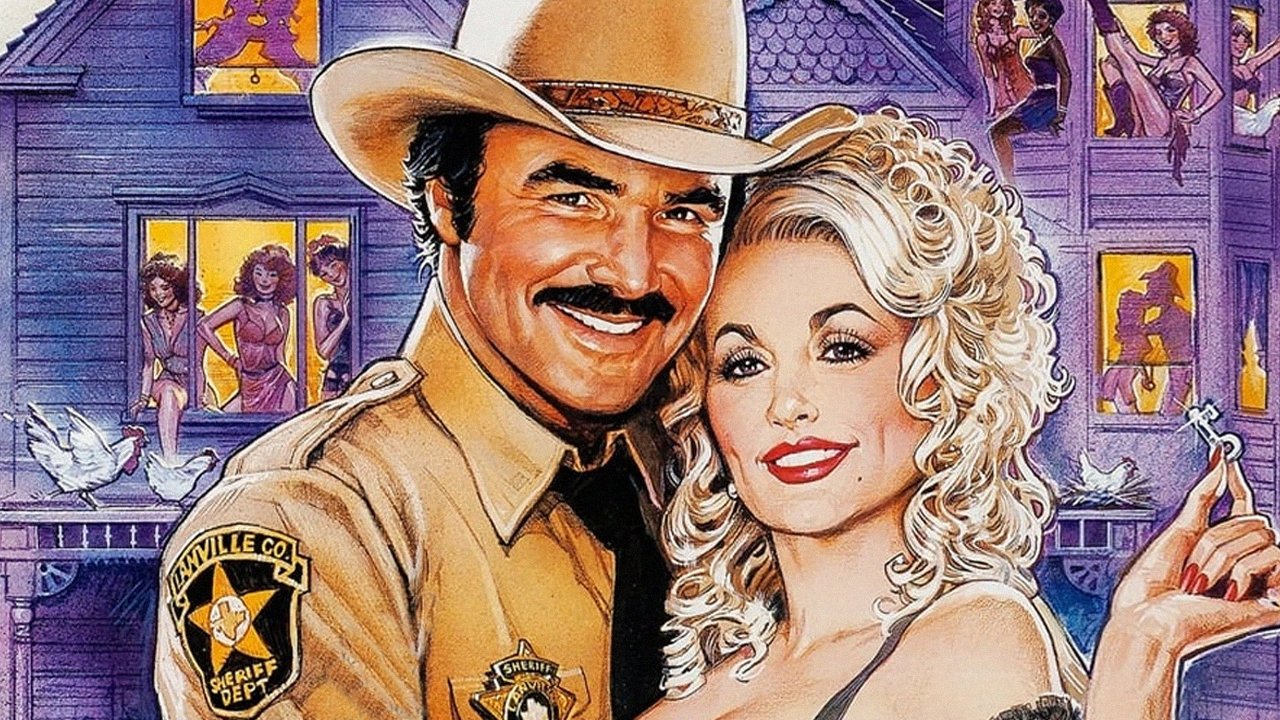
It’s a comfort food movie, pure and simple. It's carried aloft by the sheer wattage of its stars, the catchy (if sometimes goofy) tunes, and a kind of sunny, slightly naive optimism that feels uniquely early 80s. Watching it now is like stepping back into a simpler time at the video store, grabbing that tape with the instantly recognizable cover, and settling in for some uncomplicated fun.
VHS Heaven Rating: 7/10
Why 7? It earns points for the undeniable star power of Parton and Reynolds, DeLuise's hilarious performance, some genuinely catchy songs (especially Dolly's contributions), and its status as a major cultural artifact of the early 80s musical scene. It loses a few points for the thin plot, some dated sensibilities, and the slightly uneven tone. However, the sheer nostalgic charm and entertainment value push it comfortably into positive territory.
Final Rewind: The Best Little Whorehouse in Texas is a charmingly dated, star-powered romp that wears its heart (and its considerable assets) on its sleeve. It’s a perfect slice of early 80s Hollywood – big, bold, a little bit silly, and utterly confident in its own appeal, warts and all. Fire it up when you need a dose of pure, unadulterated comfort viewing.