Prepare to have your reality warped, folks. Forget what you think you know about movie sequels, especially anime ones tied to long-running, zany comedies. Because back in 1984, a film emerged from the beloved chaos of Urusei Yatsura that wasn't just another adventure for Lum and Ataru – it was a head-spinning dive into dreams, reality, and the very nature of desire, all orchestrated by a director who would soon redefine sci-fi anime: the one and only Mamoru Oshii. Urusei Yatsura 2: Beautiful Dreamer isn't just a movie; it's an experience, a beautiful, perplexing puzzle box that likely blew the minds of many unsuspecting fans who rented it expecting pure slapstick.
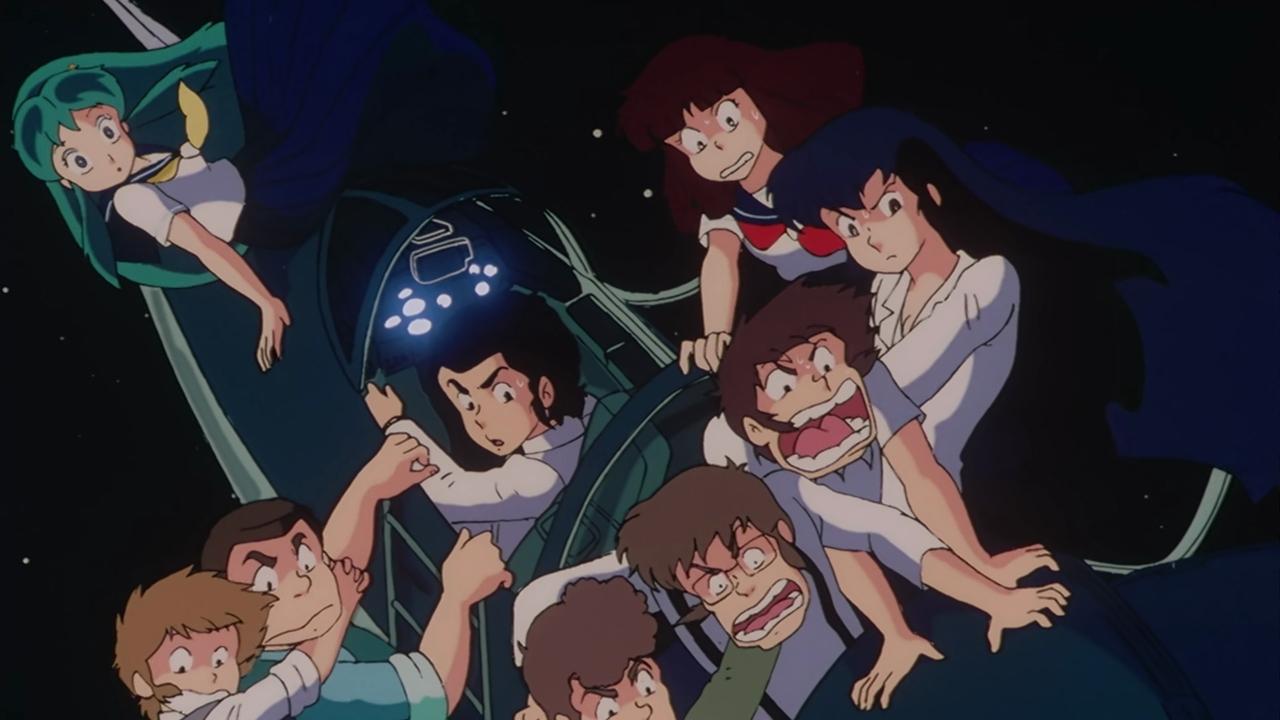
Not Your Average School Festival
For those unfamiliar, Urusei Yatsura, based on the wildly popular manga by the legendary Rumiko Takahashi (creator of Ranma ½ and Inuyasha), is typically a high-energy romantic comedy filled with aliens, ghosts, hapless humans, and Lum, the electrifying alien princess hopelessly devoted to the lecherous, unlucky Ataru Moroboshi. The gang usually finds themselves in bizarre situations, but always grounded in a sort of manic, episodic reality. Beautiful Dreamer takes that setup and twists it into something far stranger.
The premise seems simple enough: the students of Tomobiki High are frantically preparing for their annual school festival. But something's wrong. The day before the festival keeps repeating. And repeating. And repeating. Initially, it's just a subtle wrongness, a feeling of déjà vu, but soon the town becomes increasingly isolated and surreal. Physics bend, familiar locations transform, and the world seems to be reshaping itself according to someone's desires. It falls to Lum (Fumi Hirano), Ataru (Toshio Furukawa), Shinobu (Saeko Shimazu), and the rest of the eccentric cast to figure out what's happening and if they even want to escape this seemingly perfect, endlessly repeating eve.
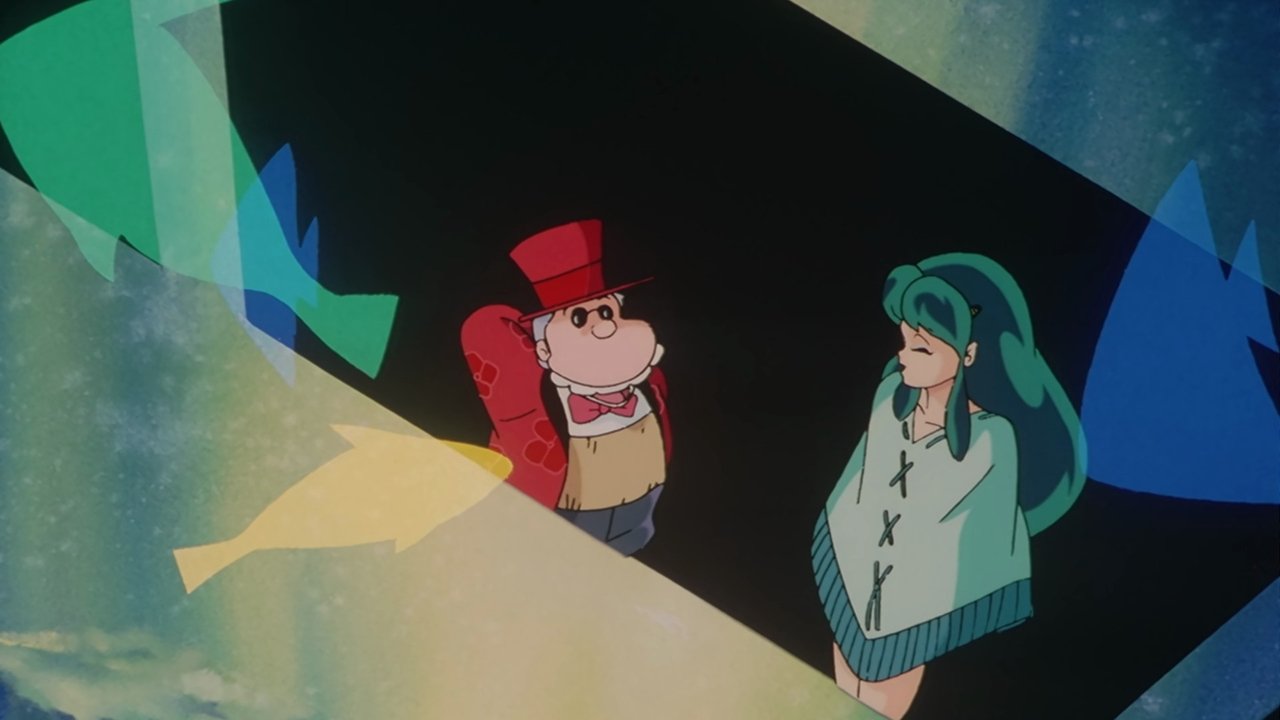
Oshii's Dream Weaving
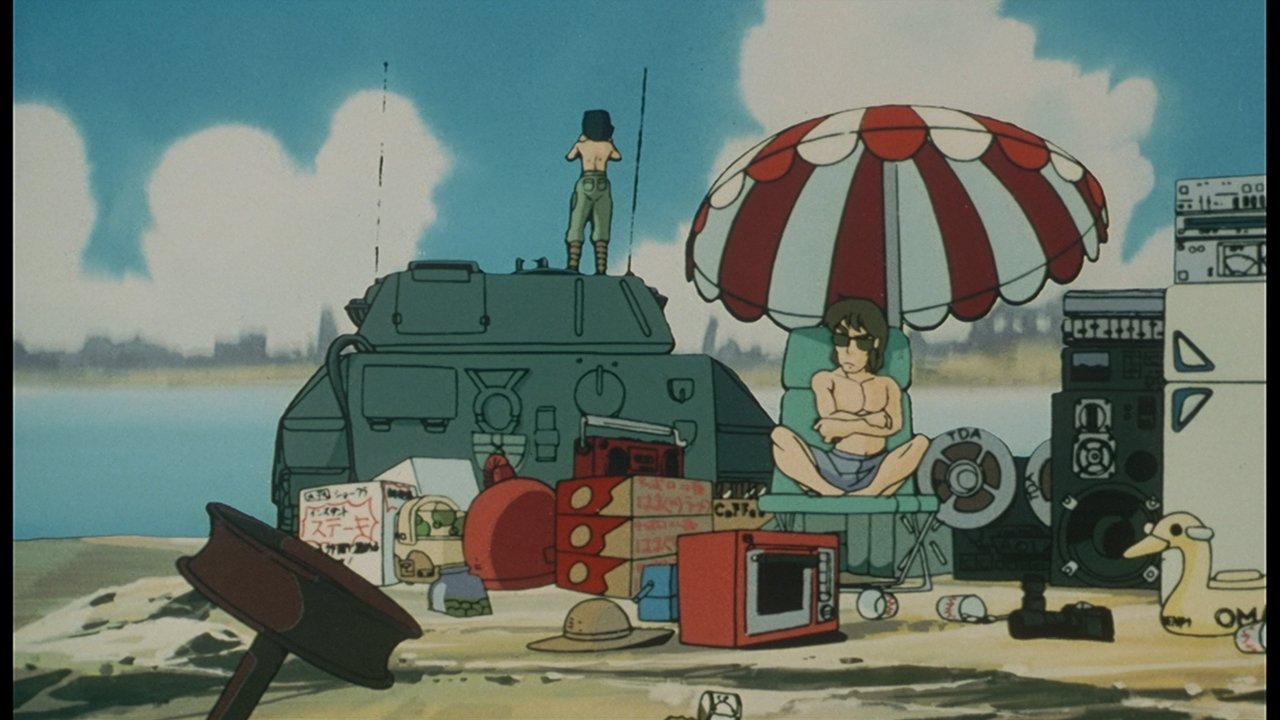
This film is Mamoru Oshii flexing his directorial muscles, taking the established characters and universe and using them as a canvas for his own burgeoning philosophical explorations. Fresh off directing the first Urusei Yatsura movie, Only You (1983), which was more aligned with the series' tone, Oshii went in a completely different direction here. He penned the script himself, crafting a narrative more interested in atmosphere, existential questions, and stunning visual metaphors than straightforward gags. Water, reflections, tanks appearing incongruously, and Mujaki, the dream-eating baku, become recurring motifs in a landscape that feels increasingly Lynchian. You can see the seeds of his later masterpieces, like Patlabor 2: The Movie (1993) and the iconic Ghost in the Shell (1995), being planted right here – the questioning of reality, the blurring lines between human and artificial, the melancholic beauty of urban decay (even if it's a dream version).
The animation, while distinctly '80s anime in style, is used to incredible effect. Oshii employs slower pacing, lingering shots, and visually inventive sequences to build an unsettling, dreamlike mood. The contrast between the usually hyperactive characters suddenly caught in this languid, repeating loop is part of the film's genius. The voice actors, veterans of the TV series, do a remarkable job navigating this tonal shift, grounding their familiar characters even as the world around them dissolves into unreality.
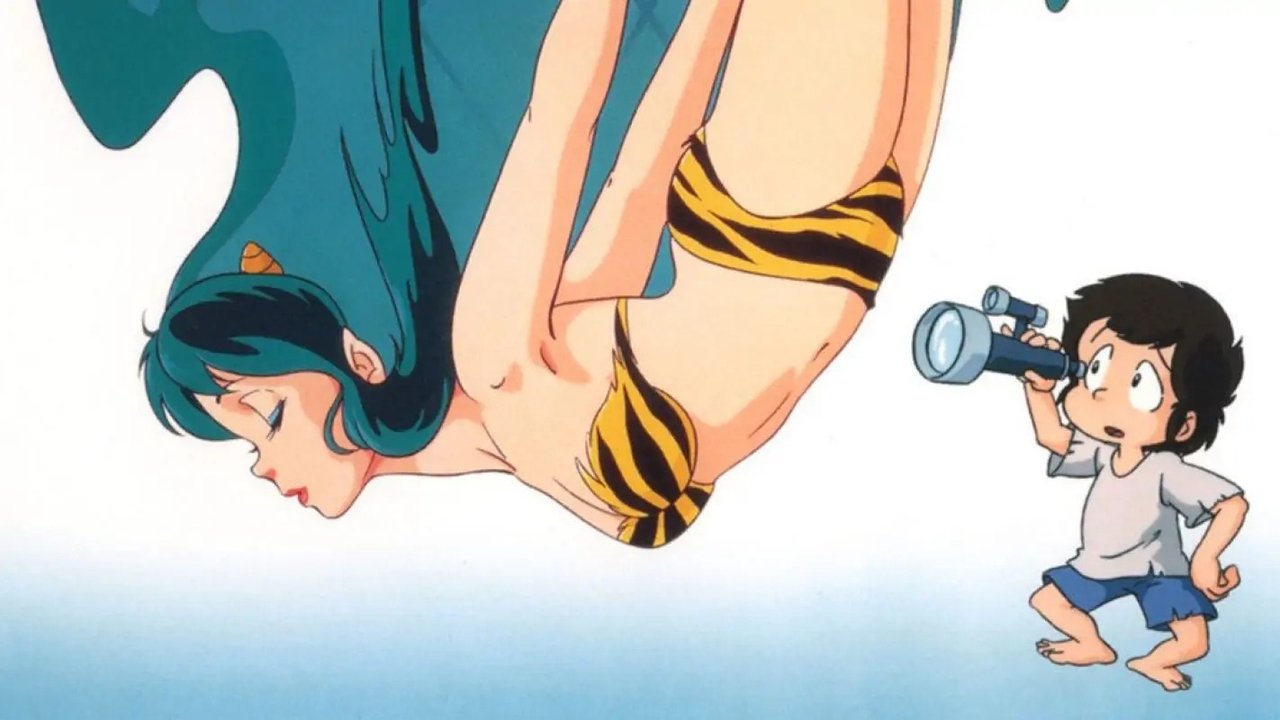
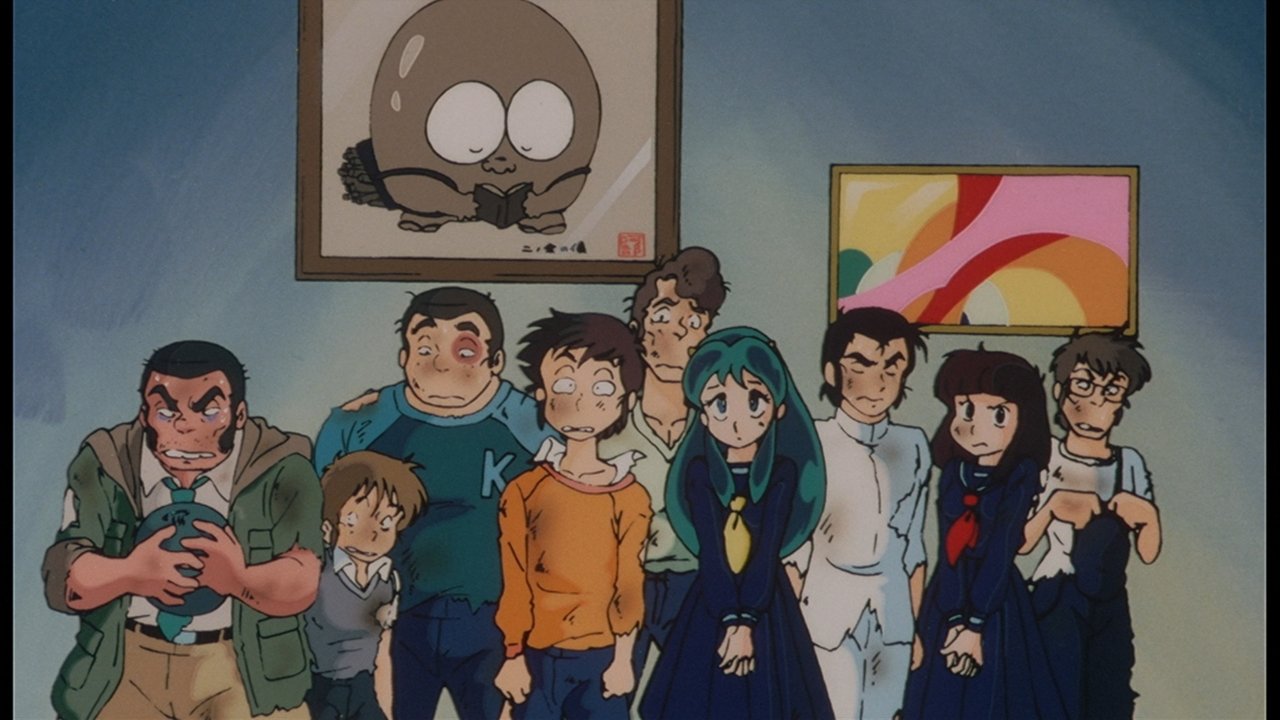
A Controversial Masterpiece? ("Retro Fun Facts")
Beautiful Dreamer's departure from the source material wasn't universally applauded at first, especially by the creator herself. Rumiko Takahashi reportedly disliked Oshii's interpretation, feeling it strayed too far from her characters and comedic intent. This creative tension is fascinating; Oshii took her world and characters, beloved for their chaotic energy, and used them to explore themes she perhaps never intended. Yet, it's this very boldness that makes the film endure. It wasn't just another episode writ large; it was an auteur statement.
Made on a modest budget typical for anime films of the era (precise figures are hard to pin down, but anime features weren't the blockbusters they sometimes are today), its true success wasn't immediate box office domination but its slow-burn cult status. For many Western fans discovering anime through traded VHS tapes and late-night broadcasts in the 80s and 90s, Beautiful Dreamer was a revelation. It showed that animation, even one based on a zany comedy, could be complex, meditative, and deeply weird. It wasn't uncommon to find this tape circulating among fans, often with hand-written labels, passed along with hushed reverence – a far cry from grabbing the latest Hollywood hit off the Blockbuster shelf. It demonstrated the sheer artistic potential lurking within the medium, influencing countless creators afterwards. Imagine popping this in expecting hijinks and getting... well, this. It must have been quite the trip!
Lingering Dreams
Does Beautiful Dreamer hold up? Absolutely. Its exploration of subjective reality, wish fulfillment, and the comfort (and danger) of stagnation feels remarkably prescient. The central mystery unfolds patiently, drawing you into its strange logic. While firmly rooted in the Urusei Yatsura universe – and arguably richer if you know the characters – it functions surprisingly well as a standalone piece of surreal filmmaking. It captures that feeling of a dream you can't quite wake up from, both enchanting and unnerving. It’s a film that invites interpretation and lingers in your thoughts long after the credits roll, much like the bizarre dream logic it portrays.
It asks fascinating questions: If you could live forever in your perfect moment, would you? What happens when one person's dream becomes everyone else's prison? These aren't typical questions for a high school comedy adaptation, and that's precisely its strength.
Rating: 9/10
Urusei Yatsura 2: Beautiful Dreamer is a bold, beautiful, and bizarre anomaly. It defied expectations, arguably alienated its own creator, and yet emerged as a landmark achievement in animation. Mamoru Oshii took a beloved comedy and transformed it into a philosophical dreamscape, proving that anime could be far more than giant robots and magical girls. Its score reflects its artistic ambition, its masterful execution of mood and theme, and its enduring legacy as a cult classic that rewards repeat viewings. It might not have been the movie Urusei Yatsura fans initially expected, but it became something far more profound.