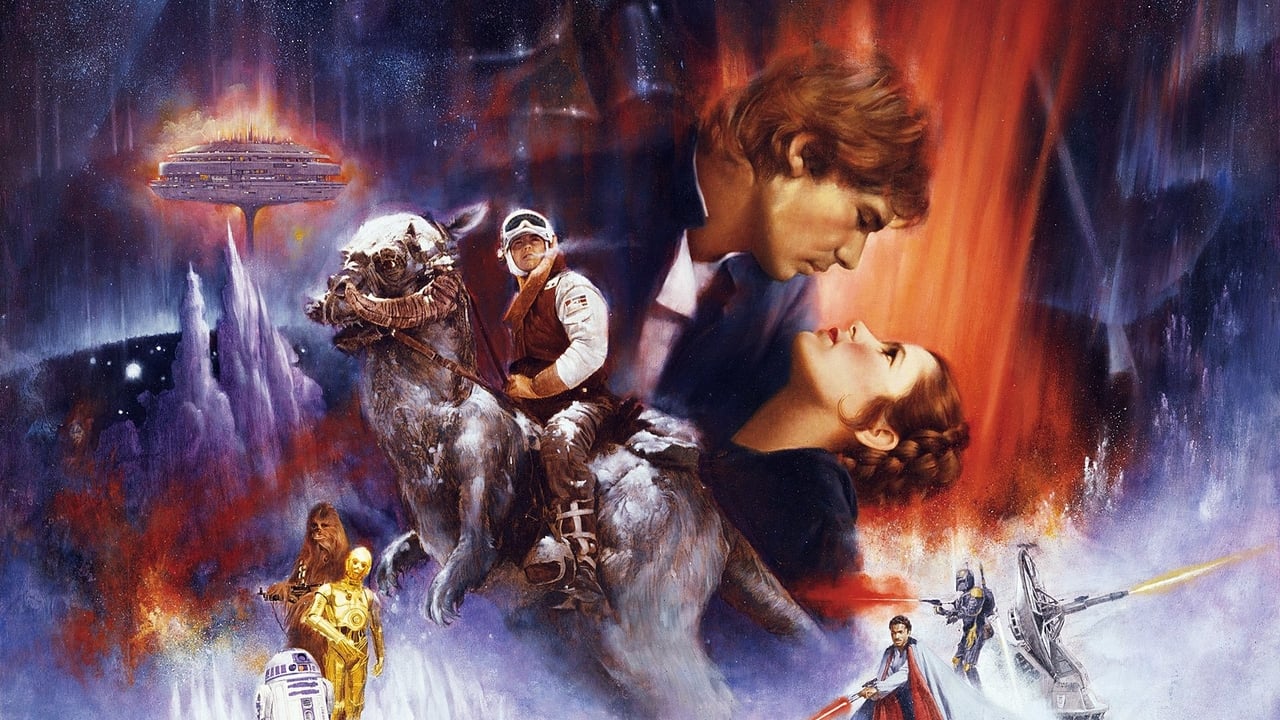
It landed like a seismic charge in the cultural landscape, didn't it? Not just another space adventure, but something... deeper, darker, and undeniably more complex. Forget the triumphant fanfare that closed A New Hope; 1980's The Empire Strikes Back plunged us headfirst into the icy grip of uncertainty, leaving jaws on shag carpets across the globe. Rewinding that worn-out VHS copy, the slightly degraded picture and familiar whirring sound only seem to enhance the feeling: this wasn't just a sequel, it was an event.
Into the Darkness We Go
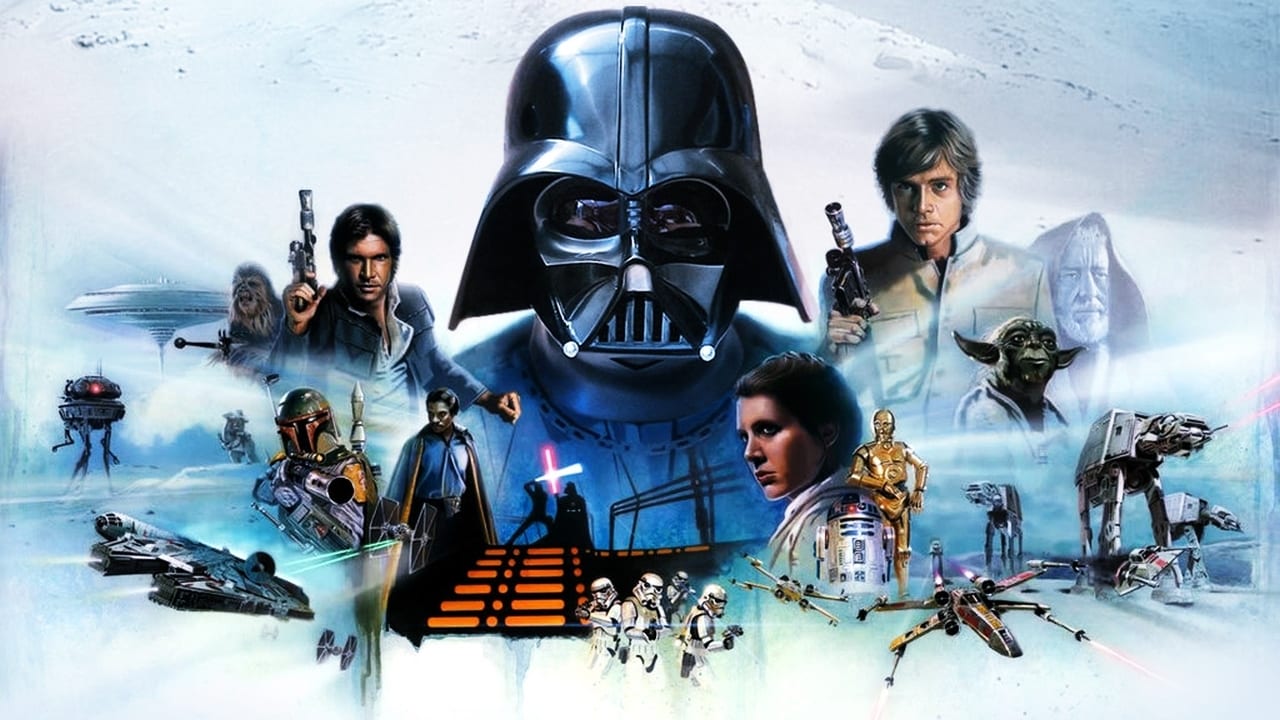
Right from the stunning opening frames on the ice planet Hoth, the tone shift is palpable. The Rebel Alliance, flushed with their Death Star victory, are now scattered, vulnerable, and relentlessly hunted. The Empire, far from crippled, feels more monolithic and menacing than ever, embodied by the chilling efficiency of Darth Vader and the introduction of John Williams's iconic, dread-inducing "Imperial March." This shift is largely credited to director Irvin Kershner, a deliberate choice by George Lucas (who focused on producing and financing this time around, famously putting up his own money after studio interference on the first film). Kershner, Lucas's former professor, brought a focus on performance and character nuance that elevated the material beyond pure space opera. You can feel his touch in the lingering shots, the weight given to dialogue, the palpable sense of dread that permeates the film.
The screenplay, initially drafted by the legendary sci-fi author Leigh Brackett before her untimely passing, was completed by Lawrence Kasdan (who would quickly follow this with Raiders of the Lost Ark – talk about a hot streak!). Together, they crafted a story that dared to deepen its characters amidst the chaos. Mark Hamill’s Luke Skywalker is no longer just a farm boy; he’s a fledgling Jedi grappling with fear, impatience, and the immense burden of his destiny. His journey takes him to the swamp planet Dagobah, and into the tutelage of one of cinema's most unforgettable creations.
Puppets, Planets, and Practical Magic
Ah, Yoda. It's hard to overstate the genius behind bringing this diminutive Jedi Master to life. In an era before CGI could conjure anything imaginable, Yoda was a triumph of practical effects, a masterful puppet brought to life by the legendary Frank Oz and his team. There was reportedly some initial skepticism about whether audiences would accept such a central character being, well, a puppet. But Oz's performance imbued Yoda with such wisdom, humor, and soul that any disbelief vanished the moment he started speaking. His scenes with Luke are the philosophical heart of the film, teaching lessons about the Force, failure, and patience that resonate far beyond the screen. I remember being utterly captivated, convinced this little green creature was absolutely real.
The film is a showcase for the practical effects wizards at Industrial Light & Magic (ILM). The Battle of Hoth remains a benchmark for stop-motion animation with its lumbering AT-AT walkers, achieved through painstaking frame-by-frame manipulation against the stunning, real-life blizzard conditions captured during a challenging shoot in Finse, Norway. Then there’s the breathtaking asteroid field chase – a masterclass in model work, dynamic camera angles, and clever optical compositing that still thrills today. Apparently, a potato even stood in for an asteroid during some early effects tests – a classic bit of low-tech ingenuity! These effects didn't just look cool; they felt tangible, weighty, making the danger feel incredibly real on our flickering CRT screens.
Sparks Fly, Secrets Unravel
Amidst the galactic conflict, the chemistry between Harrison Ford's incorrigibly charming Han Solo and Carrie Fisher's fierce Princess Leia crackles with witty banter and undeniable romantic tension. Their argumentative courtship provides moments of levity and genuine heart ("I love you." / "I know.") before the crushing weight of the Empire separates them in the film's gut-wrenching third act. We also meet Lando Calrissian, played with smooth charisma by Billy Dee Williams, the administrator of the visually stunning Cloud City on Bespin – a character whose allegiances are complex and whose introduction adds another layer to Han's roguish past.
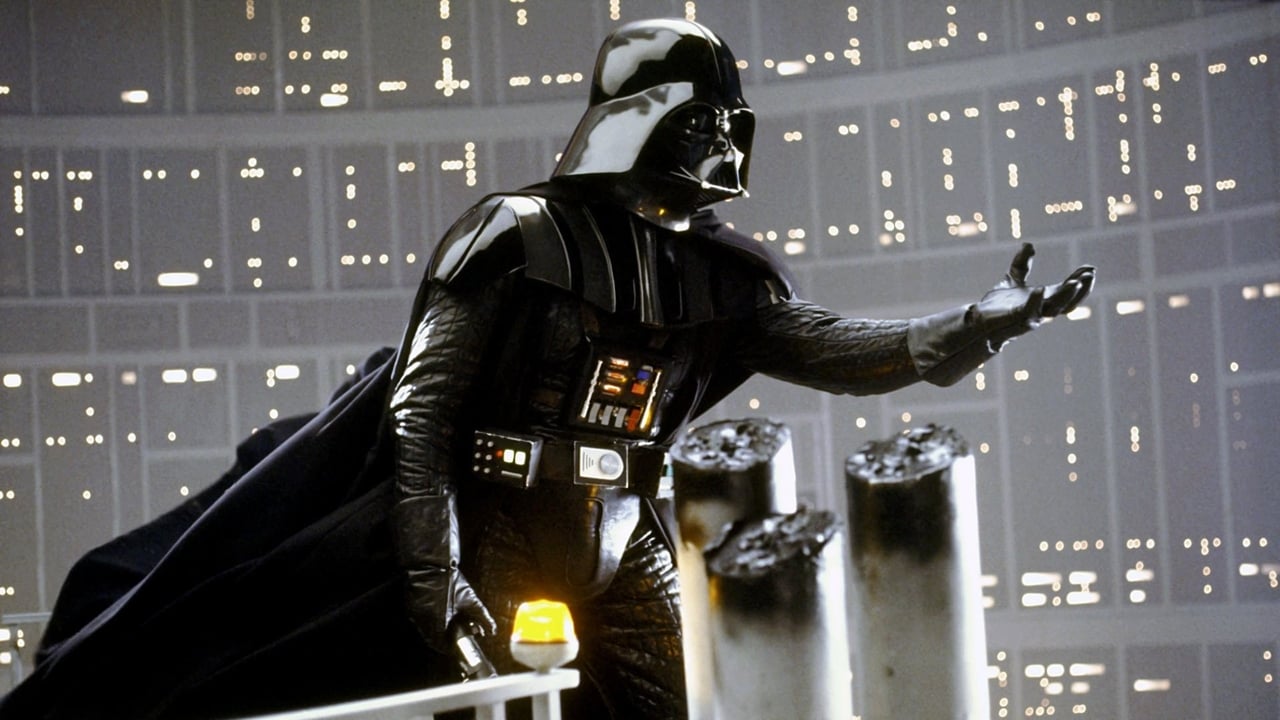
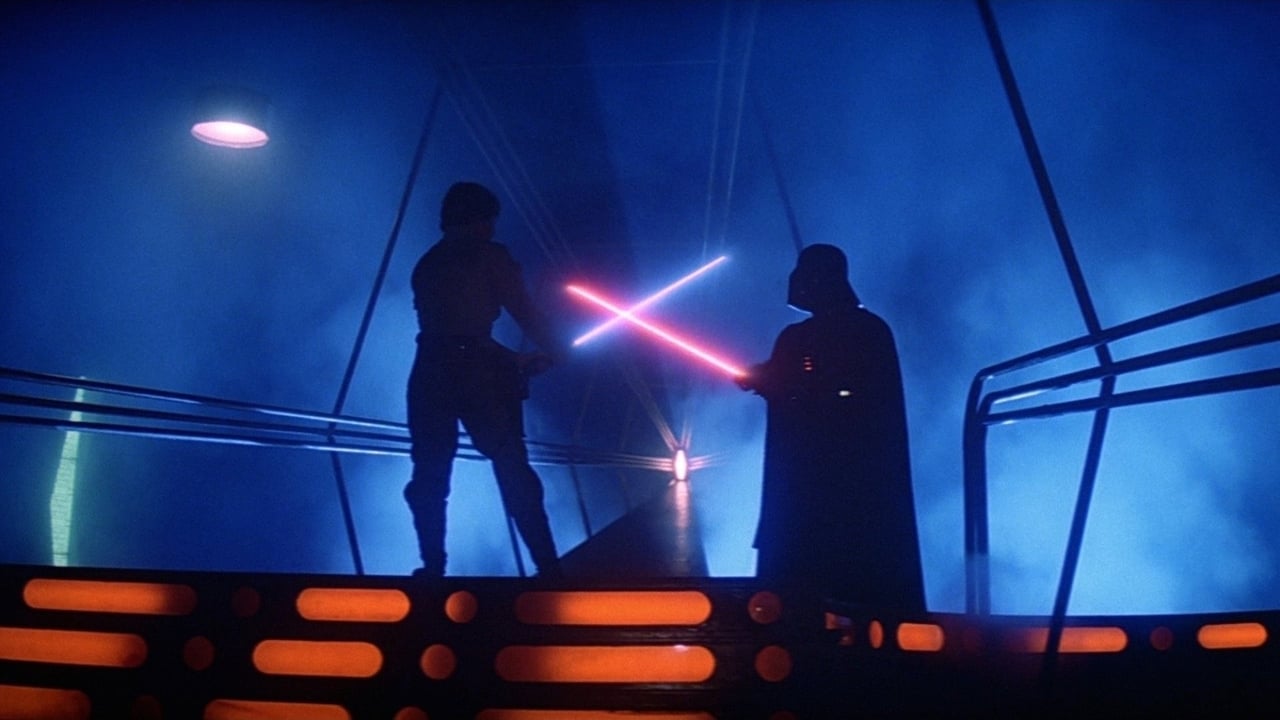
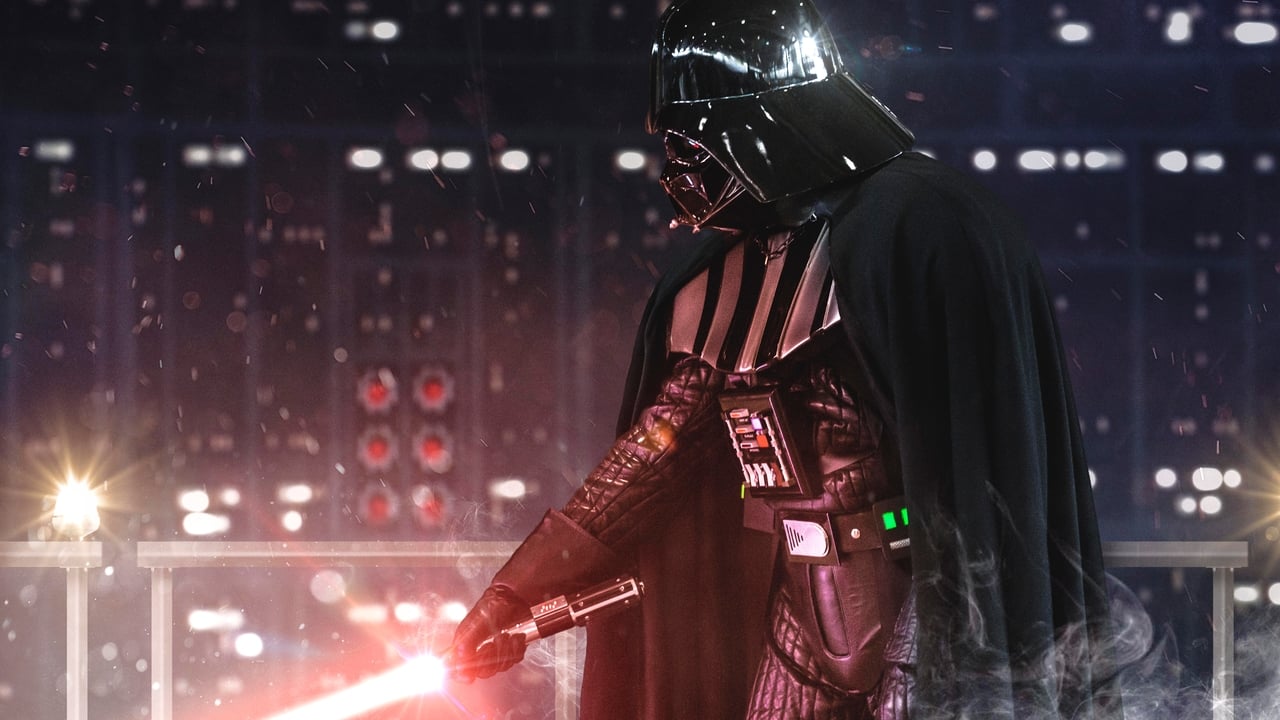
And then, there's that moment. The confrontation between Luke and Vader in the depths of Cloud City culminates in arguably the most famous plot twist in movie history. The secrecy surrounding Vader's revelation ("No, I am your father.") was legendary. On set, actor David Prowse (in the Vader suit) delivered a fake line ("Obi-Wan killed your father.") to maintain surprise. Only a handful of people, including Lucas, Kershner, Kasdan, Hamill, and James Earl Jones (Vader's voice), knew the truth before the premiere. Imagine the collective gasp in theaters worldwide! Even watching it later on VHS, knowing what was coming, the raw power and devastating emotional impact of that scene never diminished. It recontextualized everything we thought we knew.
The Enduring Empire
The Empire Strikes Back wasn't just a box office juggernaut (grossing over $500 million worldwide on an initial budget of around $18-33 million – a massive return even then), it redefined what a sequel could be. It was darker, more character-driven, and ended on a cliffhanger that left audiences reeling and desperate for the next chapter. It proved that blockbuster filmmaking could be complex, challenging, and emotionally resonant. Its influence on sci-fi and fantasy cinema is immeasurable, setting a standard for "dark middle chapters" that countless franchises have tried to emulate since. Watching it today, it hasn't aged a day in terms of storytelling power. The practical effects possess a charm and physicality that CGI often lacks, and the core emotional journeys of Luke, Han, and Leia remain utterly compelling.
VHS Heaven Rating: 10/10
This isn't just nostalgia talking; The Empire Strikes Back earns a perfect score. It took the thrilling adventure of A New Hope and deepened it exponentially with richer characters, a more complex plot, stunning practical effects that still hold up, and an emotional gut-punch of an ending. Kershner's direction, Kasdan's sharp script, Williams's unforgettable score, and iconic performances across the board combined to create not just a great Star Wars film, but a masterpiece of filmmaking, period.
It’s that tape you’d never record over, the one whose slightly fuzzy picture held a universe of wonder, heartbreak, and heroic struggle. Truly, the Force is strong with this one, even after all these years.