It’s hard to overstate the seismic boom Richard Donner’s Superman: The Movie made in 1978. It truly made us believe a man could fly. So, how do you follow that? Superman II, released in 1980, faced the Herculean task of not just matching its predecessor but expanding the universe. And boy, did it deliver, dropping three super-powered Kryptonian criminals smack-dab onto an unsuspecting Earth. For many of us watching on trusty VHS players back in the day, the arrival of General Zod and his cohorts wasn't just a plot point; it was a genuine jolt of awe and, let's be honest, a little bit of terror.

### Up, Up, and Away… Again!
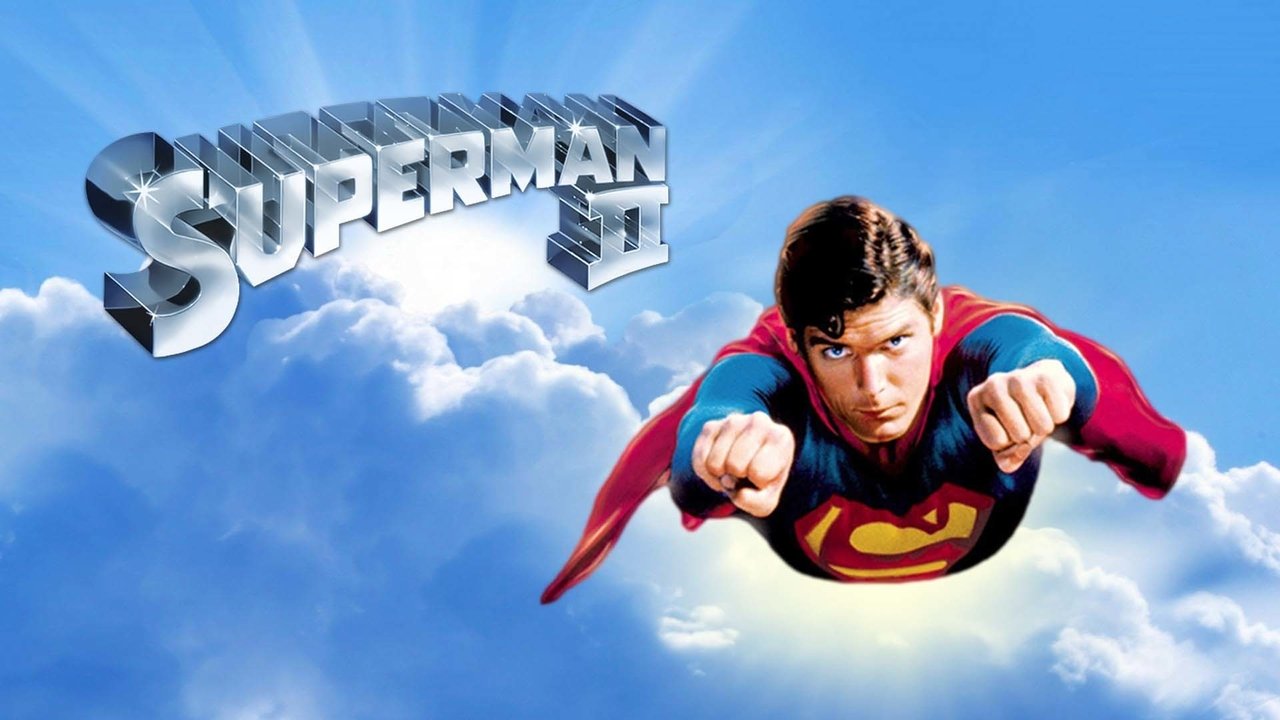
At the heart of it all, of course, is Christopher Reeve. If the first film established him as the definitive Man of Steel, the sequel cemented it. Reeve was Superman, embodying the earnest heroism, the quiet strength, and crucially, the vulnerability of Clark Kent. His chemistry with Margot Kidder’s feisty, career-driven Lois Lane remains utterly captivating. Their relationship takes centre stage here, exploring the classic dilemma: can Superman have it all? Can he protect the world and have a personal life? The scenes where Clark decides to relinquish his powers for love, though perhaps tinged with a certain early 80s romanticism now, felt incredibly weighty and significant back then. It humanized the Kryptonian powerhouse in a way few superhero films had dared.
### Kneel Before Zod!
But a hero is only as good as his villains, and Superman II unleashed arguably the most memorable cinematic adversaries the Man of Steel has ever faced. Terence Stamp’s General Zod is pure, regal menace. His clipped commands, burning eyes, and utter contempt for humanity (“Kneel before Zod!” remains an all-time classic movie line) made him instantly iconic. He wasn’t just strong; he was arrogant, cruel, and possessed the same god-like powers as our hero. Alongside him, Sarah Douglas as the chillingly sadistic Ursa and Jack O'Halloran as the mute powerhouse Non formed a truly formidable trio. Their casual destruction and entitlement felt genuinely threatening, raising the stakes far beyond anything Lex Luthor could manage alone. Speaking of whom, Gene Hackman returns as the brilliantly scheming Luthor, providing a welcome dose of comic villainy and acting as an unwitting catalyst for the Kryptonians' rampage. His interactions with the humorless Zod are a highlight.
### A Tale of Two Directors
Of course, you can't really discuss Superman II without touching upon its somewhat turbulent production. Richard Donner, who had masterminded the original, filmed a significant portion of the sequel concurrently. However, creative differences and budget disputes led to his departure, with Richard Lester (known for directing The Beatles in A Hard Day's Night) brought in to complete the film. Lester reshot considerable footage, aiming for a slightly lighter tone in places, which sometimes feels a bit tonally jarring compared to Donner's more epic, earnest style. This behind-the-scenes drama had tangible effects, most notably the removal of Marlon Brando’s scenes as Jor-El due to salary disputes (his role in guiding Clark was largely replaced by Susannah York as Lara, Superman's mother). While the theatrical cut is the one most of us grew up with on VHS, the later release of "The Richard Donner Cut" offered a fascinating glimpse into what might have been, restoring Brando and altering key plot points. It's a whole other rabbit hole for dedicated fans!

### Spectacle and Charm
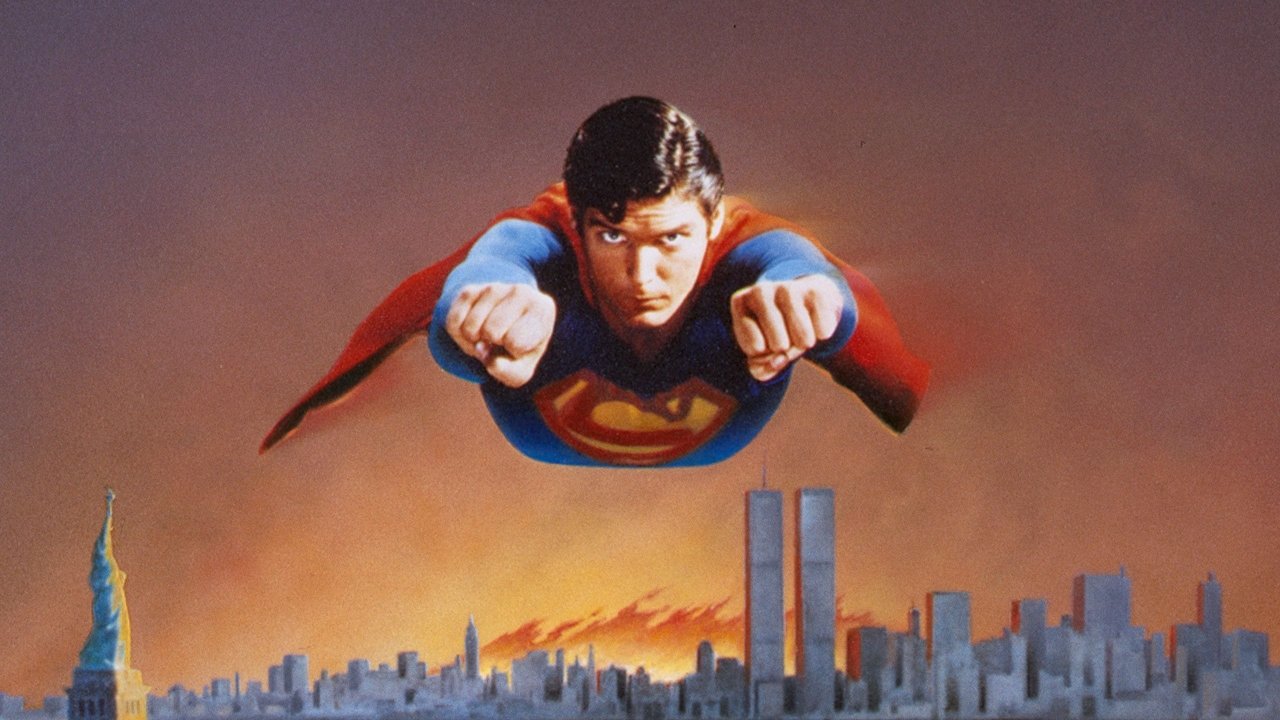
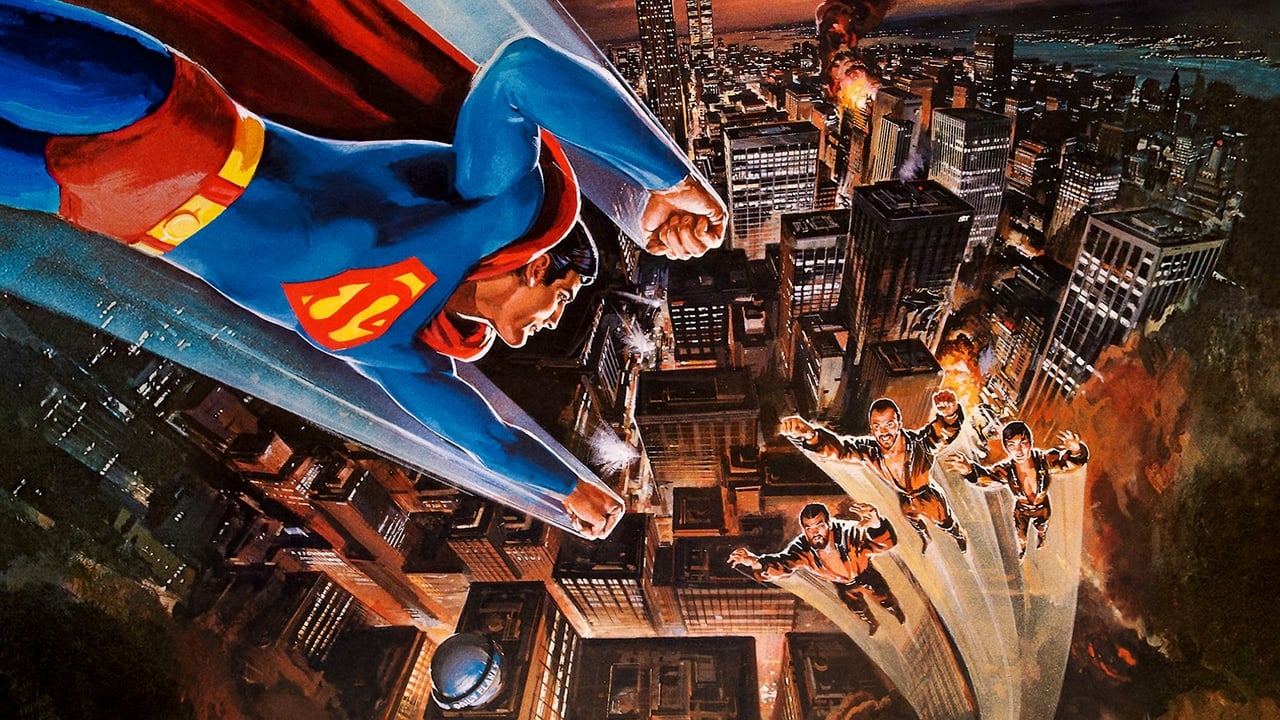
Despite the directorial handover, the film delivers incredible spectacle that absolutely thrilled audiences in 1980. The battle over Metropolis is pure comic book mayhem brought to life – cars flying, buildings crumbling (well, models of them!), and Superman facing enemies who can truly hurt him. Seeing Zod casually swat away military hardware or Ursa throw a bus was mind-blowing on our old CRT screens. The practical effects, while occasionally showing their age now (that cellophane "S" trap in the Fortress of Solitude always gets a chuckle), were state-of-the-art then and possess a tangible charm often missing in today's CGI-heavy blockbusters. Remember the sheer awe of seeing Superman and Zod duke it out above the city? The film successfully balanced these action set pieces – the Niagara Falls rescue is another standout – with the central romance and the weight of Superman's choices. Even on a reported budget of $54 million (a hefty sum back then, which still managed to pull in around $190 million worldwide), the filmmakers achieved visuals that captured the imagination.
### Legacy of the Last Son of Krypton
Superman II isn't perfect. Some of Lester’s added humor feels forced, and the infamous "memory-wiping kiss" ending remains a point of contention among fans (a convenient reset button, perhaps?). Yet, its impact is undeniable. It proved that superhero sequels could be massive events, explored the hero's personal sacrifices, and gave us villains for the ages. It solidified Christopher Reeve's legacy and kept the dream of Superman alive and soaring for a generation. Watching it again now, maybe on a format far removed from that worn-out VHS tape, still evokes that sense of wonder. It captured the thrilling idea of gods walking among us, battling over our fate in spectacular fashion.
Rating: 8/10
This score reflects the film's iconic status, Christopher Reeve's definitive performance, Terence Stamp's unforgettable villain, and the sheer thrill it delivered. While the tonal shifts from the director change and the slightly dated ending hold it back from perfection, its strengths far outweigh its flaws. It set a high bar for superhero sequels and gave us moments that are permanently etched in cinematic memory.
For many, Superman II wasn't just a sequel; it was proof that the magic could continue, bigger and bolder than before. A true cornerstone of the superhero genre on home video.