Alright, fellow tapeheads, gather 'round the flickering glow of the cathode ray tube (in your mind, at least!). Tonight, we're digging into a cassette that might have seemed like an oddity on the rental shelf back in the day, nestled perhaps between a Stallone epic and a slasher flick. I'm talking about the 1980 Italian charmer, The Taming of the Scoundrel (or Il Bisbetico Domato for the purists), a film that proves you don’t need exploding helicopters to create cinematic fireworks. This one crackles with a different kind of energy – the sheer force of personality clashing against irresistible charm.
### When Country Grit Meets City Glamour
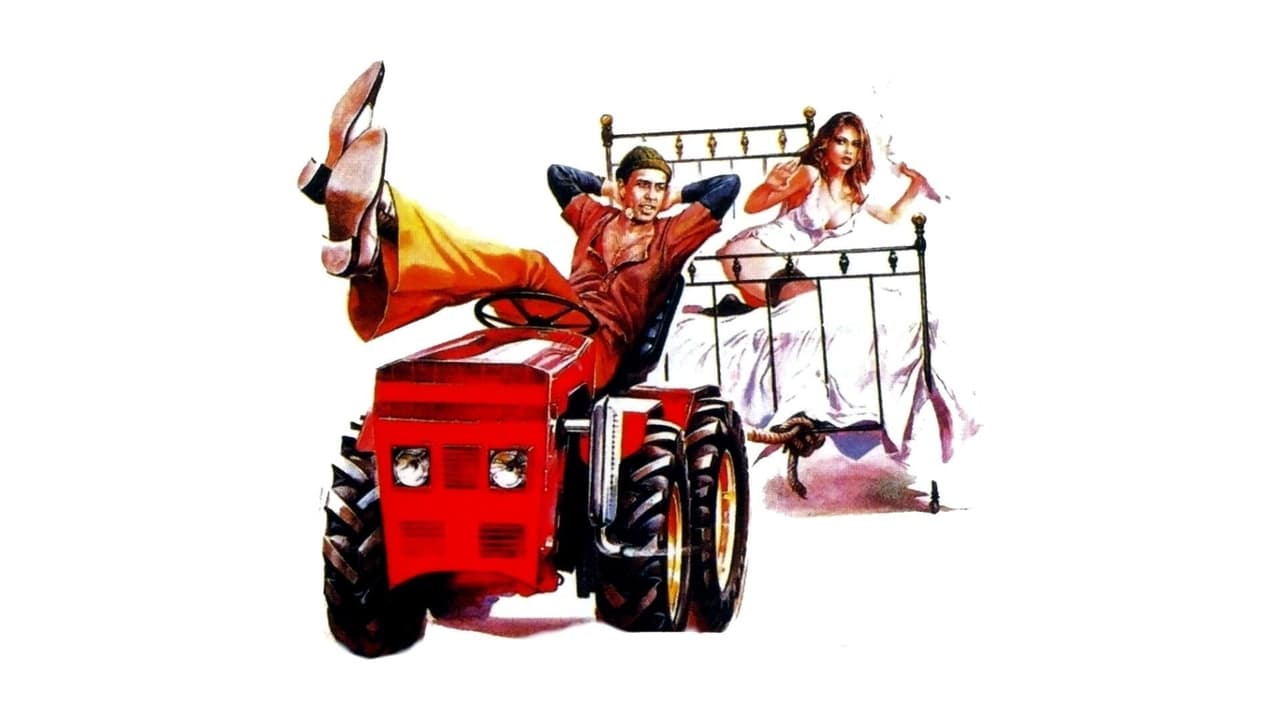
Forget your typical Hollywood rom-com setup. This slice of 80s Euro-cinema throws us headfirst into the rustic Italian countryside, specifically the farm of Elia Codogno, played with magnificent, eccentric grumpiness by Italian superstar Adriano Celentano. Elia isn't just a farmer; he's a self-proclaimed misogynist, a confirmed bachelor fiercely dedicated to his land, his animals, and shooing away any hint of female intrusion. He talks to crows, drives his tractor through his house, and generally views modern society (and women) with deep suspicion. His world is deliberately small, fiercely protected, and utterly unprepared for what's coming.
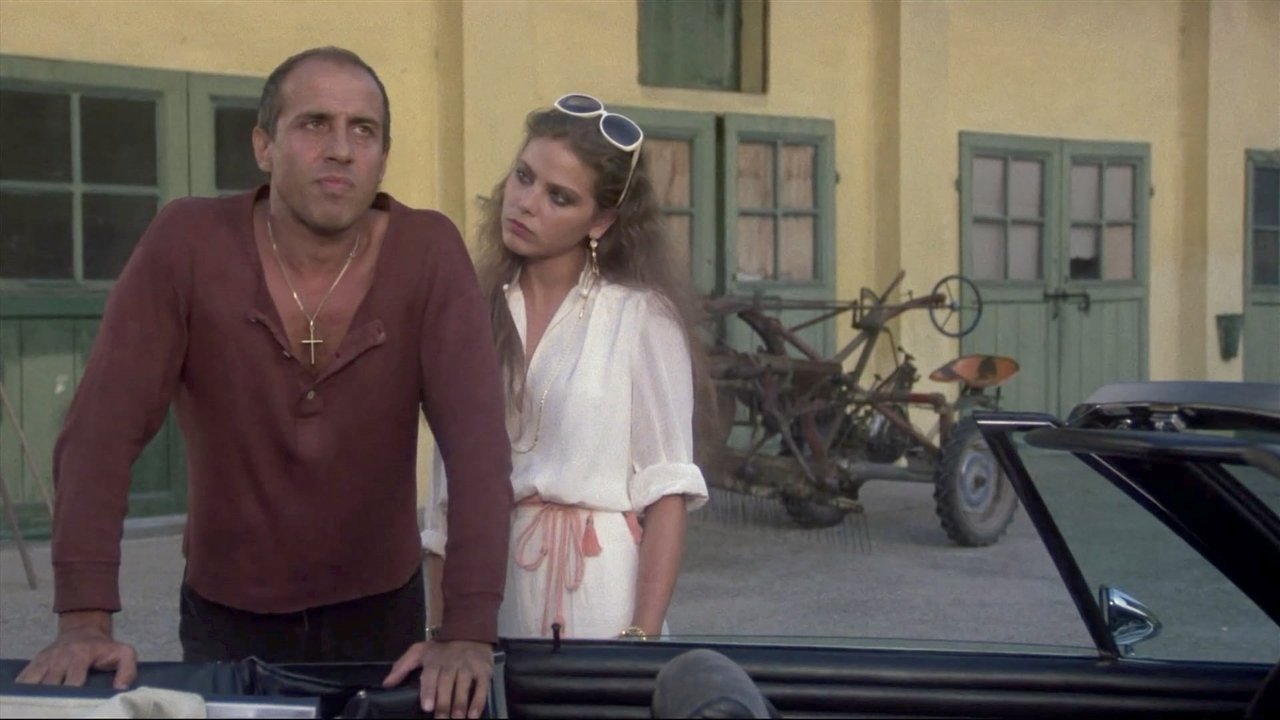
And what's coming is Lisa Silvestri, portrayed by the luminous Ornella Muti, fresh off her memorable role as Princess Aura in Flash Gordon (1980). When Lisa's fancy car breaks down near Elia's farm during a torrential downpour, she seeks shelter. She’s everything Elia despises: sophisticated, beautiful, persistent, and utterly undeterred by his frankly appalling behaviour. The stage is set for a classic battle of wills, a gender-swapped take on Shakespeare's The Taming of the Shrew, but filtered through a distinctly Italian, comedic lens.

### Celentano: The Magnetic Misanthrope
You can't talk about this film without focusing on Adriano Celentano. Already a massive music and screen icon in Italy, known for his distinctive voice and often quirky persona, Celentano is Elia. He doesn’t just play grumpy; he embodies a kind of primal, almost feral resistance to charm. There's a fantastic physicality to his performance – the way he moves, his deadpan expressions suddenly breaking into surprising bursts of action (like that infamous grape-stomping scene or his bizarre basketball challenge). It's a performance that could easily tip into unlikeable caricature, but Celentano infuses Elia with just enough vulnerability beneath the crusty exterior to keep you invested. It’s fascinating to know that Celentano, much like his character, cultivated an image of being somewhat unconventional and deeply connected to his roots, which surely added layers to his portrayal.
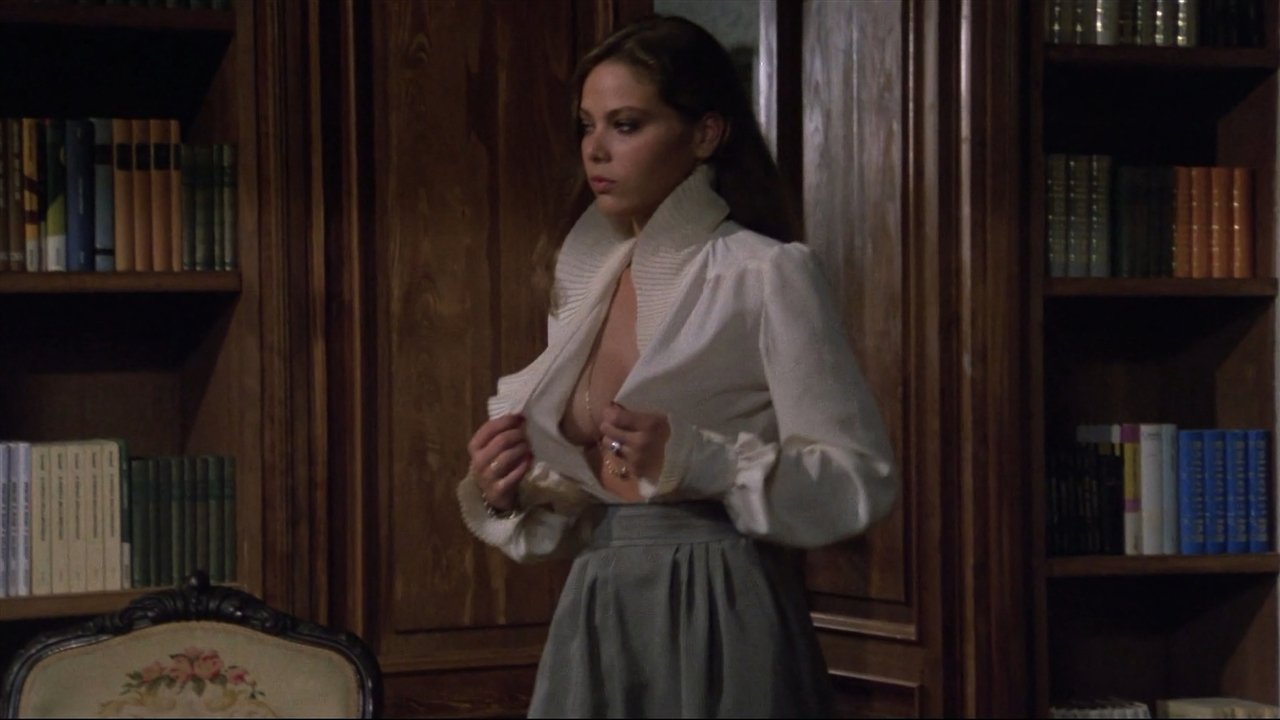
Opposite him, Ornella Muti is captivating. She has the tricky task of playing a woman determined to win over a man who actively tries to repel her, but she does it with grace, humour, and a glint in her eye. Lisa isn't a passive damsel; she's amused, challenged, and increasingly drawn to Elia's bizarre integrity. Their chemistry isn't the smouldering, immediate kind often seen in American films of the era; it's a slow burn built on exasperation, grudging respect, and eventually, genuine affection. The directors, the veteran comedy duo Franco Castellano and Giuseppe Moccia (often credited as Castellano & Pipolo), who penned countless Italian comedies, knew exactly how to frame this dynamic duo for maximum comedic effect.
### The Unlikely Blockbuster & That Soviet Connection
Here’s a "Retro Fun Fact" that always blows my mind: while The Taming of the Scoundrel was a hit in Italy, it became an absolute phenomenon in the Soviet Union. Reportedly selling over 56 million tickets, it was one of the most popular foreign films ever shown there during that period. Can you imagine Soviet audiences, perhaps starved for lighter Western fare, embracing this quirky Italian comedy about a stubborn farmer and a glamorous city girl? It speaks volumes about the universal appeal of the characters and the film's warm-hearted humour. Finding this on VHS often felt like uncovering a secret handshake shared across continents.
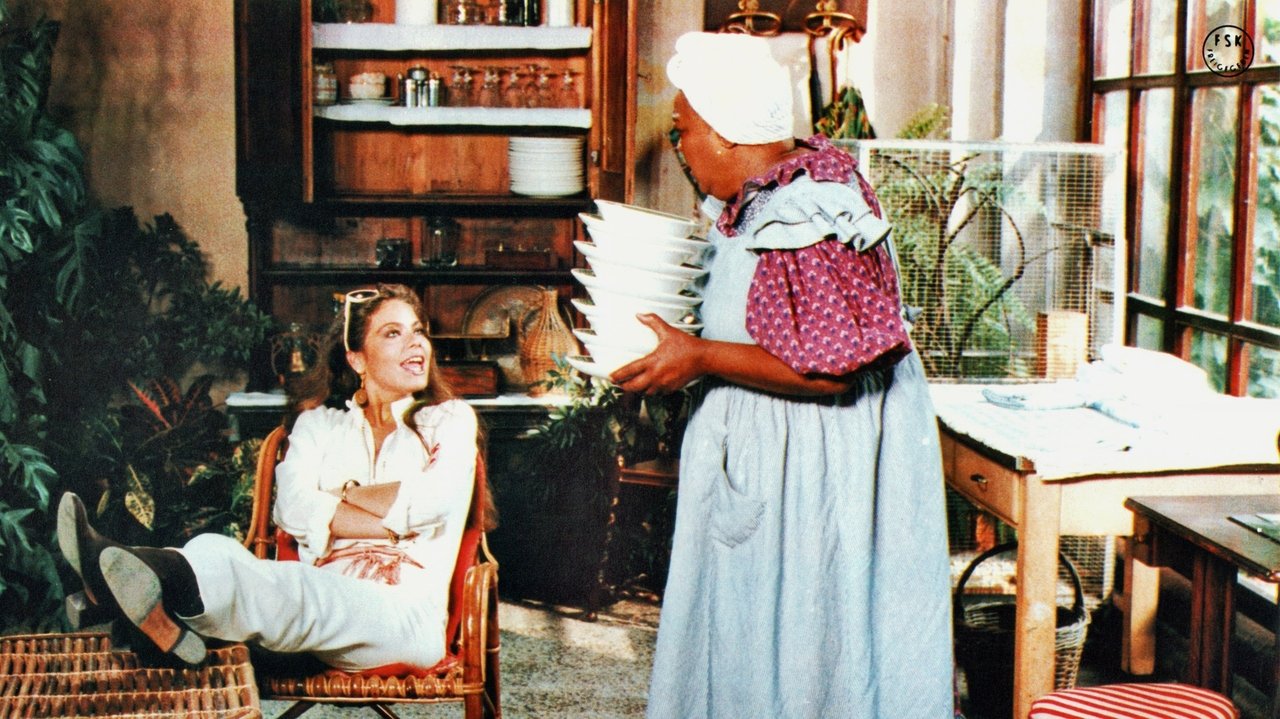
The film itself feels wonderfully grounded in its time and place. The cinematography captures the beauty of the Italian countryside without excessive gloss. There are no flashy effects here, just solid, character-driven comedy and storytelling. Even the "action," like Elia driving his tractor recklessly or engaging in absurd physical contests, feels real and in-character, relying on Celentano's unique physical presence rather than stunt doubles and quick cuts. It’s the kind of filmmaking that feels refreshingly straightforward compared to today's often hyper-edited comedies. And let's not forget the vital presence of Edith Peters as Mamie, Elia's wise, patient, and often exasperated housekeeper, who acts as both audience surrogate and gentle commentator on the unfolding chaos.
### Still Taming Audiences?
Watching The Taming of the Scoundrel today is like opening a time capsule to a specific brand of European popular cinema. Yes, some of the gender dynamics feel decidedly of their era, playing on tropes that might raise an eyebrow now. Elia's outright hostility towards women is played for laughs in a way that wouldn't fly today without significant reframing. However, the film's core charm – the electric chemistry between its leads, Celentano's singular performance, and the genuinely funny situations – remains remarkably intact. It doesn't rely on cynical irony or gross-out gags; its humour comes from character, situation, and a certain optimistic belief in the power of persistence (and perhaps, mutual eccentricity). It's warm, funny, and possesses an unpretentious appeal that's hard to resist.
VHS Heaven Rating: 8/10
Justification: This score reflects the film's massive contemporary success, the undeniable star power and chemistry of Celentano and Muti, its genuinely funny moments, and its status as a beloved slice of 80s European pop culture. It loses a couple of points for comedic sensibilities that feel dated in places, but its overall charm and rewatchability earn it a high mark for fans of the era and international comedies.
Final Rewind: Forget slick Hollywood productions; this is pure, unadulterated 80s Italian charisma, as stubborn and ultimately irresistible as its leading man. A delightful discovery on tape then, and a surprisingly warm comfort watch now.