Okay, pop that tape in the VCR, maybe give the tracking a little nudge, because tonight on VHS Heaven, we're ditching the explosions and high-octane chases for something a little different, but no less iconic, especially if you have a soft spot for classic European comedy. We're heading to 1984 Italy with Castellano & Moccia's beloved Il Ragazzo di Campagna (often translated as The Country Boy), starring the utterly unique Renato Pozzetto. Forget Schwarzenegger for a night; Artemio is our hero here.
### From Fields of Green to Concrete Jungle
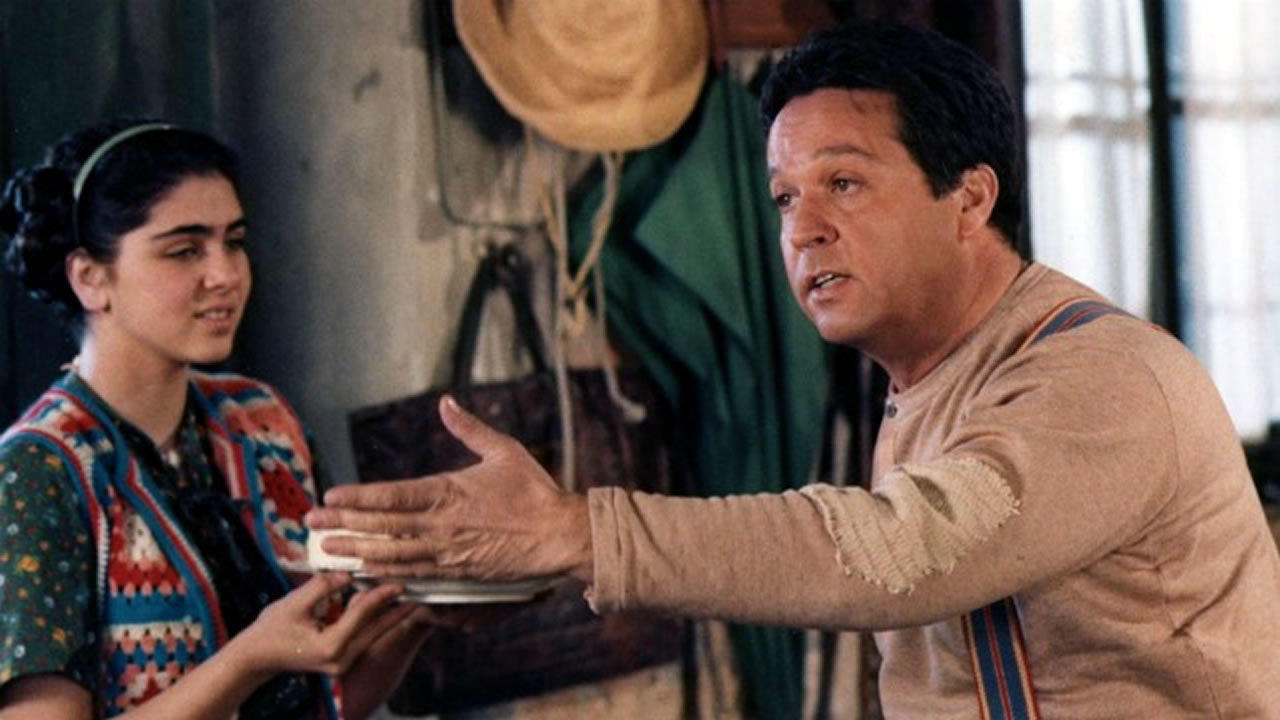
Right off the bat, the premise is timeless comedy gold: Artemio (Pozzetto), a simple, perpetually bewildered farmer pushing 40, decides life in his sleepy, isolated village of Borgo Tre Case isn't cutting it anymore. Egged on by, well, pretty much just boredom and the faint promise of modernity, he packs his meager belongings (and a live chicken, naturally) and heads for the bewildering metropolis of Milan. What follows is a classic fish-out-of-water tale, but filtered through a distinctly Italian, early-80s lens. This isn't just Crocodile Dundee swapping the Outback for New York; it's a gentle, often hilarious skewering of urban life, consumerism, and the sheer absurdity of "progress" as seen through Artemio's wide, naive eyes.
### The Unmistakable Charm of Pozzetto
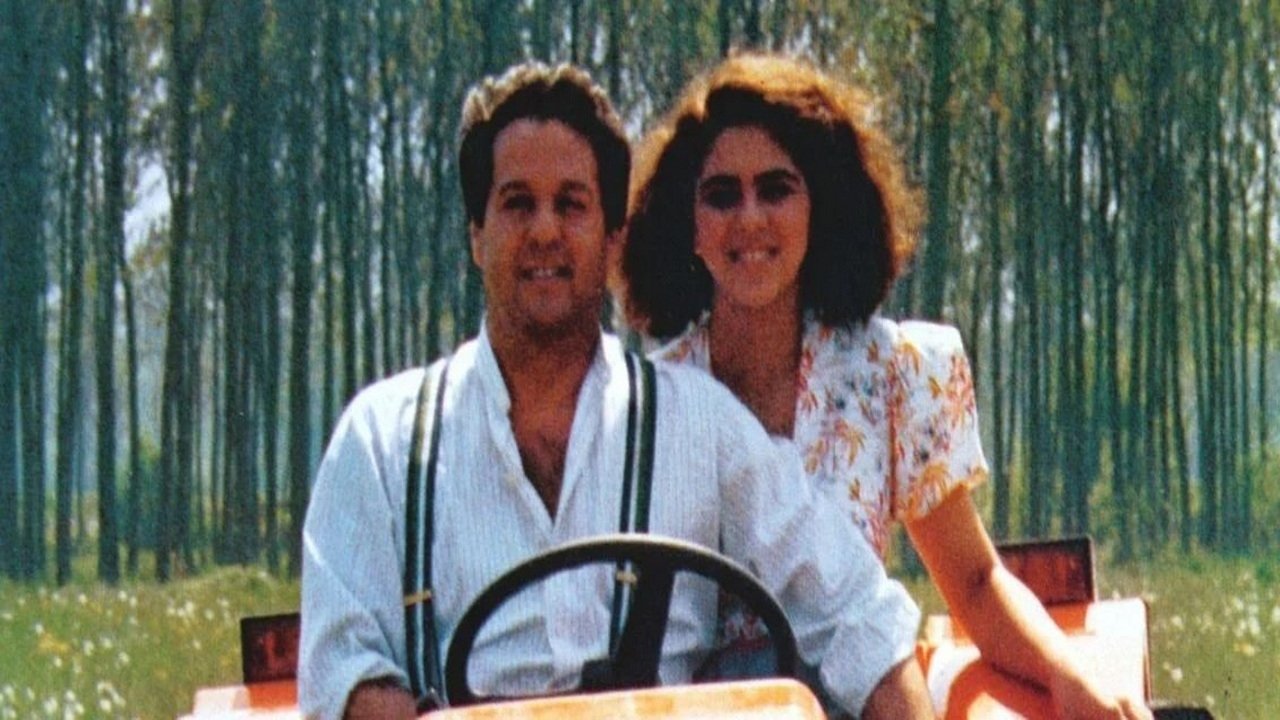
You can't talk about Il Ragazzo di Campagna without focusing on Renato Pozzetto. His comedic style is legendary in Italy – a masterful blend of deadpan delivery, expressive facial contortions, and a kind of physical awkwardness that’s instantly endearing. He’s not delivering rapid-fire punchlines; the humour comes from his reactions, his quiet pronouncements, and the way he navigates situations with a logic entirely his own. Directors Franco Castellano and Giuseppe Moccia (often credited together as Castellano & Moccia, a powerhouse duo behind many Italian comedy hits like Asso (1981) with Adriano Celentano) clearly understood Pozzetto’s unique talent and built the film squarely around him. His Artemio isn't stupid; he's just operating on a completely different frequency than the fast-paced, often superficial Milanese world he encounters.
### Milan, 1984: A Time Capsule of Sorts
The film is a fascinating snapshot of early 80s Milan. It’s a world of burgeoning technology (that feels hilariously clunky now), questionable fashion choices (shoulder pads!), and the stark contrast between traditional values and the relentless march of modernity. Remember the overwhelming feeling of big cities back then, before smartphones and Google Maps? Artemio’s struggles – trying to understand traffic, navigating impersonal apartment buildings, dealing with his impossibly tiny, gadget-filled "residence" – felt exaggerated for comedic effect, but also strangely relatable.
That apartment scene, by the way, is pure genius and remains one of the most quoted moments in Italian cinema. Artemio rents a ridiculously compact, automated studio where the bed folds into the wall, the table retracts, and everything is controlled by buttons. It's played for laughs, showcasing the absurdity of space-saving "efficiency," but there’s a subtle commentary there about isolation and the dehumanizing aspect of modern urban living. It’s a piece of production design that perfectly encapsulates the film's themes. A retro fun fact: the film was a colossal success in Italy, cementing Pozzetto's status as a major comedy star. It reportedly cost very little to make and became one of the highest-grossing Italian films of the year, proving audiences were hungry for this kind of relatable, character-driven comedy.
### More Than Just Laughs?
While it's primarily a comedy, Il Ragazzo di Campagna has moments of genuine warmth and even a touch of melancholy. Artemio’s interactions with his worried mother (Clara Colosimo) back home, his brief, awkward encounters with potential love interest Angela (Donna Osterbuhr), and his eventual disillusionment with the city add a layer of heart. It doesn't shy away from the loneliness that can exist even when surrounded by millions of people. The supporting cast does a fine job, but it’s truly Pozzetto’s show. The directors keep the pacing brisk, letting the situational humour unfold naturally without resorting to cheap gags. The visual comedy often speaks louder than the dialogue, relying on Pozzetto’s brilliant reactions and the inherent absurdity of the situations.
Another retro fun fact involves the iconic train scene where Artemio, finally deciding to leave Milan, repeatedly misses his train due to his meticulous farewells, punctuated by his catchphrase "Taaac!" each time he places his suitcase down. This seemingly simple gag became incredibly famous in Italy, entering the popular lexicon. The specific locations used in Milan, capturing the city before its later transformations, also add to the film's nostalgic value for Italian audiences.
### Final Thoughts: Still Charming After All These Years?
Il Ragazzo di Campagna might feel gentle compared to the louder, crasser comedies that often dominated the 80s international market. Its humour is specific, rooted in Italian culture and Pozzetto's unique persona. But the core themes – the search for belonging, the clash between tradition and modernity, the absurdity of urban life – remain surprisingly relevant. It’s the kind of film you might have stumbled upon late one night on a fuzzy channel, or found tucked away in the foreign film section of a particularly well-stocked video store. It evokes a simpler time in comedy, relying on character and situation over shock value.
VHS Heaven Rating: 7.5 / 10
Justification: While maybe not a laugh-a-minute riot for everyone, especially non-Italian speakers relying on subtitles (or questionable dubs!), Il Ragazzo di Campagna is a genuinely charming, well-crafted comedy elevated by a masterful central performance. It's a significant piece of Italian pop culture, a warm-hearted satire, and a delightful time capsule of the 80s. Pozzetto is magnetic, and the film's gentle humour and relatable core still resonate. It might lack the universal punch of some Hollywood comedies, but its specific flavour is precisely what makes it a cult favourite worth seeking out.
Final Take: Forget the fast lane; sometimes the funniest journey is watching a bewildered country boy try (and fail) to understand automatic beds and Milanese traffic. Taaac!