The chill doesn't always come from the shadows or the things that jump out. Sometimes, it seeps in from the edges, from the wind rustling leaves that sound just a little too much like whispers, from a reflection in a mirror that seems... wrong. Remember that feeling? That specific brand of unease that certain films managed to conjure, especially late at night with only the glow of the CRT for company? Disney, of all studios, tapped into that vein with 1980’s The Watcher in the Woods, a film that felt like finding a genuinely unsettling ghost story tucked away in a sunny, family-friendly library. It’s a strange, flawed, but undeniably atmospheric piece of 80s supernatural curiosity.
### Welcome to the Woods
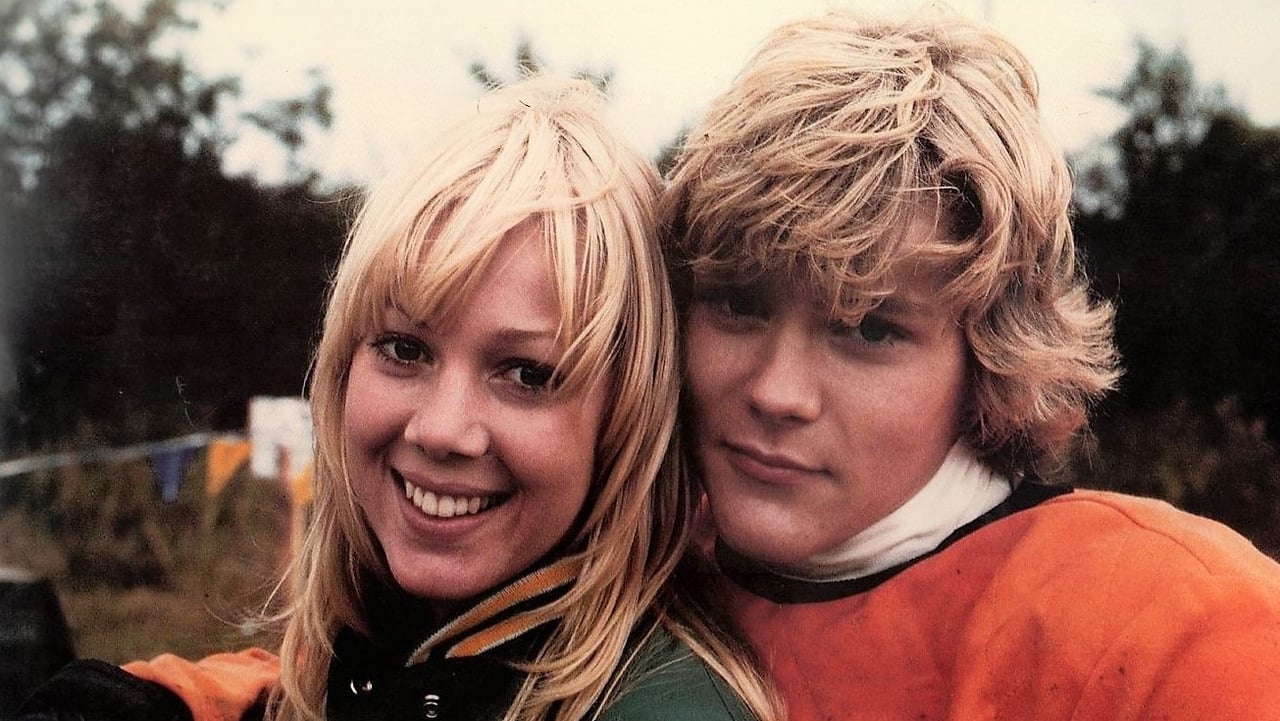
The setup is classic haunted house fare, transplanted to the English countryside. The Curtis family – sensible parents, teenage Jan (Lynn-Holly Johnson, fresh off the ice in Ice Castles), and younger sister Ellie (Kyle Richards, who already knew a thing or two about terror after Halloween) – rent a remote manor from the imposing, reclusive Mrs. Aylwood, played with typically steely command by the legendary Bette Davis. Almost immediately, Jan feels a presence, sees strange lights, and experiences unsettling phenomena linked to the disappearance of Mrs. Aylwood’s daughter, Karen, decades earlier. The woods surrounding the house seem alive, watchful, and hold the key to a decades-old mystery involving arcane symbols, alternate dimensions, and a presence known only as 'The Watcher'.
Bette Davis, even in this later stage of her career, brings an undeniable gravity. Her Mrs. Aylwood is less a character and more a force of nature, burdened by grief and secrets. Her screen presence alone adds layers of gothic weight. The young leads carry the emotional core; Johnson conveys Jan’s growing fear and determination effectively, while Richards has moments of genuine creepiness as the sensitive younger sister susceptible to the strange forces at play. Did anyone else find Ellie’s pronouncements, delivered with that wide-eyed seriousness, genuinely unnerving back then?
### Atmosphere Over Answers
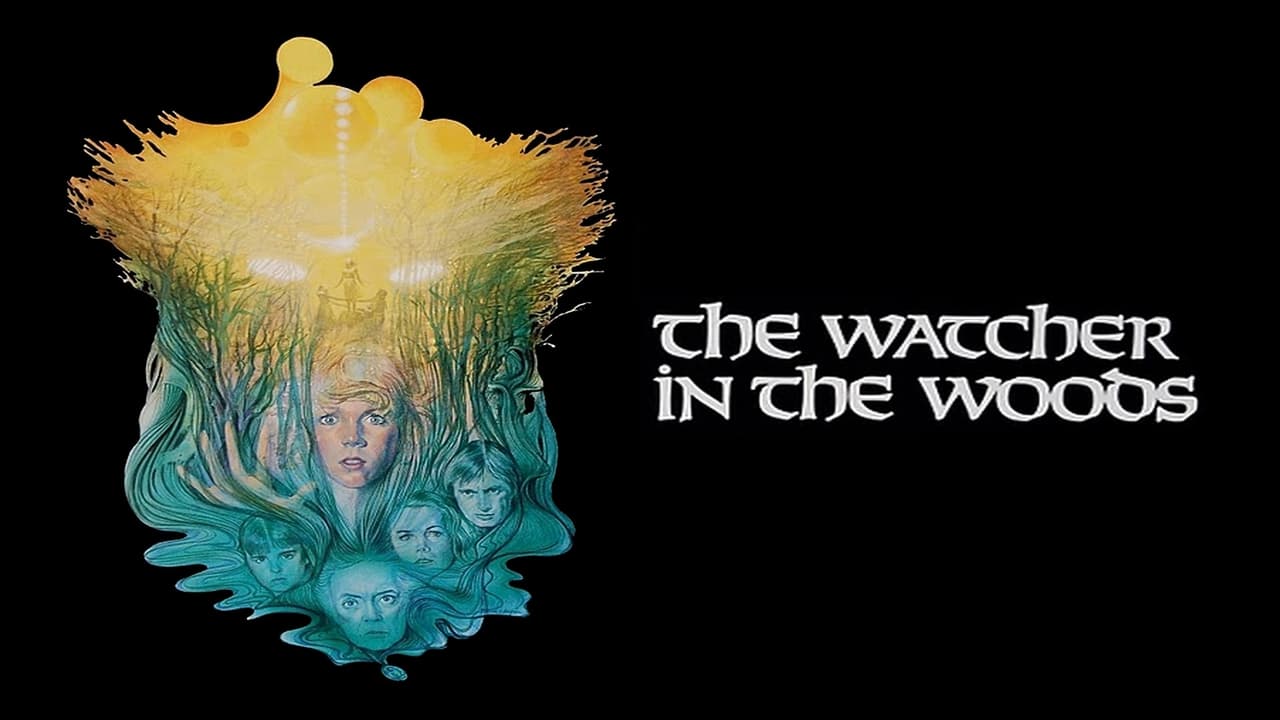
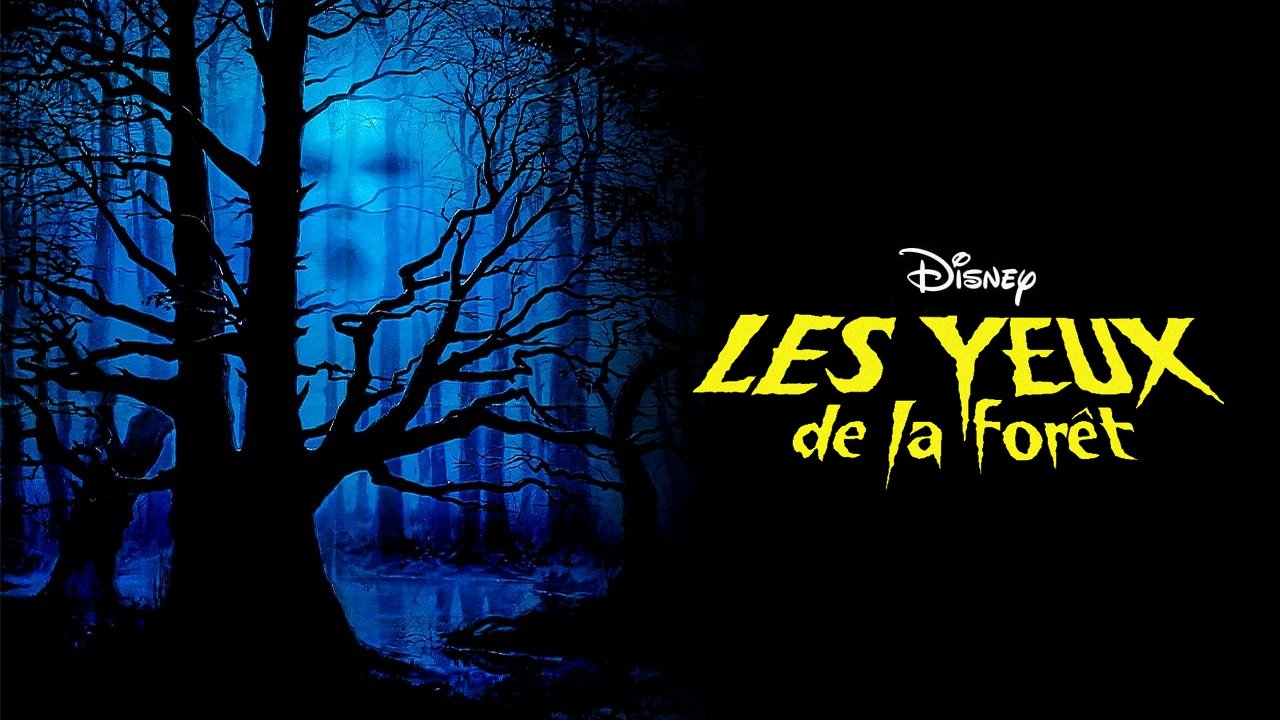
What The Watcher in the Woods absolutely nails is atmosphere. Director John Hough, no stranger to spooky houses after helming the genuinely terrifying The Legend of Hell House (1973), leans heavily into the eerie potential of the English landscape. The woods feel ancient and menacing, the manor suitably isolated and history-soaked. Stanley Myers’ score is effectively haunting, amplifying the sense of dread without resorting to cheap stingers. There are sequences here that truly stick with you: the fractured reflections in mirrors, the séance scene crackling with adolescent fear and otherworldly contact, the sudden shattering of glass. These moments rely on suggestion and psychological unease rather than overt shocks, tapping into that primal fear of the unseen.
The practical effects, while perhaps showing their age now, had a distinct power in the VHS era. The visual representation of the Watcher, particularly in the climax (whichever version you saw!), was ambitious. There's a tangible quality to the spectral lights and wind effects that CGI often lacks. It felt grounded, somehow more real, even when depicting the utterly fantastic. I distinctly remember rewinding the tape during the chapel sequence, trying to make sense of the swirling lights and sounds, feeling that delicious mix of confusion and fear.
### A Tale of Two (or Three) Endings
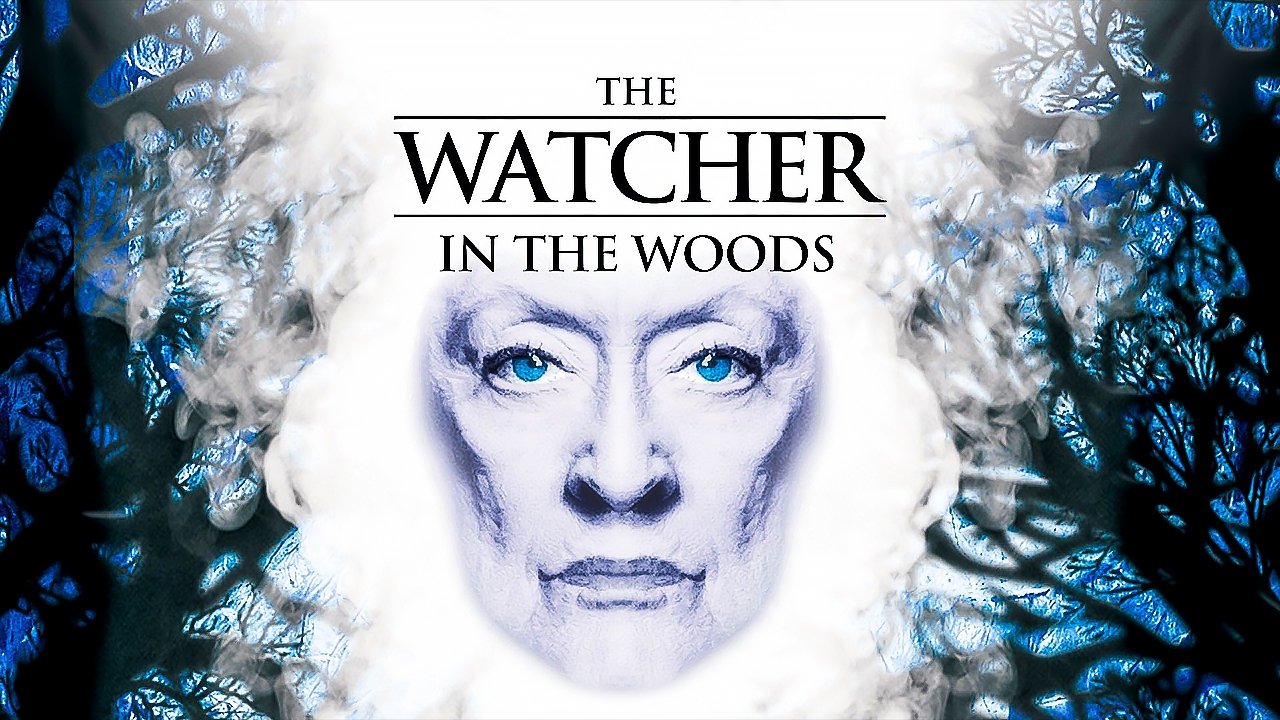
Now, we can't talk about The Watcher in the Woods without discussing its famously troubled production and multiple endings – a "dark legend" in its own right. Test audiences in 1980 were reportedly baffled and unsatisfied by the original, rather abstract and effects-heavy climax involving an insectoid alien creature. The initial release was pulled after just ten days. Disney, realizing they had a potentially effective chiller marred by a confusing finale, brought back Hough (though some sources say replacement directors handled the reshoots) over a year later to craft a more concise and explanatory ending. This involved simplifying the Watcher's nature and providing a clearer resolution to Karen's disappearance.
This revised version, released in 1981, is the one most of us likely encountered on VHS or cable. While perhaps less ambitious than the rumoured original (which apparently involved skeletal puppets and complex opticals that didn't quite land), the reshot ending provides a more conventional, albeit slightly rushed, sense of closure. There’s even a third variation floating around, incorporating elements from different cuts! This production saga is fascinating – a major studio grappling with how dark was too dark for their brand, spending additional funds (estimated at $1 million for the reshoots, a decent sum back then on top of the initial $9 million budget) to salvage the film. It speaks volumes about the tightrope walk Disney was attempting. The film ultimately grossed only around $5 million domestically, making it a disappointment for the studio but cementing its cult status among those who appreciated its moody uniqueness.
### Does the Watcher Still Watch Us?
Watching it today, The Watcher in the Woods remains an intriguing oddity. Its pacing can feel deliberate, almost slow by modern standards, and the plot mechanics, especially concerning the interdimensional aspects, creak a little. But the core atmosphere holds up remarkably well. It captures a specific kind of adolescent gothic horror – think spooky sleepovers and whispering local legends – that feels both nostalgic and genuinely effective in moments. It’s a film more interested in mood and mystery than jump scares, and that restraint is arguably its greatest strength. It stands as a fascinating footnote in Disney's history, a glimpse into a brief period where the House of Mouse dared to explore darker woods.
Rating: 6.5/10
Justification: The score reflects the film's undeniable atmospheric strengths, Bette Davis's powerful presence, and its status as a unique, often genuinely creepy Disney venture. However, it's held back by the somewhat muddled plot mechanics and the famously disjointed feel stemming from its troubled production and revised ending. It doesn't fully realize its potential, but its ambition and moodiness make it a memorable watch.
Final Thought: The Watcher in the Woods might not be a perfect film, but it’s a perfect slice of early 80s supernatural mystery – flawed, strange, and possessing a lingering chill that still whispers from the trees long after the tape stops rolling. A curious gem for any retro horror fan's collection.