There's a particular kind of grimy, unsettling dread that clings to certain low-budget horror films from the early 80s, a feeling captured with blunt force by 1982's Superstition. Forget nuance; this is horror served raw and bloody, a film that feels less like a carefully constructed narrative and more like a primal scream echoing from a dilapidated house where something truly malevolent has taken root. It's the kind of flick you might have discovered tucked away in the horror section of your local video store, its slightly lurid cover art promising carnage that, for once, the film actually delivered.
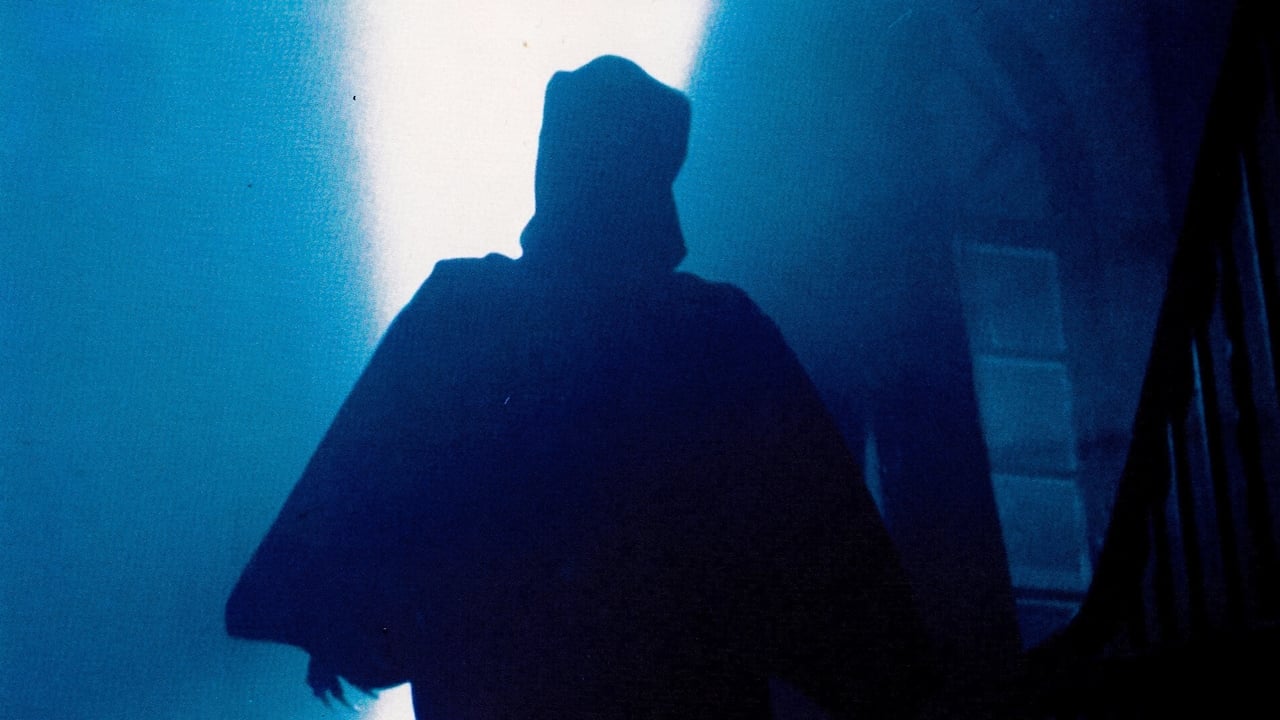
Something Wicked This Way Dwells
The setup is classic haunted house fare, almost deceptively simple. A family, including Reverend David Thompson (James Houghton) and his wife Mary (Lynn Carlin), moves into an old house owned by the church – a house with a dark history involving the drowning of a witch, Elondra Sharack, centuries ago. Naturally, mysterious and increasingly gruesome "accidents" begin plaguing the tenants and anyone connected to the property. Overseeing the grim proceedings is the perpetually agitated Inspector Sturgess, played with unsettling intensity by the great character actor Albert Salmi. What starts as perhaps faulty wiring or structural decay quickly escalates into something far more sinister, suggesting the witch's curse is very much alive and thirsty for vengeance.
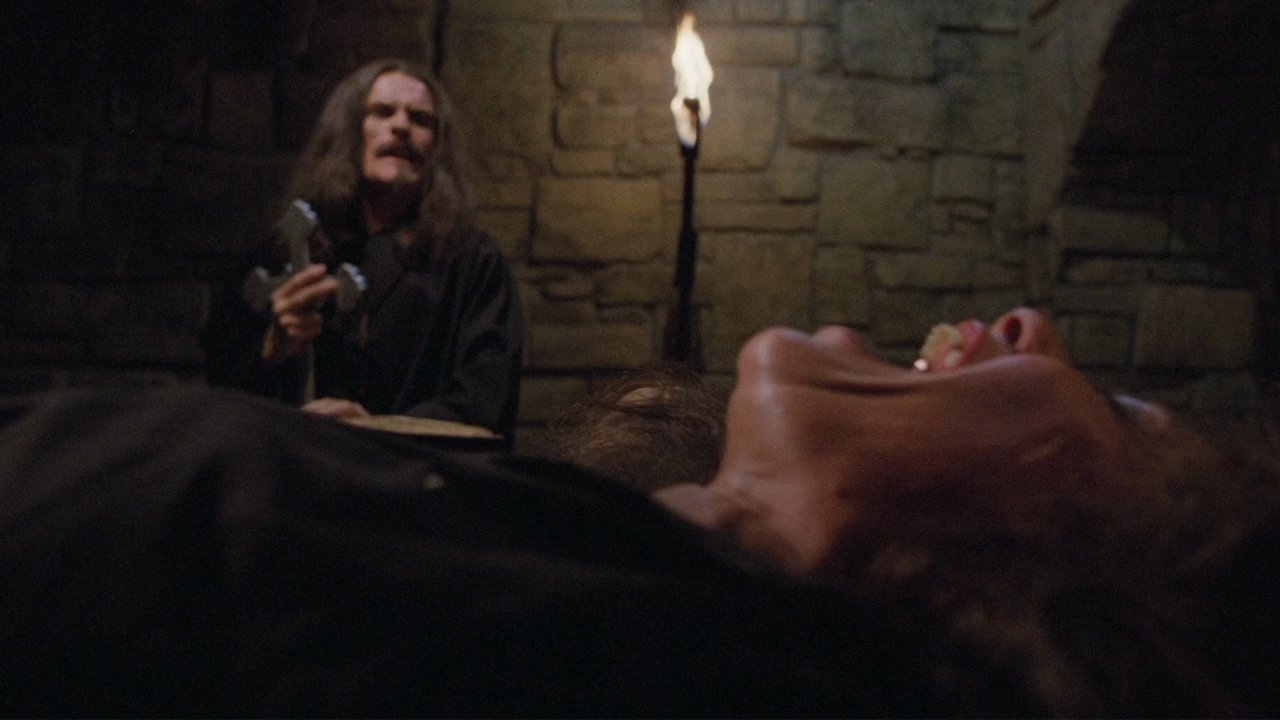
Director James W. Roberson, primarily known for television work, crafts an atmosphere thick with decay and foreboding. The house itself feels authentically old and menacing, its shadows deep, its corners holding secrets. The film doesn't rely heavily on jump scares; instead, it builds tension through suggestion and then unleashes bursts of shocking, practical gore that likely had jaws dropping back in the day. Remember the visceral impact of those 80s practical effects? Superstition offers a masterclass in low-budget grue, delivering kills that are both inventive and stomach-churning.
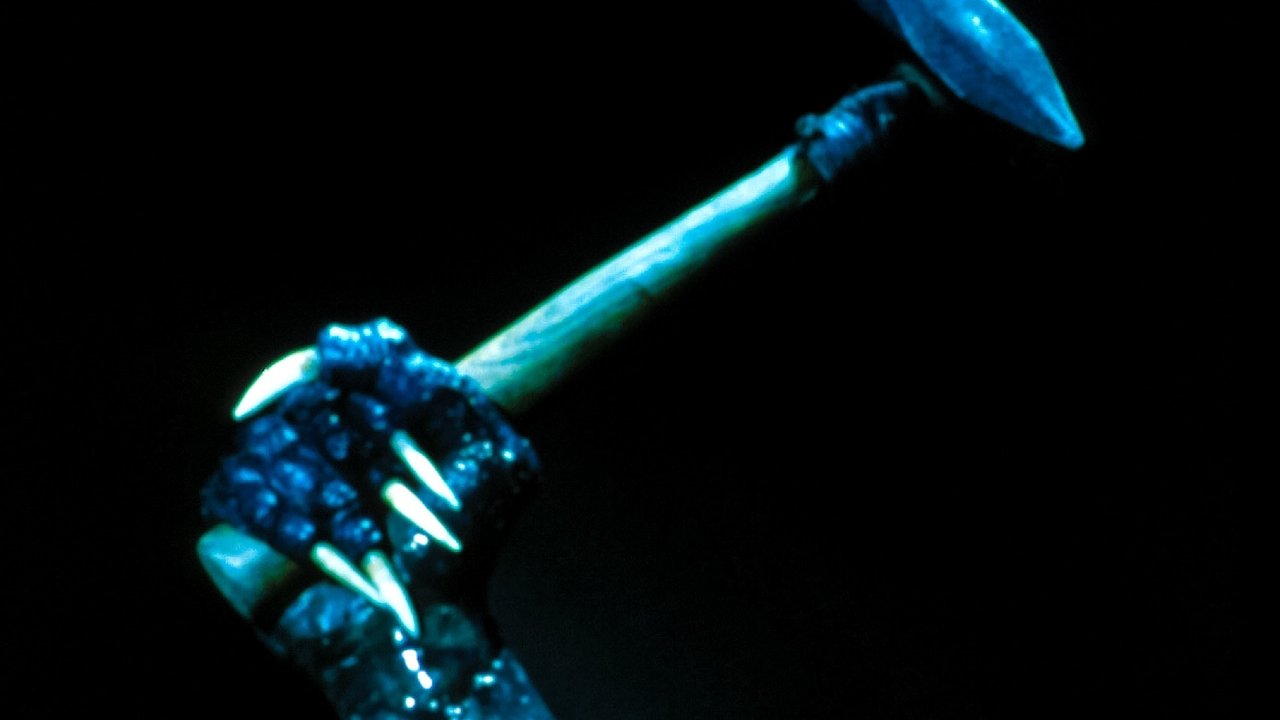
A Symphony of Carnage
Let's be honest, the body count and the creativity behind the deaths are a huge part of Superstition's enduring cult appeal. This film doesn't shy away from the nasty stuff. We get a head exploding in a microwave (a sequence so infamous it practically defines the movie for many), a brutal elevator decapitation, death by circular saw, impalement via stained glass... the list goes on. These weren't slick, CGI-sanitized deaths; they were messy, tangible, and felt disturbingly real thanks to the squishy, latex-and-corn-syrup artistry of the era. Did anyone else find the sheer variety unsettling? It felt like the house itself was improvising ways to dispatch its victims.
Adding to the film's dark aura is the troubled history surrounding its production and release. Filmed around 1980 under the more direct title The Witch, it reportedly sat on the shelf for a couple of years before finally seeing the light of day as Superstition in 1982. Perhaps the distributors felt the original title was too generic, or maybe the intense violence gave them pause. Whatever the reason, this delay only seems to enhance the film's slightly forgotten, almost cursed, reputation among dedicated horror fans.
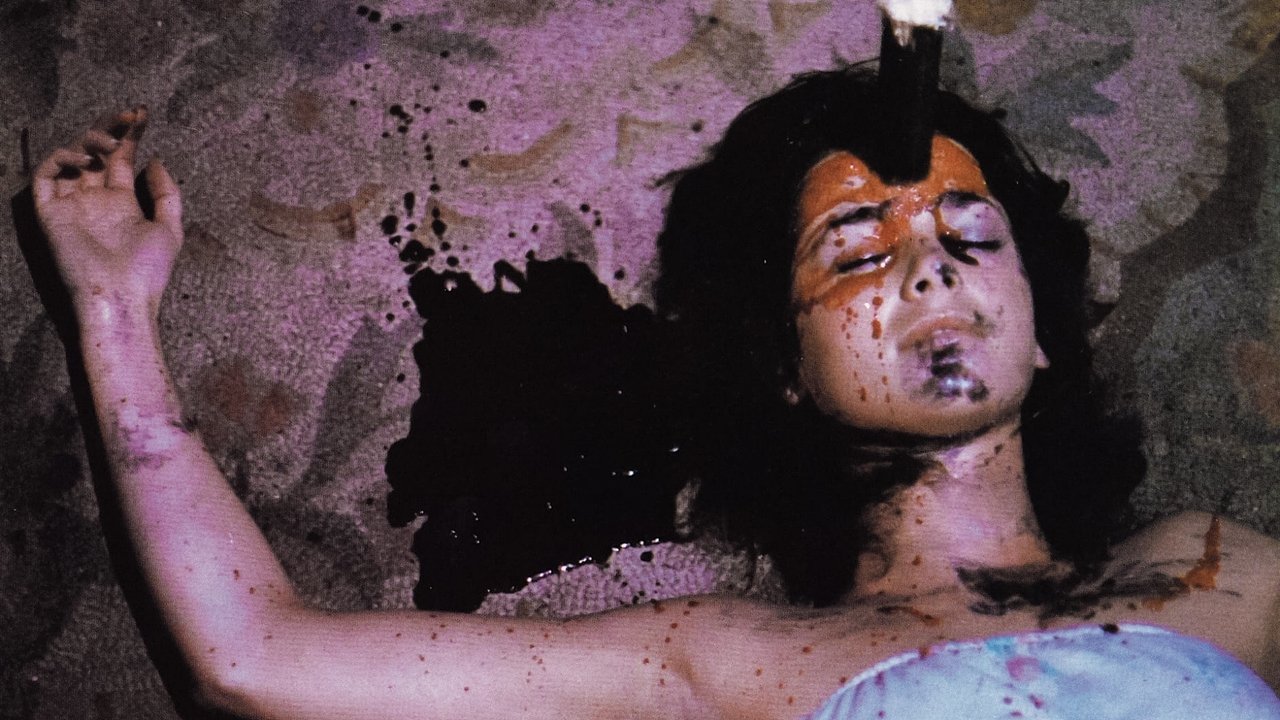
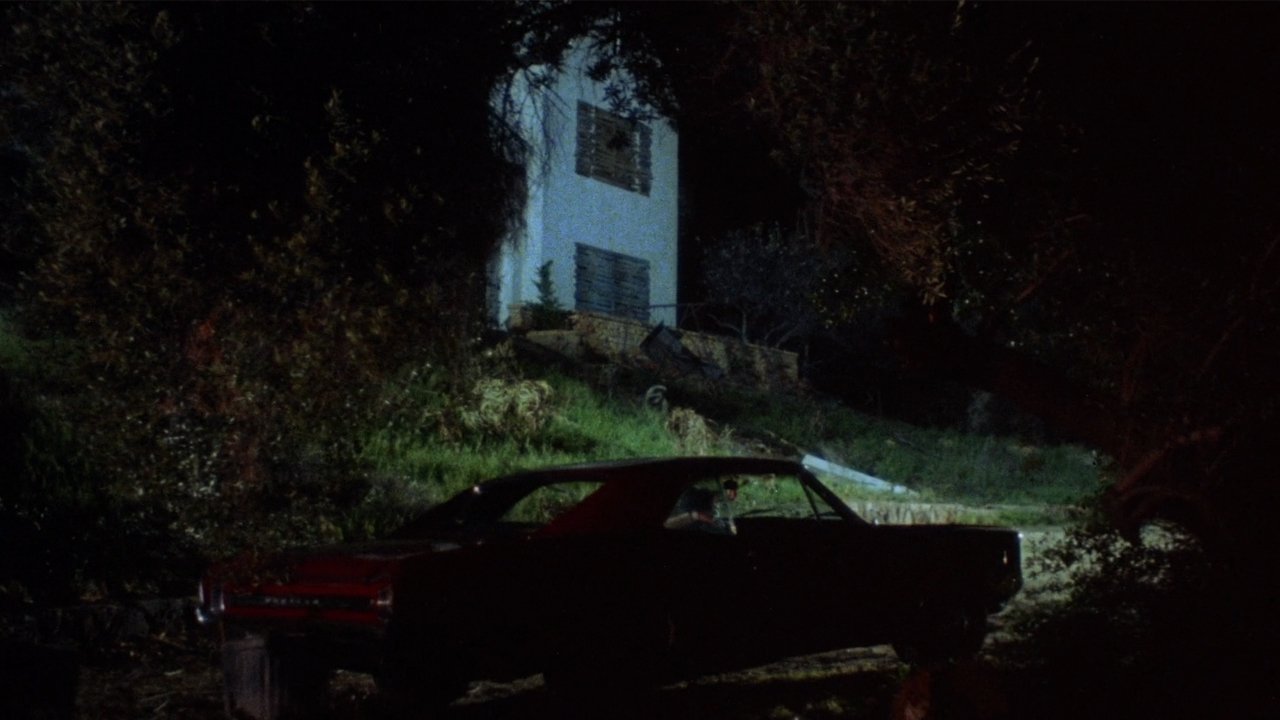
Beyond the Bloodshed
While the gore is memorable, Superstition offers more than just shock value. The central mystery surrounding the witch and the source of the killings maintains intrigue, blending elements of the slasher genre (initially suspecting a human killer in black gloves) with supernatural horror. Albert Salmi truly anchors the film; his Inspector Sturgess isn't just investigating murders, he seems personally offended and deeply disturbed by the evil unfolding, bringing a gravitas that elevates the material. His weary, almost haunted performance is a standout. James Houghton provides a solid, if somewhat standard, sympathetic lead as the clergyman caught in the crossfire.
The score, often pulsating and eerie, effectively ramps up the tension during key sequences, complementing the gloomy visuals. It’s not subtle, but it perfectly matches the film's aggressive approach to horror. It’s a film that, despite its B-movie roots and occasional narrative rough edges, commits fully to its dark premise. It’s a grim, relentless piece of work that aimed to disturb, and largely succeeded.
The Verdict from the Vault
Superstition isn't high art, and it certainly has moments where the budget limitations show. The plot takes a few convenient turns, and some character motivations feel thin. But what it lacks in polish, it more than makes up for in atmosphere, sheer audacity, and some truly unforgettable practical gore effects. It perfectly captures that early 80s intersection of supernatural horror and slasher sensibilities, delivering a potent dose of video nasty thrills. It’s grim, mean-spirited, and surprisingly effective even today, especially if you appreciate the artistry of old-school splatter. Finding this tape felt like unearthing forbidden fruit back then, didn't it?
Rating: 7/10
Justification: The score reflects the film's undeniable strengths in atmosphere, memorable practical gore effects, and Albert Salmi's strong performance. It's a genuinely unsettling and effective cult horror piece. Points are deducted for some uneven pacing, occasional plot contrivances, and elements that haven't aged as gracefully as its core chills.
Final Thought: Superstition remains a potent slice of early 80s horror grime – a film that reminds you why certain houses should just stay condemned and why messing with alleged witch curses is never, ever a good idea. It's a brutal, effective shocker that earned its place on the dusty shelves of VHS Heaven.