Okay, fellow tapeheads, let's rewind to a time when finding something unexpected on the video store shelf felt like striking gold. Forget the usual action or slasher flick for a moment. Remember stumbling across that slightly worn VHS box, maybe tucked between louder comedies, featuring John Belushi… but looking surprisingly… serious? That tape was likely 1981’s Continental Divide, a film that felt like a fascinating detour even back then, and one that holds a unique, slightly bittersweet charm today.
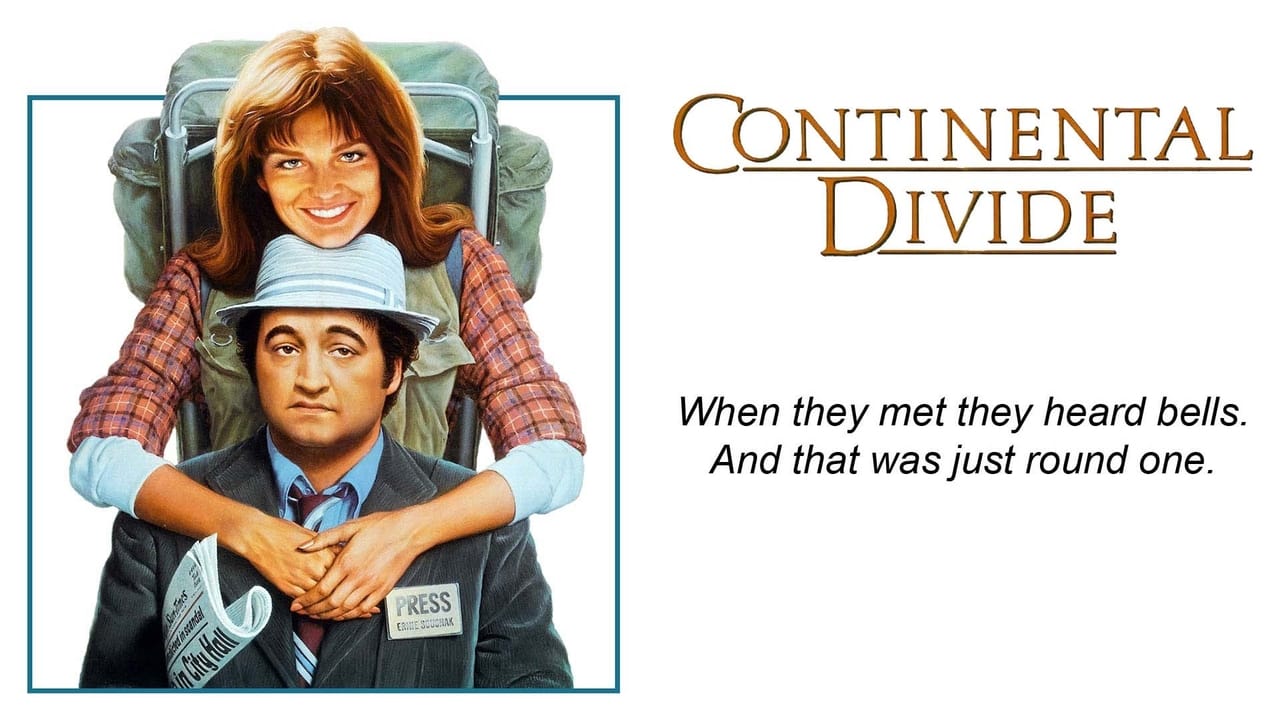
It kicks off not with explosions, but with the clatter of typewriters and the gritty energy of Chicago journalism. We meet Ernie Souchak (John Belushi), a tough, chain-smoking newspaper columnist known for digging into city corruption. He’s pure urban animal, fueled by coffee, deadlines, and righteous indignation. After ruffling some serious feathers (and getting roughed up for his trouble), his perpetually exasperated editor (Allen Garfield, perfectly cast) sends him packing to the remote Rocky Mountains to lay low and, ostensibly, interview a reclusive ornithologist.
### City Mouse, Mountain Hermit
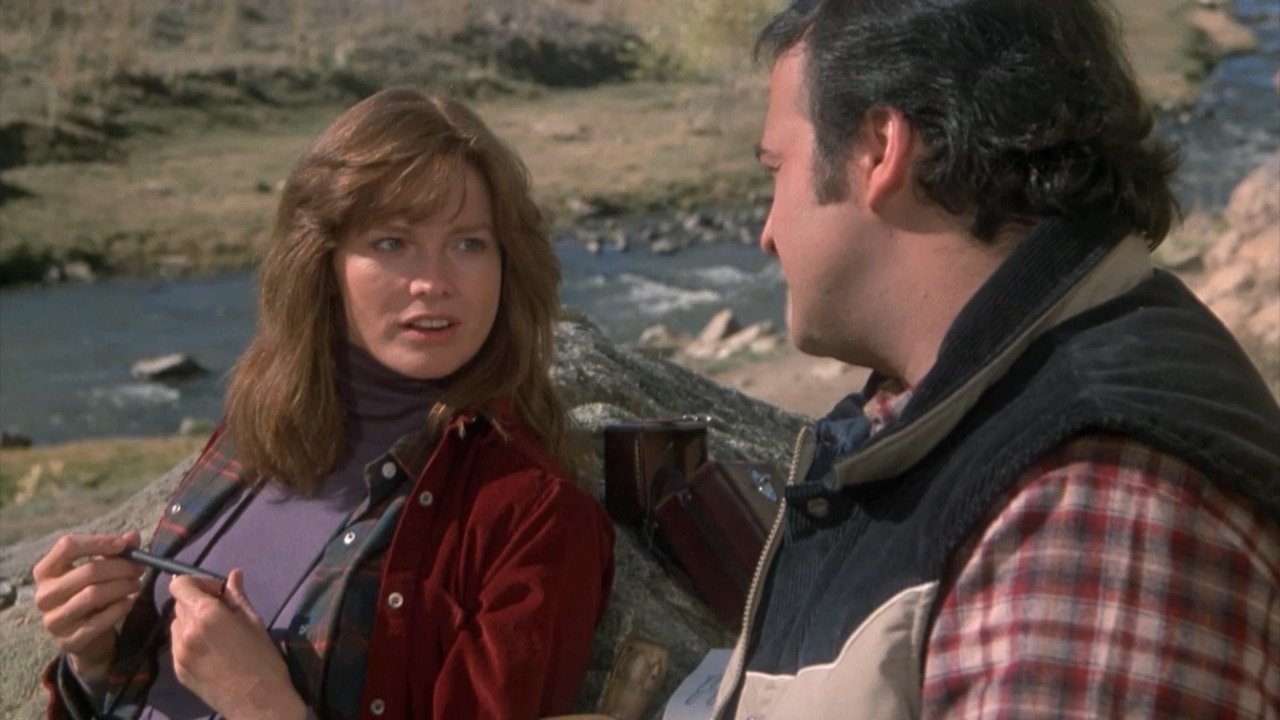
The culture shock is immediate and played not just for laughs, but for genuine character contrast. Souchak, nursing cracked ribs and bewildered by the lack of decent corned beef, hikes into the wilderness to find Dr. Nell Porter (Blair Brown). She’s fiercely independent, deeply committed to studying endangered bald eagles, and has absolutely zero time for some loudmouth city slicker disrupting her isolated research station. Blair Brown is simply fantastic here – intelligent, capable, and radiating a quiet strength that makes her more than a match for Belushi’s bluster. Their initial clashes are sharp, witty, and feel grounded in their opposing worlds.
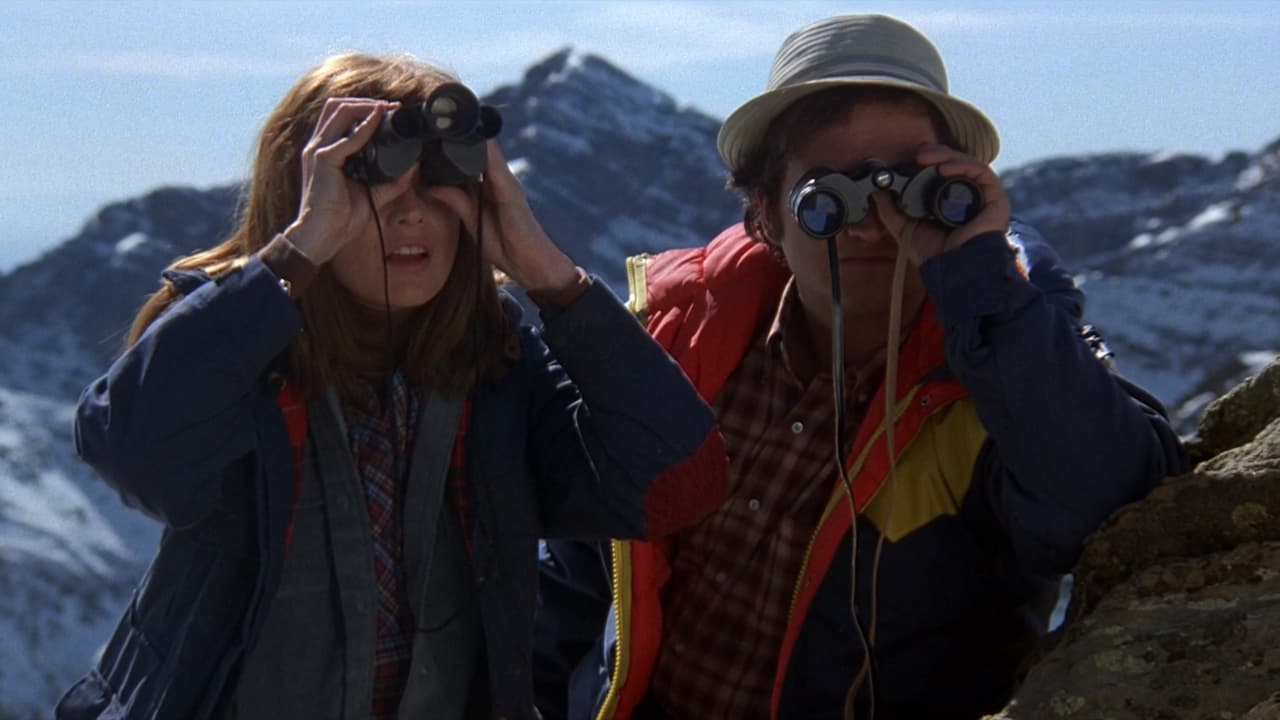
This wasn't your typical slapstick Belushi vehicle, and that was entirely the point. It’s a well-known piece of trivia that Belushi actively sought out this role, hoping to showcase a different side of his talent beyond the wild-man antics of Animal House or The Blues Brothers. He reportedly even made efforts towards sobriety during the production, wanting to prove he could handle dramatic material. While flashes of his comedic timing inevitably peek through, his performance here is more restrained, revealing Souchak’s vulnerabilities beneath the tough exterior.
### Real Mountains, Real Chemistry
Directed by the versatile Michael Apted (known for everything from the Up documentary series to the Bond film The World Is Not Enough), the film benefits enormously from its authentic locations. Forget green screens; the production actually filmed in the rugged, breathtaking landscapes of the Colorado Rockies (and Washington state). You can almost feel the chill in the air, the vastness of the wilderness swallowing Souchak whole. This commitment to realism gives the film a texture and weight often missing from modern, glossier romantic comedies. Remember how real those mountain vistas looked on a slightly fuzzy CRT? That wasn't just nostalgia; it was solid, on-location filmmaking.
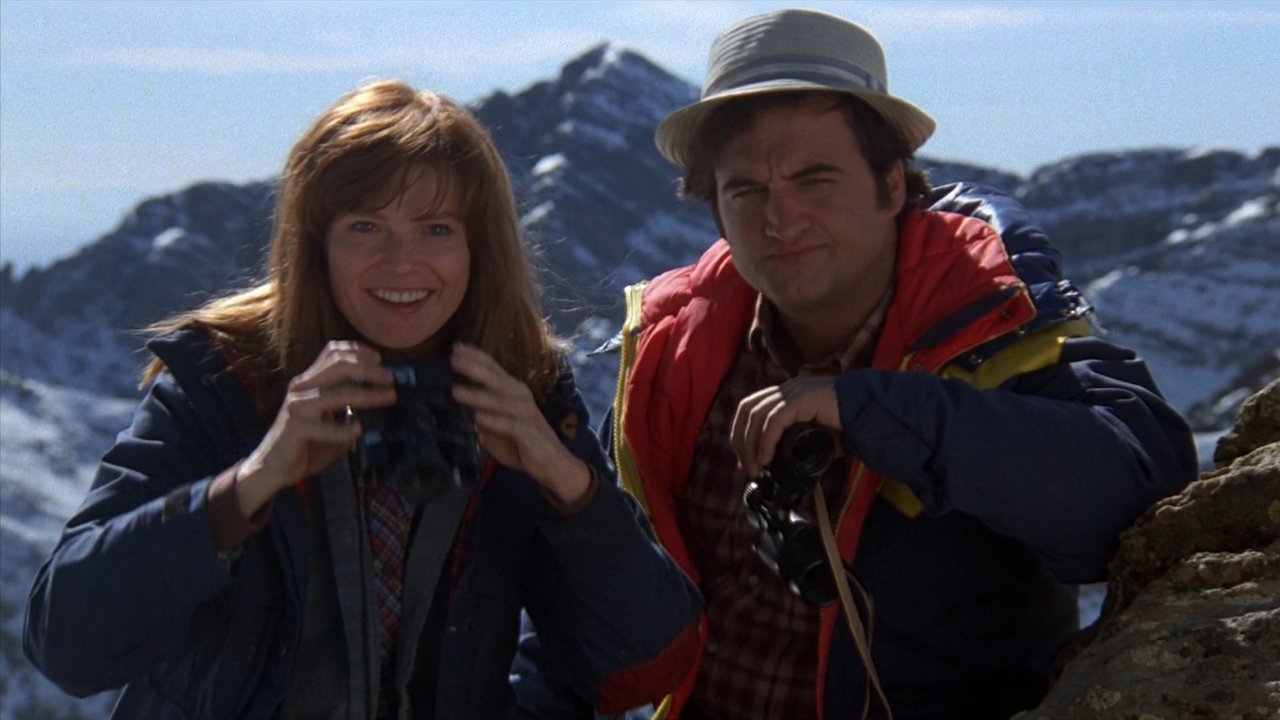
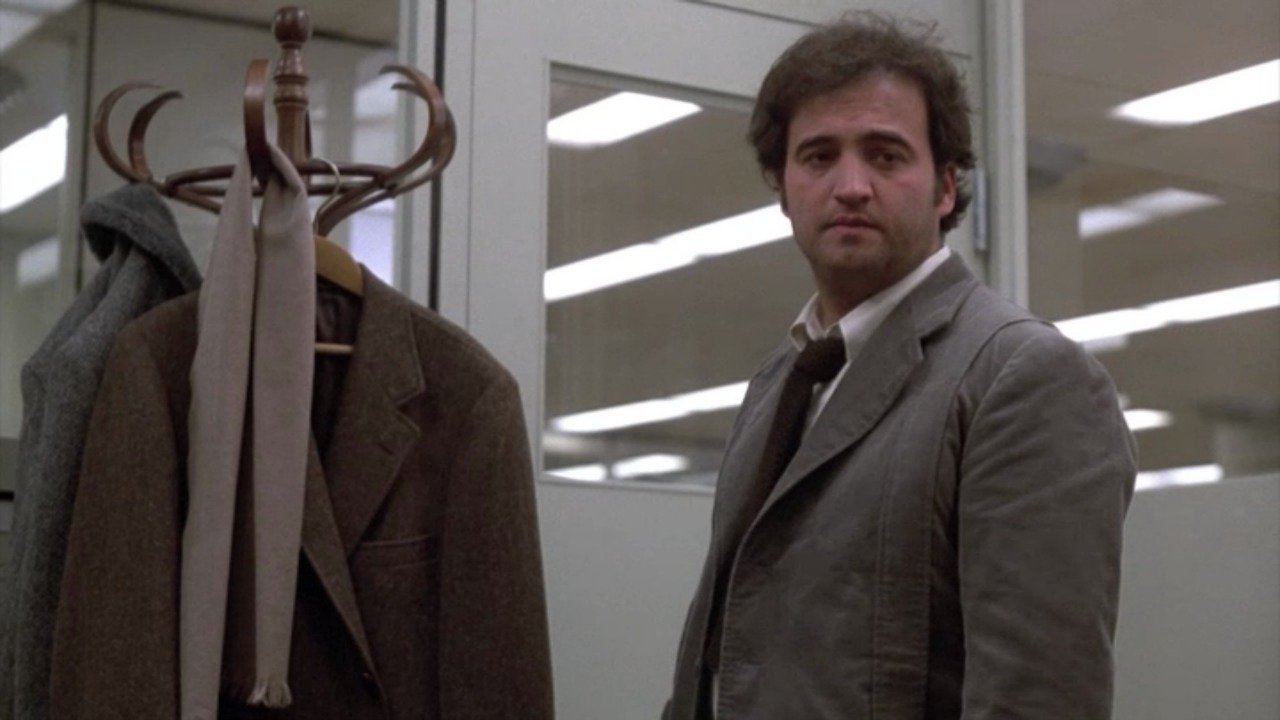
The script, penned by a young Lawrence Kasdan before he blew us all away with Raiders of the Lost Ark and The Empire Strikes Back, provides a solid foundation. Fun fact: Continental Divide was actually one of the very first productions from Steven Spielberg’s then-new Amblin Entertainment banner, though Spielberg served as executive producer rather than director. Kasdan’s dialogue crackles, especially in the early scenes, capturing the distinct voices of both the cynical journalist and the dedicated scientist.
The romance that inevitably blossoms between Ernie and Nell feels earned precisely because they are such different people from such different worlds. It’s less about grand, sweeping gestures and more about the gradual breaking down of defenses, finding common ground amidst the eagles and the isolation. Their connection feels refreshingly adult, acknowledging the logistical nightmares of their respective lives even as they fall for each other.
### A Different Kind of Belushi Legacy
Upon release, Continental Divide received a somewhat mixed reception. Critics weren't always sure what to make of this more subdued Belushi, and audiences perhaps expecting another comedic riot found something quieter and more character-driven. It performed modestly at the box office (around $15.6 million on an estimated $12 million budget – respectable, but not a blockbuster). Yet, looking back through the lens of VHS nostalgia, it stands out. It’s a reminder of Belushi’s potential range, tragically cut short just a year later.
It’s not a perfect film; the pacing occasionally dips, and the plot mechanics sending Ernie back and forth feel a little convenient. But the core relationship, the stunning scenery, and the chance to see Belushi stretch himself make it a truly worthwhile watch. It possesses a gentle sincerity and a belief in the power of connection across seemingly insurmountable divides.
VHS Heaven Rating: 7/10
Justification: While not a flawless classic, Continental Divide earns its points for featuring a surprisingly nuanced performance from John Belushi, sparkling chemistry with the excellent Blair Brown, sharp dialogue from Lawrence Kasdan, and Michael Apted's grounded direction that makes great use of real, stunning locations. It’s a charming, character-driven romantic dramedy that felt unique in its time and offers a poignant glimpse of what might have been for its leading man.
Final Thought: A surprisingly tender trip in the way-back machine, Continental Divide proves that sometimes the most interesting journeys happen when you step completely outside your comfort zone – both for the characters on screen and the comedy legends playing them. Definitely worth digging out of the archive.