Okay, pop that tape in, ignore the tracking lines for a second, and settle in. We're diving deep into Albert Brooks' brilliantly uncomfortable world with 1981's Modern Romance. Forget your typical rom-com meet-cutes and grand gestures; this film is the cinematic equivalent of picking at a scab – painful, compulsive, yet somehow utterly captivating. It kicks off not with budding love, but with a brutal breakup, setting the stage for one of the most hilariously accurate portrayals of obsessive neurosis ever committed to celluloid.
### Breaking Up is Hard (and Hilarious) To Do
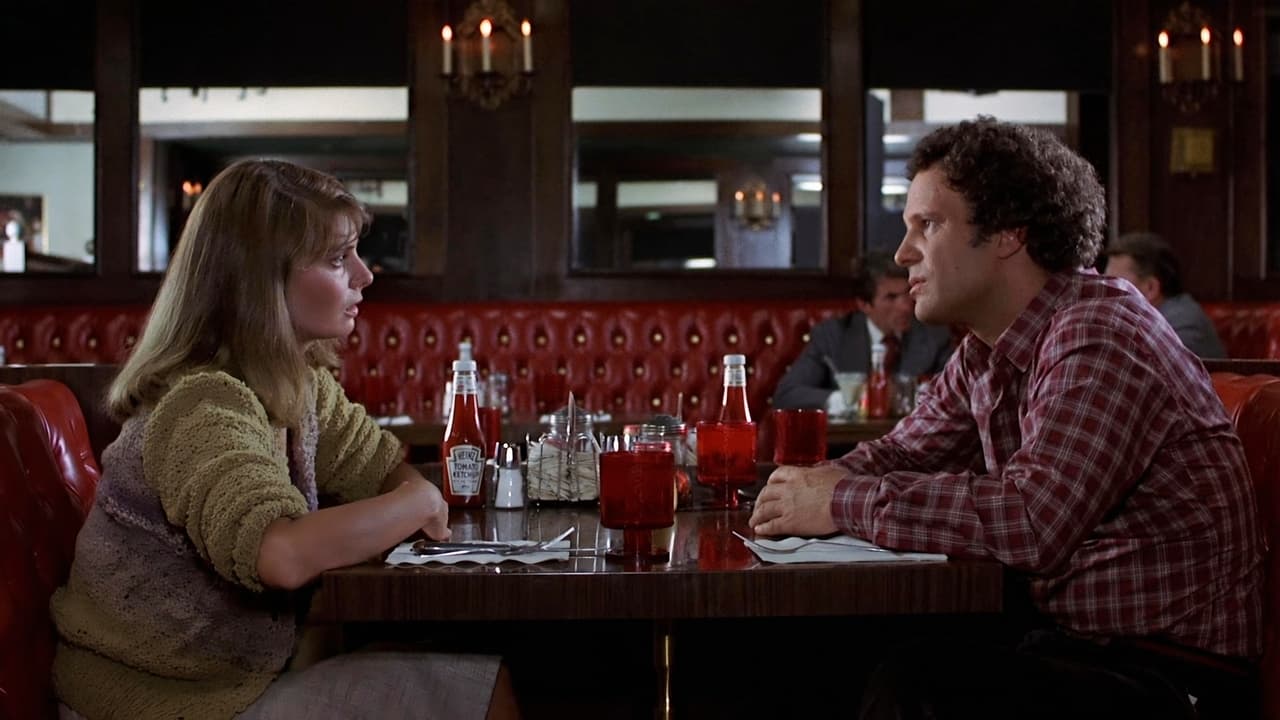
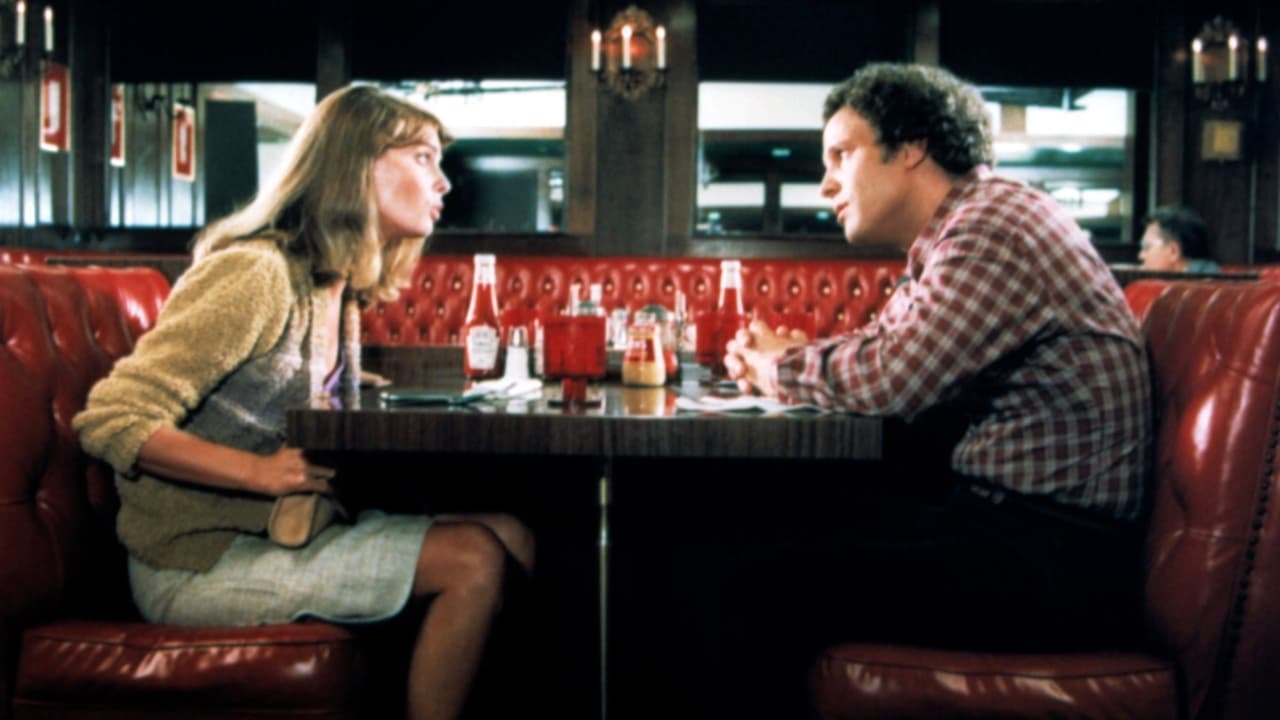
Right from the jump, Brooks, pulling triple duty as writer, director, and star Robert Cole, establishes a tone that’s less ha-ha funny and more ‘oh god, I know someone like this… or maybe I’m someone like this?’ funny. Robert, a film editor working on a schlocky sci-fi movie, dumps his patient, lovely girlfriend Mary (a perfectly cast Kathryn Harrold) with a clinical precision that’s instantly recognizable as profound self-sabotage. What follows isn't a journey of self-discovery, but a rapid descent into jealousy, paranoia, and desperate attempts to win her back, interspersed with misguided attempts to 'move on'.
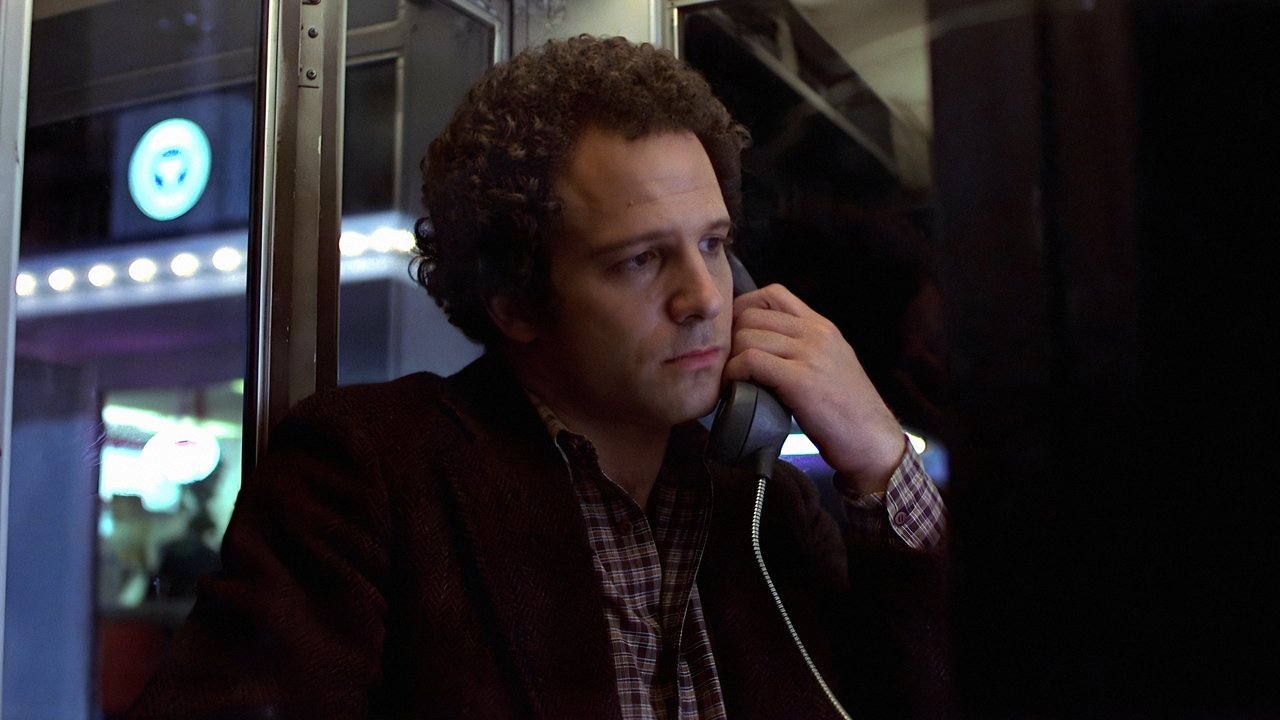
Brooks masterfully uses the mundane to amplify the absurdity. Robert’s life isn’t glamorous; it’s filled with tedious editing sessions (more on those later), awkward phone calls, and solitary moments stewing in his own anxiety. Watching this on VHS, perhaps late at night, felt less like escapism and more like eavesdropping on someone’s therapy session, albeit one punctuated by moments of sheer comedic genius. Remember the agonizing sequence where Robert, high on Quaaludes, tries to operate his telephone answering machine? It’s pure cringe-comedy gold, stretched to an almost unbearable length, showcasing Brooks' knack for finding humor in profound discomfort.
### The Craft of Neurosis
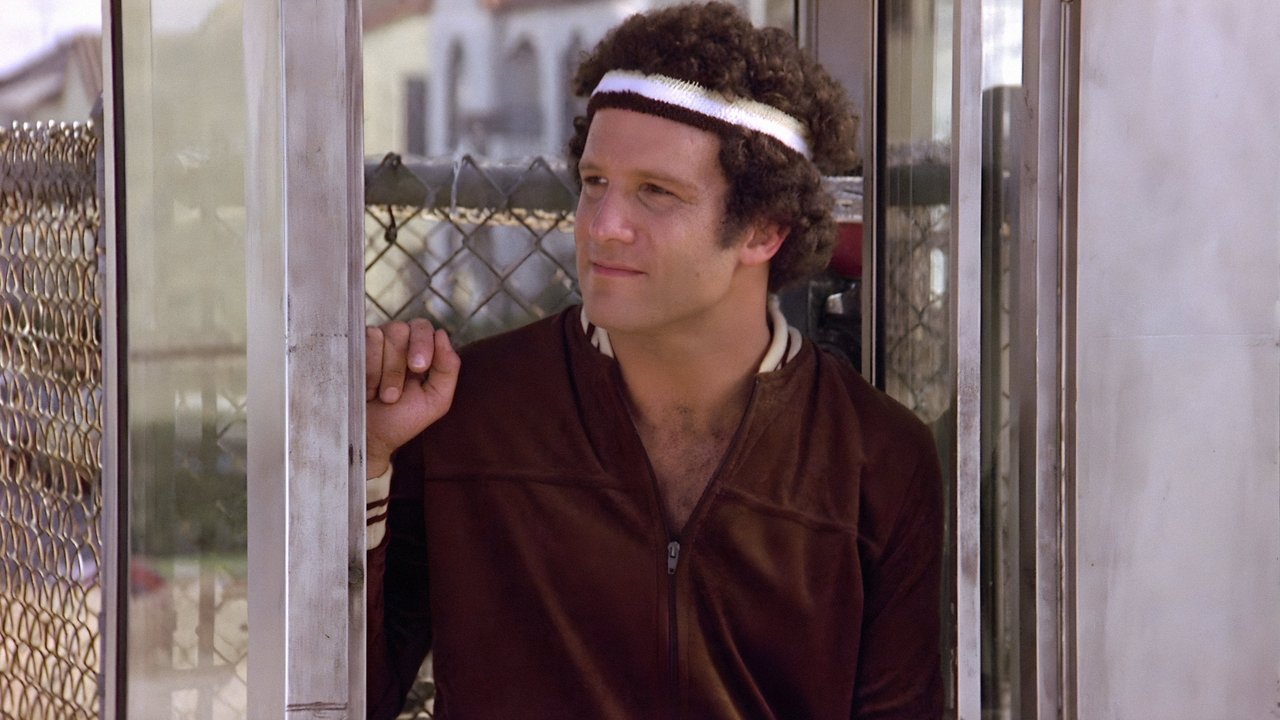
While not an action flick packed with explosions, the craft here is undeniable, especially for cinephiles. Brooks, famously meticulous, gives us extended scenes inside Robert's actual workplace – a film editing suite. Retro Fun Fact: Brooks insisted on realism, using actual Moviola machines and Steenbeck flatbeds. Those scenes where Robert painstakingly cuts together cheesy laser effects and bad dialogue weren't faked; Brooks and his team were genuinely working with the equipment, lending an incredible authenticity to his character's profession and, metaphorically, his attempts to 'edit' his own life and relationships. It’s a fantastic representation of the pre-digital editing grind, a tactile process that feels worlds away from today's drag-and-drop software.
The supporting cast shines, particularly the late, great Bruno Kirby as Jay, Robert’s perpetually exasperated co-editor and reluctant confidante. Kirby, who we’d later adore in films like When Harry Met Sally..., grounds Robert’s flights of fancy, acting as the audience's surrogate eye-roller. Their scenes together crackle with the energy of two people who know each other far too well. Kathryn Harrold also deserves immense credit for making Mary more than just a long-suffering girlfriend; she imbues her with a warmth and intelligence that makes Robert’s inability to treat her right all the more frustrating (and funny).
### An Editor's Obsession
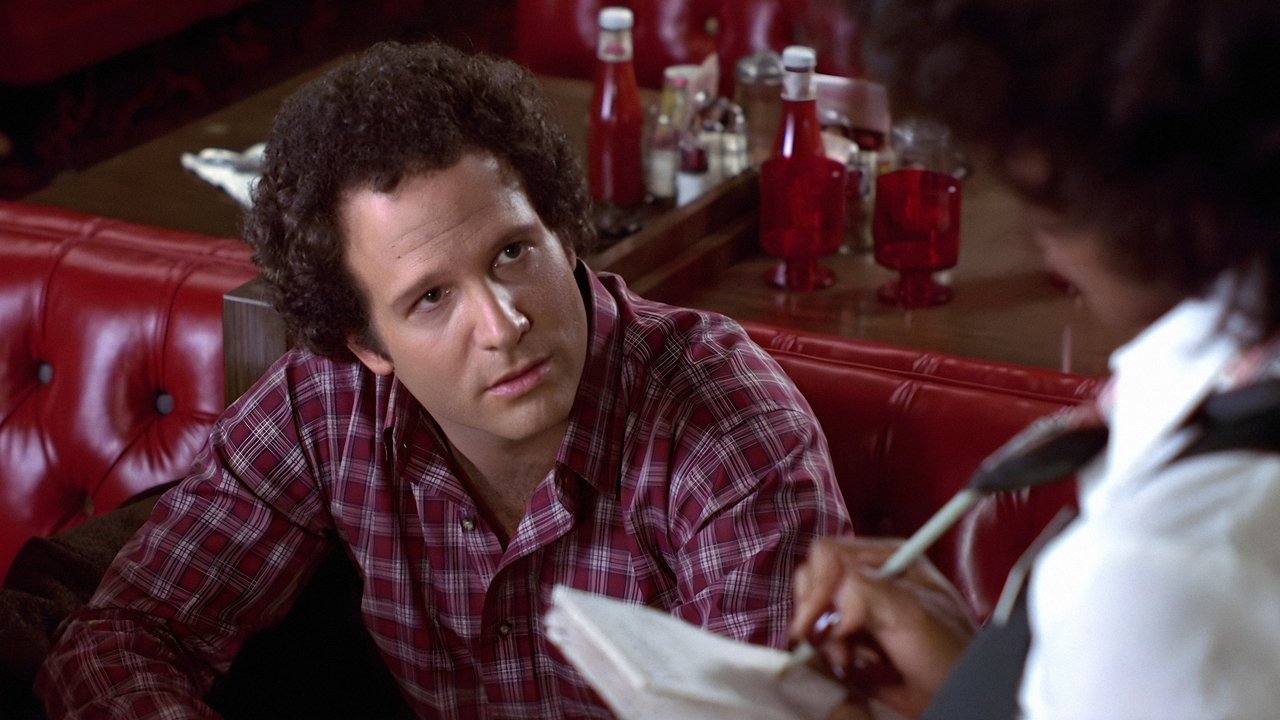
The film doesn't shy away from Robert's deep flaws. He’s controlling, self-absorbed, and capable of breathtaking emotional cruelty, often immediately followed by pathetic groveling. Yet, Brooks makes him weirdly… relatable? Maybe not entirely likeable, but his anxieties about commitment, his professional frustrations, his tendency to overthink everything – these felt piercingly real in 1981 and, frankly, haven't aged a day. Another Retro Fun Fact: Stanley Kubrick, himself a notorious perfectionist, was reportedly a huge fan of Modern Romance, supposedly watching it multiple times. Praise doesn't get much higher than that!
Despite critical appreciation upon release, Modern Romance wasn't a box office smash (it reportedly cost around $4 million and made a modest return initially). Like many great character studies, it found its devoted audience later, particularly on home video, where viewers could appreciate its sharp writing and Brooks’ singular comedic voice away from the pressure of opening weekend numbers. It’s a film that rewards patience, allowing Brooks’ particular brand of observational humor and psychological insight to slowly work its magic. The soundtrack, featuring hits like Joe Cocker's "You Are So Beautiful," is often used ironically, highlighting the chasm between romantic ideals and Robert’s messy reality.
### Still Relevant After All These Tapes?
Modern Romance holds up remarkably well. Its insights into relationship dynamics, insecurity, and the sheer exhausting effort involved in maintaining love (or desperately trying to reclaim it) feel timeless. Brooks' performance is a masterclass in sustained comedic anxiety, and his direction is confident and refreshingly unhurried. It might lack the pyrotechnics of other early 80s favorites, but its emotional explosions are just as impactful. Watching it now evokes that feeling of discovering a hidden gem on the video store shelf – something smarter, weirder, and more honest than the cover art might suggest.
Rating: 8.5 / 10
Justification: This score reflects the film's brilliant writing, Brooks' iconic performance, its unflinching (and hilarious) look at relationship neurosis, and its status as a cult classic. It’s a near-perfect execution of a very specific, uncomfortable comedic vision. It loses a point perhaps for the sheer unlikeability of its protagonist potentially alienating some viewers, but its honesty and craft are undeniable.
Final Take: Forget the meet-cute, embrace the breakdown. Modern Romance is the anti-rom-com you didn't know you needed – a hilarious, squirm-inducing dissection of love and obsession that feels ripped straight from the anxieties of the VHS era, yet somehow is more relevant than ever. A true gem for the thinking viewer.