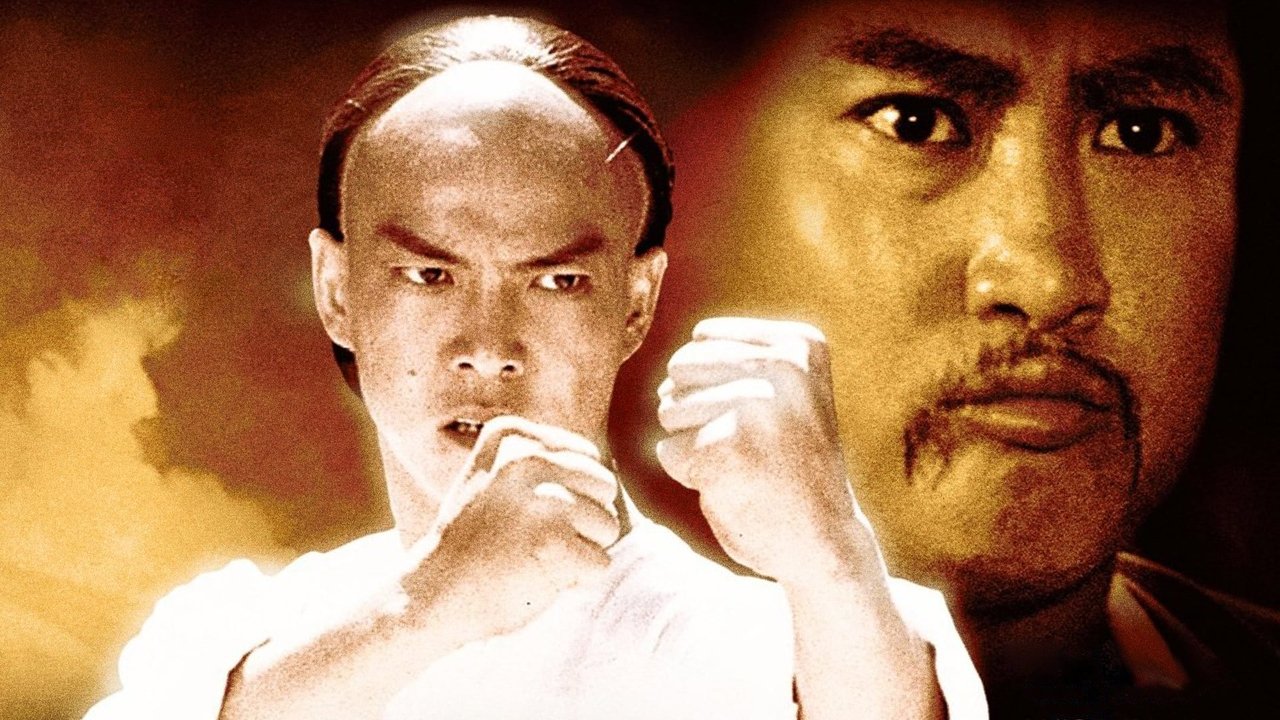
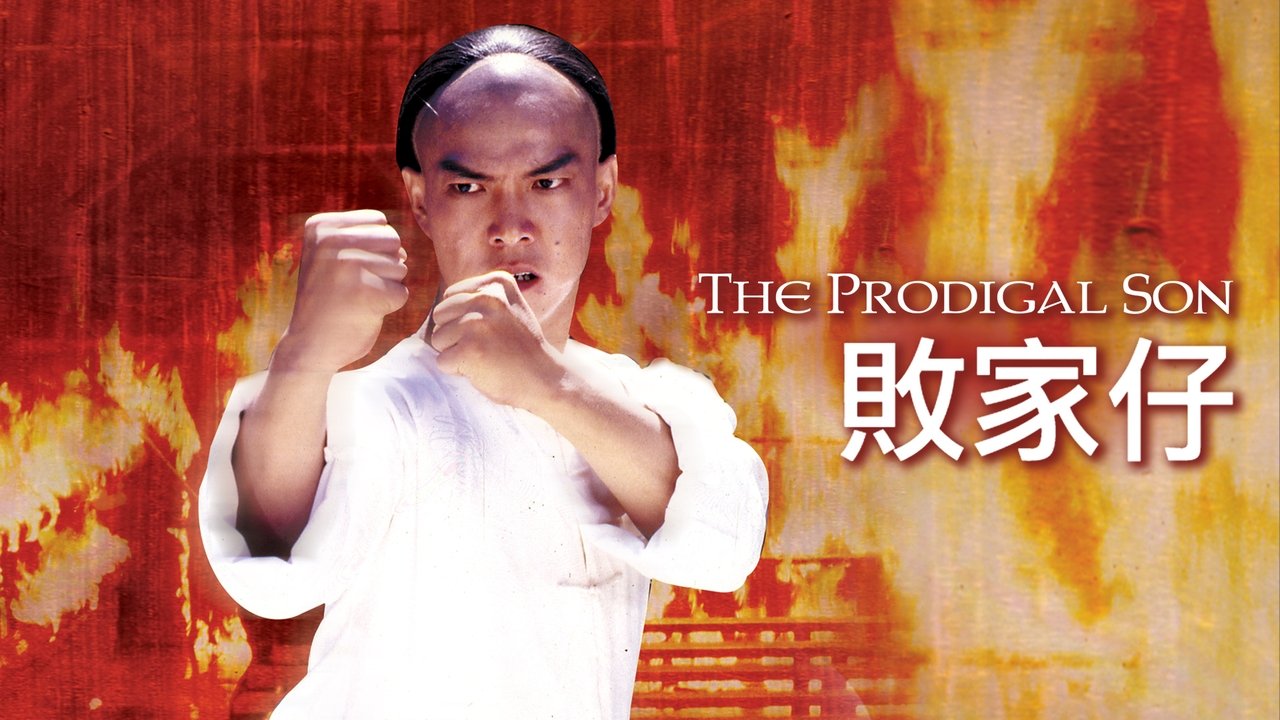
Alright folks, settle into that comfy armchair, maybe picture the faint hum of a CRT TV in the background. Let's talk about a tape that, if you were lucky enough to stumble upon it back in the day, probably blew your martial arts-loving mind. I'm talking about Sammo Hung's 1981 masterpiece, The Prodigal Son (released in some territories as Pull No Punches). This isn't just another kung fu flick; it's practically a love letter to the art of Wing Chun, wrapped in spectacular action and surprisingly affecting drama.
### More Than Just Punches
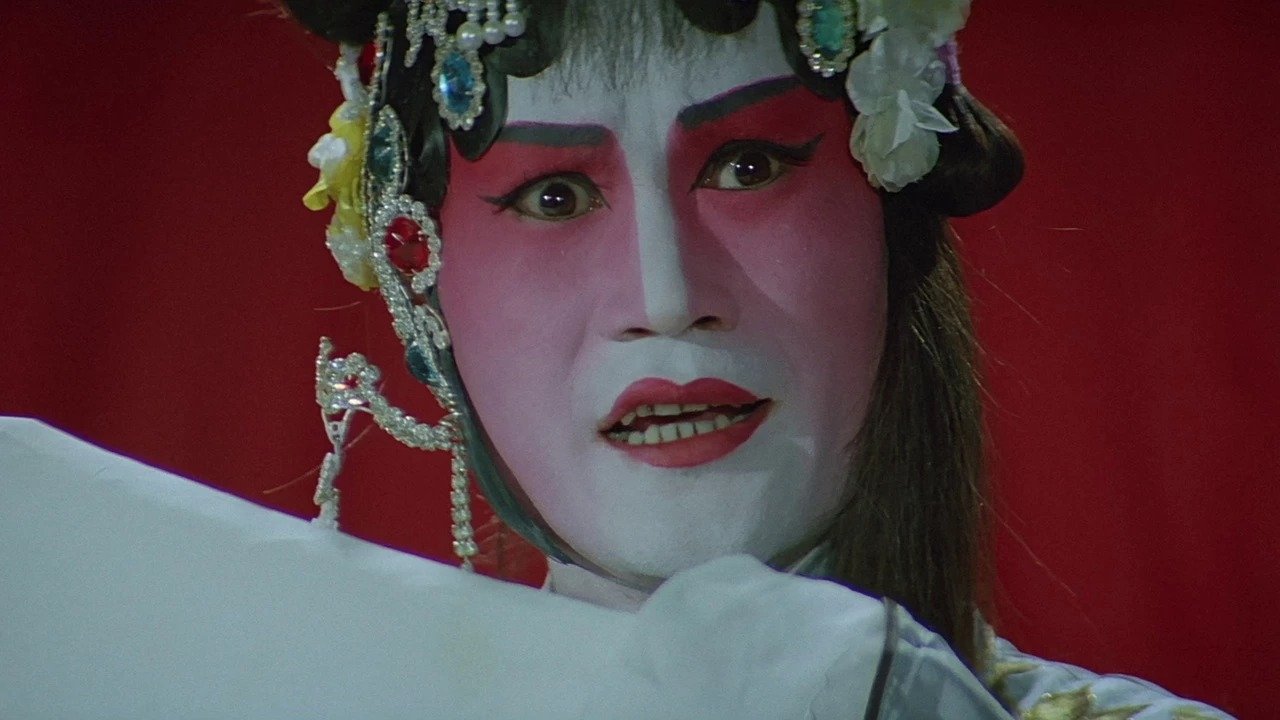
Forget your standard revenge plot for a moment. The Prodigal Son starts us off with Leung Jan (Yuen Biao), a wealthy young man in Foshan who fancies himself a top martial artist. The twist? He’s genuinely terrible, but his loyal servant Yee Tung-choi (Chan Lung) has been secretly bribing opponents to lose, protecting his master's ego (and body). The film has a light, almost slapstick touch initially, showcasing Sammo Hung's knack for blending comedy with action – a skill he honed directing films like Enter the Fat Dragon (1978). But the rug pull comes hard when Jan encounters the performers of a travelling Chinese opera troupe and gets thoroughly humbled by Leung Yee-tai (Lam Ching-ying), revealing the truth about his pampered existence.
This revelation pivots the film. Jan, stripped of his arrogance, becomes desperate to learn real kung fu. It’s a classic training narrative, but executed with such dedication and style. Finding this on VHS felt like unearthing something special – the slightly grainy picture somehow making the historical setting feel even more authentic.
### The Wing Chun Masterclass
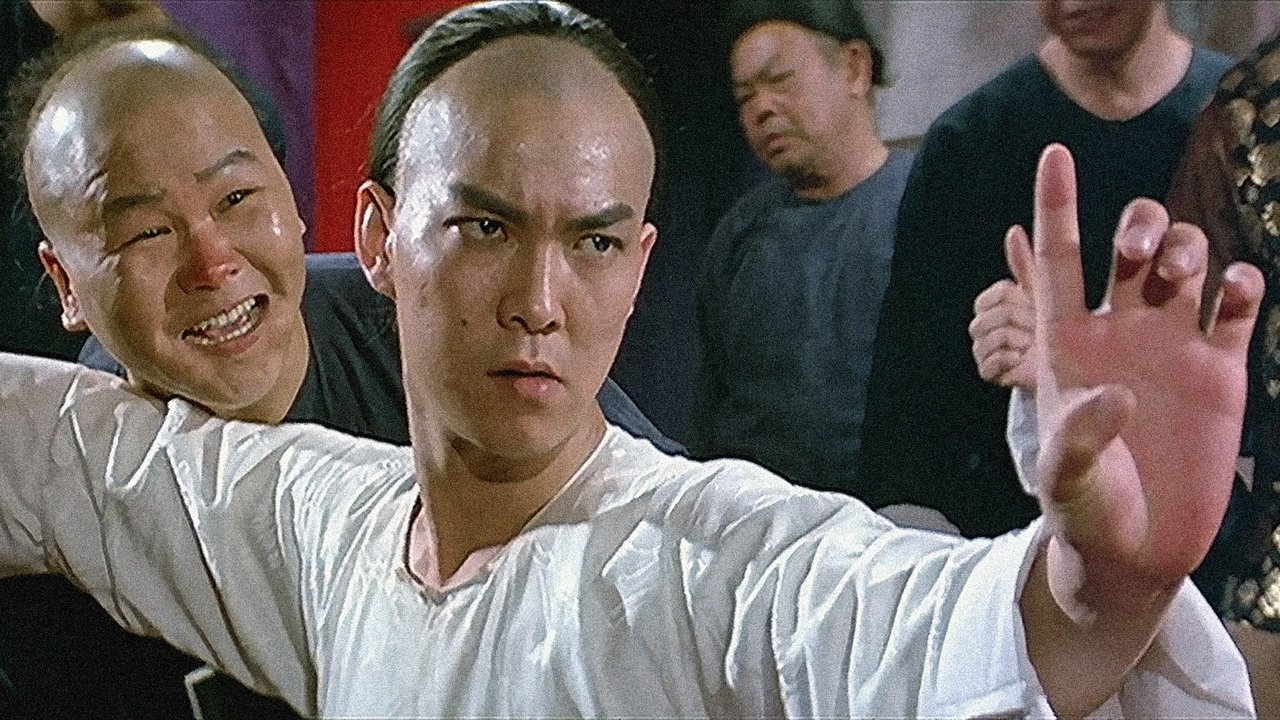
Let's get to the heart of it: the action. Oh man, the action! Directed by Sammo Hung (who also co-stars brilliantly as Wong Wah-bo, another Wing Chun master), the fight choreography here is simply breathtaking. This was the era of practical effects meaning real sweat, real impact, and performers putting their bodies on the line. Forget CGI trickery; the speed and complexity on display are purely down to the incredible skill of the actors and stunt team. Yuen Biao, one of the legendary "Three Dragons" alongside Jackie Chan and Sammo Hung from their Peking Opera days, is an absolute dynamo. His agility is astounding, moving with a grace and power that feels utterly genuine. Remember how real those training sequences looked? That's because Yuen Biao reportedly underwent intensive Wing Chun training specifically for this role, and it shows.
The film takes its time showcasing different facets of Wing Chun – from the intricate "sticky hands" (Chi Sao) training, designed to develop sensitivity and reflexes, to explosive short-range power generation. Sammo Hung, despite his size, moves with deceptive speed and precision as Wong Wah-bo, Jan's initial reluctant teacher. And Lam Ching-ying… wow. As the slightly effeminate opera performer Leung Yee-tai, he embodies Wing Chun's principles of economy of motion and simultaneous attack and defence. His fight scenes are fluid, elegant, and deadly serious. It’s fascinating to see him here, years before he became synonymous with the stern Taoist priest in the Mr. Vampire (1985) series. There's a rumour that Lam Ching-ying's opera character was based partly on a real figure, adding another layer of authenticity.
### Artistry Amidst the Action
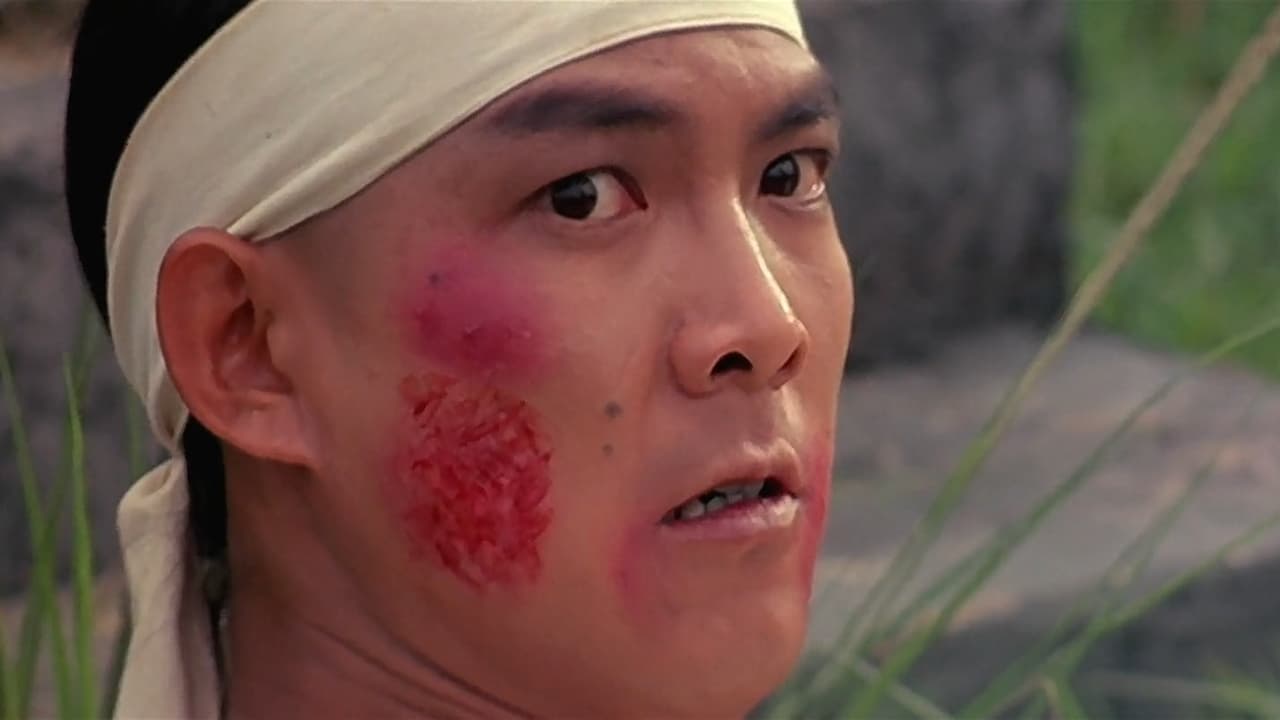
It's not just the fighting; the production itself feels rich. The sets, the costumes, particularly the vibrant Chinese opera scenes, give the film a visual texture often missing in lower-budget martial arts fare from the period. Sammo Hung wasn't just throwing punches on screen; he was crafting a visually compelling film. A fun retro fact: despite its complex choreography and period setting, the film was produced relatively efficiently, showcasing the well-oiled machine that the Golden Harvest studio could be during its peak.
The supporting cast is excellent, particularly Frankie Chan as Ngai Fai, the son of a Manchu duke and a highly skilled martial artist whose path inevitably crosses with Jan's. His final duel with Yuen Biao is a stunning display of intricate choreography and raw intensity, a brutal ballet that feels genuinely dangerous because, well, it probably was. The lack of quick cuts and the sustained takes emphasize the performers' stamina and skill. Watching it now, you appreciate the sheer physicality involved – something often masked by modern editing and digital augmentation.
### Legacy on Tape
The Prodigal Son wasn't a massive global phenomenon like some other martial arts films of the era, but within the kung fu community and among VHS collectors, it achieved legendary status. Critics at the time might have overlooked it, but audiences who found it knew they'd struck gold. It stands as one of the purest cinematic representations of Wing Chun, balancing educational elements with thrilling entertainment. It showed what Sammo Hung could do as a director – crafting character arcs and dramatic weight alongside jaw-dropping fights. It’s a testament to the golden age of Hong Kong action cinema, where innovation and physical prowess reigned supreme.
VHS Heaven Rating: 9/10
Justification: This rating reflects the film's near-perfect execution of its goals. The choreography is top-tier, arguably some of the best Wing Chun ever put on film. The performances from Yuen Biao, Sammo Hung, and Lam Ching-ying are iconic within the genre. It blends humour, drama, and incredible action seamlessly, anchored by Sammo Hung's masterful direction. While some comedic elements might feel dated to modern eyes, the sheer artistry and physical dedication on display elevate it far above typical martial arts fare. It loses a single point perhaps only for pacing in the initial act for those purely seeking non-stop action, but the build-up is essential.
Final Word: Forget wires and digital doubles; The Prodigal Son is a glorious, sweat-drenched testament to what happens when incredible martial artists and a visionary director commit to showing the real deal. A true gem from the analogue age, still dazzling today.