Okay, rewind your minds with me for a second. Picture the flickering glow of the CRT, the hum of the VCR whirring to life. You've picked up a tape, maybe the cover art caught your eye – bold colours, dynamic poses – promising pure, unadulterated kung fu chaos. If you were lucky, that tape was The Magnificent Butcher (or Lin shi rong, 1979), a film that technically predates our usual 80s/90s stomping ground but absolutely belongs in the pantheon of action classics that filled video store shelves and defined late-night viewing for a generation. This wasn't just another chop-socky flick; this was Sammo Hung truly stepping into the spotlight, guided by the legendary Yuen Woo-ping.
### More Than Just a Nickname
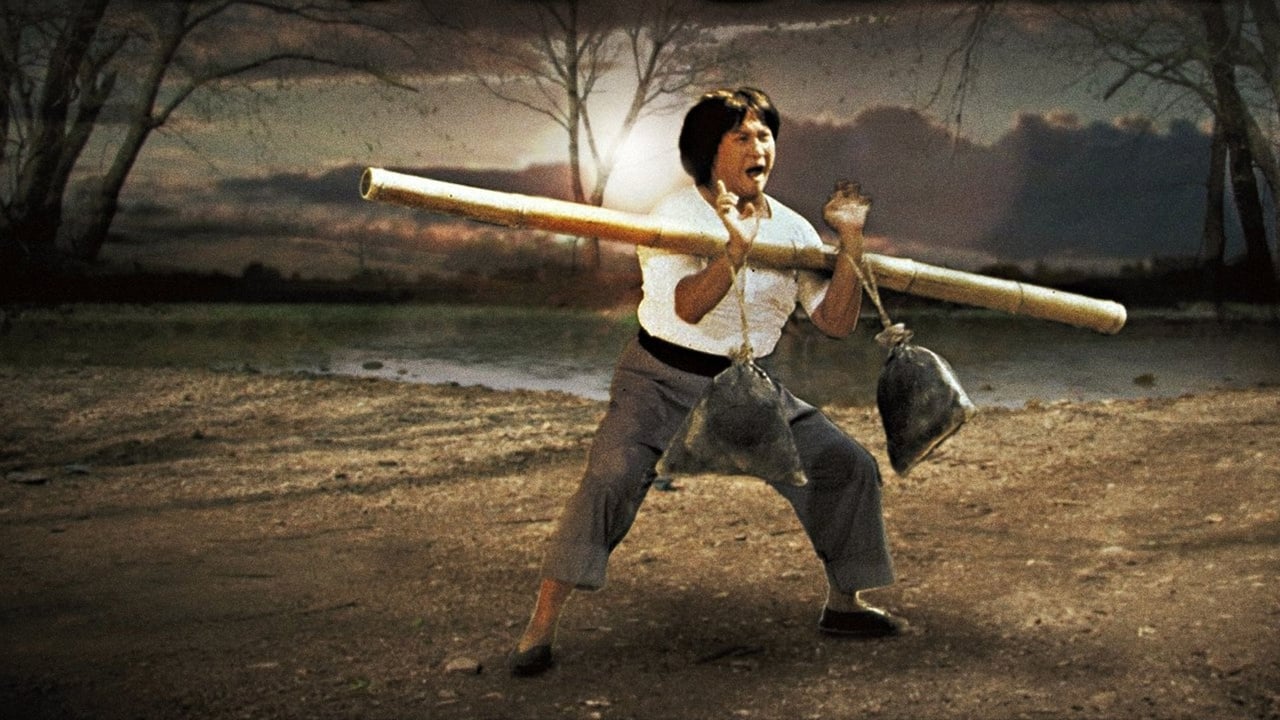
The setup is classic Golden Harvest goodness. We follow Lam Sai-wing, better known as Butcher Wing, brilliantly portrayed by the inimitable Sammo Hung. He’s a devoted, if somewhat clumsy and hot-headed, student of the revered folk hero Wong Fei-hung (played, naturally, by the legendary Kwan Tak-hing, who basically was Wong Fei-hung on screen for decades). Wing means well, but trouble follows him like flies on... well, you know. A case of mistaken identity involving his long-lost brother, Lam Sai-kwong (played by Sammo’s real-life opera school brother, Chiang Kam), and the machinations of the nefarious Ko Tai-hoi (Fan Mei-sheng) spiral into accusations, tragedy, and the absolute necessity for some face-smashing justice.
### Sammo Hung: A Masterclass in Motion
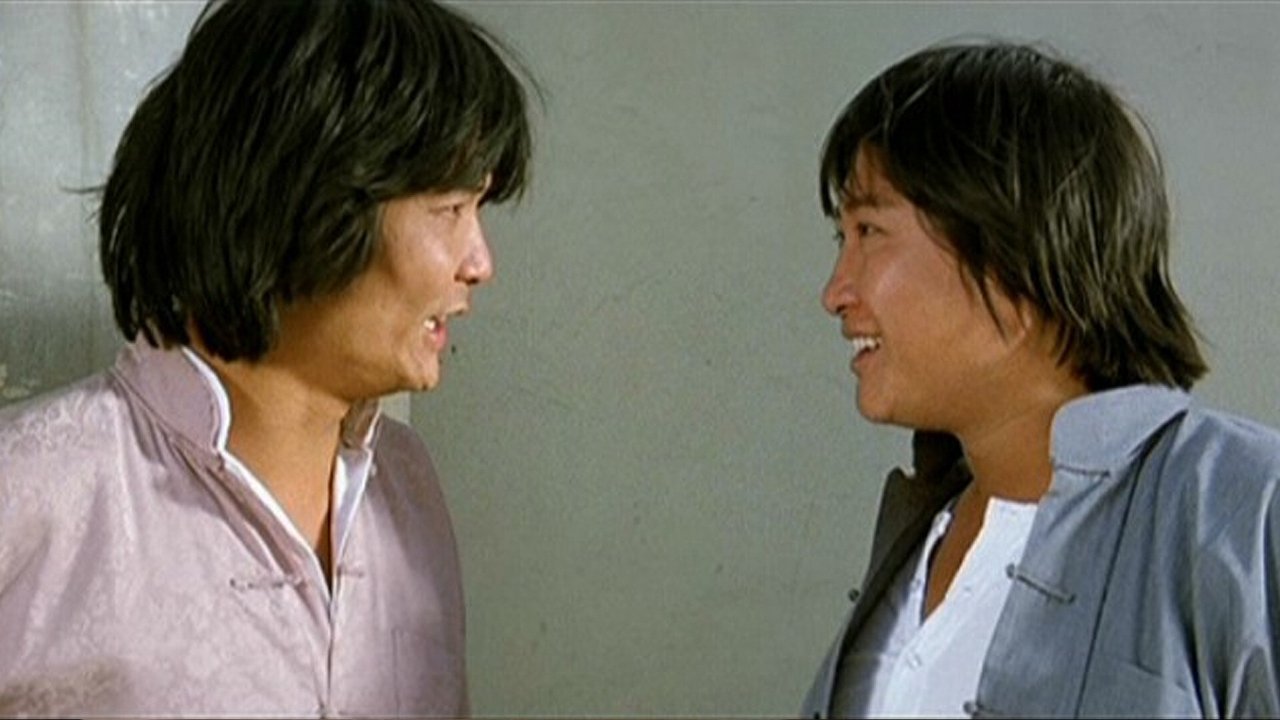
Let’s be clear: Sammo Hung is the main event here. Forget any preconceived notions about size and agility. Watching Sammo move in his prime is like witnessing a force of nature – balletic grace fused with piledriver power. He bounces, flips, twists, and strikes with blinding speed and precision. His comedic timing is impeccable, bringing genuine laughs in the film's lighter moments, often involving his exasperated Sifu. Retro Fun Fact: It’s fascinating to think that Sammo Hung was initially considered for the role of Beggar So in Yuen Woo-ping's breakout hit Drunken Master the previous year. While Yuen Siu-tien ultimately immortalized that role, it arguably paved the way for Sammo to explode as a leading man in films like this, proving he could carry a picture with his unique blend of martial arts mastery and screen presence. He doesn't just fight; he performs, embodying the character's frustrations, determination, and eventual fury.
### The Yuen Woo-ping Standard of Pain
And the fights! Oh, the glorious, intricate, wince-inducing fights. This is Yuen Woo-ping operating at the peak of his early creative powers, fresh off redefining the genre with Jackie Chan. Forget slick, wire-fu ballets (though there's some masterful wirework here) or CGI enhancement. The action in The Magnificent Butcher feels grounded, visceral, and incredibly demanding. Remember how real those hits looked back then? That's because the contact was often genuine, the timing had to be perfect, and the performers were pushing their physical limits. Retro Fun Fact: The sheer complexity of sequences like the famous calligraphy fight or the incredible multi-opponent brawl in the theatre required intense, repetitive drilling. These weren't just choreographed; they were physically ingrained through gruelling practice sessions, a hallmark of Hong Kong filmmaking from this golden era. The intricate choreography involving props – benches, poles, even writing brushes – is simply breathtaking. Compare the raw energy here to some of today's smoother, digitally-aided sequences; there's a palpable sense of danger and effort that's utterly captivating.
### Tonal Whiplash and Supporting Stars
The film isn't without its quirks, common for Hong Kong cinema of the time. The shifts between broad, sometimes goofy comedy (especially the misunderstandings and Butcher Wing's initial buffoonery) and moments of startling brutality can feel abrupt. One minute you're chuckling at slapstick, the next you're watching a genuinely nasty villain (Fan Mei-sheng plays Ko Tai-hoi with sneering menace) commit deplorable acts. But this tonal blend is part of the unique flavour. Special mention must go to Lee Hoi-sang as the hired assassin, whose final duel with Sammo is a masterclass in weapon-based combat – relentless, inventive, and utterly exhausting to watch (in the best way!). And having Kwan Tak-hing, who had already portrayed Wong Fei-hung over 70 times by this point, adds an incredible layer of authenticity and gravitas whenever he’s on screen. Retro Fun Fact: Kwan Tak-hing's portrayal was so iconic that his presence lent immediate legitimacy and historical weight, connecting Butcher Wing's story directly to the established Wong Fei-hung cinematic universe.
### Finding Gold on Grainy VHS
Released in 1979, The Magnificent Butcher was a significant hit in Hong Kong, further cementing Sammo Hung as a major star capable of anchoring his own blockbusters. It arrived in Western markets primarily through the burgeoning home video scene. Many of us likely first encountered Butcher Wing on a slightly fuzzy, perhaps poorly dubbed, VHS tape rented from a local store or traded amongst friends. That slightly degraded quality, the occasional tracking adjustment needed, somehow became part of the experience, adding to the feeling of discovering something raw and exciting from halfway around the world. It wasn't just a movie; it was a portal to a different kind of action filmmaking.
---
Rating: 9/10
This score is earned through sheer force of will – Sammo Hung's incredible physical performance, Yuen Woo-ping's genius-level choreography that still drops jaws today, and its status as a benchmark of the genre. While the comedic elements might feel dated or the tonal shifts jarring to some modern viewers, the action sequences remain utterly spectacular examples of practical stunt work and martial arts artistry at its zenith. It’s a testament to the skill, toughness, and creativity pouring out of Hong Kong cinema during this period.
Final Thought: Forget pixel-perfect digital warriors; The Magnificent Butcher is a glorious reminder of when kung fu felt like it could actually break bones – yours and the VCR's. A must-watch (or re-watch!) for anyone craving action with real impact.