Alright, rewind your minds with me. Pop that slightly battered cassette into the VCR, maybe give the tracking a little nudge. The year is 1978, but for many of us, the real discovery came a bit later, perhaps squinting through static late at night. We’re talking about Snake in the Eagle’s Shadow (蛇形刁手), a film that didn’t just entertain; it fundamentally shifted the landscape of Hong Kong action cinema and blasted a certain charismatic young performer into the stratosphere. Forget the stoic heroes for a moment; this was something different.
### From Punching Bag to Prodigy
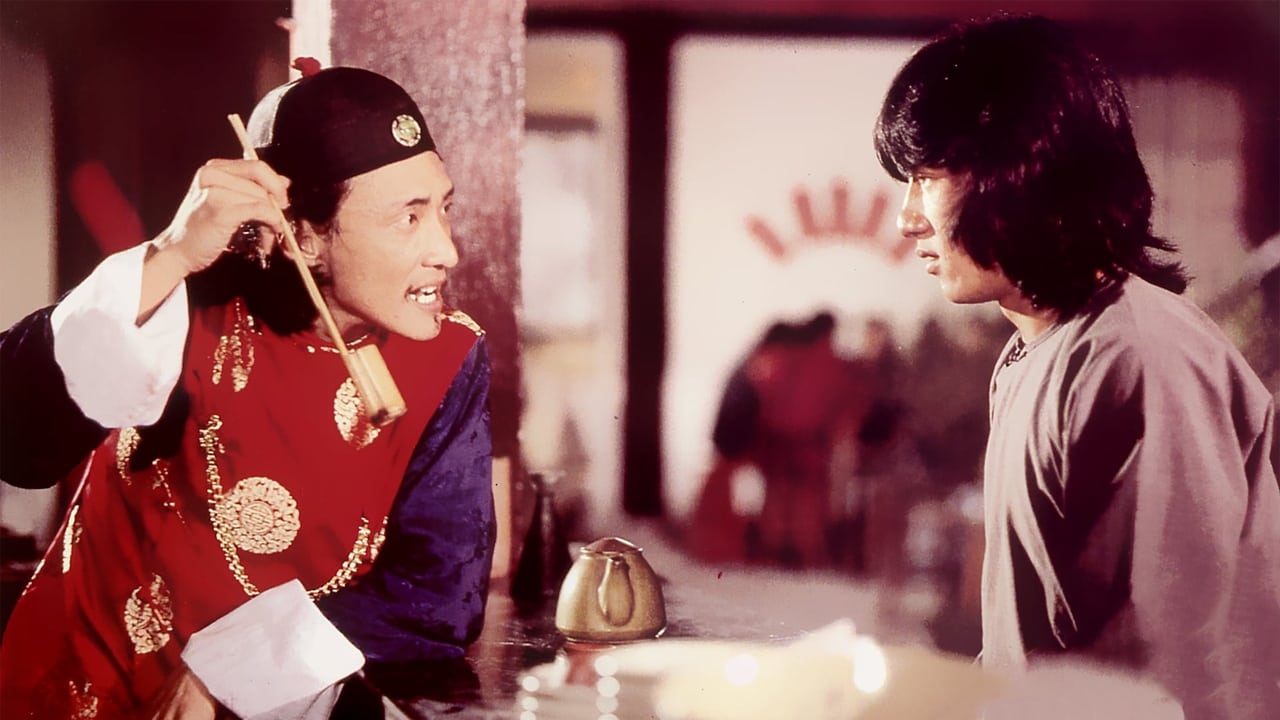
The setup is classic martial arts underdog fare: Jackie Chan, then still finding his cinematic feet after being awkwardly positioned as the "next Bruce Lee" by producer Lo Wei, plays Chien Fu. He’s an orphan, constantly bullied and used as a human training dummy at a kung fu school that clearly has no HR department. Chan sells the vulnerability beautifully – you genuinely feel for this poor kid getting smacked around. But beneath the bruises, there’s that spark of resilience, that flicker of physical comedy waiting to ignite. It was a gamble by Seasonal Film Corporation head Ng See-yuen (who also wrote the screenplay) to let Chan lean into his natural comedic timing, a gamble that paid off spectacularly.
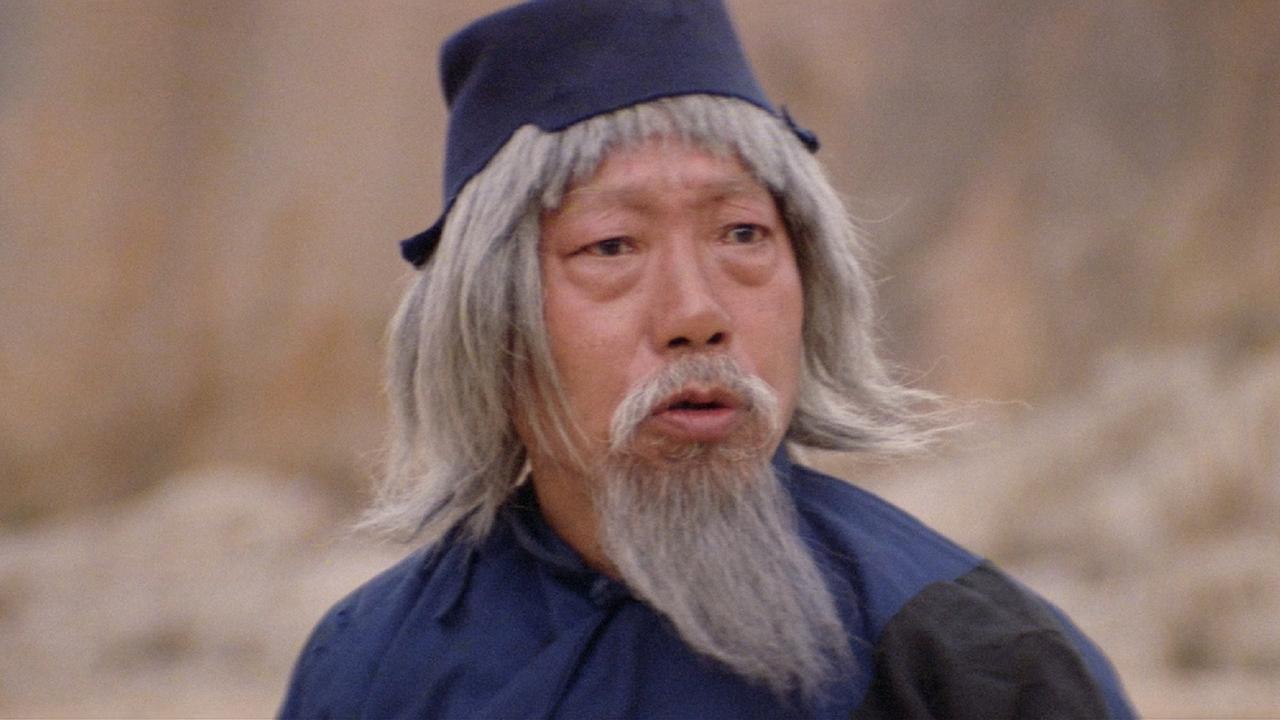
Enter Pai Cheng-Tien, played with glorious, cantankerous charm by Yuen Siu-tien (also known, wonderfully, as Simon Yuen). He’s the archetypal old, eccentric master disguised as a beggar, and he takes pity on Chien Fu. Yuen Siu-tien, who was actually the father of the film's director, Yuen Woo-ping, absolutely owns this role, creating an instant icon that he'd reprise shortly after in Drunken Master. The chemistry between Chan and Yuen is pure gold, their training sequences a blend of slapstick, genuine mentorship, and increasingly complex Snake Fist techniques.
### The Birth of a Legend (and a Style)
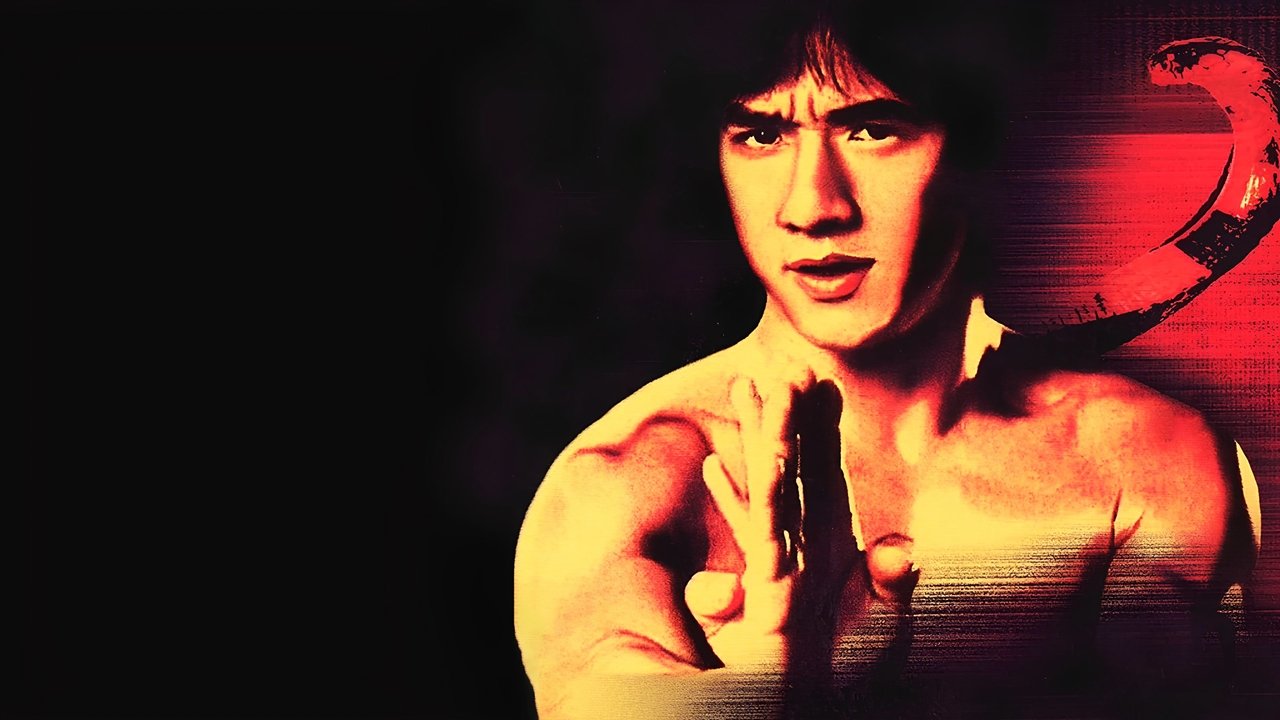
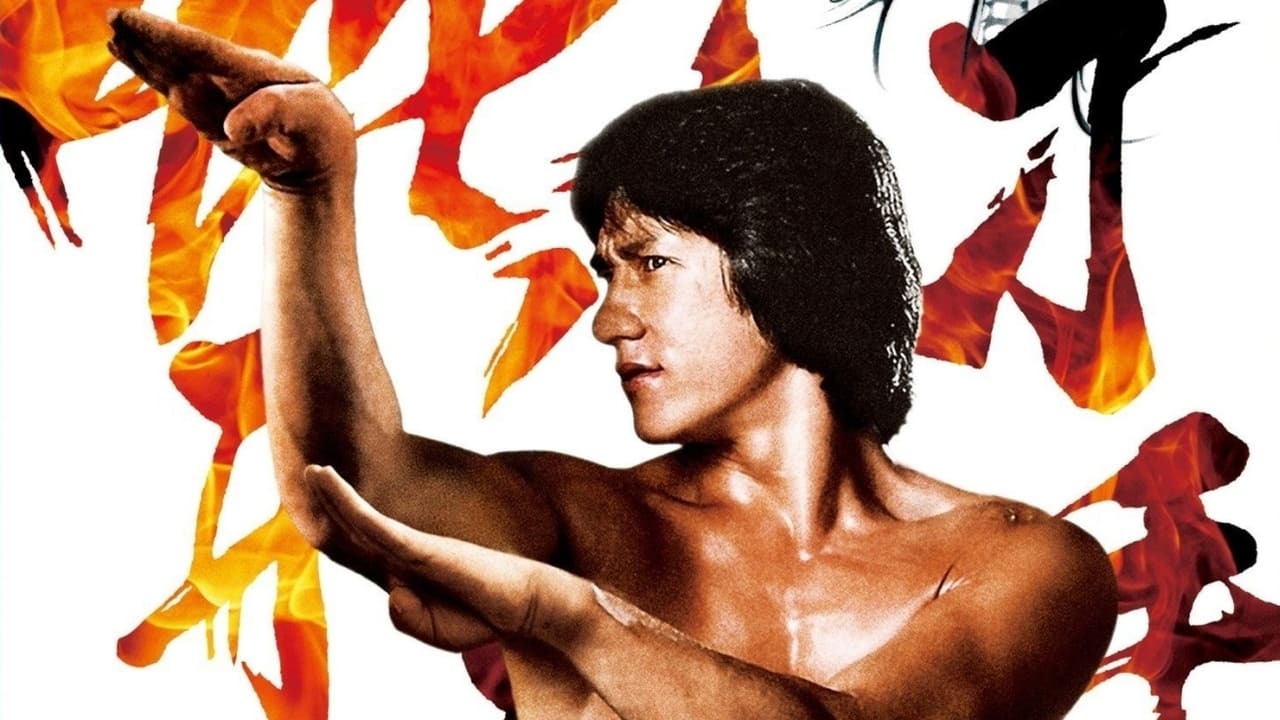
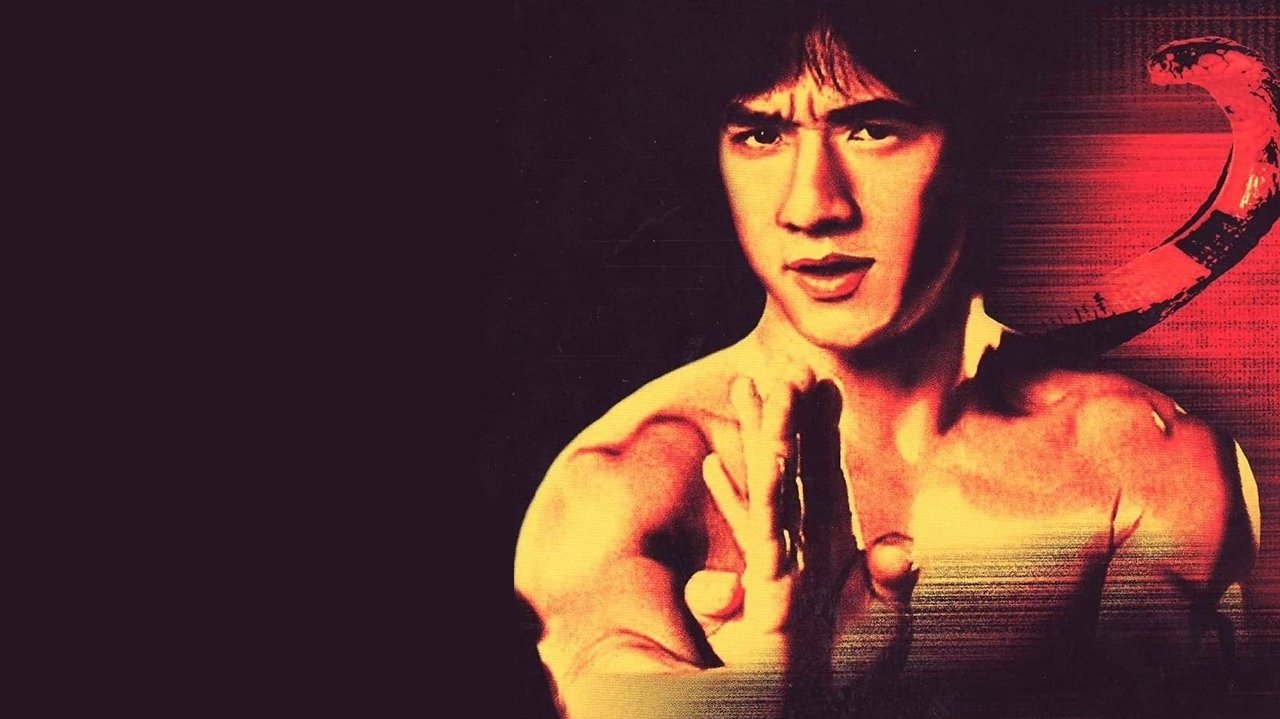
Let's talk about that action, because honestly, it’s the heart and soul here. This was Yuen Woo-ping's directorial debut, and what a statement it was. Forget the wire-fu spectaculars he’d later choreograph for Hollywood hits like The Matrix or Crouching Tiger, Hidden Dragon. This is raw, fast, and intricate, rooted firmly in traditional forms but infused with Chan's acrobatic flair and that crucial comedic timing. The Snake Fist style itself, largely popularised (if not entirely invented) for this film, is mesmerising – fluid, deceptive, striking from unexpected angles.
The fights feel real because, well, the danger often was. These were the days before CGI safety nets. You see Chan contorting, ducking, weaving, taking hits that look like they genuinely hurt – because sometimes they did! There’s a famous story about Chan losing a tooth during the finale fight when a kick from legendary screen villain Hwang Jang-lee connected for real. Hwang, known as the "King of Legfighters," is terrifyingly convincing as Lord Sheng Kuan, the master of the Eagle Claw technique hunting down Snake Fist practitioners. His kicks are lightning-fast and carry genuine menace. Watching them clash, Snake versus Eagle, is pure martial arts poetry, albeit a very painful-looking form of poetry. Wasn't the sheer speed and complexity of those sequences mind-blowing back then?
### More Than Just Fists and Laughs
While the plot is straightforward – underdog learns secret style, must defend master and style from rivals – Yuen Woo-ping injects it with incredible energy. The pacing rarely lags, moving smoothly between comedic setups, intense training montages, and brutal confrontations. The supporting cast is solid, filling out the world of rival clans and martial arts politics. The film understands that great action needs emotional stakes, and Chien Fu’s journey from bullied orphan to confident protector provides that anchor.
It's fascinating to think this film, made on a relatively modest budget, became a massive hit in Hong Kong. It didn't just make money; it redefined Jackie Chan's screen persona, proving audiences were hungry for a hero who could make them laugh as hard as he could punch. It also launched Yuen Woo-ping as a major directorial talent. Its success paved the way almost immediately for Drunken Master, which reunited the core team (Chan, Yuen Siu-tien, Hwang Jang-lee, and director Yuen Woo-ping) and further cemented the kung fu comedy subgenre.
### The Verdict
Watching Snake in the Eagle's Shadow today is like opening a time capsule. Yes, some elements feel distinctly of their era – the dubbing on some international versions can be rough, the storytelling is simple by modern standards. But the raw talent, the incredible physical performances, and the sheer invention on display are timeless. The practical stunt work and choreography remain breathtaking, a potent reminder of an era where action felt viscerally real. My own worn-out VHS copy, recorded off late-night TV, got countless replays, each viewing revealing another nuance in the fights or a subtle comedic beat from Chan.
Rating: 9/10
This film earns its high score not just for its historical significance in launching superstars, but for its sheer, unadulterated entertainment value. The blend of comedy and stunning martial arts was revolutionary and remains incredibly potent. It’s a foundational text for action fans.
Final Thought: Forget pristine digital perfection; Snake in the Eagle's Shadow is pure, exhilarating analog energy – the kind of lightning captured in a bottle (or on a magnetic tape) that still crackles with life. Essential viewing.