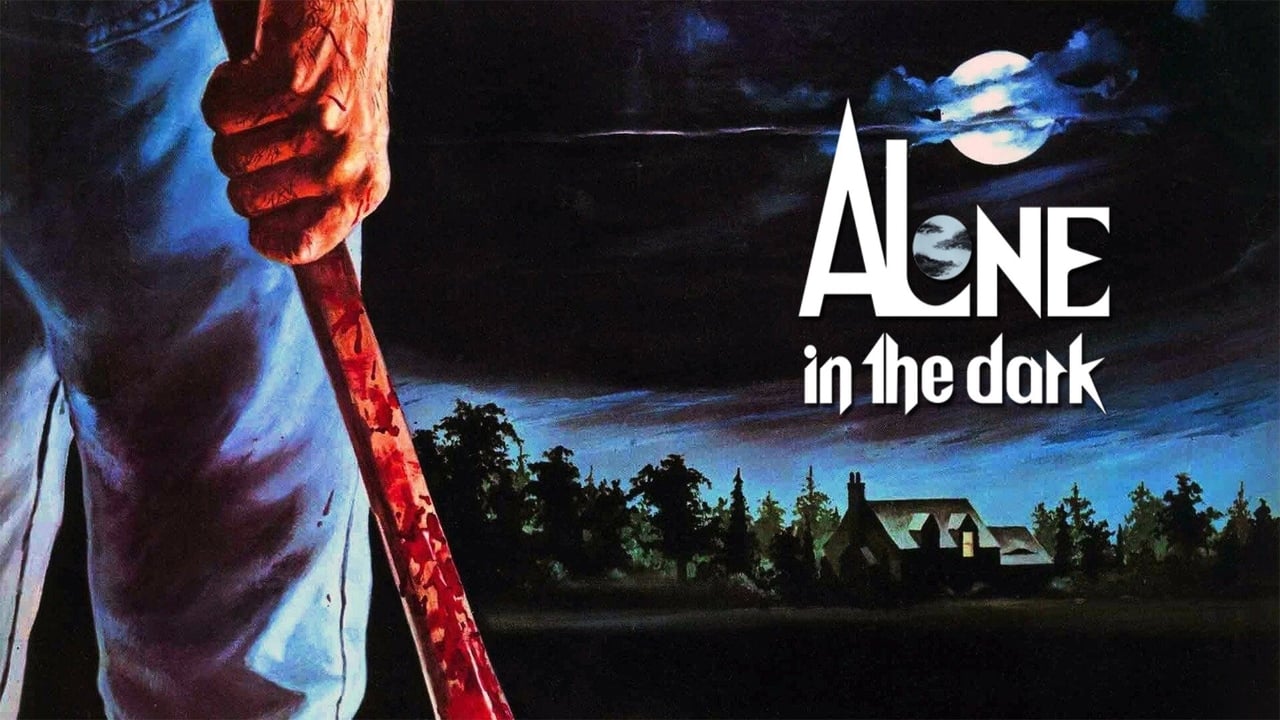
The power flickers. Rain lashes against the windows. Outside, unseen things stir in the oppressive dark. It’s a primal fear, the loss of control, the vulnerability that comes when the lights go out. And somewhere, deep in the woods surrounding Dr. Leo Bain’s experimental psychiatric hospital, four distinct shades of madness are slipping their leashes. 1982's Alone in the Dark doesn't just use a blackout as a plot device; it plunges you headfirst into that specific dread, the kind that felt chillingly plausible flickering on a worn VHS tape late at night.
### Haven for the Damned
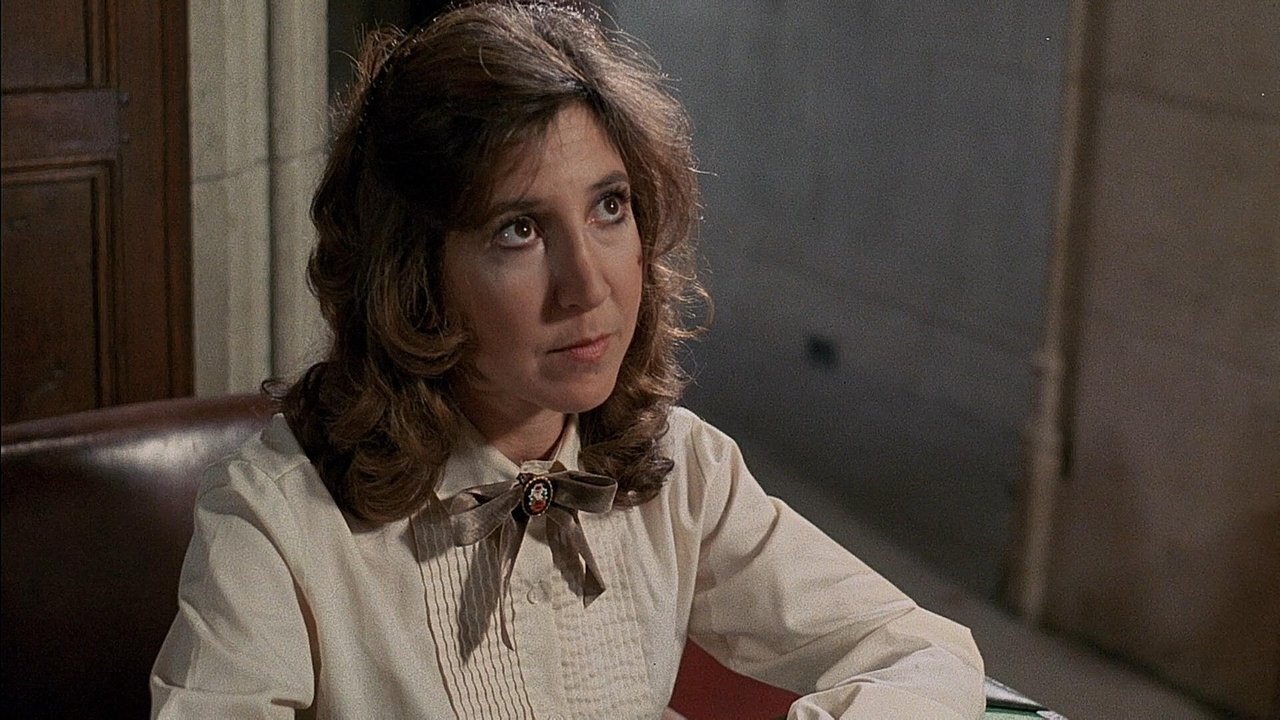
Directed by Jack Sholder in his feature debut (he’d later give us the divisive A Nightmare on Elm Street 2: Freddy's Revenge and the underrated sci-fi actioner The Hidden), Alone in the Dark immediately sets itself apart from the slasher boom pack. Forget summer camps and masked behemoths stalking teenagers. This is a siege film wrapped in psychological horror, populated by characters – both sane and otherwise – who feel dangerously real. The setup is classic: Dr. Dan Potter (Dwight Schultz, in his film debut just before hitting TV fame with The A-Team) arrives with his family to take up a post at 'Haven', Dr. Bain's progressive, security-lax mental institution. Bain (Donald Pleasence, bringing his signature eccentric intensity honed in Halloween) believes his patients aren't inherently dangerous, merely misunderstood. His prize patients on the supposedly secure third floor? A different story entirely.
### A Cast Fit for Chaos
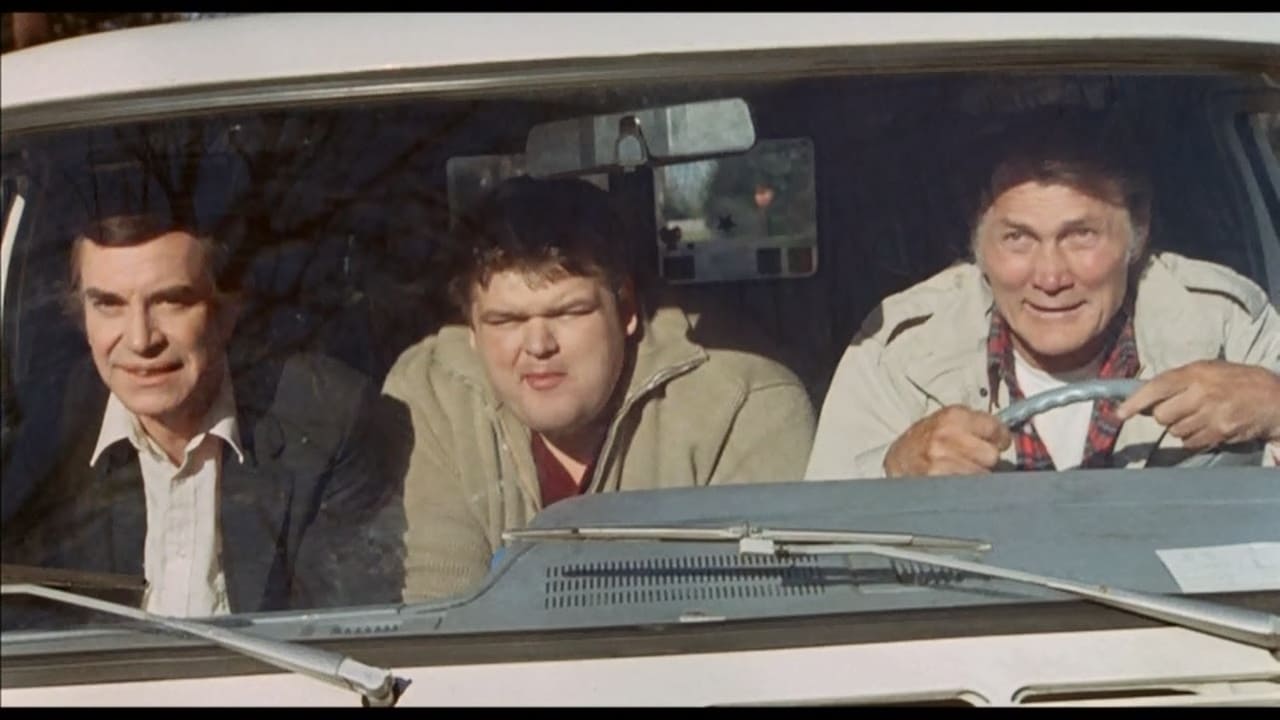
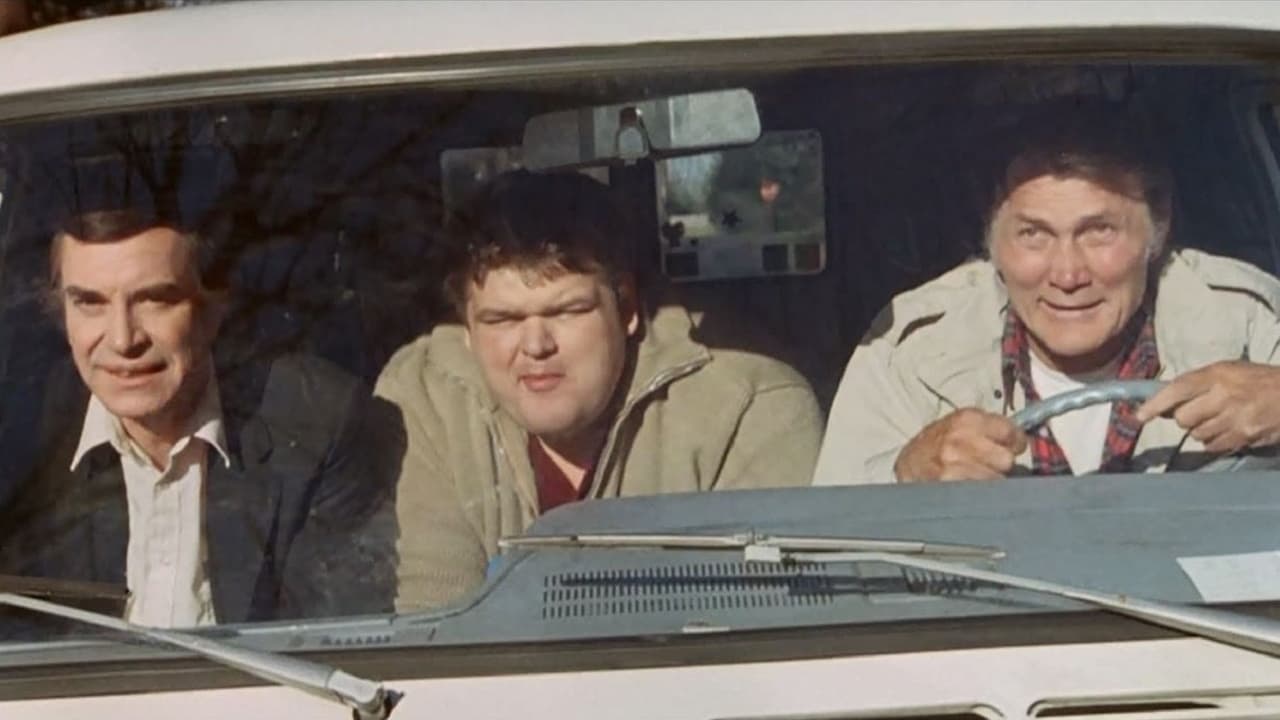
And what a story they are. The film's masterstroke is its casting of the escapees. Forget interchangeable brutes; these are screen legends chewing the scenery with terrifying glee. There’s Frank Hawkes (Jack Palance), a paranoid former POW, the group's reluctant, pragmatic leader. Palance, already a legend, reportedly relished the role, bringing a simmering menace beneath a veneer of control. Then there’s Byron 'Preacher' Sutcliff (Martin Landau), a pyromaniac evangelist whose calm pronouncements can turn fiery in an instant. Landau, initially hesitant about the genre, delivers a performance oscillating between creepy stillness and explosive rage. And who could forget Donald Pleasence himself as Dr. Bain’s other role, the former preacher Ray Curtis, now confined? Oh wait, that's a common misconception - Pleasence only plays Dr. Bain. The escaped preacher is Byron Sutcliff played by Landau. My apologies, the wires crossed in the flickering cathode ray glow! Rounding out the core quartet is the hulking Ronald 'Fatty' Elster (Erland van Lidth, the memorable opera-singing thug from Stir Crazy), a child molester whose size belies a certain childishness, often manipulated by Hawkes. Oh, and there's Skaggs, aka "The Bleeder" (played by stuntman Phillip Clark, though voiced menacingly), whose identity remains hidden behind a creepy mask, prone to spontaneous nosebleeds when agitated – a simple but effective visual hook. Seeing Palance, Landau, and Pleasence (as the well-meaning but naive doctor) share the screen in a low-budget horror flick feels like capturing lightning in a bottle – a testament, perhaps, to the burgeoning ambition of its production company.
### New Line's First Horror Gamble
It's a fascinating piece of trivia that Alone in the Dark was the first horror film produced by a fledgling New Line Cinema. Co-written by founder Robert Shaye himself, alongside Sholder and Michael Harrpster, it feels like a statement of intent. Made for a lean $1 million, it wasn't a box office smash, but it showcased a willingness to blend established stars with grindhouse sensibilities. You can almost feel the scrappy energy of a company betting the farm. Sholder uses the inevitable blackout and storm not just for atmosphere, but to ratchet up the paranoia. The isolation of the Potter house, the unreliable power, the escaped patients potentially lurking behind any shadow – it builds a palpable sense of vulnerability. The practical effects, particularly The Bleeder’s unsettling mask and sudden crimson flows, hold up surprisingly well, possessing that tangible creepiness often lost in modern CGI.
### Punk Rock, Paranoia, and Unexpected Humor
The film isn't just straight tension, though. It has moments of bizarre energy that stick with you. The sequence where the escapees wander into a rowdy punk rock concert (featuring real New Jersey band The Sic F*cks) is jarringly effective, highlighting their alienation from the 'normal' world while simultaneously showing how easily they can blend into certain kinds of chaos. Doesn't that sudden shift in environment just throw you off balance? There’s also a vein of dark, almost absurd humor running through it, particularly in the interactions between the escapees and the increasingly frazzled Potter family. It avoids descending into camp, mostly, maintaining a grim undercurrent even in its stranger moments. The siege itself, when it finally comes, is brutal and chaotic, less stylized than many slashers, focusing on frantic survival.
### Enduring Chill in the Static
Alone in the Dark isn't perfect. The pacing occasionally dips, and some character motivations feel a little thin. But its strengths are undeniable. The powerhouse cast elevates the material significantly, giving the antagonists a depth rarely seen in the genre at the time. The atmosphere of dread built around the blackout is genuinely effective, tapping into primal fears. It’s a film that feels both like a product of its early 80s slasher era and something slightly stranger, more character-driven. I distinctly remember renting this one, the stark cover art promising something unsettling, and it delivered a specific flavour of dread that felt different from the relentless stalk-and-slash dominating the shelves back then.
Rating: 7.5/10
Justification: The stellar veteran cast alone makes this a must-see for genre fans (Palance, Landau, Pleasence!). The atmospheric tension generated by the blackout and siege is potent, and the film stands out with its more character-focused approach to its 'monsters'. While it has some pacing issues and doesn't entirely escape B-movie constraints, its unique blend of talent, tension, and oddity earns it a strong score. It represents a significant early effort from New Line and a solid directorial debut for Sholder.
Final Thought: More than just another early 80s slasher, Alone in the Dark is a tense, character-rich siege thriller powered by incredible performances. It’s a cult favourite that reminds us sometimes the most terrifying monsters are the ones who look unsettlingly human, especially when the lights go out.