The air hangs thick and cold, heavy with the scent of decaying leaves and the almost-forgotten promise of terror. Some shadows, you see, never truly fade. They linger, patient, waiting for the right moment, the right holiday, to coalesce back into something tangible, something inescapable. And in 1988, after a detour into witchcraft and corporate conspiracy, the shadow we all secretly feared – and perhaps morbidly missed – clawed its way back from the ashes. Michael Myers was coming home. Again.

### The Inevitable Return
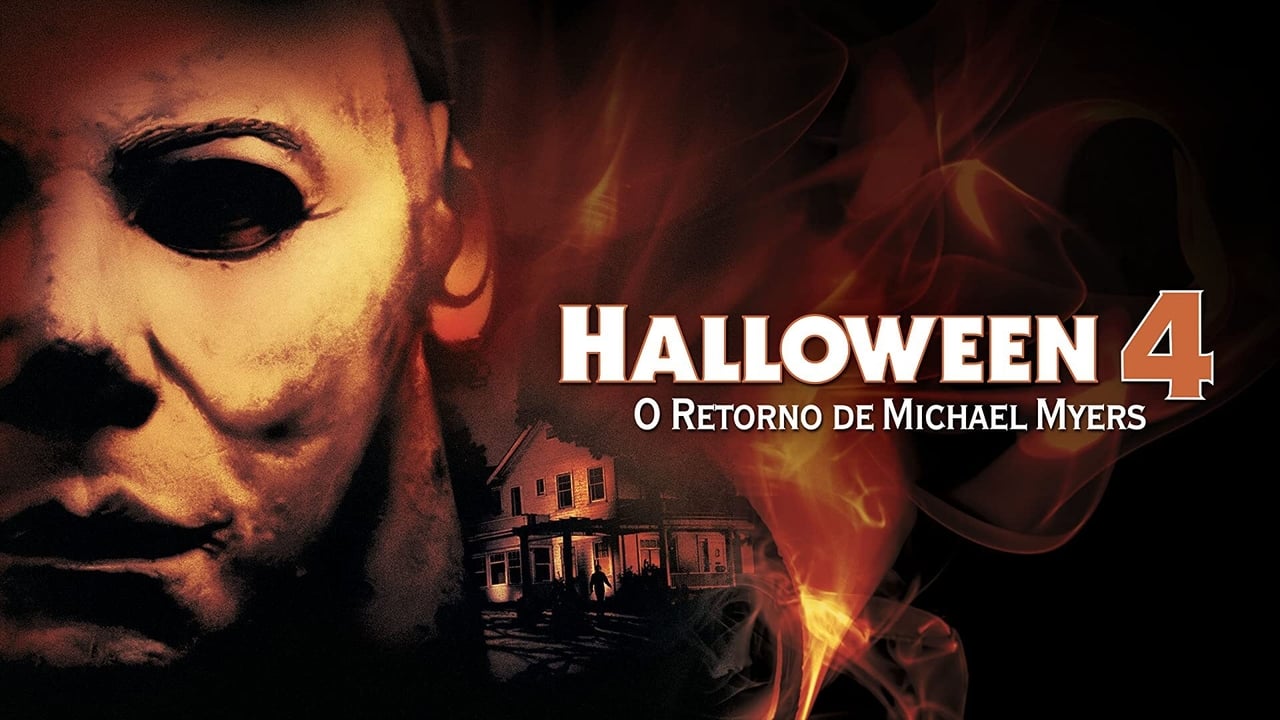
After the anthology experiment of Halloween III: Season of the Witch (1982) left many fans cold, the pressure mounted. The Shape needed to walk the streets of Haddonfield once more. Halloween 4: The Return of Michael Myers wasn't just a sequel; it felt like a course correction, a direct response to the audience's demand for the familiar, terrifying presence of that blank, white mask. The premise is starkly simple: ten years after the inferno at Haddonfield Memorial Hospital, Michael Myers, long presumed catatonic or dead, awakens during a prison transfer precisely, chillingly, on October 30th. His destination? Haddonfield. His target? Laurie Strode's young daughter, his niece, Jamie Lloyd.
The weight of that return rests heavily on the film's atmosphere. Director Dwight H. Little (Marked for Death, Rapid Fire), working from a script famously hammered out in just eleven days by Alan B. McElroy (Spawn, Wrong Turn) to beat an impending writers' strike, doesn't try to reinvent the wheel. Instead, he leans into the established iconography. Haddonfield feels instantly recognizable, draped in the golds and browns of autumn, a picturesque small town bracing for an unseen storm. Alan Howarth's score, adapting John Carpenter's immortal theme, immediately plunges you back into that specific brand of suburban dread – the familiar piano refrain now carrying the weight of inevitability.
### A New Generation, An Old Nemesis
While Jamie Lee Curtis's Laurie Strode is written out (explained via an off-screen death, a point of contention for some fans), the film wisely introduces compelling new characters to carry the torch. Ellie Cornell brings a warmth and grounded strength to Rachel Carruthers, Jamie's teenage stepsister thrust into the protector role. She’s not a superhero, just an ordinary girl facing extraordinary horror, making her instantly relatable. But the film's heart, trembling and exposed, belongs to Danielle Harris as Jamie Lloyd. Harris, barely eleven years old, delivers a performance of staggering vulnerability and terror. Her wide, expressive eyes convey the primal fear of being hunted by something inexplicable, something relentless. You feel her dread deep in your bones; her performance is arguably the anchor that grounds the film emotionally. I remember watching this on a grainy VHS, the tension tightening every time the camera lingered on her small frame, a feeling that hasn't entirely dissipated even now.
And then there's Donald Pleasence. Slipping back into the role of Dr. Sam Loomis with weary, obsessive intensity, he’s the frantic counterpoint to Michael's chilling silence. Pleasence, a veteran whose career spanned everything from The Great Escape (1963) to numerous horror outings, imbues Loomis with an almost Ahab-like mania. He knows what Michael is, the pure, unstoppable evil, and his desperation to warn Haddonfield feels palpable. His pronouncements carry the weight of prophecy, even if the townsfolk are tragically slow to heed them. His return felt essential, a vital link to the original's terrifying legacy.
### That Mask, Those Moments
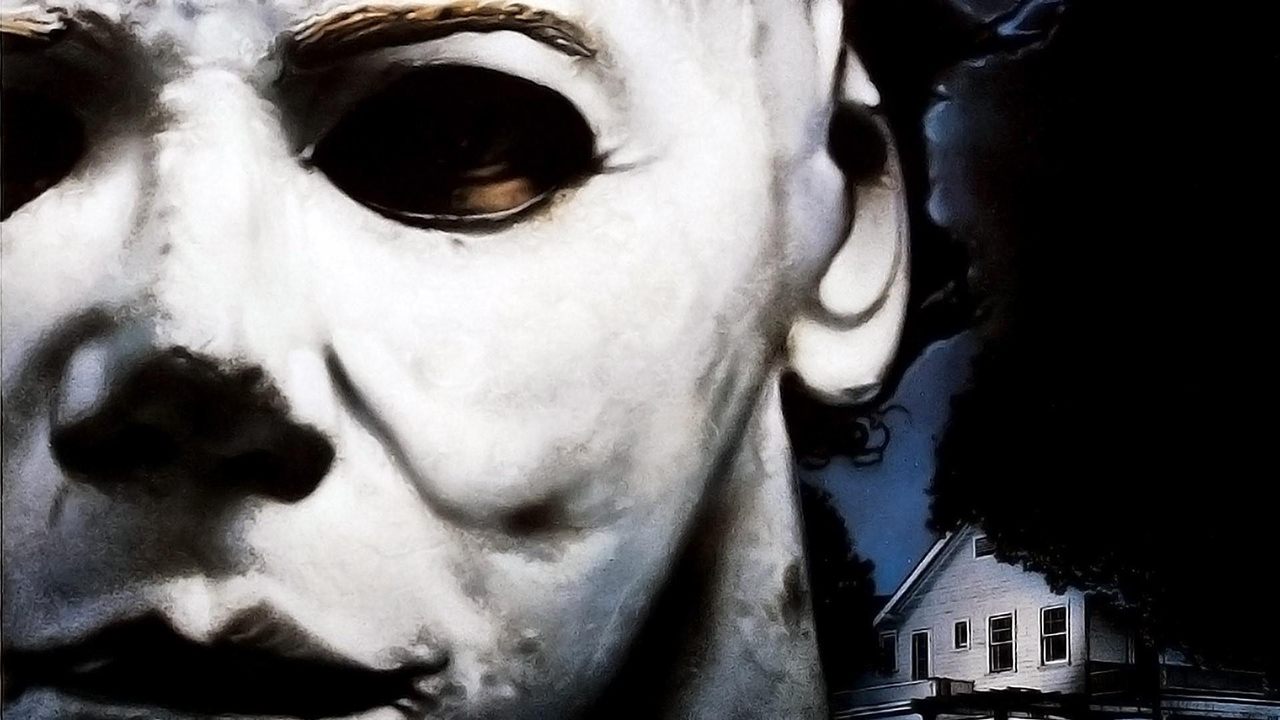
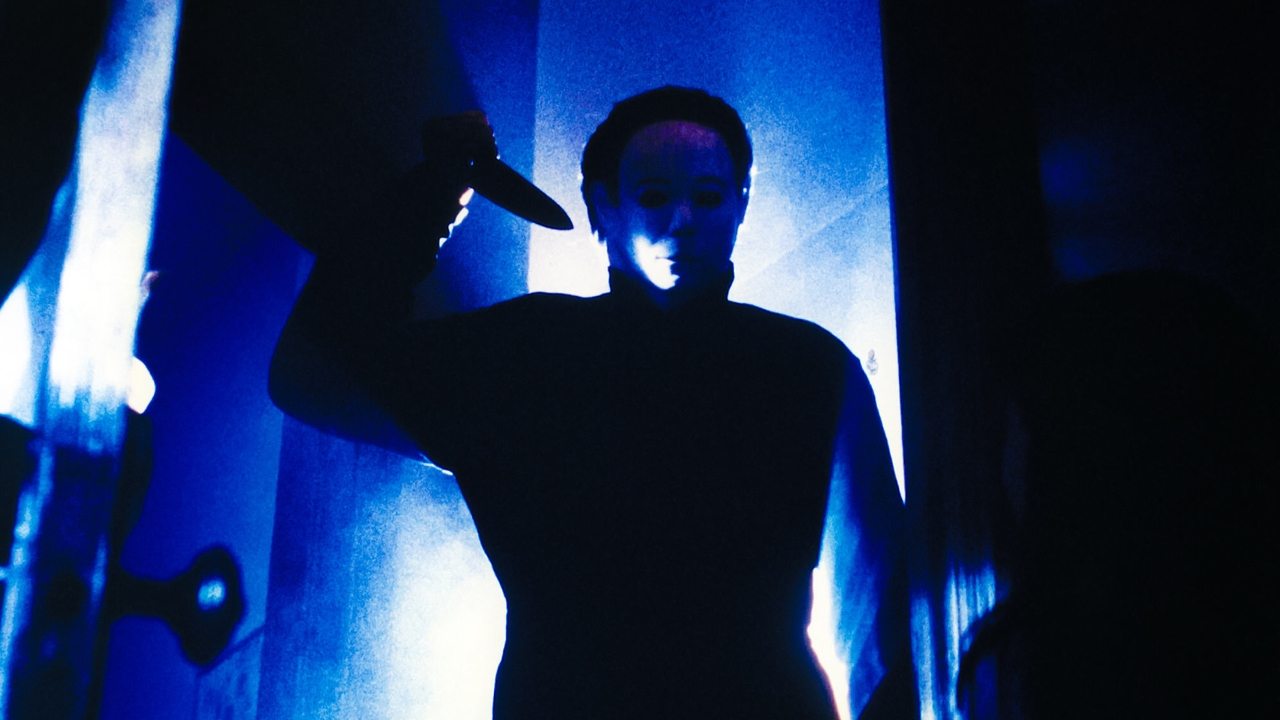
Let's address the Shatner mask in the room. Yes, the mask in Halloween 4 is… different. It’s puffier, the hair is oddly neat, the expression almost surprised. It's spawned countless debates among fans, a far cry from the eerie void of the '78 original. Apparently, numerous masks were created, and the final choice remains a point of contention. Yet, does it derail the film? Not entirely. The idea of Michael, the relentless stalking, the sudden appearances in doorways and reflections – that power remains. The film delivers some effective stalk-and-slash sequences, often prioritizing suspense and sudden shocks over explicit gore, feeling very much of its late-80s slasher era. Remember the rooftop chase? Or the chilling siege on the Meeker house? These moments still land, leveraging darkness and the inherent vulnerability of a besieged home. Filmed largely in Utah, the production team did a commendable job recreating that Midwestern autumnal feel, crucial for any Halloween entry. For its modest $5 million budget, the film delivered solid scares and a respectable $17.8 million box office return, proving Michael still had drawing power.
Spoiler Alert!
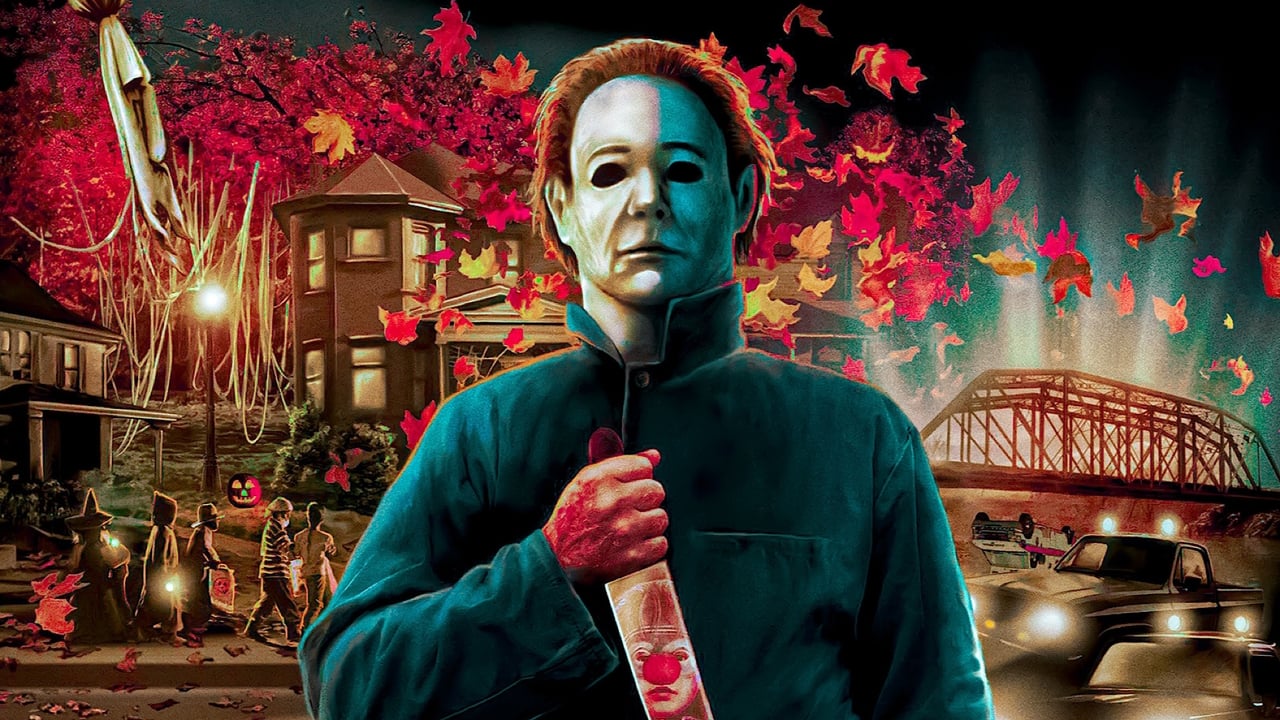
Perhaps the film's most audacious move is its ending. After the chaos subsides, Haddonfield breathes a collective sigh of relief. But the final scene – little Jamie, clad in a clown costume eerily echoing young Michael's first kill, standing silently with bloody scissors after attacking her stepmother – is a gut punch. It suggests the evil isn't just external; it's a contagion, passed down through bloodline. It was a shocking, bleak note to end on, throwing everything into question. While subsequent sequels arguably fumbled this potent setup, viewed in isolation, it remains one of the most effective and disturbing twists in the entire franchise. Did that final image genuinely shock you back in the day? It certainly left a mark.
End Spoiler
### The Verdict on Michael's Return
Halloween 4: The Return of Michael Myers isn't the artful masterpiece of the original, nor does it try to be. It's a sturdy, effective, and atmospheric slasher sequel that understood what fans wanted: Michael Myers back in Haddonfield, doing what he does best. It brought The Shape back from the brink, delivered strong performances (especially from Danielle Harris), boasted a palpable sense of autumnal dread, and capped it off with a truly unforgettable ending. While the mask remains divisive and the plot treads familiar ground, the execution is solid, delivering the specific chills we craved back in the VCR glow. It successfully resurrected the core storyline and set the stage for future Halloweens, even if they didn't always live up to this entry's promise.
Rating: 7/10
This score reflects its status as a very capable sequel that successfully course-corrected the franchise. It delivers genuine atmosphere, memorable performances from Harris and Pleasence, effective suspense, and that killer ending. Points are deducted mainly for the infamous mask issues and a sense that it’s more workmanlike than groundbreaking compared to the original.
For many fans who wore out their rental tapes, Halloween 4 remains a quintessential slice of late-80s horror – a welcome, chilling return of an icon who proved, definitively, that you can't keep pure evil down.