The air hangs thick and damp between the ancient trees, sunlight struggling to pierce the dense canopy overhead. There's a silence here that isn't peaceful; it's watchful, expectant. This isn't just any forest – it’s the suffocating embrace of the wilderness where civilization feels a million miles away, and something primal stirs just beyond the firelight. It’s the feeling captured so effectively in The Final Terror, a film that arrived on VHS shelves almost like a rumour, whispering tales of backwoods dread long after its troubled journey to the screen. Filmed in 1981 but held back until 1983, possibly lost in the tidal wave of slice-and-dice flicks flooding the market, its eventual release felt less like a premiere and more like an escape.

Deep Woods Unease
The setup is classic early 80s: a group of forest rangers-in-training, accompanied by some female companions picked up along the way (because, of course), head deep into the imposing Redwood forests of Northern California for what should be a routine wilderness exercise. Led by the stern Dennis (John Friedrich) and the more laid-back Marco (Adrian Zmed, recognisable from T.J. Hooker and Bachelor Party), the crew includes familiar faces in surprisingly early roles – keep an eye out for a very young Daryl Hannah, Rachel Ward, and even Joe Pantoliano (Joey Pants!) as Eggar, a shifty local with a dark past. The mission involves navigating the wilderness and clearing brush, but a campfire story about a woman who disappeared years ago, possibly at the hands of a deranged killer living wild, quickly shifts the mood from adventure to apprehension. Soon, strange occurrences escalate into deadly traps and shadowy figures glimpsed between the giant trees. It becomes terrifyingly clear they're not alone.
Before He Chased Fugitives
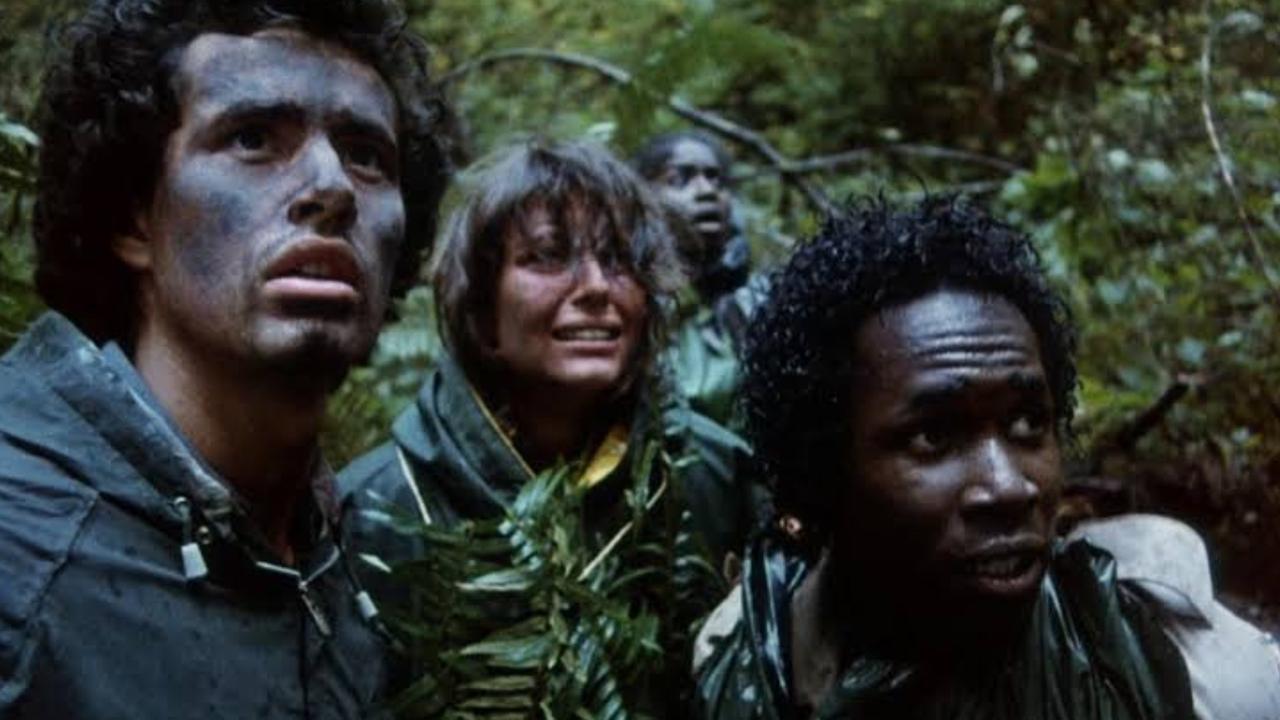
One of the most fascinating aspects of The Final Terror is its director: Andrew Davis. Yes, the same Andrew Davis who would later helm massive action blockbusters like Under Siege and the Oscar-nominated The Fugitive. Seeing his name attached to this gritty, low-budget ($1.2 million, peanuts even then) backwoods slasher feels almost like discovering a secret origin story. While it lacks the polish of his later work, you can arguably see hints of his knack for tension and staging action within natural environments. The Redwood National and State Parks locations are used to maximum effect, the towering trees creating a claustrophobic, disorienting labyrinth that dwarfs the characters and amplifies their vulnerability. Davis reportedly battled tough conditions filming deep in the woods, lending an authentic, rough-edged feel to the survival struggle. You feel the damp, the isolation, the sheer impossibility of escape.
More Than Just a Slasher?
While The Final Terror certainly ticks some slasher boxes – the isolated group, the mysterious killer, the mounting body count – it leans heavier into survival thriller territory than many of its contemporaries like Friday the 13th. The threat isn't just a masked maniac (though there is a menacing presence), but the environment itself and the desperate measures needed to endure it. The practical effects, while dated by today's standards, have that tangible, unsettling quality common to the era. The traps feel genuinely nasty, and the look of the 'threat' has a disturbing, almost feral camouflage element that blends chillingly with the forest backdrop. It’s less about jump scares and more about sustained dread and the psychological toll of being hunted. Remember how effective simple, well-executed practical gore could be back then, before CGI took over? This film taps into that visceral reaction.
A Troubled Path, A Cult Following
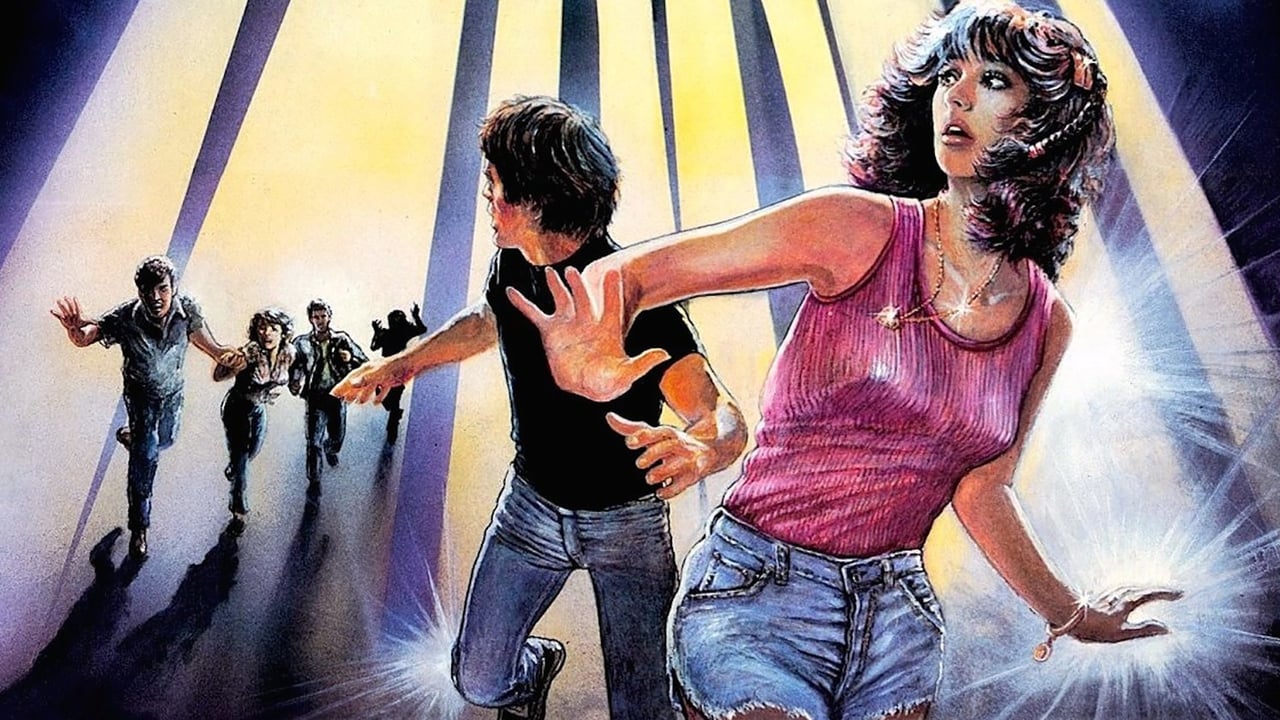
The two-year delay between filming and release is often attributed to distributor issues and the oversaturation of the slasher market. It meant The Final Terror arrived somewhat late to the party, perhaps overshadowed by bigger, bloodier hits. Yet, this delayed arrival and its slightly different focus might be why it resonates with VHS collectors and fans of overlooked 80s horror today. It feels less formulaic than some, prioritizing atmosphere and survival over relentless kills. It's not perfect; the pacing can drag in spots, some character logic feels questionable (standard for the genre, perhaps?), and the plot regarding the killer's identity and motives can feel a bit murky. It’s rumoured that extensive cuts might have contributed to some narrative confusion, a common fate for genre films battling for distribution or trying to appease the ratings board back in the day. Despite these flaws, its oppressive mood and the raw performances from its soon-to-be-famous cast give it a unique flavour. Watching Daryl Hannah navigate deadly traps years before Splash or Blade Runner is a definite retro thrill.
Final Verdict
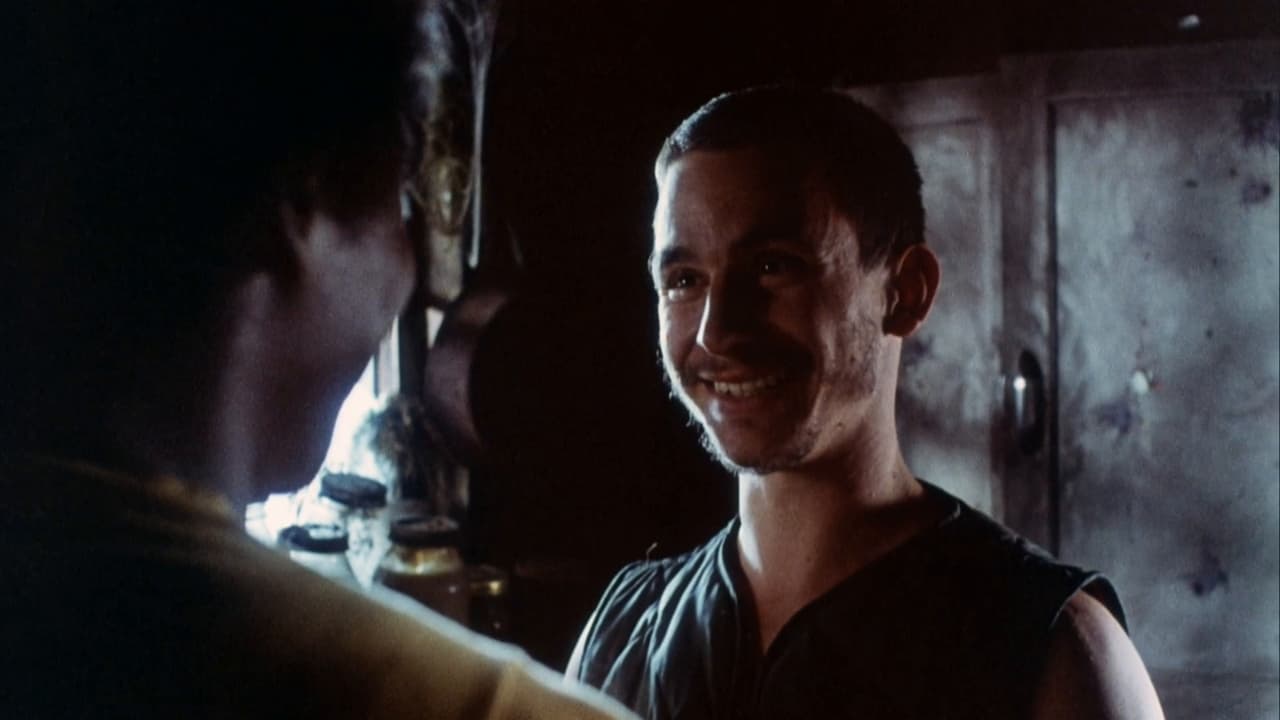
The Final Terror isn't the slickest or most shocking slasher from the golden age, but its potent atmosphere, impressive location work, and focus on gritty survival make it a compelling watch, especially for fans digging deeper into the era's output. It feels like a film born of its challenging environment, both the fictional forest and the real-world production hurdles. The cast offers fascinating glimpses of future stars, and Andrew Davis's early directorial effort provides a unique footnote in a remarkable career. It might not have terrified the masses upon release, but it effectively burrows under your skin with its pervasive sense of woodland dread.
Rating: 6.5/10 - This score reflects the film's undeniable atmospheric strengths, its standout cast in early roles, and its interesting position as a survival-slasher hybrid directed by a future A-lister. However, it's held back slightly by pacing issues, some narrative confusion, and familiar genre tropes that don't always land perfectly. It earns its points for mood and ambition within its budget, even if the execution isn't flawless.
It's a prime example of a VHS discovery – maybe not a top-tier classic, but a genuinely unsettling and atmospheric journey into the deep, dark woods that lingers precisely because it feels so isolated and grimly plausible. Doesn't that feeling of being hopelessly lost stick with you more than any ghost or ghoul sometimes?