It wasn't always the blockbuster tapes with the explosive covers that captured our hearts back in the day. Sometimes, tucked away perhaps on a compilation VHS snagged from a specialty store, or maybe caught during a late-night international animation showcase, you'd stumble upon something utterly unexpected, something radiating pure, unadulterated charm. For many who saw it, Eduard Nazarov's 1982 masterpiece, Once Upon a Time there Lived a Dog (Жил-был пёс, Zhil-byl pyos), was exactly that kind of discovery – a delightful, heartwarming bolt from the blue, straight from the legendary Soyuzmultfilm studio in the Soviet Union.
### An Unlikely Alliance
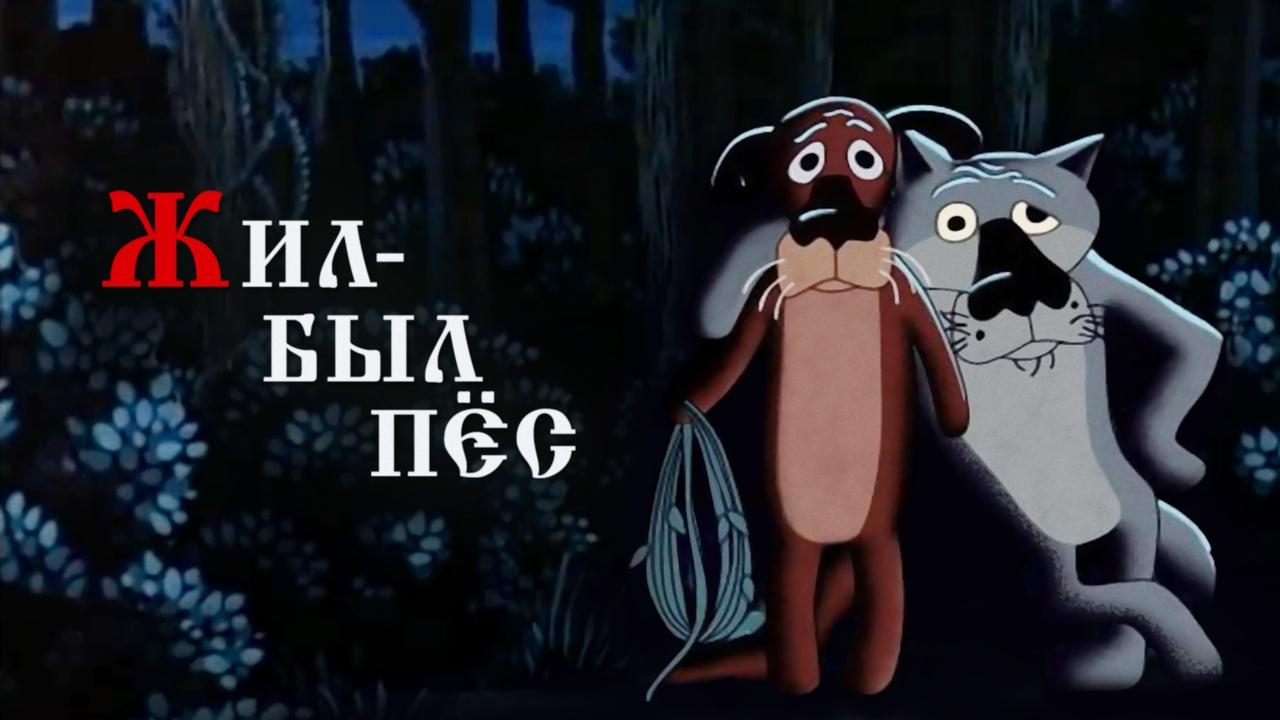
The premise is deceptively simple, drawn from a classic Ukrainian folk tale ("Sirko"). An old, faithful Dog finds himself quite literally kicked to the curb (or rather, hoofed out into the forest) by his owners after becoming too old and slow to effectively guard the farm. Alone, miserable, and contemplating his rather grim future, he encounters an old adversary – the Wolf. But instead of the expected conflict, the Wolf, perhaps seeing a kindred spirit in the aging canine, proposes a cunning plan: the Wolf will stage a kidnapping of the farmer's baby during the harvest festival, allowing the Dog to "heroically" intervene and save the child, thus regaining his place by the hearth.
What follows is pure animated magic. The plan works perfectly, and the Dog is welcomed back as a hero. But gratitude, as this tale wisely shows, is a powerful thing. The Dog feels indebted to the Wolf and decides to repay the favor by sneaking him into the farmhouse during a lively wedding feast. It’s here the film truly shines, capturing the boisterous, food-laden atmosphere of a traditional Ukrainian celebration with infectious energy.
### Characters with Soul (and Fur)
Much of the film's enduring appeal lies in its two central characters, brought vividly to life by iconic Soviet actors. The Dog, voiced with weary dignity by Georgy Burkov (a familiar face from countless Soviet films, including the beloved comedy The Irony of Fate), perfectly embodies the loyal servant facing the harsh reality of aging. You feel his initial despair and his later, slightly awkward, gratitude.
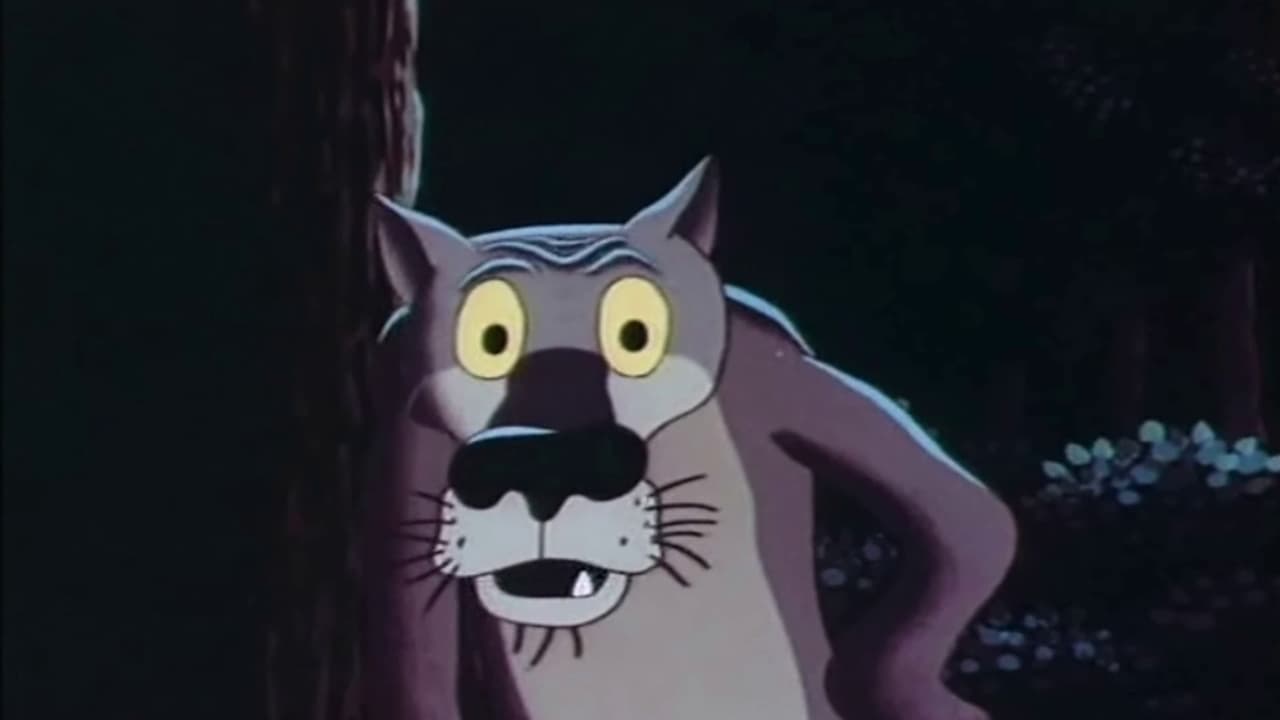
But it’s the Wolf, voiced by the legendary Armen Dzhigarkhanyan (another giant of Soviet cinema), who often steals the show. This isn't your typical fairy-tale villain. He’s pragmatic, world-weary, perhaps a little lonely, and possesses a surprising capacity for empathy (and a hilarious appetite). His interactions with the Dog are laced with a dry wit and understated camaraderie. The scene where the Wolf, hidden under the table and thoroughly stuffed with food and drink, feels the urge to howl along with the singing villagers, culminating in his iconic, slurred declaration, "Щас спою!" ("I'll sing right now!"), is comedy gold – a moment so beloved it’s become a widely recognized catchphrase in many post-Soviet countries. There are even monuments dedicated to this specific wolf character in cities like Tomsk and Angarsk, Russia – talk about cultural impact!
### Artistry from Another World
Director Eduard Nazarov, who also penned the screenplay, approached the project with immense care. Reportedly, he spent significant time immersing himself in Ukrainian culture, visiting museums and villages to capture the authentic details of rural life, clothing, and architecture. This dedication shines through in the animation style. It’s not slick or polished in the Disney sense; instead, it has a wonderfully textured, painterly quality. The character designs are expressive and unique, full of personality. The backgrounds evoke a real sense of place, warm and lived-in.
Nazarov, known also for other delightful animations like Travels of an Ant (1983), crafted Zhil-byl pyos with remarkable economy. In just around 10 minutes, he tells a complete, emotionally resonant story filled with humor, pathos, and warmth. The pacing is perfect, never rushing, allowing moments like the Dog’s quiet contemplation or the Wolf’s contented post-feast sigh to land effectively. The film even scooped up the Special Jury Prize at the prestigious Annecy International Animated Film Festival in 1983, a testament to its artistry reaching beyond cultural borders. It wasn't just popular; it was critically recognized animation excellence.
### Why It Still Warms the Heart
Watching Once Upon a Time there Lived a Dog today feels like rediscovering a cherished folk illustration brought to life. It taps into universal themes – aging, loyalty, gratitude, the unexpected bonds we can form. There's a gentle wisdom woven into its fabric, reminding us that even old adversaries can find common ground, especially when there's good food involved.
It's a perfect example of how animation can transcend language and cultural barriers through pure visual storytelling and relatable emotions. For those of us who grew up during the era when animation from around the globe felt like exciting, smuggled treasures, this film represents the very best of that spirit of discovery. It might not have had the high-octane thrills of other 80s staples, but its quiet charm and profound heart offered a different, equally valuable kind of magic. It’s a short film that leaves a surprisingly long-lasting warm glow.
VHS Heaven Rating: 9/10
Justification: For its timeless story, unforgettable characterizations (especially the iconic Wolf), beautiful and unique animation style, perfect pacing, and sheer heartwarming brilliance, Once Upon a Time there Lived a Dog is a near-perfect gem. It achieves so much emotion and humor in its short runtime, demonstrating masterful storytelling and artistry that continues to resonate decades later.
Final Thought: Proof that sometimes, all it takes is a sympathetic wolf, a grateful dog, and a table full of food to create animation history. Now... who feels like singing?