Okay, fellow tape travelers, let's dig into a fascinating specimen from the late 90s digital frontier: DreamWorks Animation's very first feature, Antz (1998). Forget the sunny, primary-colored world you might expect from talking bugs; this film plunged us straight into a subterranean society buzzing with neuroses, class warfare, and existential angst, all delivered with a surprising level of adult wit. Seeing it back then felt… different. It wasn’t quite the usual family fare, carrying a distinct PDI/DreamWorks visual signature and a tone that felt sharper, more satirical than its contemporaries.
### Beneath the Anthill: Big Ideas, Small Heroes
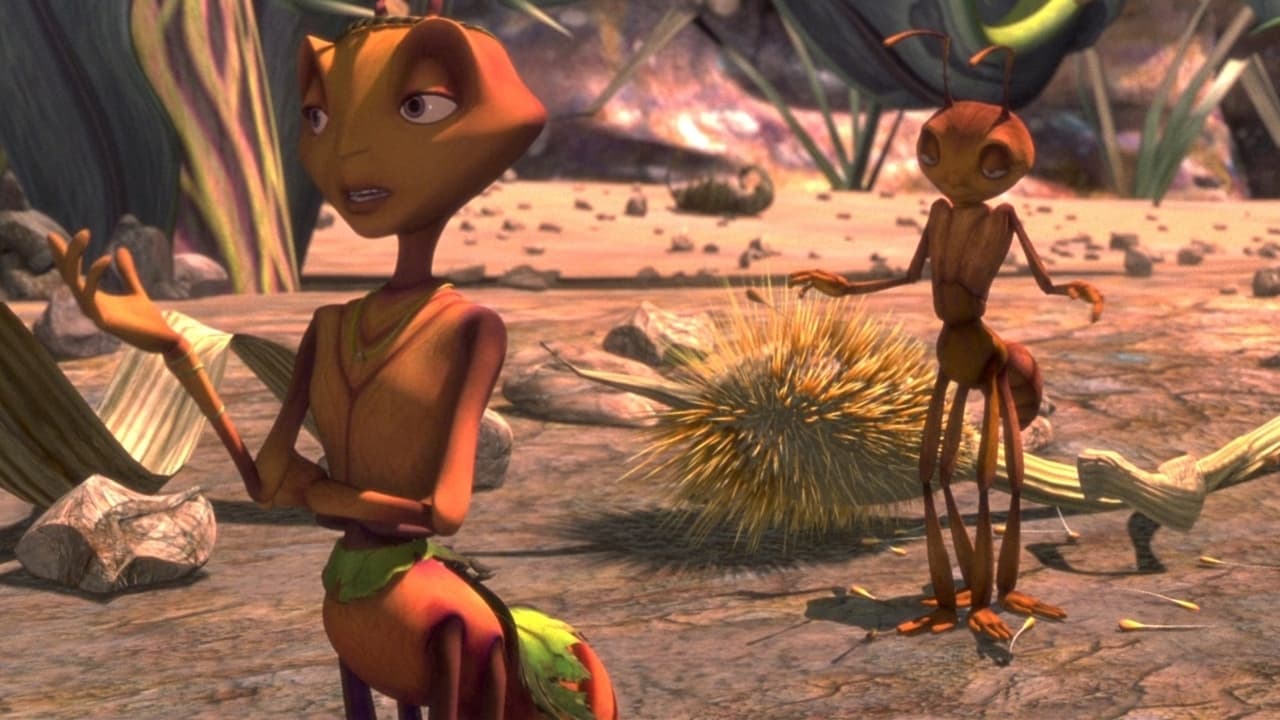
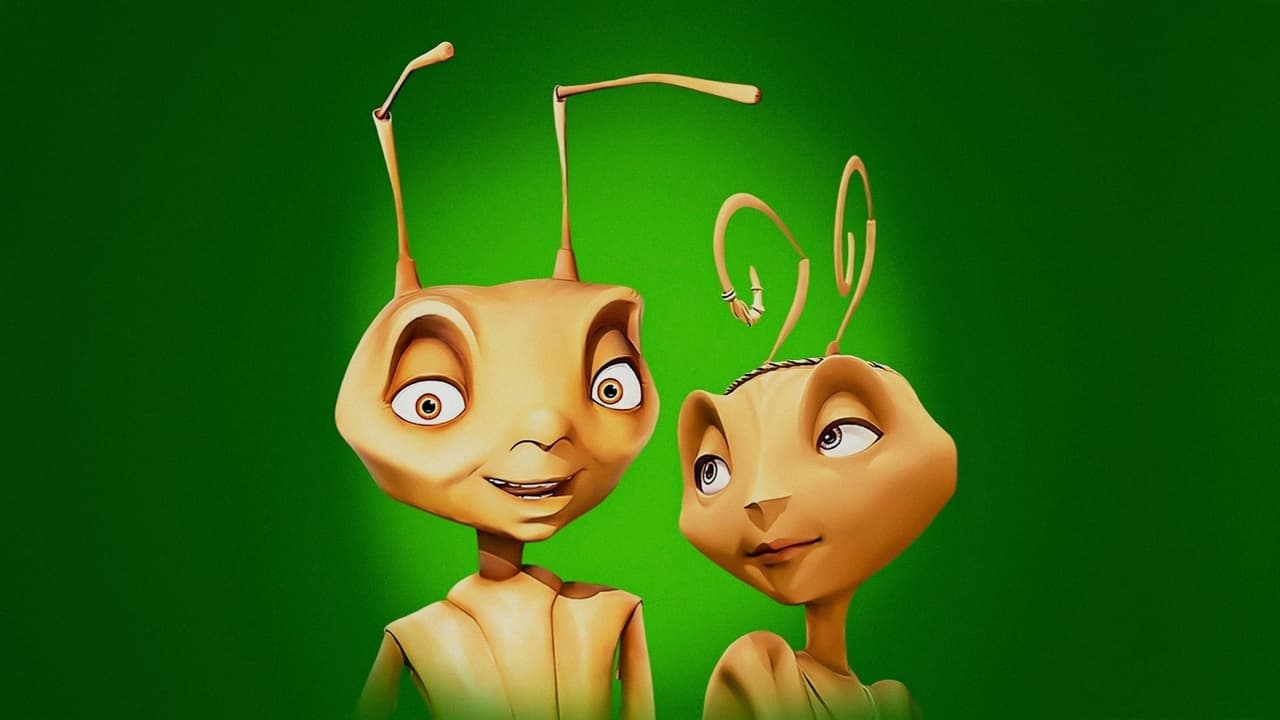
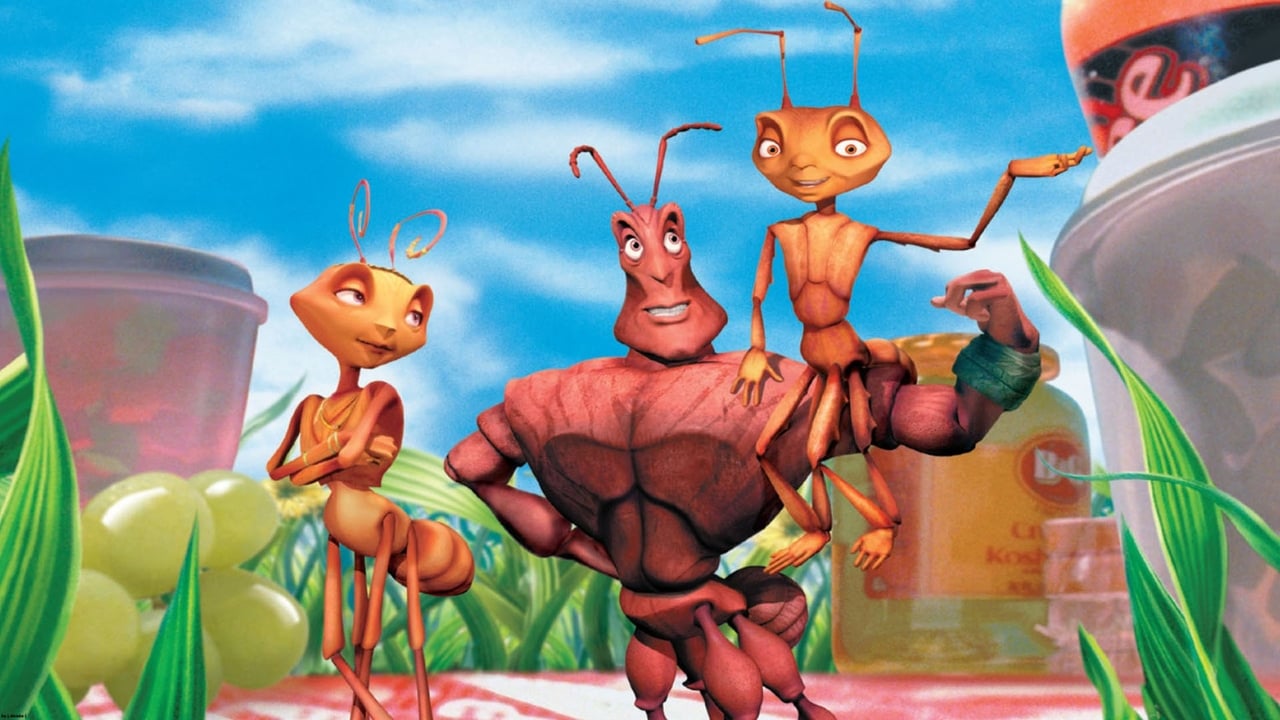
The story centers on Z-4195, or just Z (Woody Allen, perfectly cast, lending his signature anxious cadence), a worker ant utterly insignificant in a colony of millions. He dreams of individuality in a rigidly stratified society where everyone has their place, whether they like it or not. His life is a monotonous cycle of digging until he catches a glimpse of Princess Bala (Sharon Stone), slumming it in a worker bar. Smitten, Z engineers a switch with his soldier buddy Weaver (Sylvester Stallone, having a blast playing against type as the big lug with a soft spot) to see her again at a royal inspection. This impulsive act catapults him into a brutal termite war – a genuinely harrowing sequence for its time – and eventually sends him and Bala on an unexpected journey beyond the colony's confines, searching for the mythical paradise of Insectopia.
It's a classic quest narrative wrapped in social commentary. The colony, under the iron mandible of General Mandible (Gene Hackman, radiating pure menace), is a thinly veiled allegory for conformity and militarism. Mandible's plan to create a "pure" colony by drowning the workers is chillingly fascistic. Z, the ultimate neurotic non-conformist, becomes an accidental revolutionary figure, simply by wanting something more. That tension between the individual and the collective, the desire for personal significance against overwhelming societal pressure, gave Antz a thematic weight that caught many off guard in '98.

### Voices That Defined a Colony
The voice cast here is simply phenomenal, a murderer's row of 90s star power. Woody Allen is Z; his neurotic ramblings feel completely organic to the character, making Z instantly relatable despite being, well, an ant. Sharon Stone brings the right blend of regal aloofness and eventual warmth to Bala. But it's the supporting cast that truly elevates it. Gene Hackman's General Mandible is a fantastic villain – cold, calculating, utterly convinced of his own righteousness. Sylvester Stallone provides great comic relief as Weaver, and his banter with Z is a highlight. And then there's Christopher Walken as Colonel Cutter, Mandible's conflicted second-in-command, delivering lines with that inimitable Walken cadence ("You have a remarkably bleak outlook on life"). You also had Dan Aykroyd and Jane Curtin as snooty wasps, Jennifer Lopez as Azteca, and Danny Glover as Barbatus – it was an embarrassment of riches. Reportedly, Allen recorded all his dialogue in just five days, a testament to how perfectly his established persona fit the character.
### The Great Bug Animation Race
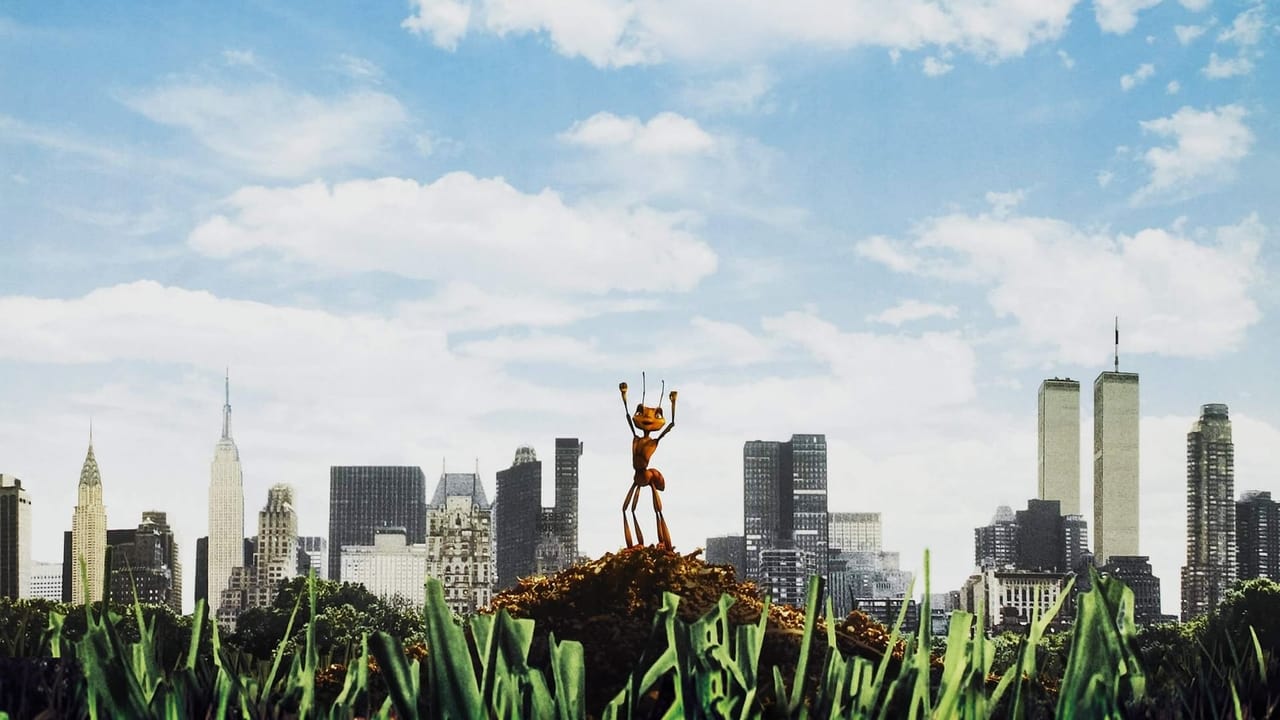
Now, you can't talk about Antz without mentioning the elephant (or perhaps, the rival ant) in the room: the infamous DreamWorks vs. Pixar feud. Antz landed in theaters just a month before Pixar's A Bug's Life. The backstory involves Jeffrey Katzenberg leaving Disney, founding DreamWorks SKG, and allegedly fast-tracking Antz after hearing about Pixar's similar project. This context arguably shaped Antz significantly. The production was reportedly rushed, perhaps contributing to its slightly less polished feel compared to Pixar's offering but also fueling its distinct identity. Visually, Pacific Data Images (PDI), the animation house behind Antz (later fully acquired by DreamWorks), opted for a different aesthetic. Where A Bug's Life was bright and stylized, Antz aimed for a more "realistic" (as realistic as talking ants get!) look with darker, earthier tones, complex textures on the character models, and impressive crowd simulation for the time, filling the screen with thousands of individual ants in scenes like the massive worker lines or the terrifying battle. The water sequence near the climax was a particularly notable technical achievement back then.
### Retro Fun Facts Unearthed
Beyond the studio rivalry, Antz has some fascinating nuggets:
- Budget & Box Office: Made for around $90-105 million (depending on sources), Antz pulled in about $171.8 million worldwide. Decent, but not the colossal hit DreamWorks might have hoped for to immediately challenge Disney/Pixar's dominance. Adjusted for inflation, that budget is roughly $170-200 million today – a hefty sum for an untested animation studio's first outing.
- Script Evolution: The initial concept was reportedly more of a straightforward comedy. Writers Todd Alcott, Chris Weitz, and Paul Weitz (who would later find huge success with American Pie and About a Boy) layered in the darker, more satirical elements, giving it its unique flavour. There was apparently some nervousness about the film's more mature themes and Allen's casting, given his personal controversies around that time.
- Character Design Nuances: PDI deliberately gave the ants slightly asymmetrical features and imperfections to enhance realism and individuality, contrasting with the more perfectly rounded designs often seen in animation. This subtly reinforces the film's themes about uniqueness within a conforming society.
- Rating Saga: Antz actually received a PG rating from the MPAA, relatively uncommon for mainstream animated features at the time (especially compared to the G-rated A Bug's Life). This was due to its darker themes, moments of peril (that termite battle!), and some mild innuendo, further signaling its slightly older target demographic.
### Enduring Individuality?
Watching Antz today, some of the CG animation obviously shows its age, particularly in character movement fluidity compared to modern standards. Some jokes land better than others, and Z's constant kvetching can occasionally wear thin. However, its ambition remains impressive. The willingness to tackle complex themes within a family film framework, the stellar voice work, and the distinct visual identity crafted by PDI still resonate. It explored ideas about individuality, social structures, and questioning authority that felt bolder than much of its competition. It wasn't just another talking animal movie; it had bite. It laid the groundwork for DreamWorks Animation to become known for films that often played with genre conventions and weren't afraid to inject a little more snark and sophistication (Shrek, anyone?).
VHS Heaven Rating: 7.5/10
Justification: Antz earns a solid 7.5 for its sheer ambition, outstanding voice cast, and willingness to be different. It dared to infuse adult themes and satire into a CG animated feature when the medium was still finding its mainstream footing beyond pure kid stuff. The animation, while dated in spots, was groundbreaking for PDI/DreamWorks' first effort, particularly the scale and the water effects. Hackman's villain and the Allen/Stallone dynamic are highlights. It loses points for some uneven pacing, jokes that don't always land, and animation that hasn't aged as gracefully as some contemporaries. However, its thematic depth and unique tone make it a memorable and important entry from the late 90s animation boom.
Antz remains a fascinating first step, a declaration from DreamWorks that they weren't just going to play by the established rules. It might not be the cuddliest bug movie on the shelf, but its small hero asking big questions still echoes rather profoundly.