Okay, let's dust off that clamshell case and rewind to a time when the Mouse House decided to go Mount Olympus wild. 1997's Hercules landed towards the tail end of that incredible run we now call the Disney Renaissance, and perhaps because it followed titans like The Lion King, it sometimes feels like the exuberant, slightly hyperactive younger sibling. But oh, what glorious energy it brought! This wasn't just another animated classic; it felt like Disney throwing a toga party infused with gospel choirs and presided over by one of the most deliciously devilish villains ever sketched.
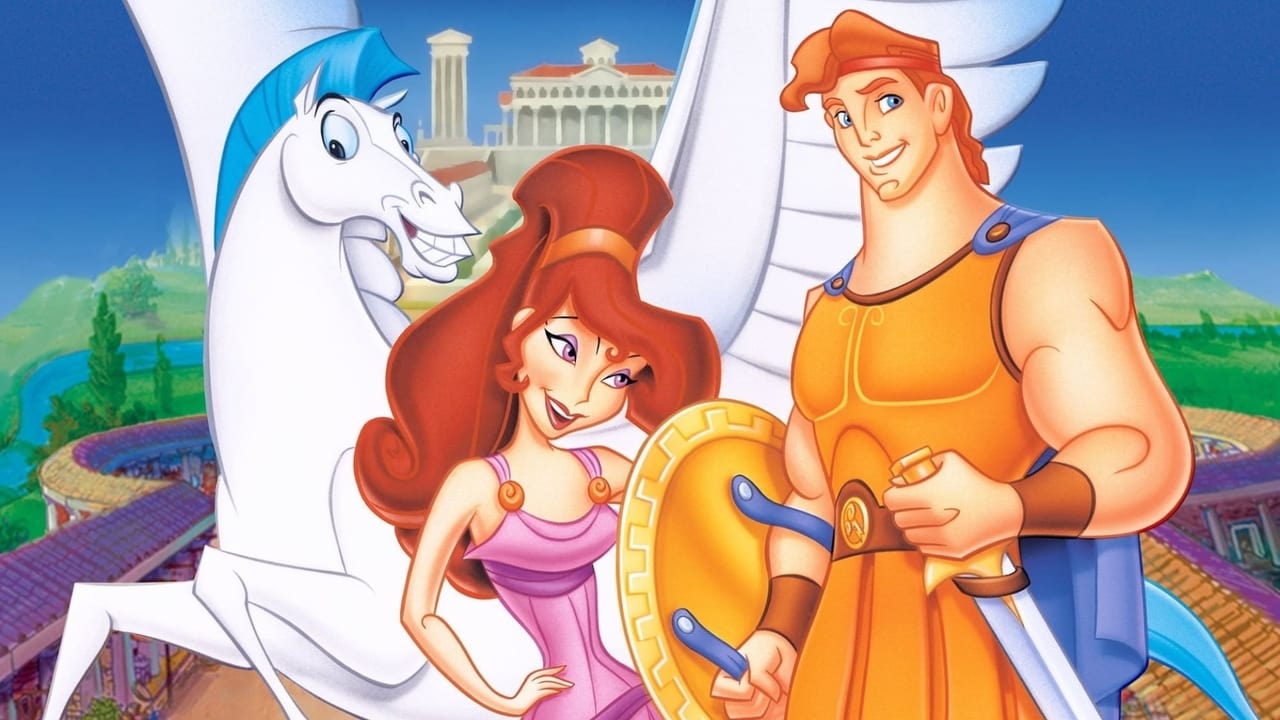
### From Zero to Hero, Via Ancient Greece & Gospel
Right from the Muses' electrifying opening number, "The Gospel Truth," you knew this wasn't your average animated retelling of Greek myth. Directed by the animation power-duo Ron Clements and John Musker – the very same talents who brought us The Little Mermaid (1989) and Aladdin (1992) – Hercules crackles with a distinctly modern, almost irreverent wit. They reportedly took on this project, a five-year endeavor, partly as a stepping stone towards their long-cherished dream project, Treasure Planet (2002). The resulting film blends classic hero's journey tropes with rapid-fire jokes, pop culture nods (Air Hercs, anyone?), and a visual style unlike anything Disney had done before.
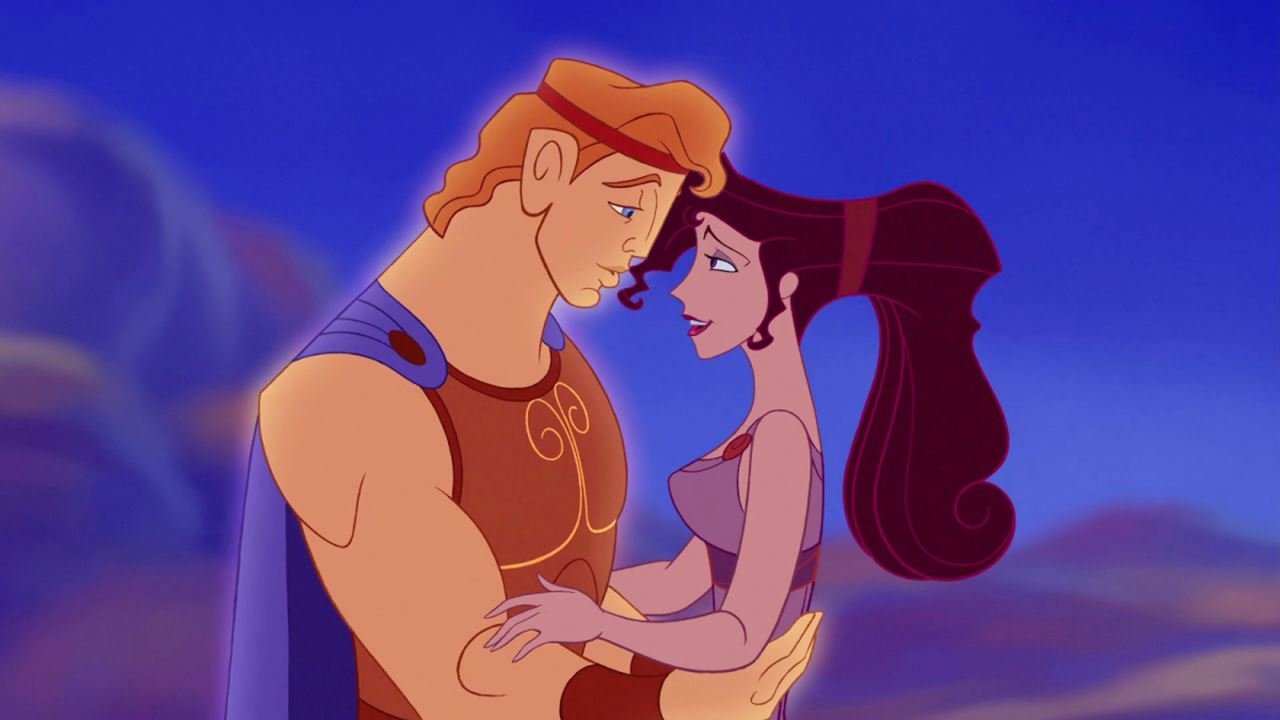
The story, penned by the directors alongside Donald McEnery, Bob Shaw, and Irene Mecchi, hits familiar beats: demigod Hercules (Tate Donovan), stripped of his immortality as a baby by his nefarious Uncle Hades, must prove himself a true hero on Earth to rejoin his godly family on Mount Olympus. Donovan brings a perfect blend of endearing awkwardness and burgeoning confidence to Herc, making his journey from gangly teen "Jerkules" to celebrated champion genuinely rootable. You really feel his yearning to belong, a universal theme wrapped in Olympian spectacle.
### A Style All Its Own (Thanks, Scarfe!)
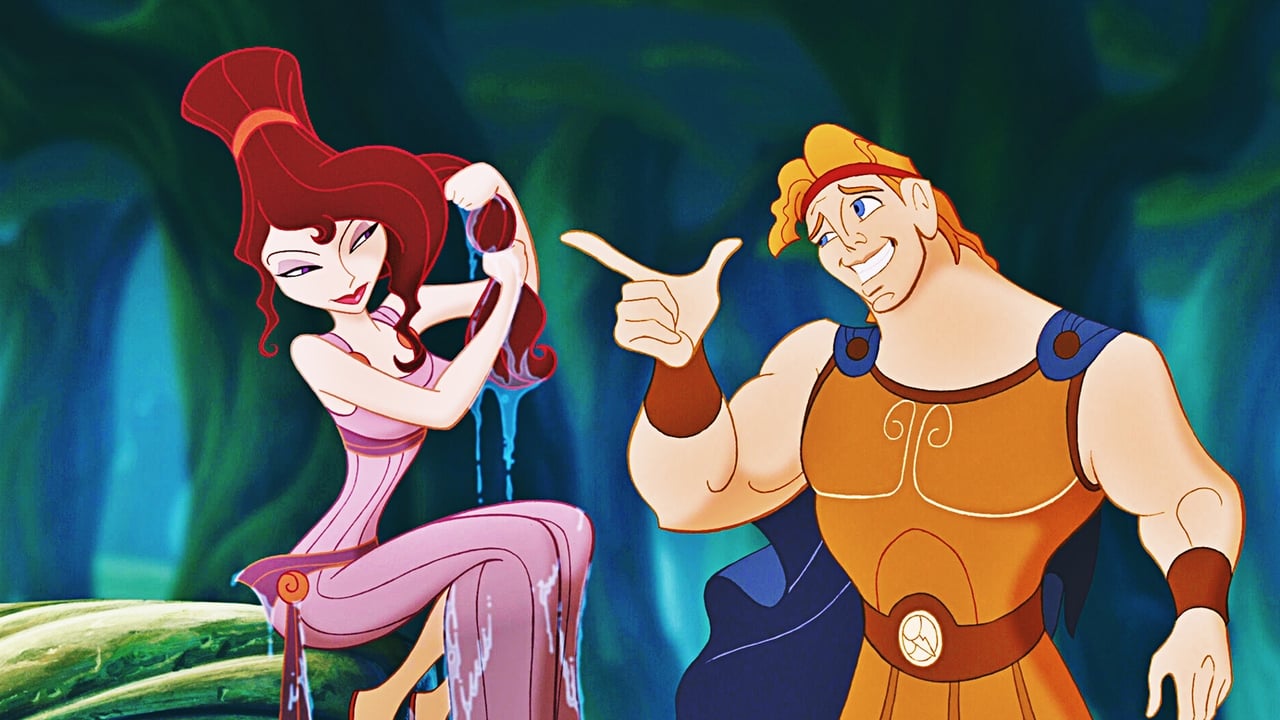
What truly sets Hercules apart is its bold visual identity. Disney enlisted the legendary British satirical cartoonist Gerald Scarfe, famed for his work with Pink Floyd on The Wall, to influence the character design and overall aesthetic. His sharp, angular, almost distorted lines gave the film a kinetic, edgy look that stood in stark contrast to the softer, more traditionally rounded designs of previous Disney hits. It wasn't universally loved at the time by animation purists, perhaps, but looking back, it feels daring and perfectly suited to the film's comedic, high-energy tone. That visual flair extends to the action sequences, particularly the battle with the multi-headed Hydra – a fantastic blend of traditional animation and burgeoning CGI that still packs a punch. Remember watching that beast regenerate heads on your CRT screen? It felt immense!
### Stealing the Show: Hades and Meg
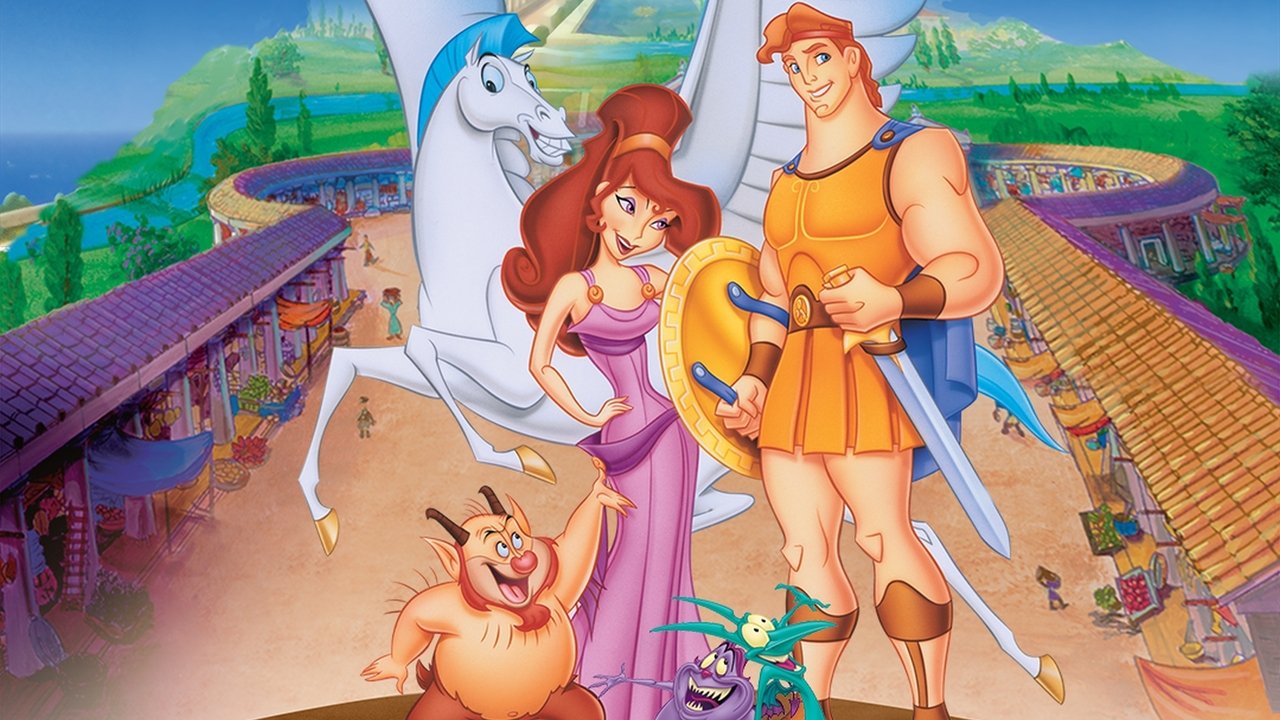
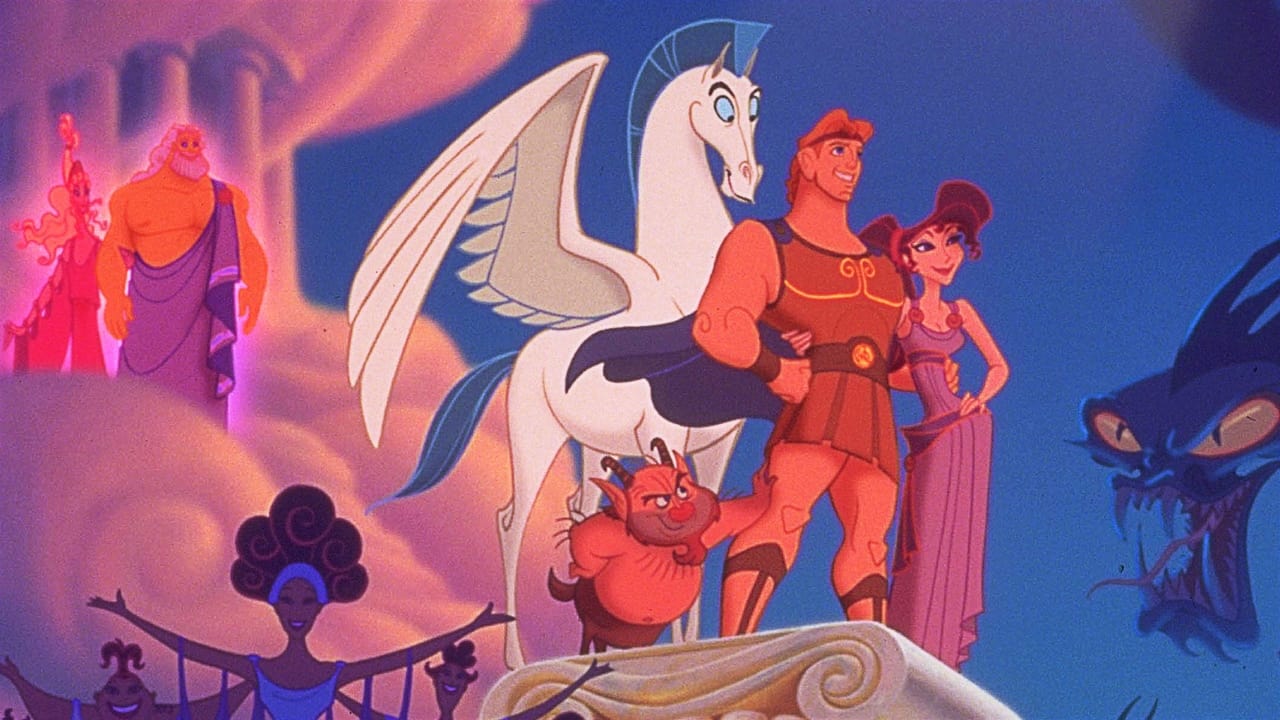
Let's be honest, though: while Hercules is the heart, the soul of the film’s unforgettable charisma belongs to two characters. First, the sassy, cynical, and utterly captivating Megara, voiced with world-weary perfection by Susan Egan. Meg wasn't your typical damsel in distress; she was sharp, independent, guarded, and had arguably one of the best "I Won't Say (I'm in Love)" numbers in the Disney songbook, courtesy of the masterful Alan Menken (music) and David Zippel (lyrics). Egan, primarily known for her Broadway work (she was the original Belle in Beauty and the Beast on stage!), gave Meg a depth that resonated. She felt real, flawed, and utterly relatable.
And then... there's Hades. Oh, Hades. Voiced with scenery-chewing, fast-talking, fiery brilliance by James Woods, the Lord of the Underworld isn't just a villain; he's a force of comedic nature. Reportedly, Woods wasn't the studio's first thought – names like Jack Nicholson and John Lithgow were floated – but during his audition, after reading the script lines, he asked directors Clements and Musker if he could just "try something." He launched into an improvised, sleazy, quick-witted Hollywood agent type of riff, and history was made. So much of Hades' manic energy and hilarious dialogue feels infused with Woods' ad-libbing genius, turning what could have been a standard baddie into arguably one of Disney's funniest and most memorable antagonists. His exasperated sighs and explosive temper tantrums ("Memo to me, memo to me: Maim you after my meeting") are pure gold.
### Retro Fun Facts & Lasting Charm
Hercules was a solid performer for Disney, made on an estimated budget of $85 million and grossing around $252 million worldwide. While perhaps not reaching the dizzying heights of The Lion King's box office ($968 million!), it found a dedicated audience and remains a beloved entry for many 90s kids (currently holding a respectable 7.3/10 on IMDb and 84% on Rotten Tomatoes from critics). The film even spawned an animated TV series that cleverly explored more Greek myths.
The sheer density of visual gags and background details rewards repeat viewings – spotting the Lion King Nemean Lion pelt, or the Scarface reference (get it?). The music, shifting effortlessly from Broadway bombast to soulful Gospel, remains incredibly catchy. And there's an infectious optimism running through it all, a belief in inner strength and finding where you belong that still resonates. I definitely remember wanting one of those Hercules action figures after seeing this!
Rating: 8/10
Hercules might not be the most profound film from the Disney Renaissance, but it's undeniably one of the most fun. Its unique visual style, brilliant voice work (especially from Woods and Egan), killer soundtrack, and sheer energetic charm earn it a solid 8 out of 10. It doesn't always perfectly balance the comedy and drama, and the plot feels a touch formulaic in places compared to its predecessors, but the highs are incredibly high.
So, if you're looking for a blast of 90s animated joy that goes the distance, give Hercules another spin. It’s a vibrant, witty, and wonderfully entertaining reminder that even gods (or demigods) have to work their way up from zero. A true hero isn't measured by the size of his strength, but by the strength of his heart... and maybe how funny his uncle is.