The flickering neon promises cheap thrills, the distant screams are supposed to be from delighted patrons, but beneath the candy floss and calliope music of the carnival, something feels off. It always does, doesn't it? That undercurrent of decay, the transient nature of the whole affair suggesting secrets hidden just behind the garish facades. Tobe Hooper understood this inherent unease, and with The Funhouse (1981), he didn't just give us a slasher; he invited us into the grimy, suffocating heart of the carnival's shadow self, trapping us there long after the lights went out.

That Familiar Teen Dare
The setup feels almost comforting in its familiarity, especially viewed through the haze of decades past. Four teenagers – Amy (Elizabeth Berridge, in one of her earliest roles before capturing attention in Amadeus), Buzz, Liz, and Richie – decide to defy Amy’s parents and spend a night inside the traveling carnival's funhouse. It’s a classic setup: youthful rebellion mixed with hormonal urges, set against a backdrop designed for manufactured scares. Hooper, who had already dragged audiences through the harrowing sunlight dread of The Texas Chain Saw Massacre (1974), initially plays into the expected rhythms. We get the creepy fortune teller, the lurid strip show barker, the vague sense of menace lurking just outside the frame. Remember that feeling? The anticipation, knowing things will go wrong, but not precisely how?
Behind the Grinning Facade
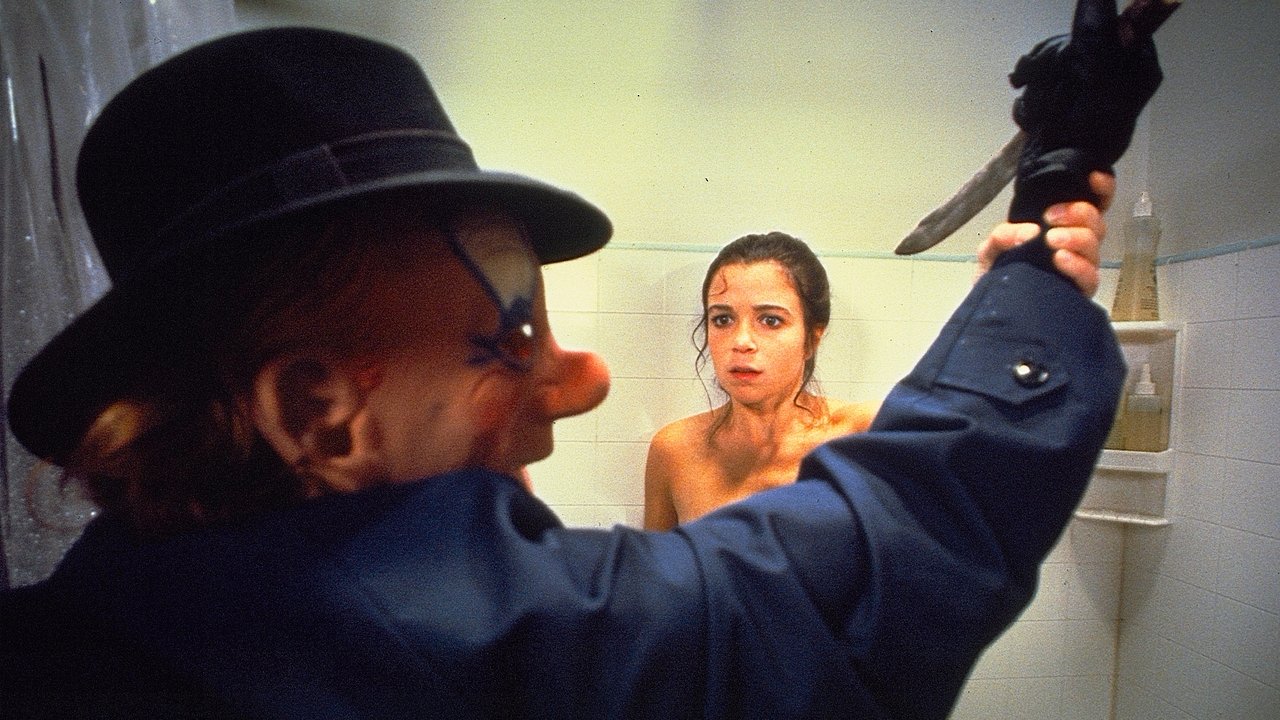
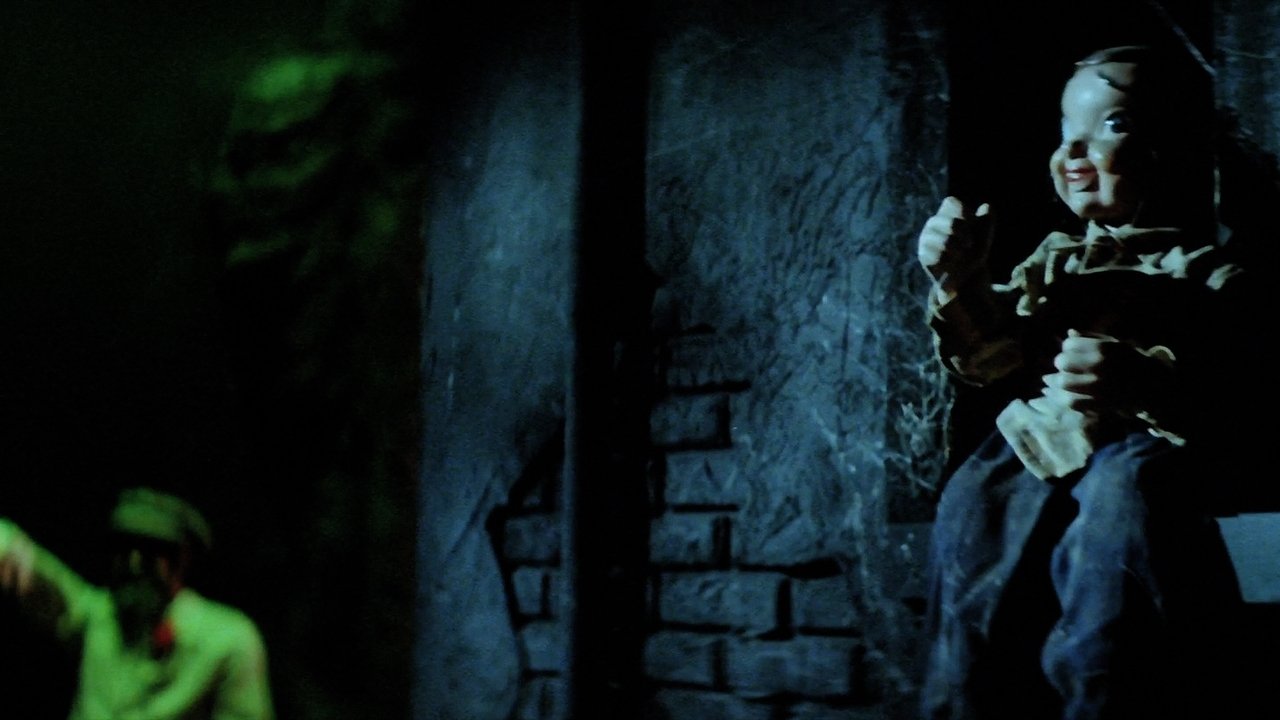
Where The Funhouse truly begins to coil around you is once the gates lock and the teens find themselves peering through the floorboards. The carnival, stripped of its daytime pretense, becomes a place of genuine squalor and disturbing reality. The production design here is key – the funhouse isn't just dark; it's filthy. Dust motes dance in stray beams of light, the mechanisms groan, and the leering animatronics feel less like playful figures and more like silent, decaying witnesses. This wasn't the slick, polished horror that would dominate later in the decade; this felt grounded, tangible, the kind of place you could almost smell through the screen. Much of this oppressive atmosphere was conjured within Norin Studios in North Miami, Florida, where the carnival set, including the titular structure, was purpose-built, allowing Hooper precise control over the decaying environment.
The voyeuristic thrill curdles into terror when the teens witness the funhouse "barker" – actually the ride operator in a Frankenstein mask – engaging the services of the carnival fortune teller, Madame Zena, only for the encounter to end in her violent death. Then comes the reveal: the operator removes his mask to reveal his hideously deformed son, Gunther, lurking beneath. The creature design, ultimately crafted by Craig Reardon (after original concepts by Rick Baker), is genuinely unsettling. It avoids caricature, presenting a figure that evokes pity almost as much as revulsion, a being trapped in his own monstrous reality. There's a grim legend that the initial script by Larry Block was even darker before studio notes perhaps sanded down some edges, but the core dread remains potent.
Trapped with the Monster

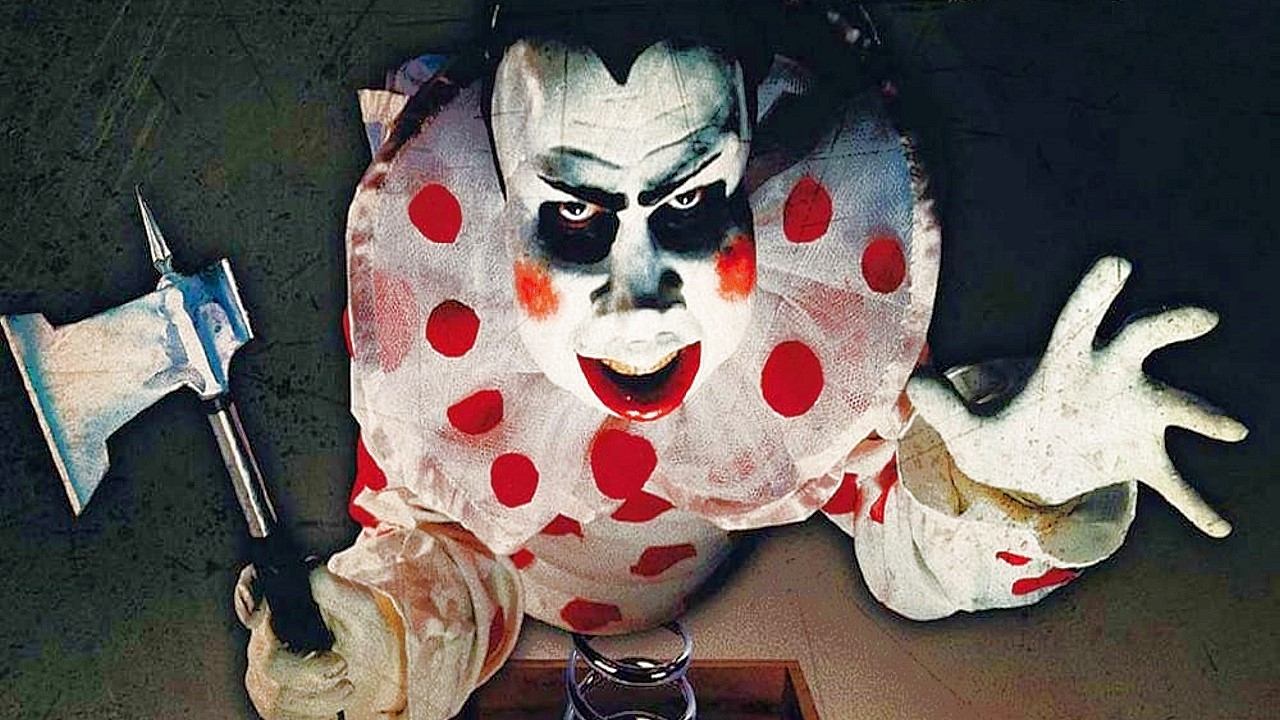
From this point, The Funhouse transforms into a tense, claustrophobic game of cat-and-mouse. Hooper excels in tight spaces, using the funhouse's winding corridors, hidden crawlspaces, and malfunctioning machinery to generate palpable suspense. The screams aren't just from the teens; they're from the dying mechanisms of the ride itself, creating a disorienting soundscape. The film cleverly uses the funhouse props – the hanging bodies, the sudden bursts of air, the distorted mirrors – against the protagonists. Did that moment where Gunther emerges from behind a prop genuinely make you jump back then? It relies less on jump scares and more on sustained, sweaty dread.
Kevin Conway deserves special mention for pulling triple duty, voicing not only Gunther's tormented father but also the barkers for the freak show and strip show, adding a layer of interconnected sleaze to the carnival's personnel. It’s a small detail that enhances the feeling of a closed, corrupt world operating under its own twisted rules. Interestingly, for those who haunted the paperback racks alongside the video aisles, the Dean Koontz novelization (penned under the pseudonym Owen West) significantly expanded on Gunther’s backstory and the carnival's dark history, offering an even more disturbing narrative that the film only hints at.
A Grimy Gem in the Slasher Cycle
While perhaps lacking the iconic final girl strength of some contemporaries or the relentless brutality of Hooper’s own TCM, The Funhouse offers something distinct: atmosphere thick enough to choke on. The performances from the young cast, led by a relatable Elizabeth Berridge, are effective in conveying escalating panic. It might feel a little slow by modern pacing standards, taking its time to establish the mood before the slaughter truly begins, but that deliberate build-up is part of its menacing charm. It wasn't a runaway smash hit, earning a respectable but not staggering $7.8 million against its estimated $3.5 million budget, but its reputation has festered nicely over the years, becoming a cult favorite for those who appreciate its specific brand of early 80s grime and dread.
***
Rating: 7/10
Justification: The Funhouse earns its score through sheer atmospheric power and Tobe Hooper's masterful creation of suspense within the claustrophobic setting. The practical effects, particularly Gunther's makeup, remain effectively unsettling. While the initial setup is standard slasher fare and the pacing might test some viewers, the film's descent into the grimy, disturbing heart of the carnival after dark is potent and memorable. It might not be Hooper's most revered work, but it’s a distinct and chilling entry in the early 80s horror canon.
Final Thought: It’s a film that reminds you that sometimes the most terrifying place isn't a haunted house, but the peeling paint and dead-eyed stares of a place designed for laughter, long after the crowds have gone home.